


The Era of Post-War Consolidation and the British Leyland Legacy
The most significant chapter in the disappearance of British marques involves the formation and eventual collapse of British Leyland (BL). This state-backed entity became the final resting place for many of the country’s most storied brands, including Austin, Morris, Rover, and Wolseley.
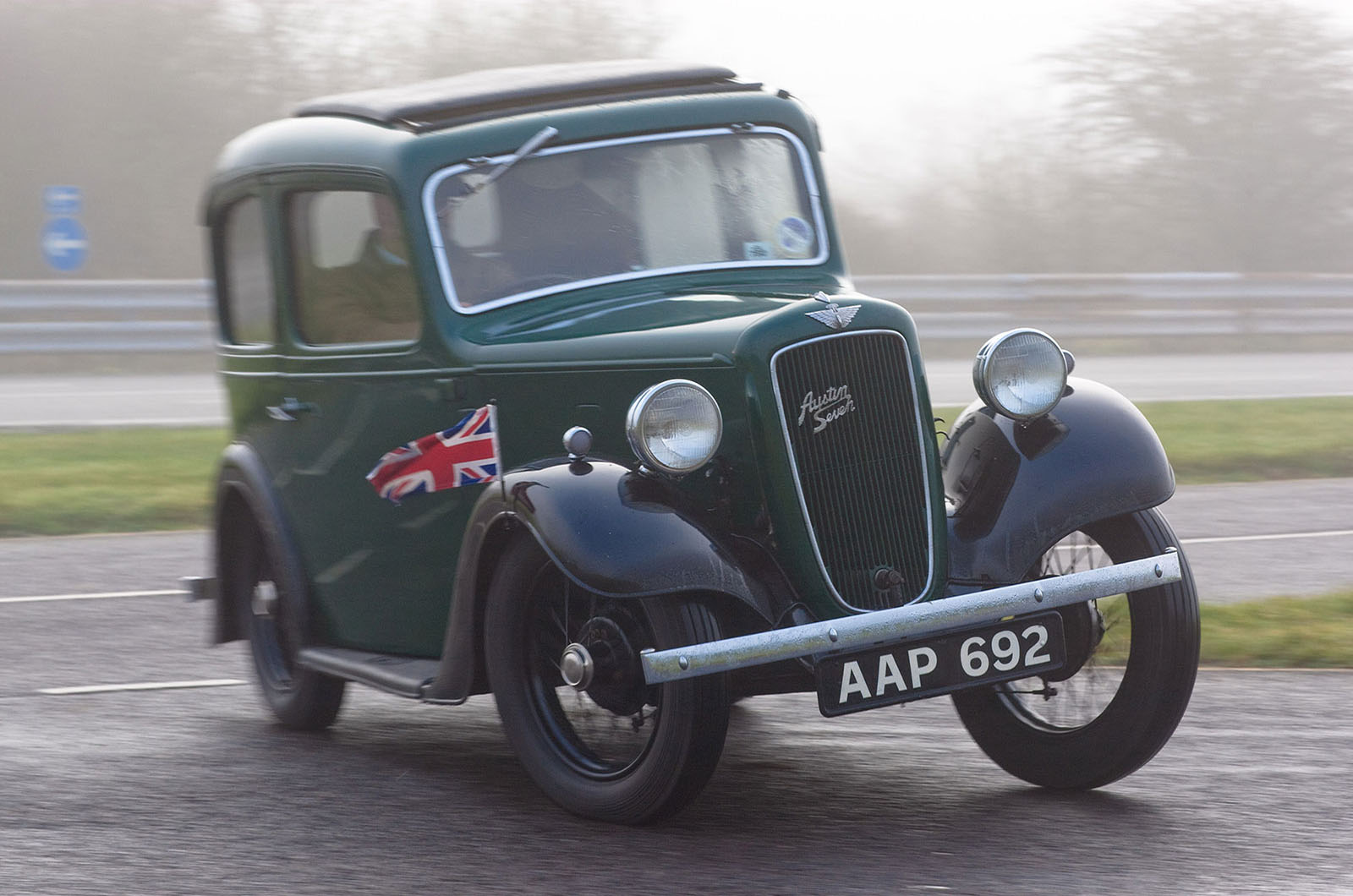
Austin and Morris were the twin pillars of British volume manufacturing for decades. Founded in 1905 and 1912 respectively, they dominated the domestic market. The 1922 Austin Seven is credited with putting the British middle class on wheels, much like the Ford Model T did in America. Following the 1952 merger that formed the British Motor Corporation (BMC), the group produced the revolutionary 1959 Mini. Despite the Mini’s cultural and engineering success, BMC’s successor, British Leyland, suffered from chronic under-investment and industrial unrest.

The decline of Austin was accelerated by the failure of the Allegro in 1973, a car intended to conquer Europe that instead became a symbol of poor design and build quality. By the time the Austin name was retired in 1988, it had been subsumed by the Rover Group. Morris followed a similar trajectory; after producing the iconic Minor—the first British car to sell a million units—it was relegated to producing the under-engineered Marina. The Morris brand was ultimately shelved in 1983.
Rover, perhaps the most prestigious of the volume makers, survived the longest. Once known as "the poor man’s Rolls-Royce" for its high-quality P4 and P5 saloons, Rover’s reputation was eroded by its inclusion in the BL portfolio. Despite flashes of brilliance, such as the 1976 SD1 and the 1990s 75, the company collapsed in 2005. Today, the Rover name is owned by Jaguar Land Rover (JLR), a subsidiary of Tata Motors, while its intellectual property laid the groundwork for the Chinese brand Roewe.
The Luxury and Performance Specialists: Alvis, Allard, and Jensen
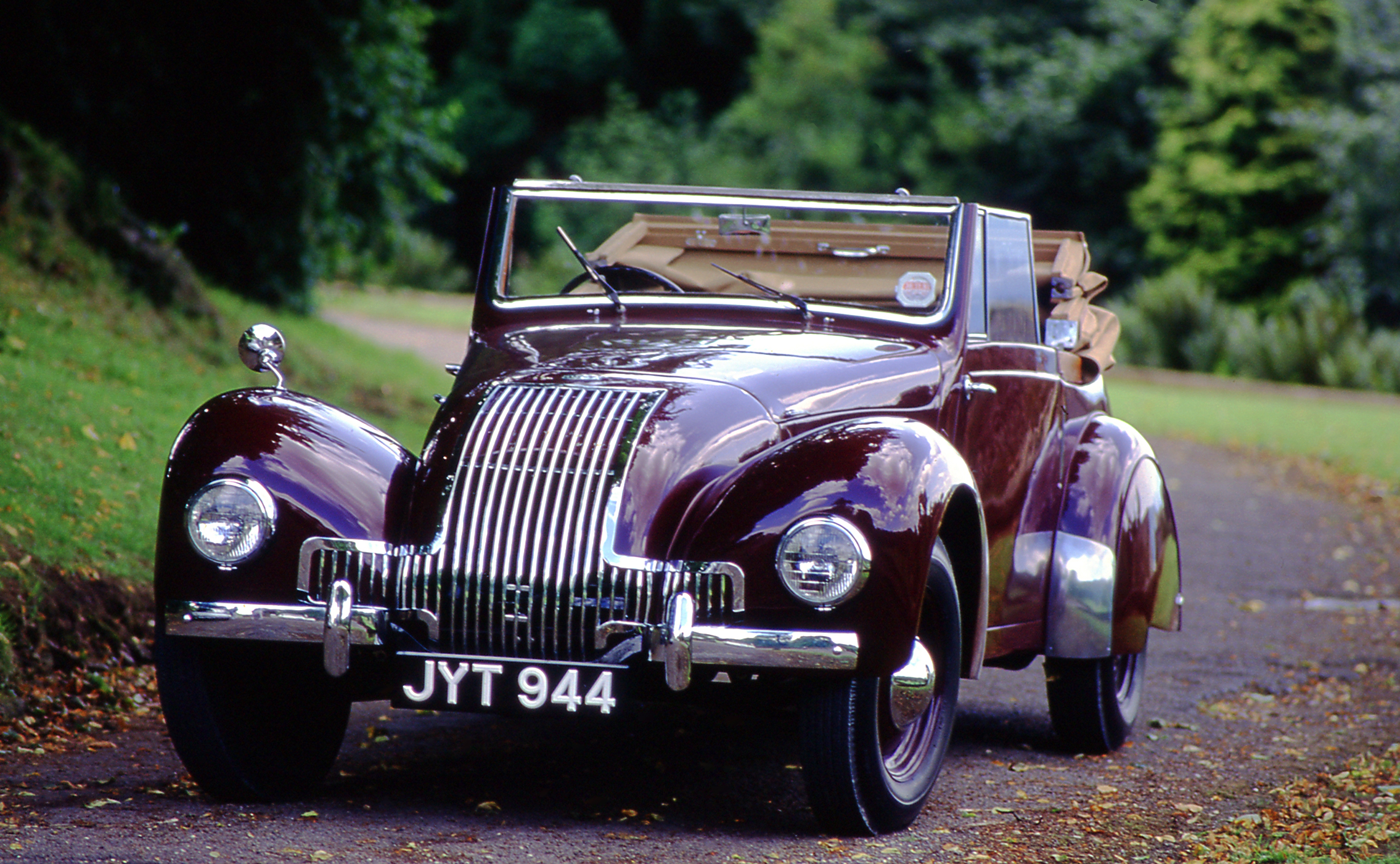
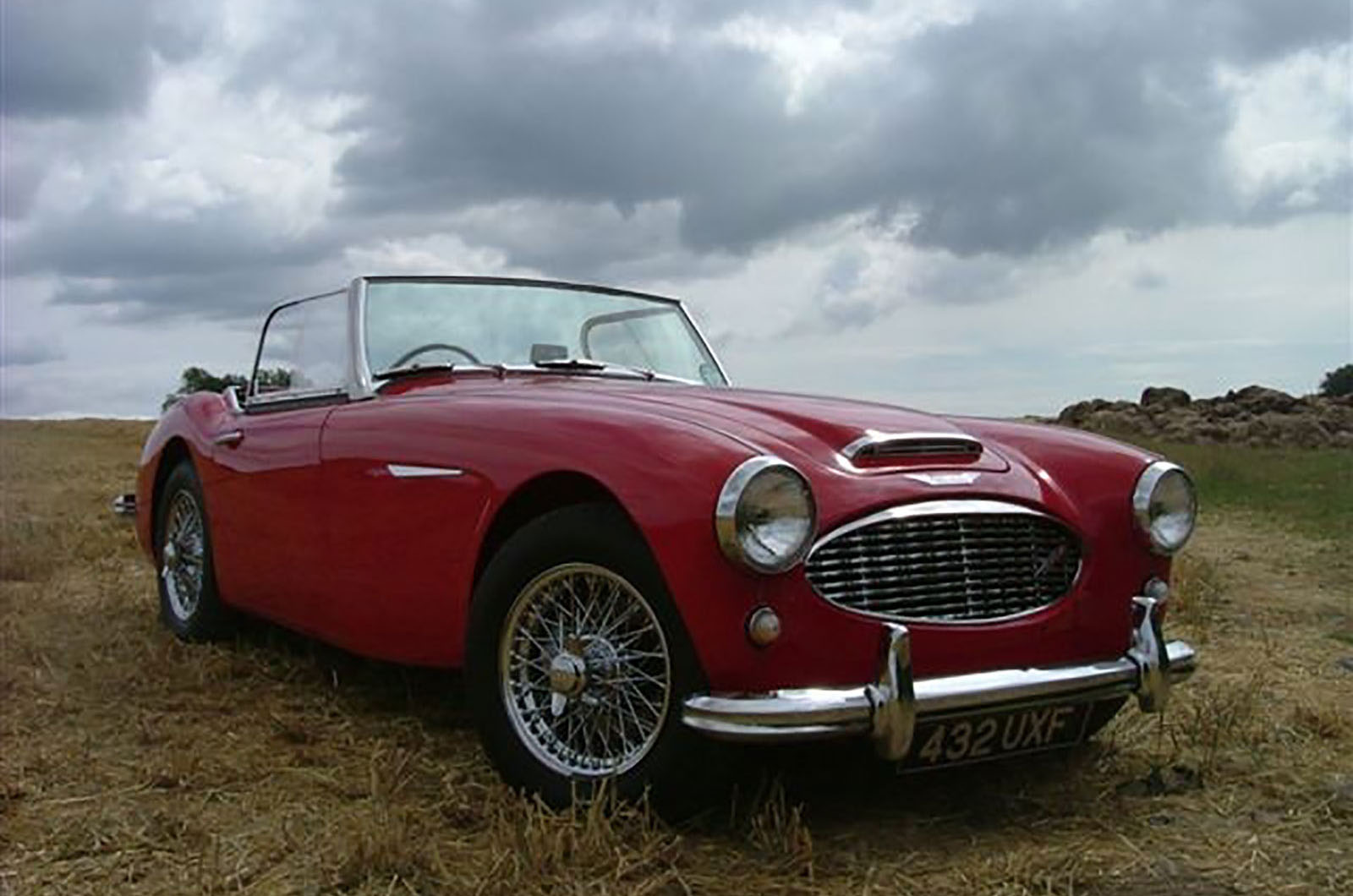
While volume manufacturers struggled with scale, Britain’s specialist makers faced the challenge of evolving technology and shifting regulations. Allard, founded by Sydney Allard in 1946, gained international fame by stuffing powerful American V8 engines into lightweight British chassis. This formula influenced the later AC Cobra, yet Allard failed to modernize. By 1957, the company collapsed as its technology lagged a generation behind its rivals.
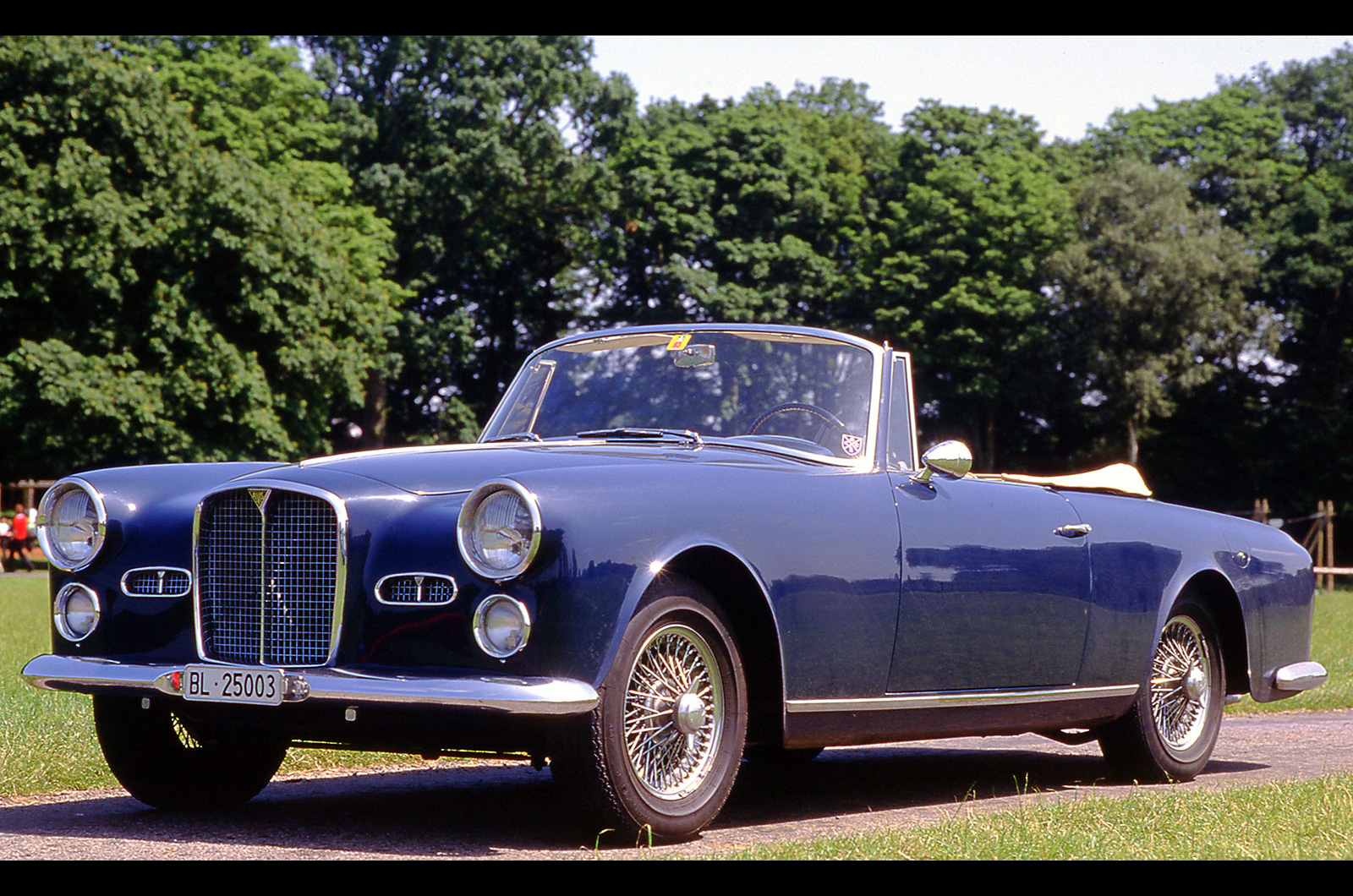
Alvis represented the pinnacle of high-quality sporting saloons and tourers. Based in Coventry, Alvis produced cars that were often compared to Bentleys for their engineering integrity. However, the costs of low-volume production in an era of increasing automation proved unsustainable. Rover acquired Alvis in 1965, and car production ceased in 1967 as the brand pivoted exclusively to military vehicles—a sector in which the Alvis name continued under BAE Systems until 2004.
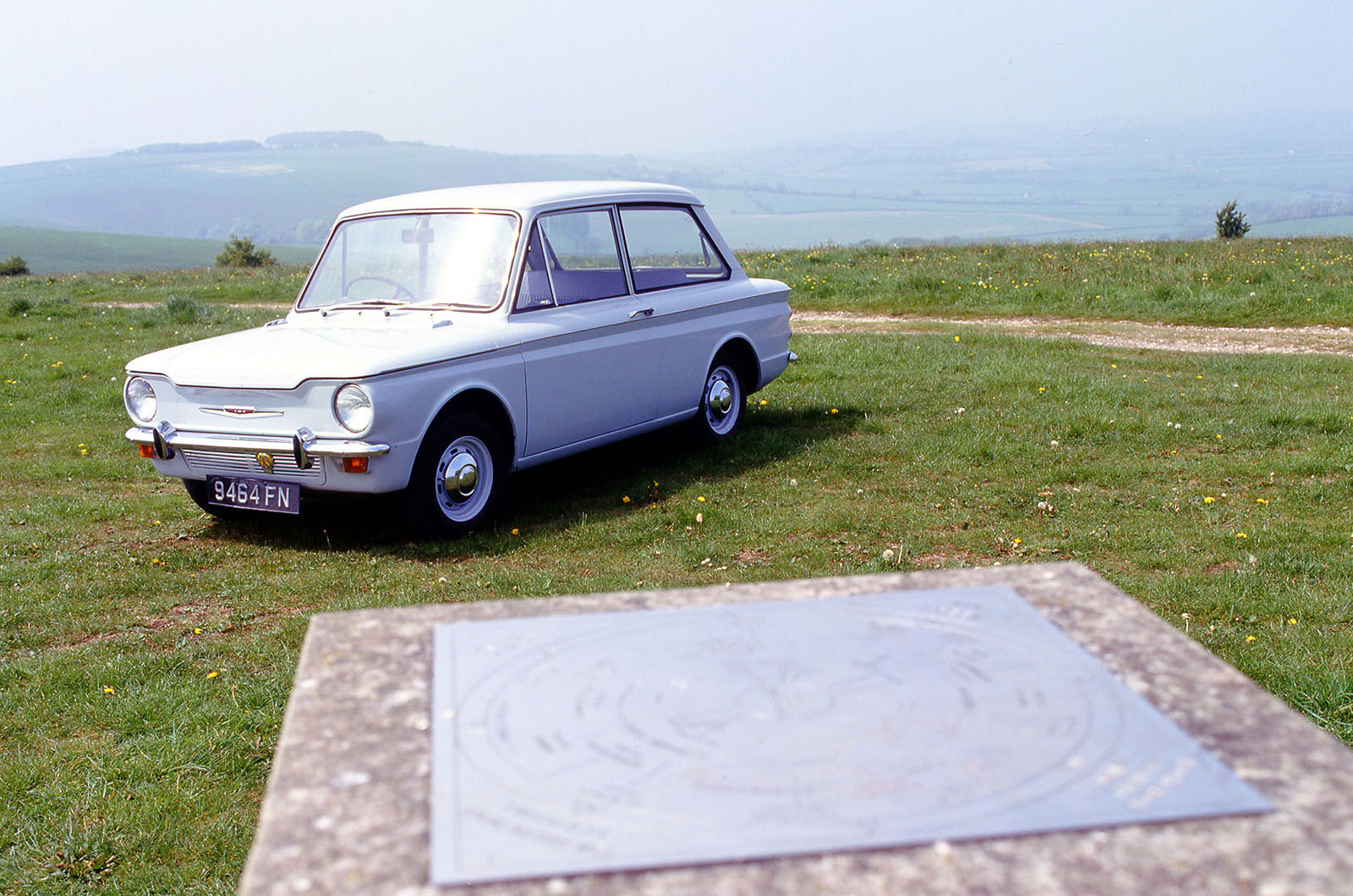
Jensen Motors provided one of the industry’s most tragic arcs. The West Bromwich-based firm produced the Interceptor, a grand tourer of immense style, and the 1966 Jensen FF, which was decades ahead of its time as the first non-all-terrain production car to feature four-wheel drive and anti-lock brakes. Despite this technical leadership, the 1970s fuel crisis and the high cost of its hand-built grand tourers led to Jensen’s liquidation in 1976. A brief 2001 revival with the S-V8 roadster failed after only 40 units were produced.
The Rootes Group and the Failure of State Intervention
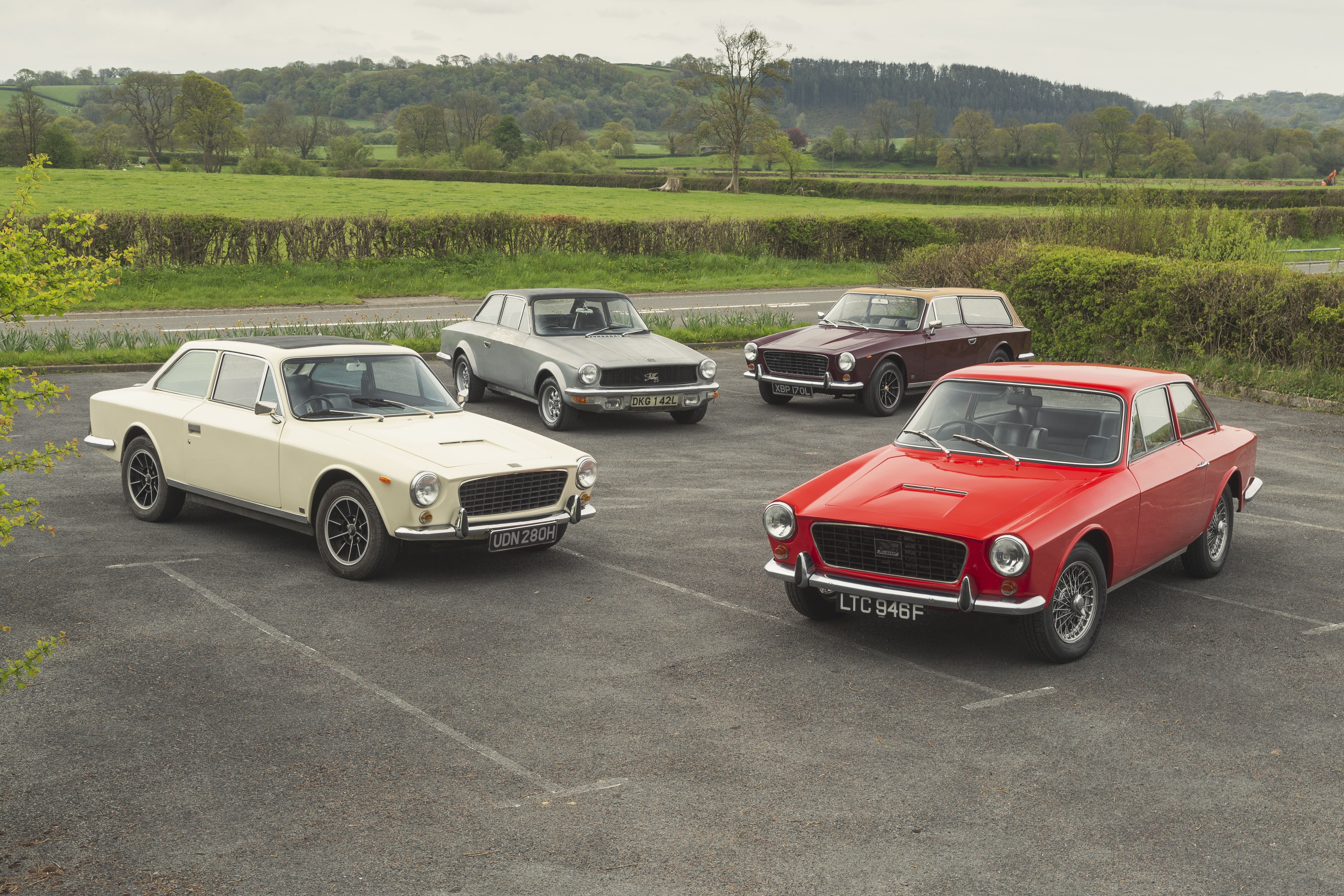
The Rootes Group, which owned Hillman, Sunbeam, Singer, and Talbot, offers a case study in the dangers of government-mandated industrial planning. Hillman was a staple of the British suburbs, but its fate was sealed by the Imp. To satisfy government regional investment policies, the Imp was built in a new factory at Linwood, Scotland, far from the established supply chains of the Midlands. The logistical nightmare, combined with reliability issues and labor strikes, bankrupted the Rootes Group.
Chrysler acquired the remains of Rootes in 1967, attempting to create a "Chrysler Europe" division. This venture proved disastrous, leading to the sale of the assets to Peugeot (PSA) in 1978. Peugeot attempted to revive the Talbot name—an Anglo-French marque dating back to 1903—to rebrand the former Chrysler models. The experiment was short-lived; the Talbot name was retired from passenger cars in 1987 and from commercial vans in 1992.
The Niche Players: From Welsh Kits to Three-Wheeled Icons
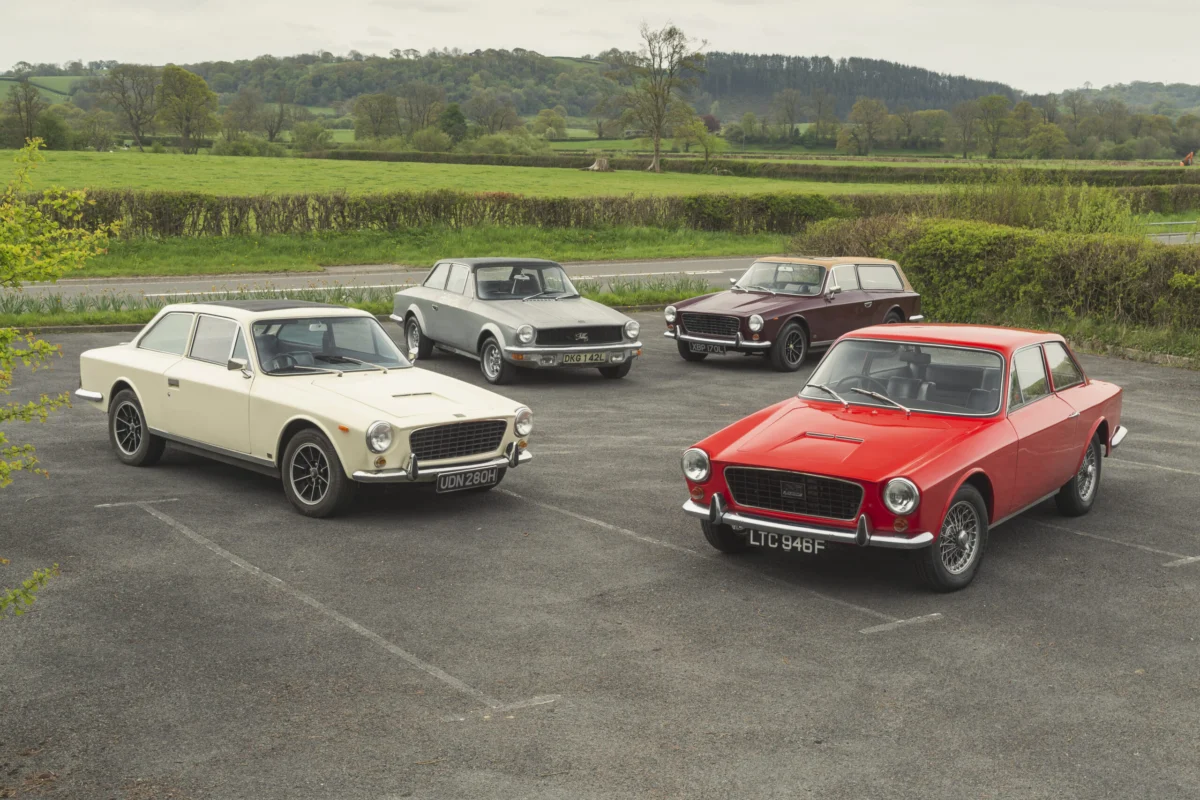
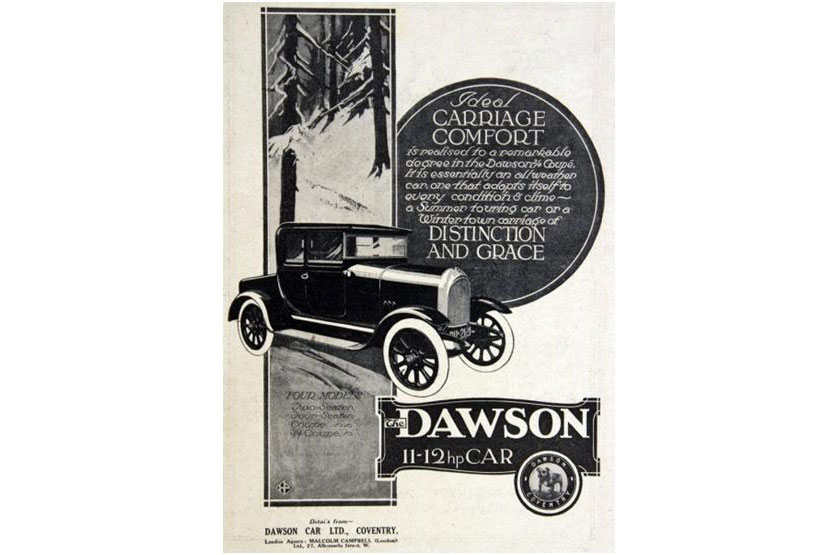
The British automotive landscape was also populated by eccentric, smaller manufacturers that catered to specific subcultures. Gilbern, founded in 1959, holds the distinction of being Wales’ only significant car manufacturer. Operating out of a butcher’s shop before moving to a dedicated factory, Gilbern produced glass-fibre GT cars. However, tax changes and a lack of capital led to its closure in 1973.
Marcos Engineering was equally unconventional, initially using a chassis made of marine plywood. Founded in 1959, Marcos survived multiple bankruptcies and revivals, finally ceasing operations in 2007. Similarly, TVR, founded by Trevor Wilkinson in 1947, became famous for its brutal, driver-centric sports cars. Under the ownership of Peter Wheeler, TVR thrived in the 1990s, but a subsequent sale to Russian businessman Nikolai Smolensky saw the brand fade into dormancy by 2007. While Les Edgar currently holds the rights and has unveiled a new Griffith, production remains stalled.
Reliant, often the subject of British comedy for its three-wheeled Robin and Regal, was actually a sophisticated manufacturer of performance cars like the Scimitar GTE. The Scimitar pioneered the "sports estate" concept and was famously favored by Princess Anne. However, the company could not survive the transition into the 21st century, with production ending in 2002.
Industrial Chronology and the Causes of Decline
The timeline of the British motor industry’s contraction can be divided into three distinct phases:
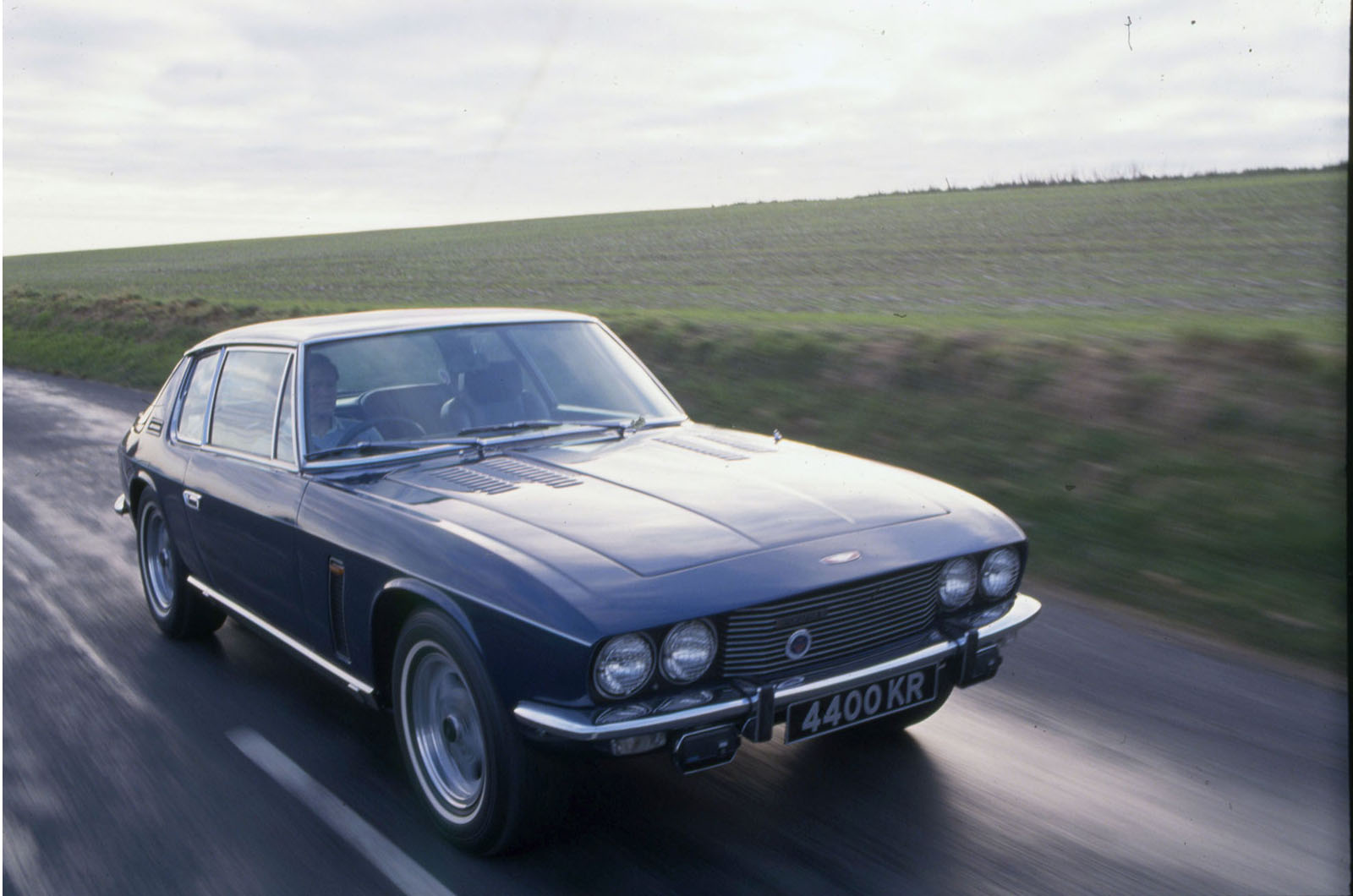
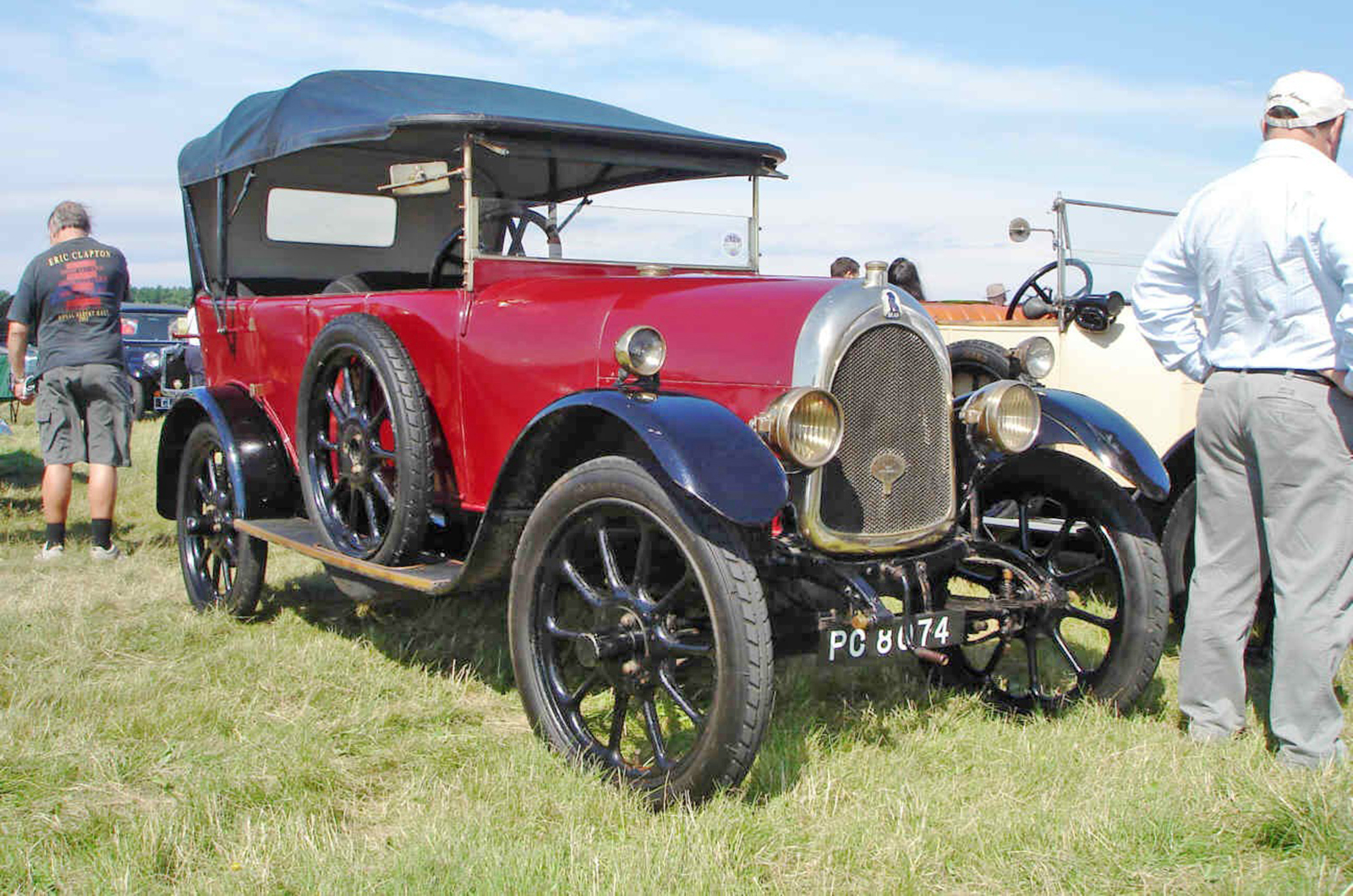
- 1920–1939: The Early Shakeout. Small firms like Bean, Swift, and Dawson, which lacked the economies of scale introduced by Ford’s assembly line methods, were forced out of business or acquired by larger groups like BSA (Daimler) or Morris.
- 1950–1980: The Great Consolidation. The formation of BMC and later British Leyland attempted to create a national champion to rival Volkswagen or GM. This era saw the loss of identity for brands like Riley and Wolseley, which became mere "badge-engineered" versions of Austin and Morris cars.
- 1990–2005: The Final Liquidation. The sale of the Rover Group to BMW in 1994 and the subsequent collapse of MG Rover in 2005 marked the end of large-scale, British-owned mass production.
Economic analysts point to several factors for this mass extinction. Under-investment in research and development left British firms with aging product lines. Furthermore, the UK’s late entry into the European Economic Community meant that domestic manufacturers faced high tariffs in export markets while being encroached upon by efficient Japanese and German imports at home.
Current Intellectual Property and Potential Revivals
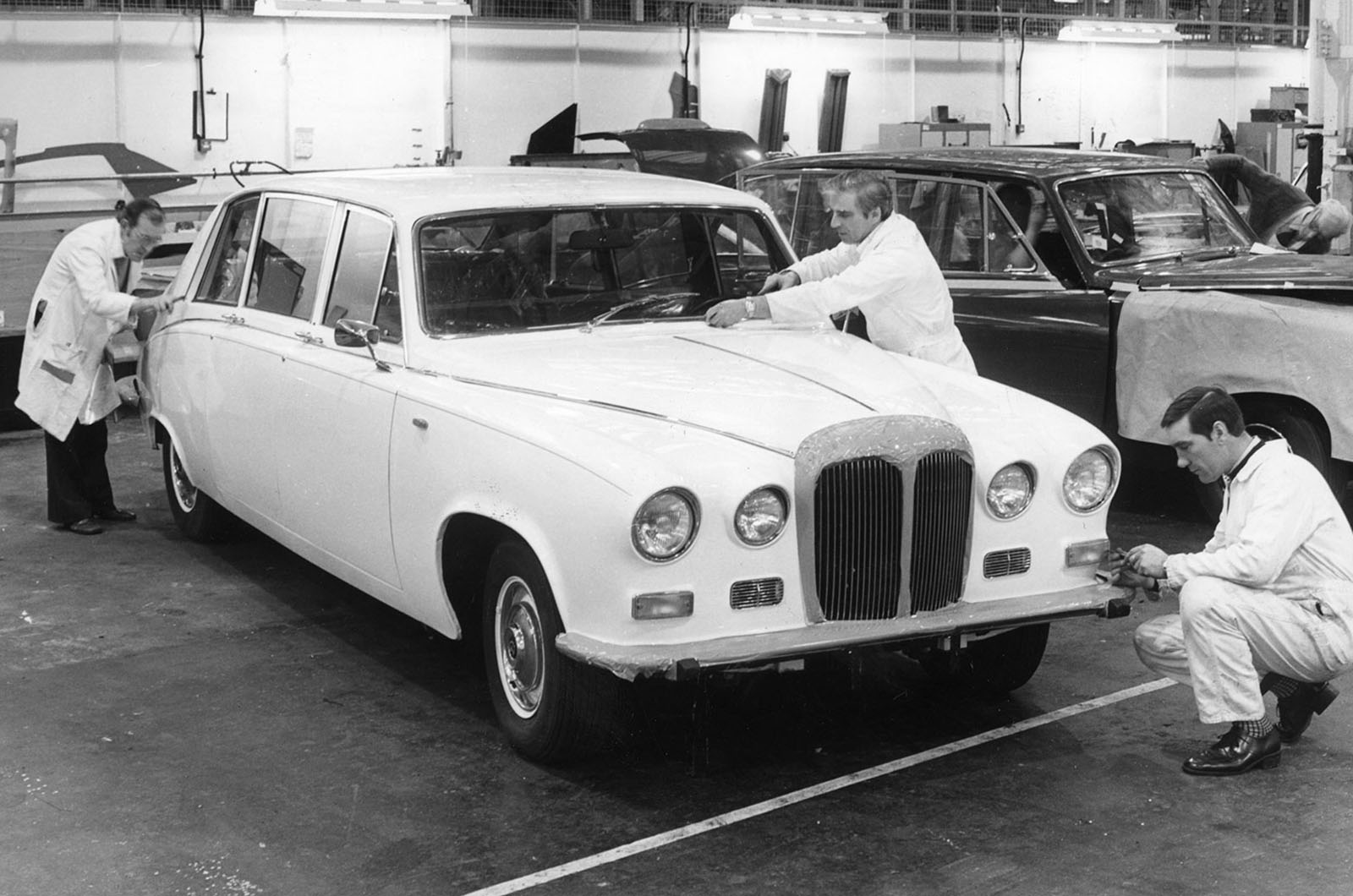
The names of these "deceased" companies remain valuable assets. BMW currently holds the rights to Triumph and Riley, leading to periodic rumors of a Triumph sports car revival based on Z4 architecture. Tata Motors, via JLR, owns the rights to Rover, Lanchester, and Daimler. While the Daimler name was last used on a high-end Jaguar XJ in 2010, the brand remains dormant as Mercedes-Benz owns the rights to the name in most of Europe.
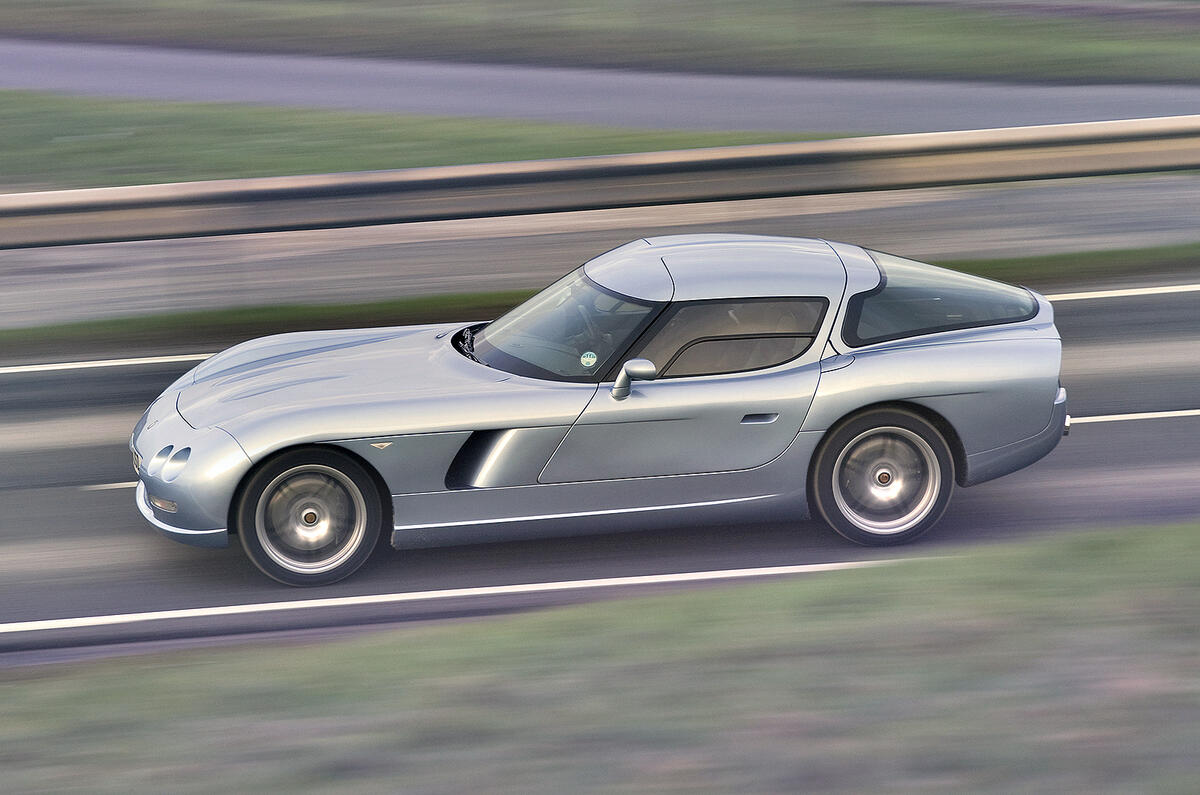
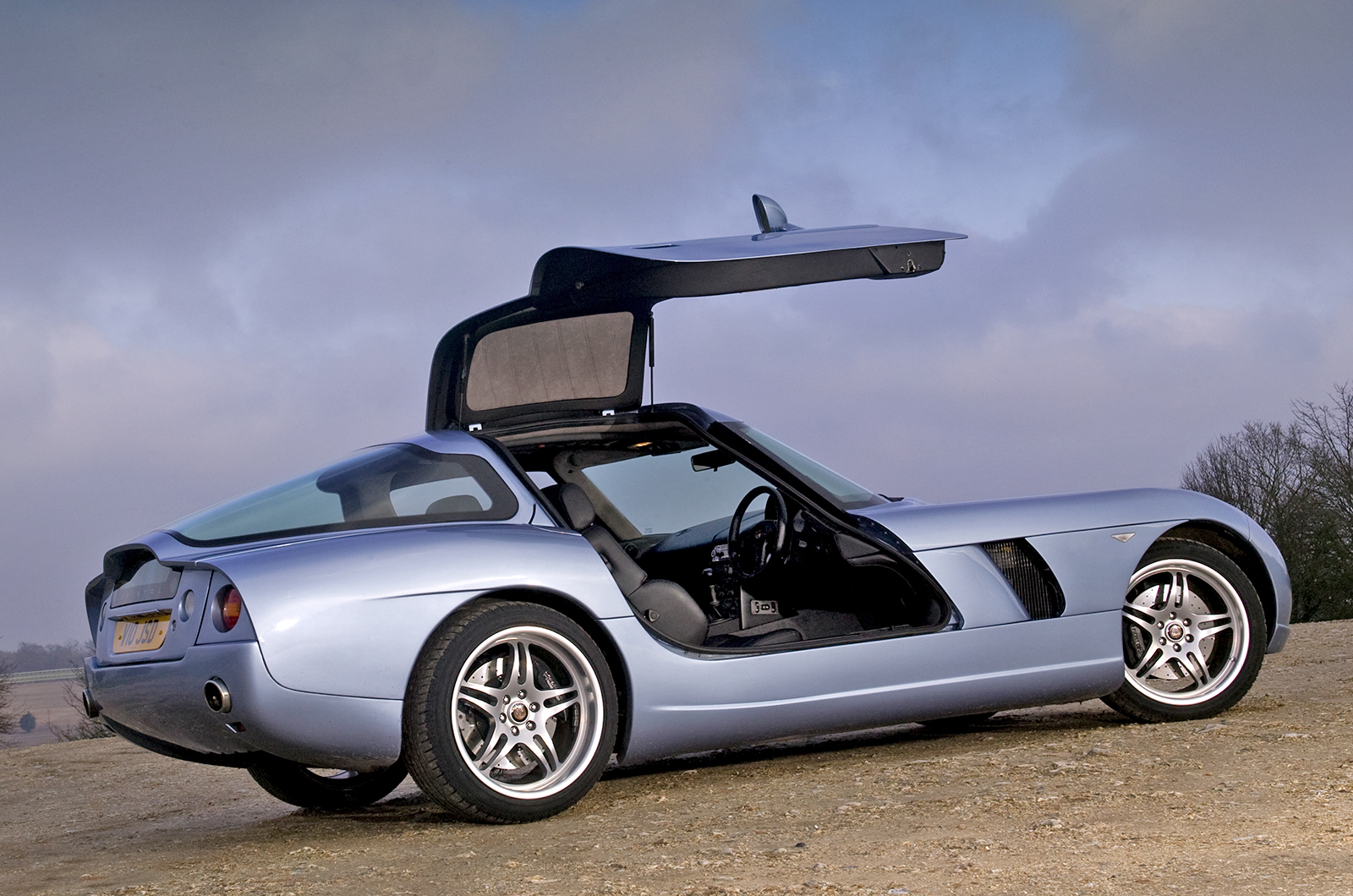
The story of the UK’s defunct car companies is not merely a list of failures, but a record of a vanished industrial culture. From the eccentric engineering of the Bristol Fighter to the mass-market ubiquity of the Morris Minor, these brands represented a unique British approach to motoring that prioritized character and innovation, often at the expense of fiscal reality. While the factories are largely gone, the marques continue to command a significant following in the classic car market, serving as a reminder of an era when Britain was the workshop of the automotive world.