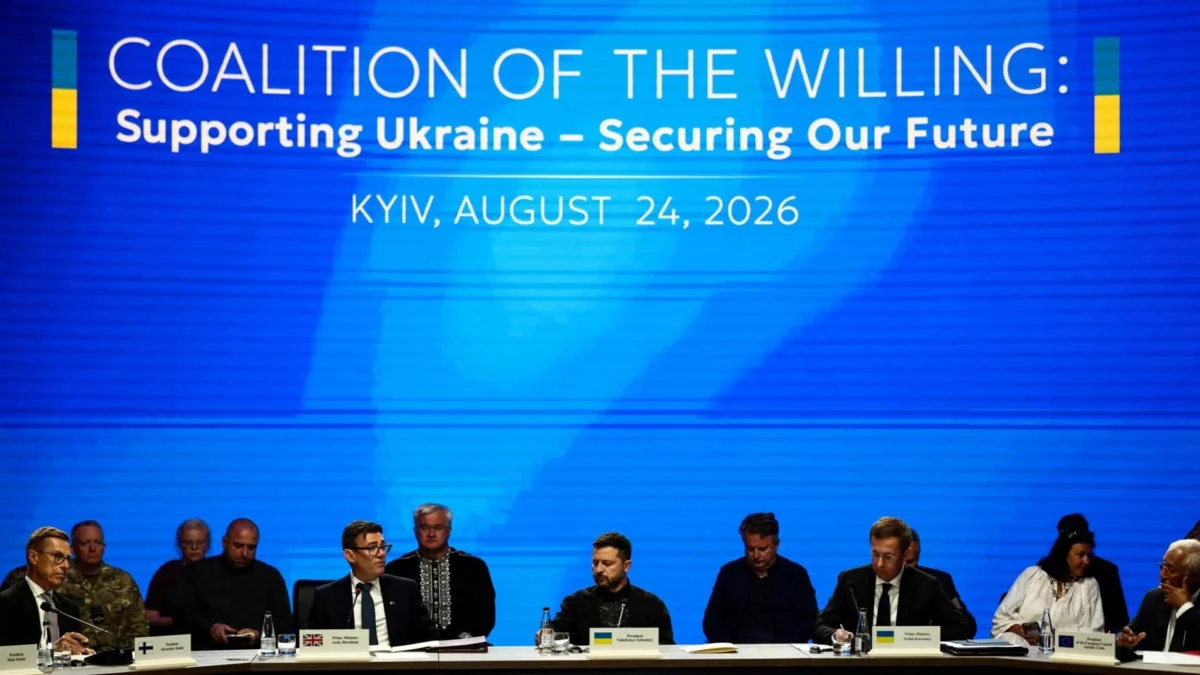
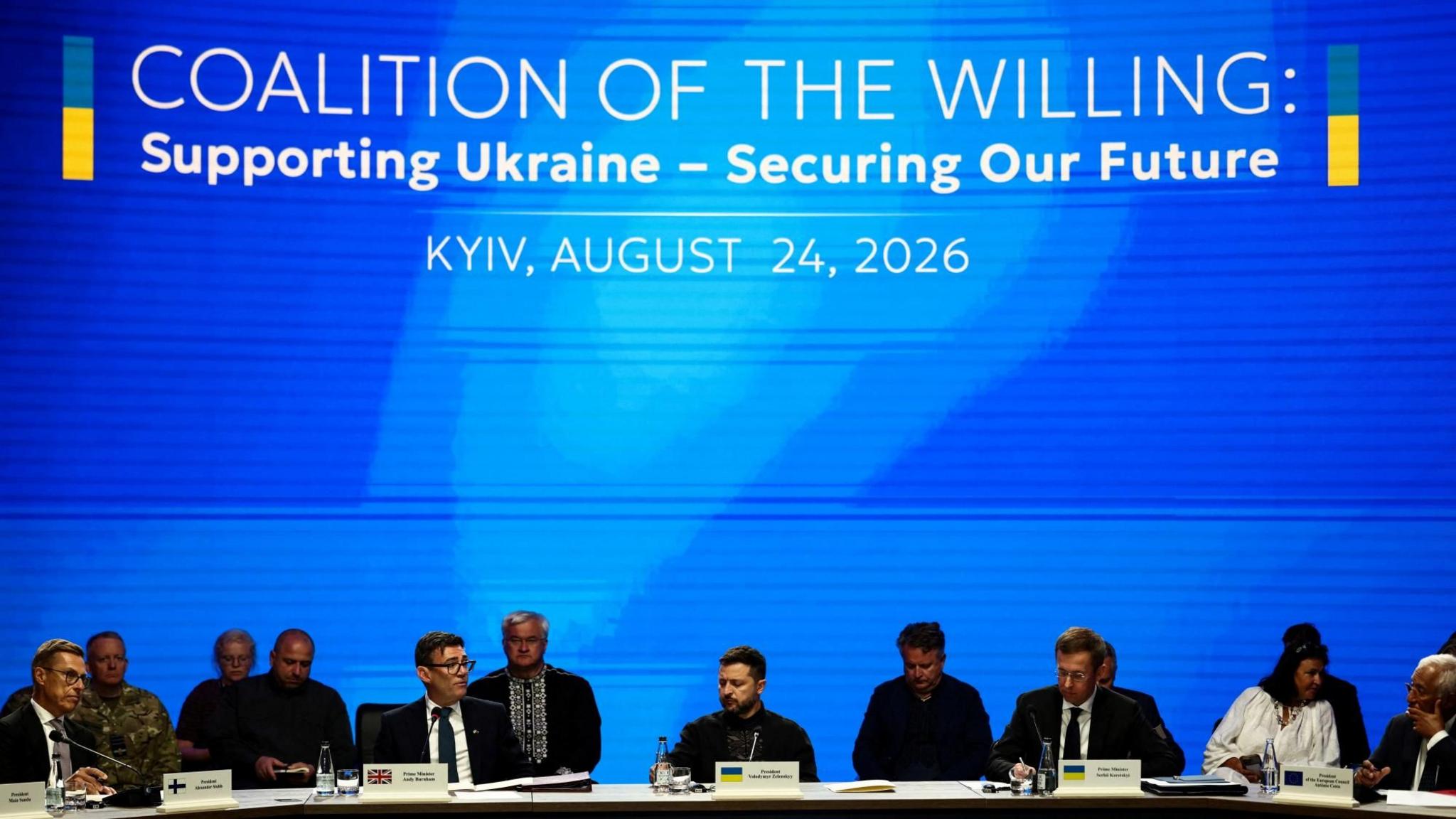
In a powerful demonstration of the United Kingdom’s steadfast commitment to Kyiv, Prime Minister Andy Burnham concluded his inaugural official visit to Ukraine, pledging sustained pressure on Russia despite what he termed Moscow’s "outrageous threats." The high-stakes visit saw Burnham engage directly with Ukrainian President Volodymyr Zelensky and preside over his first meeting of the "coalition of the willing," a vital international alliance initiated by the UK and France under his predecessor, Sir Keir Starmer. A cornerstone of the visit was the groundbreaking agreement to share blueprints for British-made components of the Scalp missile, the French counterpart to the UK’s Storm Shadow cruise missile, empowering Ukraine to significantly bolster its domestic long-range weapons production capabilities.
Prime Minister Burnham’s visit comes at a particularly fraught period, marked by escalating Russian missile and drone attacks across Ukraine, including a devastating strike on a shopping centre that claimed at least 16 lives just days prior. Against this backdrop, Burnham underscored the urgency of international solidarity, stating that the coalition was "doing everything we can" to support Ukraine’s defence. He also issued a pointed call to the United States Congress to "ratchet up" economic pressure on the Kremlin, highlighting the global dimension of the conflict. The transfer of missile technology blueprints, a move anticipated to significantly enhance Ukraine’s strategic autonomy in defence manufacturing, represents a pivotal shift in international military assistance, moving beyond direct supply to enabling indigenous production.
Deepening UK-Ukraine Defence Ties: A Strategic Leap
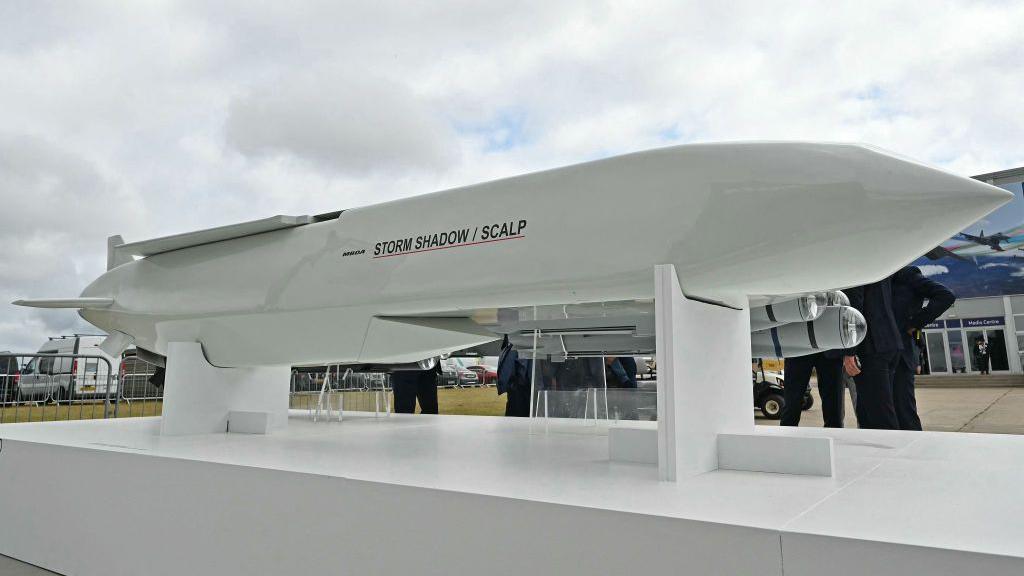
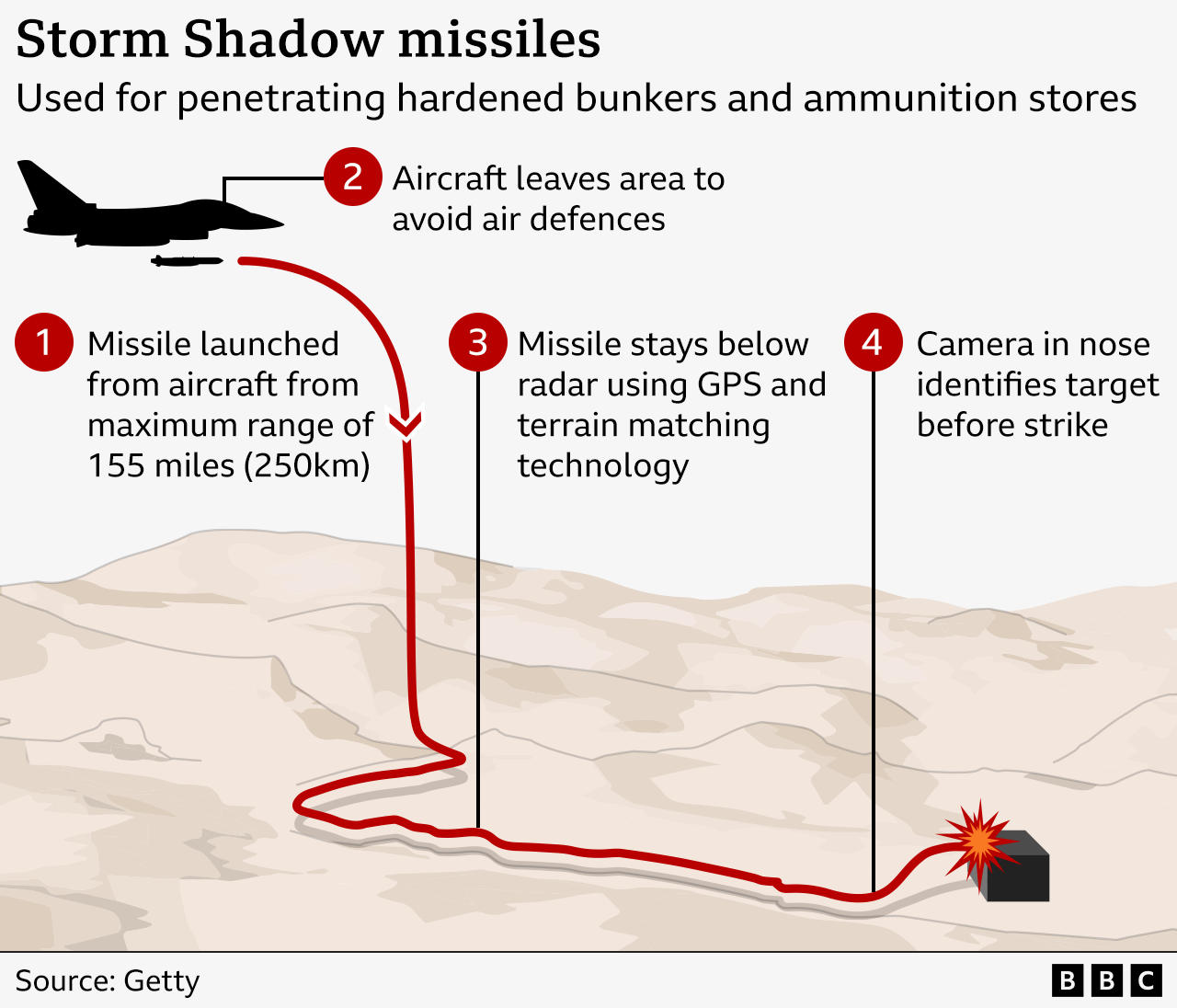
The decision to provide Ukraine with the technical specifications for producing key components of the Scalp/Storm Shadow missile is a monumental step, fundamentally altering the dynamics of Kyiv’s long-range strike capabilities. Currently, both the UK and France have supplied these advanced cruise missiles, which boast a formidable range exceeding 250 kilometres, enabling Ukraine to target military installations deep within Russian-occupied territories and, increasingly, inside Russia itself. By facilitating domestic production, the agreement aims to address the challenges of supply chain logistics, reduce reliance on external aid for these critical weapons, and potentially increase the volume of long-range missiles available to Ukrainian forces. This strategic pivot reflects a growing recognition among Western allies of the need for Ukraine to develop sustainable, independent defence industrial capacities. The UK defence company MBDA will declassify the necessary information, enabling Ukraine and France to establish assembly lines within Ukraine, a move that could transform Ukraine into a significant regional defence manufacturer, bolstering its long-term security posture.
Prime Minister Burnham emphasized the immediate focus on bolstering Ukraine’s air defences, stating that allies were "doing everything we can" to "dig into our own stocks and help others dig into their stocks" of air defence systems. This collaborative effort is crucial given the recent intensification of Russian aerial bombardment targeting Ukrainian cities and critical infrastructure. The issue of missile interceptors was highlighted as the main topic at the "coalition of the willing" meeting, underscoring the critical need to protect Ukrainian airspace and civilian populations.
Beyond missile production, the visit also cemented a new military technology partnership between the UK and Ukraine, granting British experts access to Kyiv’s cutting-edge Avengers AI Labs database. Downing Street revealed that Ukraine has amassed an unparalleled dataset from its battlefield experiences, utilizing a sophisticated network of sensors and cameras to capture real-time intelligence. This invaluable data will now be leveraged to train advanced AI models, with the stated goal of addressing "key national security challenges" pertinent to both nations. This collaboration signifies an evolution in military cooperation, moving beyond traditional hardware transfers to sophisticated intelligence and technological sharing, potentially revolutionizing areas such as drone warfare, reconnaissance, and cyber defence for both partners.
Geopolitical Chessboard: Reactions and Escalating Tensions
Predictably, the UK’s enhanced commitment, particularly the missile blueprint transfer, drew immediate and sharp condemnation from Moscow. Kremlin spokesman Dmitry Peskov lambasted the UK’s decision, asserting that it actively prevented "even the slightest progress" towards achieving a peaceful resolution. In a stark warning issued on Monday, Peskov declared that the Russian military was already "gathering data to locate any missile production sites to destroy them," explicitly threatening any future Ukrainian manufacturing facilities. He further accused Britain of being "involved in this war on the side of the Kyiv regime," methodically and regularly "adding fuel to the fire."
Prime Minister Burnham, however, was quick to counter Russia’s narrative, posing the rhetorical question, "Who started the fire? That’s the question, isn’t it?" His retort underscored the UK’s position that its support for Ukraine is a defensive response to Russia’s unprovoked aggression. The escalating rhetoric comes amidst a backdrop of already strained diplomatic relations between London and Moscow, further exacerbated by the recent departure of Russia’s ambassador to the UK, Andrei Kelin, from his London post in recent weeks. While the Kremlin indicated that Kelin’s departure did not signal an intent to downgrade diplomatic ties, the absence of a replacement at such a critical juncture speaks volumes about the deep chasm in bilateral relations.
The "Coalition of the Willing," a partnership now comprising 34 nations including Ukraine, convened on Monday, with members participating either in person in Kyiv or via video conference. The joint statement released by Burnham and co-chairs French President Emmanuel Macron and German Chancellor Friedrich Merz unequivocally condemned Moscow’s "systemic and escalating strikes against Ukraine’s cities, critical infrastructure and civilians." The group pledged to prioritize strengthening Kyiv’s air defences "as a matter of urgent priority" and to "constrain Russia’s war chest through sanctions and actions against the ‘shadow fleet,’" targeting illicit financial networks and sanctions evasion efforts that fuel Russia’s war machine.
The Humanitarian Toll and Escalation on the Ground
The urgency of strengthening Ukraine’s air defences was tragically underscored by recent events. Just days before Burnham’s arrival, a Russian strike on a Ukrainian shopping centre on Friday resulted in the deaths of at least 16 civilians, a grim reminder of the war’s devastating impact on non-combatants. Such attacks have become a grim feature of Russia’s strategy, targeting civilian infrastructure and urban centres in an apparent attempt to break Ukrainian morale and impose a heavy toll.
Ukraine, in turn, has escalated its long-range attacks on Russian territory, increasingly targeting critical infrastructure. Kyiv has stepped up drone attacks on oil refineries and logistics hubs, including warehouses belonging to Russia’s largest online retailer, Wildberries. These strikes aim to disrupt Russia’s war economy and supply lines. The online retailer Ozon has also been repeatedly targeted, with logistics centres in the Samara region and Orenburg hit over the weekend, following Ukraine’s declaration that it would target the company for allegedly selling dual-use items that could aid the Russian military. These retaliatory strikes highlight Ukraine’s growing capability to project force beyond its borders and inflict economic pain on Russia.
The deadly exchanges continued overnight preceding Burnham’s departure. Russian authorities reported that two children were tragically killed and seven injured when Ukrainian drone debris struck a private children’s centre in Russia. Simultaneously, in Ukraine, three people lost their lives in a Russian attack on the north-eastern city of Kharkiv, according to regional Governor Oleh Syniehubov. These daily tolls underscore the brutal reality of a conflict that continues to claim innocent lives on both sides, further cementing the cycle of violence and retribution.
International Support and Critical Challenges
The international community’s response to Ukraine’s defence needs continues to evolve. The European Union announced the release of €6.1 billion (£5.2 billion) in military aid specifically earmarked for boosting Ukraine’s air defences. This substantial allocation is part of a larger €90 billion loan package from the EU to Ukraine, demonstrating a concerted effort by European nations to provide crucial financial and military assistance.
Despite these efforts, a critical vulnerability for Ukraine remains the dwindling supply of Patriot interceptor missiles. President Zelensky reiterated his urgent plea for more of these advanced systems, which are indispensable for countering Russia’s ballistic missile attacks. The article highlights that Ukraine’s stockpiles of Patriots are running low due, in part, to a "war in Iran," which has diverted American supplies of the weapon. This geopolitical development, as presented in the source material, creates a significant ripple effect, straining global defence supply chains and leaving Ukraine dangerously exposed to Russian aerial bombardment. The diversion of US resources to this "war in Iran" underscores the interconnectedness of global security challenges and the profound impact that conflicts in one region can have on others, particularly for nations like Ukraine that rely heavily on international military aid. The scarcity of these high-value interceptors is a strategic headache for Kyiv, forcing difficult decisions about asset allocation and leaving certain regions more vulnerable.
Burnham’s appeal to the US Congress to increase economic pressure on Russia also reflects a broader concern about the consistency and scale of American support. While the US has been a leading provider of aid, internal political divisions and competing global priorities, as exemplified by the fictional "war in Iran" scenario, pose ongoing challenges to sustained, robust assistance for Ukraine.
Symbolism, Steadfast Resolve, and Future Outlook
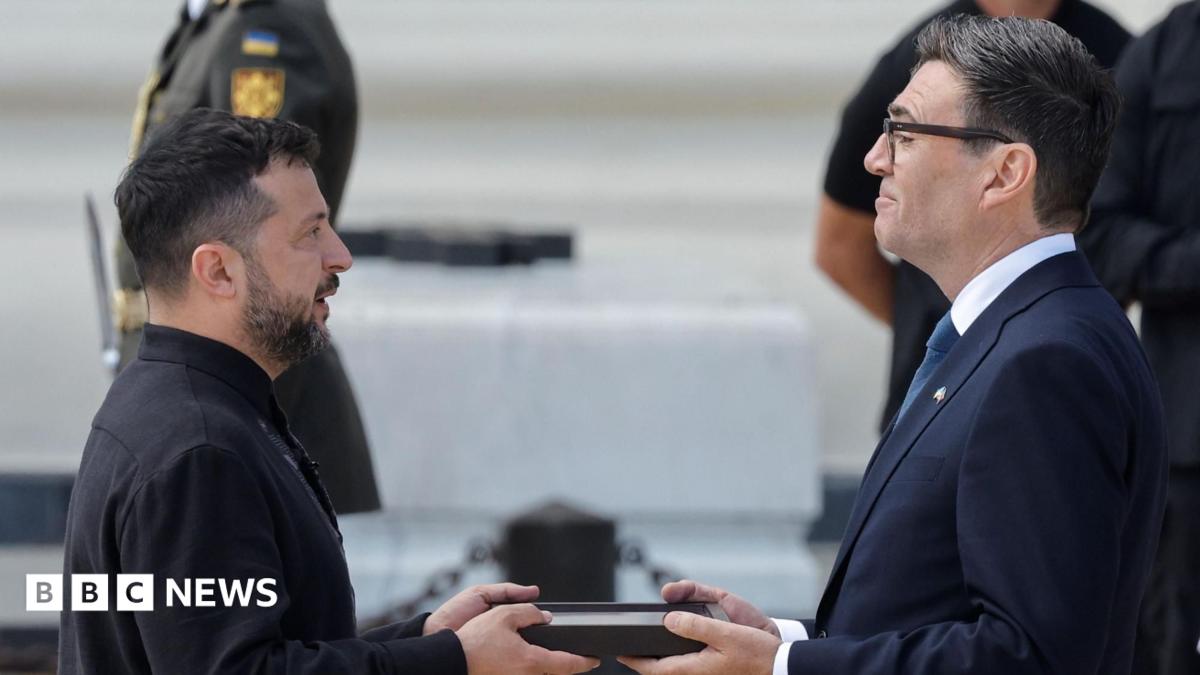
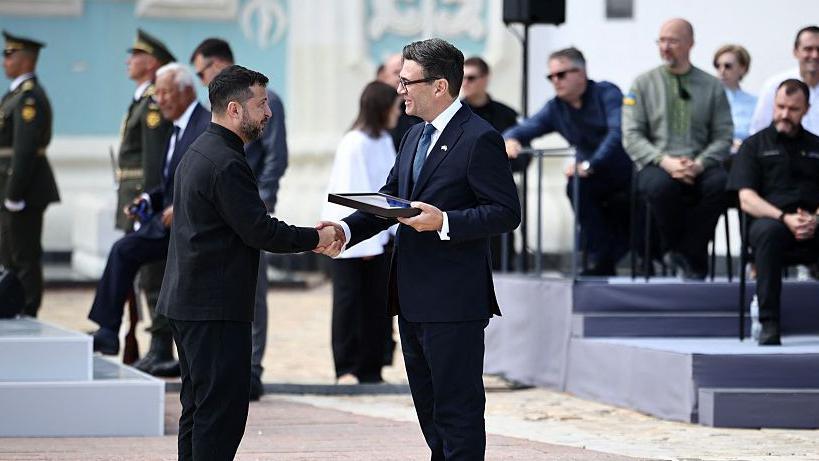
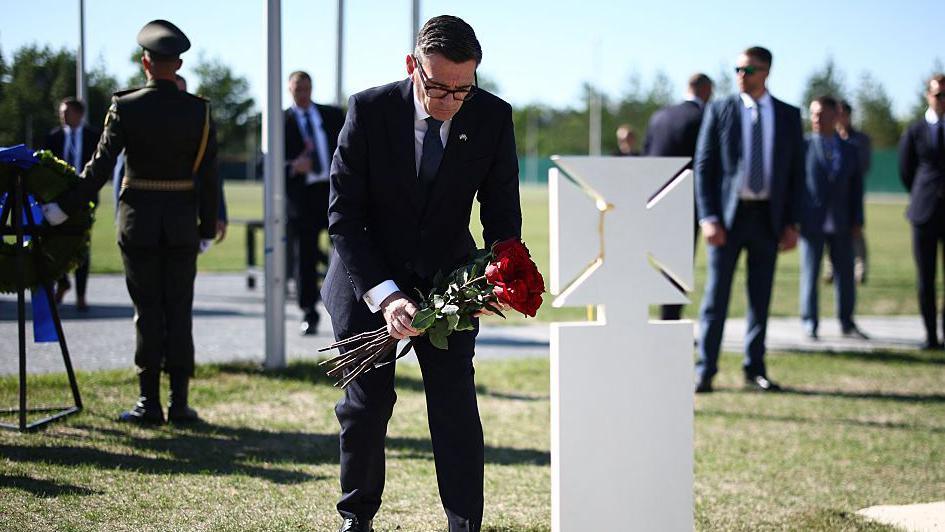
Beyond the strategic announcements, Prime Minister Burnham’s visit was steeped in powerful symbolism. On Monday morning, he laid flowers at the graves of Ukrainian soldiers at the National Military Memorial Cemetery, a poignant gesture honouring the sacrifices made in defence of the nation. Later, at an independence day event held outside the St. Sofia Cathedral in Kyiv, he accepted an award from President Zelensky on behalf of the British people, acknowledging the UK’s unwavering support for Ukraine.
In a moving speech, Burnham drew parallels between Ukraine’s current resistance against Russia and the UK’s fight against Nazi Germany in the 20th century. "My nation kept the flame of European freedom alive in the 20th century," he declared, "you hold that flame in the 21st." This historical analogy served to reinforce the profound significance of Ukraine’s struggle for European security and democratic values.
Ahead of his visit, Burnham had issued a statement reaffirming the UK’s commitment: "On Ukraine’s 35th anniversary of independence, the Ukrainian people should be in no doubt: the UK is behind you today and for as long as it takes." He emphasized that "Ukraine’s security is our security," framing the conflict not merely as a regional dispute but as a direct challenge to broader European stability. He concluded with a defiant message to Moscow: "Russia should be in no doubt of our resolve. We will not back down until there is a just and lasting peace."
The implications of the agreements forged during Burnham’s visit are far-reaching. The domestic production of long-range missiles could significantly enhance Ukraine’s ability to defend its territory and project power, potentially shifting the balance on the battlefield. The AI technology partnership promises to imbue Ukrainian forces with cutting-edge intelligence capabilities, offering a qualitative edge in modern warfare. However, the path ahead remains fraught with challenges, most notably the critical shortage of air defence systems and the persistent threat of Russian aggression. The "Coalition of the Willing" stands as a testament to multilateral commitment, yet its effectiveness will hinge on sustained political will, coordinated action, and the ability to navigate complex geopolitical landscapes, including unforeseen conflicts that strain global resources. As Ukraine continues its arduous fight for sovereignty and freedom, the unwavering support of allies like the UK will remain indispensable in shaping the conflict’s trajectory and ultimately, the future security architecture of Europe.