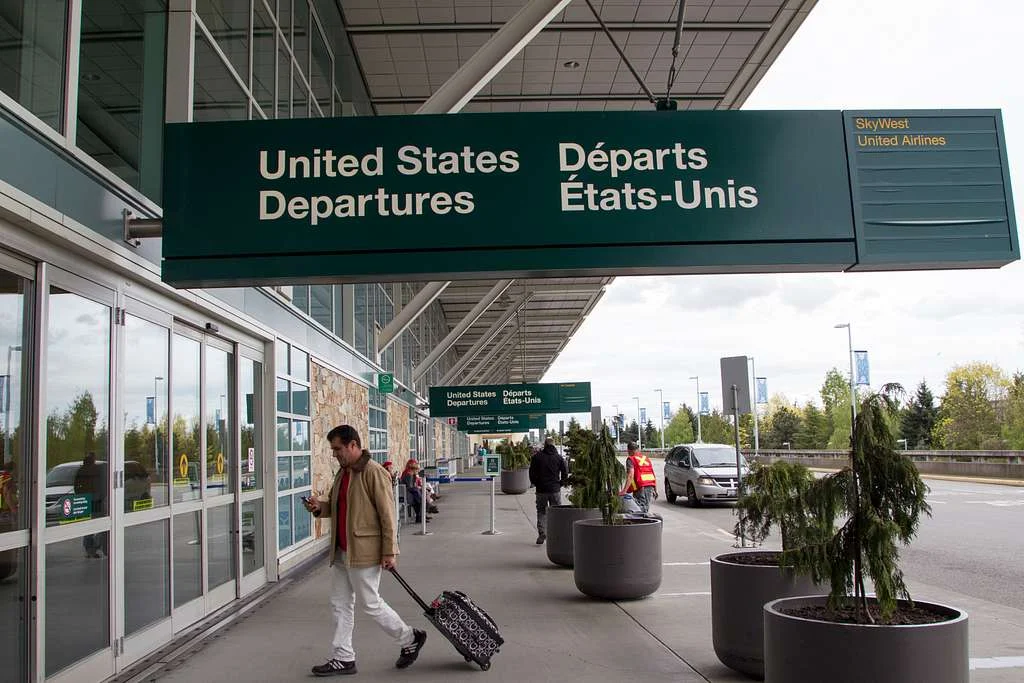
The landscape of North American tourism underwent a significant shift in August as Canadian residents increased their travel to the United States by 8.8%, defying widespread industry concerns regarding the impact of an escalating trade war between the two nations. According to the latest data released by Statistics Canada, this surge represents the fifth consecutive month of year-over-year growth, offering a glimmer of hope to U.S. travel executives who had previously braced for a sharp decline in cross-border arrivals. The figures, which track return trips from the U.S. by Canadian residents, highlight a resilient appetite for American travel despite a political climate characterized by tariffs, retaliatory measures, and heightened diplomatic friction.
The growth in August was driven by both land and air travel, though at varying intensities. Statistics Canada reported that return trips by automobile saw a robust increase of 9.9%, while return trips by air rose by a more modest 3.6%. While these figures suggest a burgeoning rebound, industry analysts caution that the recovery remains fragile. The current upward trend is heavily influenced by what the agency describes as a "base-year effect." This statistical phenomenon occurs when current growth percentages appear high because they are being compared to a period of exceptionally low activity—in this case, the significant downturn in Canadian travel observed during the height of the trade dispute in the previous year.
The Statistical Context of the August Rebound
To understand the current state of North American tourism, it is necessary to examine the sheer volume of travel relative to historical benchmarks. Despite the 8.8% month-over-month increase, Canadian travel to the United States has yet to reach the levels seen in early 2024. The data from Statistics Canada indicates that return trips by automobile last month were still 27.4% lower than they were two years ago. Similarly, return trips by air remained 22.7% below the levels recorded in the same period in 2024.
This disparity underscores the long road ahead for the travel sector. The 2024 period serves as a crucial baseline because it predates the most severe escalations of the trade war, which saw the imposition of sweeping tariffs on Canadian aluminum and steel, followed by Canadian countermeasures on a wide array of U.S. consumer goods. The subsequent cooling of diplomatic relations had a cooling effect on tourism, as fluctuating currency exchange rates and nationalistic sentiment discouraged discretionary cross-border trips.
The "base-year effect" identified by Statistics Canada suggests that while the 8.8% growth is a positive indicator, it represents a stabilization rather than a full-scale return to normalcy. Travel executives are closely monitoring whether this momentum can be sustained into the final quarter of the year, particularly as the "snowbird" season—when thousands of Canadians migrate to warmer U.S. climates for the winter—approaches.
Chronology of Trade Tensions and Travel Impacts
The relationship between trade policy and tourism has been particularly pronounced over the last eighteen months. The timeline of these events provides essential context for the current fluctuations in travel data:
- Early 2024: Trade relations between Ottawa and Washington began to sour over disagreements regarding digital services taxes and dairy quotas. Despite these tensions, travel remained robust, reaching near-peak levels as post-pandemic demand continued to drive Canadian interest in U.S. destinations.
- Late 2024: The introduction of aggressive tariffs on Canadian exports led to a sharp devaluation of the Canadian dollar. By December 2024, travel figures began to plummet as the cost of vacationing in the U.S. became prohibitive for many Canadian families.
- Early 2025: A series of retaliatory measures targeted U.S. agricultural products and manufactured goods. Travel trends among Canadian residents shifted alongside the political temperature, with many opting for domestic vacations or international travel to Europe and Mexico instead of the United States.
- Spring 2025: The first signs of a "floor" in the travel decline appeared. While numbers were still significantly lower than in previous years, the rate of decline slowed, setting the stage for the year-over-year increases seen in the summer of 2025.
- August 2025: The current reporting period shows an 8.8% jump, marking the most significant monthly gain since the trade war began, despite the absence of a formal resolution to the underlying economic disputes.
Industry Reactions and Economic Implications
The reaction from the U.S. travel and hospitality industry has been one of "cautious optimism." For states bordering Canada, such as New York, Michigan, and Washington, the return of Canadian shoppers and weekend tourists is vital for local economies. In Buffalo, New York, where Canadian visitors historically account for a significant portion of retail and airport traffic, the 9.9% increase in automobile crossings has been welcomed by local business owners.
"The Canadian traveler is the lifeblood of the border economy," noted a representative from a regional tourism coalition. "While we are still far from the 2024 peaks, seeing five months of consecutive growth suggests that the personal and economic ties between our two nations are stronger than the temporary headwinds of trade policy."
However, airline executives remain more conservative in their outlook. The 3.6% growth in air travel lags behind automobile travel, suggesting that Canadians are still price-sensitive and perhaps opting for shorter, drivable trips over more expensive flights. Major carriers have adjusted their transborder capacities several times over the past year, and the current data suggests that while demand is returning, it has not yet reached a level that justifies a full restoration of flight frequencies to pre-conflict levels.
On the Canadian side, the motivation for the increase in travel is multifaceted. Economic analysts point to a slight stabilization in the Canadian dollar and a plateauing of inflation as factors that have restored some purchasing power to Canadian consumers. Additionally, there is a "fatigue factor" regarding trade tensions; after a year of avoiding the U.S. for political or economic reasons, many Canadians appear to be returning to familiar vacation spots and visiting family members across the border.
Analyzing the "Base-Year Effect" and Future Projections
The reliance on the "base-year effect" to explain the current growth highlights the volatility of the data. Statistics Canada has been transparent in noting that the current gains are "bouncing off a low base." In August of the previous year, travel had reached a multi-year low, making any increase this year appear more dramatic in percentage terms than it is in absolute volume.
For the travel industry to see a true recovery, several factors must align:
- Currency Stability: The Canadian dollar must remain competitive against the U.S. dollar to ensure that the cost of lodging, dining, and shopping in the U.S. remains attractive to Canadians.
- Trade De-escalation: While travelers are returning despite the trade war, a formal easing of tariffs would likely provide a psychological boost to the market and potentially lower the costs of cross-border services.
- Incentivization: U.S. destinations that rely heavily on Canadian visitors, particularly in the Sun Belt, may need to increase marketing efforts and offer Canadian-specific discounts to bridge the gap left by the 22.7% to 27.4% deficit compared to 2024 levels.
The Broader Impact on North American Integration
The fluctuations in travel data serve as a barometer for the broader health of the North American relationship. The fact that travel increased by nearly 9% during a period of trade hostility suggests a level of social and economic integration that is difficult to sever. However, the 27.4% gap in automobile travel compared to two years ago is a stark reminder of the damage that trade disputes can inflict on the service sector.
Tourism is often the "invisible" casualty of trade wars. While the focus of policy discussions remains on steel, aluminum, and softwood lumber, the ripple effects on hotels, theme parks, and small businesses in border towns are substantial. The August data suggests that the sector is beginning to heal, but the scars of the 2024-2025 trade conflict remain visible in the statistics.
As the industry looks toward 2026, the focus will shift from simple recovery to sustainable growth. If the current trend of year-over-year increases continues, the gap between current travel levels and the 2024 benchmark may begin to close. However, with political uncertainty still looming over trade negotiations, the path forward remains unpredictable.
Conclusion
The 8.8% increase in Canadian travel to the United States in August provides a much-needed reprieve for a travel industry that has been under siege by geopolitical and economic forces. While the "base-year effect" tempers the excitement of these figures, the five-month streak of growth indicates a resilient demand for cross-border movement. As Canadian residents continue to navigate the complexities of a fluctuating dollar and a tense trade environment, their return to U.S. roads and skies signals a tentative step toward the restoration of one of the world’s most significant tourism corridors. The coming months will be a critical test of whether this rebound can withstand the ongoing pressures of the North American trade war or if the recovery will remain stalled below the heights of previous years.