


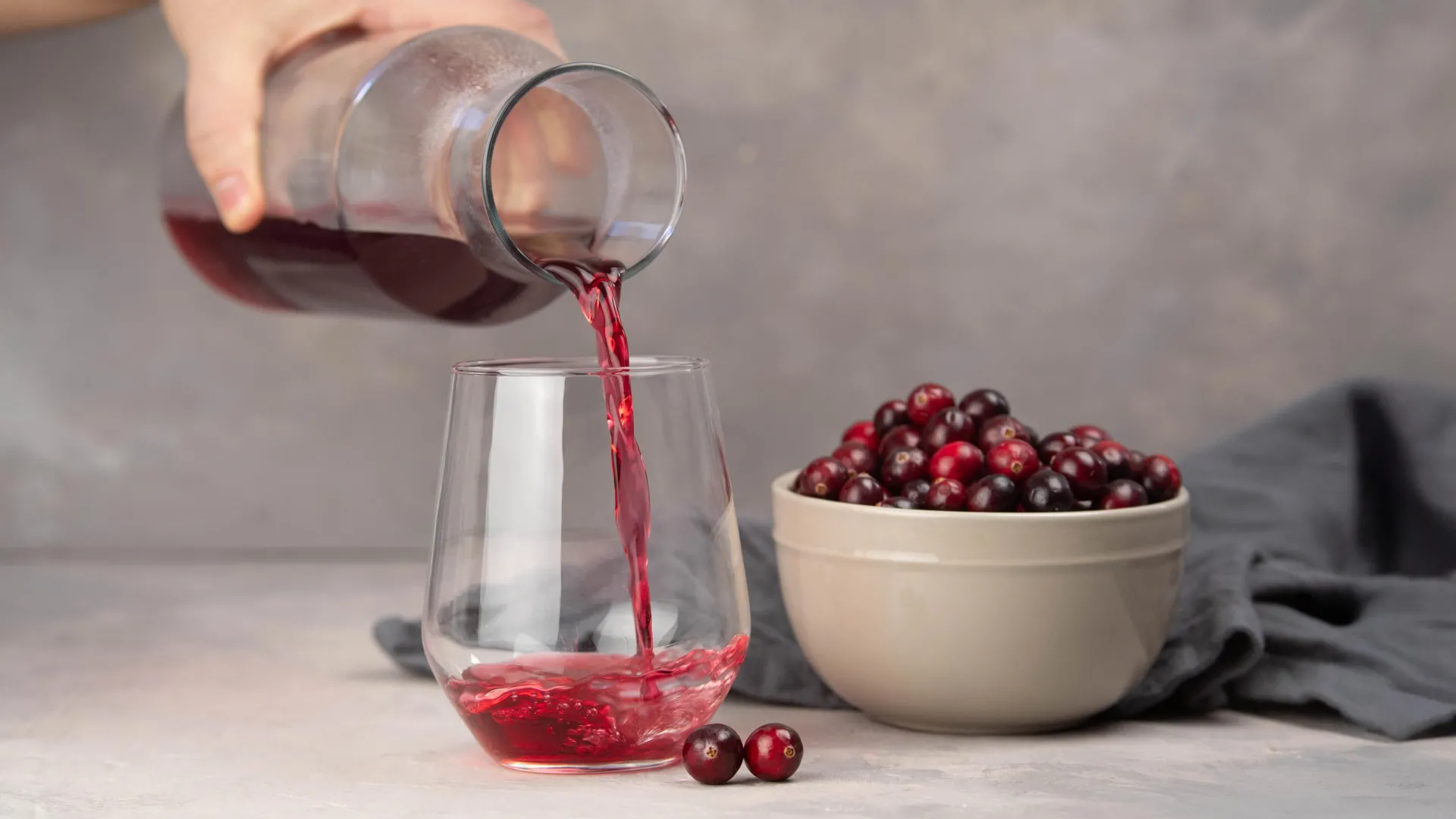
New research emerging from the University of Illinois Chicago College of Dentistry suggests that a familiar tart beverage, pure unsweetened cranberry juice, may hold a previously unrecognized key to bolstering oral health. Beyond its traditional association with preventing urinary tract infections, this potent red fruit extract appears to possess the remarkable ability to inhibit the growth of dental plaque and significantly reduce the production of acids that are the primary drivers of tooth decay. This groundbreaking discovery, published in the esteemed journal Scientific Reports, challenges long-held perceptions about the acidity and sugar content of cranberry juice and opens exciting new avenues for functional beverages aimed at improving dental hygiene.
The study, led by Christine Wu, a distinguished researcher and professor of pediatric dentistry at the University of Illinois Chicago, delves into the specific mechanisms by which compounds found naturally in cranberries interact with the complex microbial ecosystem of the human mouth. For decades, cranberries have been recognized for their therapeutic properties, largely attributed to their rich content of proanthocyanidins (PACs). These powerful antioxidants are known to interfere with the adhesion of certain bacteria, most notably Escherichia coli (E. coli), to host cells, thereby preventing infections. Wu’s pivotal question was whether these same PACs, or other cranberry constituents, could exert a similar inhibitory effect on the bacteria that form dental plaque.
Unveiling the Oral Health Potential of Cranberries
Cranberries, a staple of North American autumnal harvests, have long been celebrated for their vibrant color, distinctive tartness, and versatility in culinary applications. From festive cranberry sauces gracing holiday tables to their inclusion in salads, relishes, and beverages, these small berries are deeply embedded in cultural traditions. However, their health benefits have primarily been explored in the context of urinary tract health, where their ability to prevent bacterial adhesion has been well-documented. The notion that they could also play a significant role in combating the pervasive issue of dental caries, or tooth decay, represents a significant expansion of our understanding of their therapeutic scope.
The genesis of this research can be traced back to Wu’s broader interest in the intricate relationship between diet and oral health. "Just like sugar damage is linked to diet, I’m interested in how the food and beverages we consume can help combat the harmful bacteria and benefit our oral health," Wu stated, articulating a research philosophy that bridges nutritional science with dental medicine. This perspective is crucial, as the vast majority of oral health interventions focus on mechanical removal of plaque and the use of antimicrobial agents, often overlooking the potential of dietary components to act as proactive protective agents.
The Science Behind the Study: Methodology and Participants
To rigorously investigate the potential of cranberry juice in an oral health context, Wu and her team designed a human study that moved beyond the limitations of laboratory-based extracts, opting instead to test readily available, commercially produced beverages. This approach aimed to provide a more realistic assessment of the beverage’s impact on individuals in their everyday lives. The study involved a cohort of 22 participants, comprising 14 children and 8 adults, a demographic selection that is particularly relevant given the high prevalence of dental caries in pediatric populations.
The participants were randomly assigned to one of three beverage groups:
- Pure, Unsweetened 100% Cranberry Juice: This group received the beverage in its most concentrated and unadulterated form, allowing for a direct assessment of the natural compounds present.
- Cranberry Juice Cocktail: This group consumed a beverage containing approximately 27% cranberry juice, but with added sugars and other ingredients, reflecting a common consumer product.
- Plain Water: This served as the control group, providing a baseline for comparison against the effects of the cranberry-based beverages.
The decision to include a cranberry juice cocktail was a deliberate one, designed to address potential variations in the marketplace and consumer accessibility. It also served to highlight whether the observed benefits were attributable to the inherent properties of the cranberry juice itself or were influenced by the addition of sugars and other components often found in sweetened versions. The inclusion of children in the study was highlighted by Wu as a critical aspect, noting the relative scarcity of research on cranberry juice’s oral health effects in younger populations.
The experimental protocol was meticulously planned to capture short-term effects. On the morning of the experiment, participants arrived at the research facility with naturally accumulated overnight dental plaque. Researchers carefully collected initial plaque samples from one side of each participant’s mouth using sterile cotton swabs. Following this baseline collection, participants were instructed to rinse their mouths with water. They then consumed three small, measured amounts of their assigned beverage. A key element of the protocol was the instruction to swish each drink around their mouths thoroughly for several seconds before swallowing, ensuring direct and prolonged contact between the beverage and the oral surfaces, including the plaque.
Thirty minutes after the final consumption, a second set of plaque samples was collected. This time, samples were taken from teeth that had not been swabbed in the initial collection, thereby ensuring that the second samples represented plaque that had been exposed to the respective beverages. The comparative analysis of these pre- and post-exposure plaque samples allowed the research team to evaluate the immediate impact of each beverage on plaque composition, bacterial activity, and acid production.
Significant Findings: Plaque Regrowth and Acid Neutralization
The results of the study yielded compelling evidence of cranberry juice’s positive influence on oral health. The plaque samples exposed to pure, unsweetened 100% cranberry juice demonstrated a significantly slower rate of regrowth compared to the unexposed control samples. This suggests that the cranberry juice actively inhibits the proliferation of plaque-forming bacteria.
Even more critically, the researchers observed a marked reduction in acid production within the dental plaque of both children and adults who swished with pure cranberry juice. This finding is of paramount importance, as the acids produced by oral bacteria, primarily from the fermentation of dietary sugars, are the principal culprits in the erosion of tooth enamel. This gradual demineralization process ultimately leads to the formation of cavities.
The study’s implications suggest that pure cranberry juice may disrupt two fundamental processes that contribute to tooth decay:
- Plaque Buildup: By inhibiting the growth of bacterial colonies, cranberry juice can help to mitigate the formation of plaque, a sticky film that harbors harmful bacteria.
- Acid Production: By reducing the metabolic activity of oral bacteria, cranberry juice can lower the output of acids, thereby protecting tooth enamel from demineralization.
These dual mechanisms of action position cranberry juice as a potential "functional beverage," a product that offers health benefits beyond basic nutrition. This is particularly noteworthy when contrasted with other commonly consumed fruit juices. Wu pointed out that studies involving juices like orange and apple juice have not yielded similar promising results in this research context, underscoring the unique properties of cranberries.
"Most people think of cranberry juice as very sour, very acidic and sugary, and therefore may not contribute positively to oral health," Wu remarked, acknowledging the prevailing consumer perception. "This study found the opposite: that cranberry juice affected dental plaque regrowth and acid production, which may counteract some of the damage done by sugar." This observation is particularly counterintuitive, as the inherent tartness of cranberries is often associated with high acidity, which one might expect to be detrimental to enamel. However, the study indicates that the overall effect, when considering the interaction with plaque bacteria, is protective.
Background Context and Broader Implications
The investigation into cranberry juice’s oral health benefits is part of a growing scientific movement to explore natural compounds for disease prevention and management. For years, the focus on oral health has been largely reactive, centered on brushing, flossing, and dental treatments for existing problems. However, there is a significant shift towards proactive and preventive strategies. The discovery that a common dietary item like cranberry juice could contribute to this preventive arsenal is a significant development.
Historically, research into cranberry’s health benefits primarily focused on its efficacy against urinary tract infections (UTIs). This area has been studied extensively since the mid-20th century, with numerous clinical trials and meta-analyses confirming the role of cranberry products in reducing the incidence of UTIs, particularly in women. The mechanism was largely understood to be the inhibition of E. coli adherence to the uroepithelial cells by A-type proanthocyanidins. Wu’s research cleverly extrapolated this known mechanism to the oral cavity, hypothesizing that similar interactions could occur with oral bacteria.
The potential implications of this research are far-reaching. If regular consumption of pure cranberry juice, or its incorporation into oral care routines, can demonstrably reduce plaque formation and acid production, it could lead to a significant decrease in the global burden of dental caries. Dental caries is one of the most prevalent non-communicable diseases worldwide, affecting millions of individuals across all age groups and socioeconomic strata. The economic cost of treating dental caries, including fillings, crowns, and root canals, is substantial. Furthermore, untreated dental decay can lead to pain, infection, and systemic health problems.
The development of cranberry juice as a "functional beverage" for oral health could also offer an alternative or complementary approach to existing oral hygiene practices. This is particularly relevant for individuals who may struggle with consistent mechanical plaque removal or for whom traditional antimicrobial mouthwashes are not suitable.
Future Directions and Expert Reactions
While the findings are undeniably promising, the researchers are quick to emphasize the need for further, more extensive investigation. The current study, while innovative in its methodology and participant selection, had a limited sample size (22 participants) and a short testing period (30 minutes post-consumption). These parameters are insufficient to establish long-term efficacy or to definitively conclude that regular consumption of cranberry juice prevents cavities or leads to lasting improvements in dental health.
Larger, longitudinal studies are essential to confirm whether the observed short-term effects on dental plaque translate into significant reductions in caries incidence over time. Such studies would need to monitor participants over months or even years, controlling for dietary habits, oral hygiene practices, and other relevant factors.
The practical application of these findings also presents challenges. The intensely tart flavor of pure, unsweetened cranberry juice can be off-putting to many consumers, particularly children. Wu acknowledged this hurdle, suggesting that future iterations of cranberry-based oral health products might incorporate appropriate sugar substitutes to enhance palatability without compromising the beneficial effects. This opens the door for the development of cranberry-infused mouthwashes, toothpastes, or even specially formulated beverages designed for oral hygiene.
The research team’s dedication to using commercially available products and including children in their study has been met with enthusiasm from other professionals in the dental field. Dr. Sarah Jenkins, a pediatric dentist not involved in the study, commented, "This research is exciting because it validates what many of us have suspected – that natural dietary components can have a profound impact on oral health. The focus on pure juice and its inclusion of children are particularly important steps forward. It offers a potential avenue for parents looking for natural ways to support their children’s dental well-being."
Another expert, Dr. Mark Thompson, a periodontist, added, "The ability of cranberry juice to inhibit both plaque regrowth and acid production is a significant finding. Plaque is the root cause of many oral diseases, including gingivitis and periodontitis, in addition to caries. If these compounds can effectively modulate plaque behavior, we may see applications beyond just cavity prevention."
Conclusion: A Promising Frontier in Oral Health
The research published in Scientific Reports marks a significant advancement in understanding the complex interplay between diet and oral health. Pure, unsweetened cranberry juice, once primarily recognized for its role in urinary tract health, has emerged as a potential contender in the fight against dental plaque and tooth decay. By inhibiting bacterial regrowth and reducing acid production, this tart beverage offers a promising, naturally derived approach to bolstering dental defenses. While further extensive research is warranted to solidify these findings and explore practical applications, this study opens a new and exciting frontier in the pursuit of optimal oral hygiene, potentially transforming how we think about the role of everyday foods and beverages in maintaining healthy smiles. The future may well see cranberry juice, or products derived from its potent compounds, playing a vital role in our daily oral care routines.