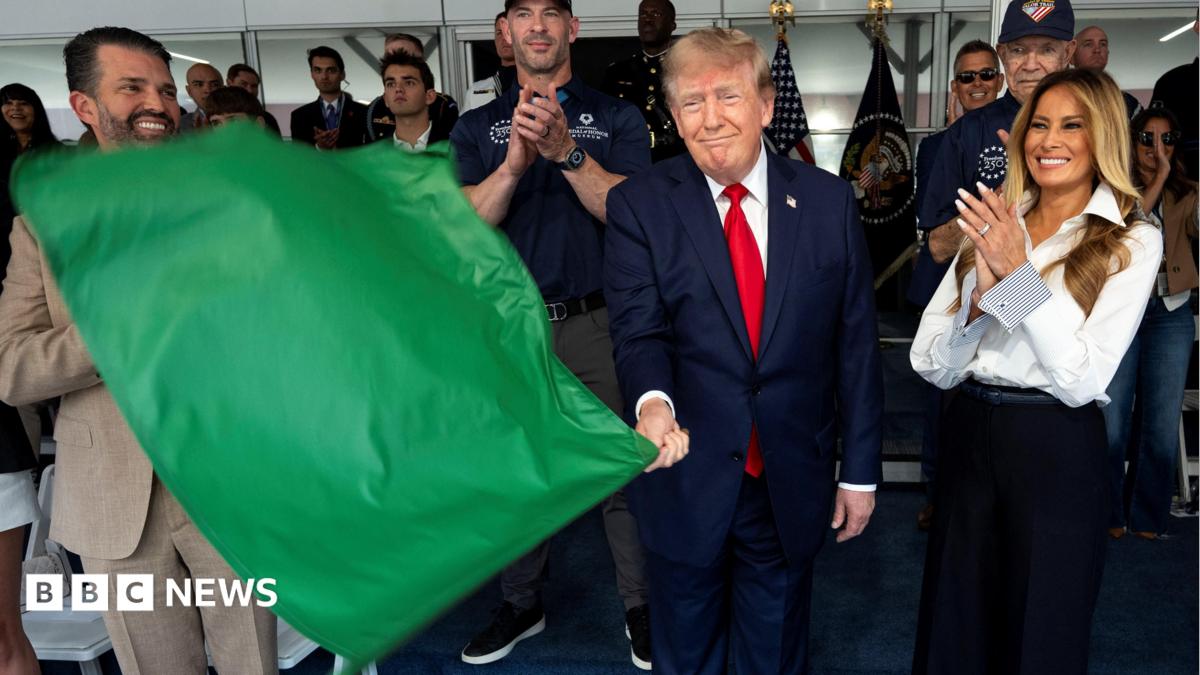
Washington D.C. witnessed an unprecedented fusion of high-octane motorsports and national commemoration on Sunday, as the Freedom 250 Grand Prix, an IndyCar road race, roared through the capital’s historic streets. The event, a centerpiece of the United States’ ongoing 250th birthday celebrations, drew hundreds of thousands of spectators and featured a prominent appearance by US President Donald Trump and First Lady Melania Trump, underscoring its dual significance as a sporting spectacle and a patriotic milestone.
Presidential Presence and a Grand Spectacle
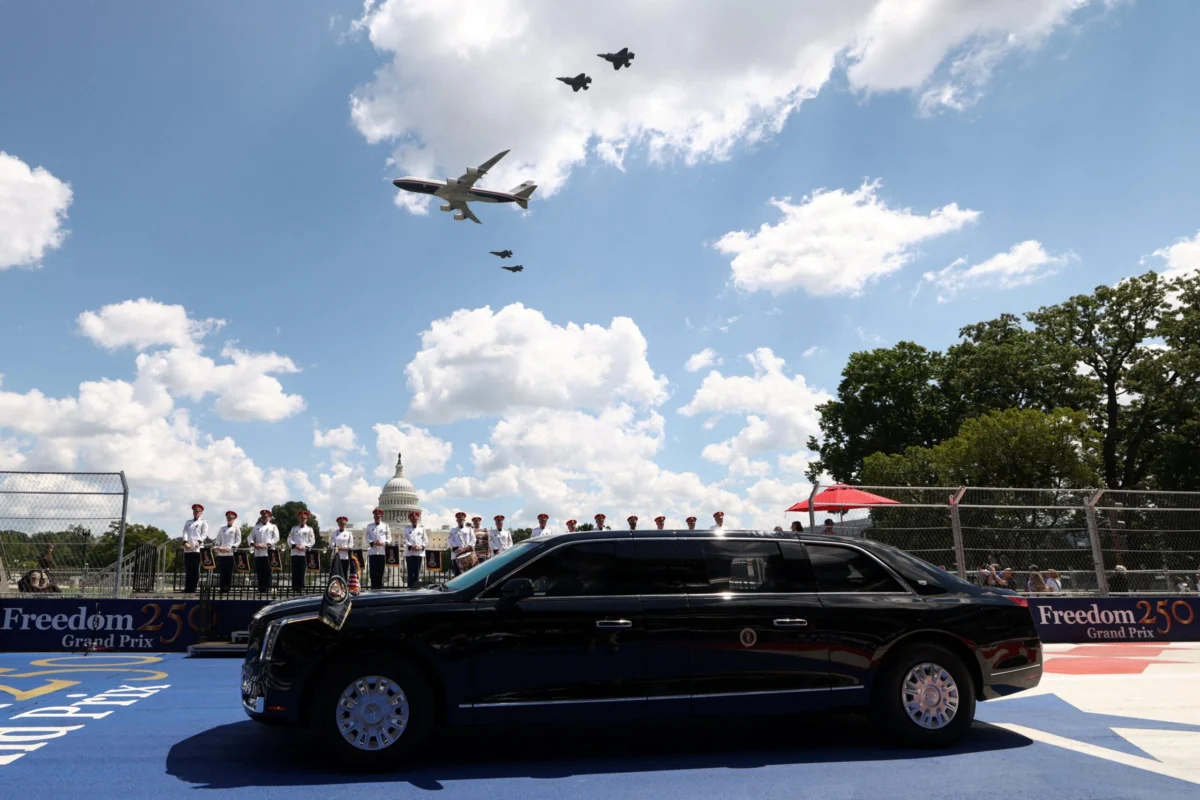
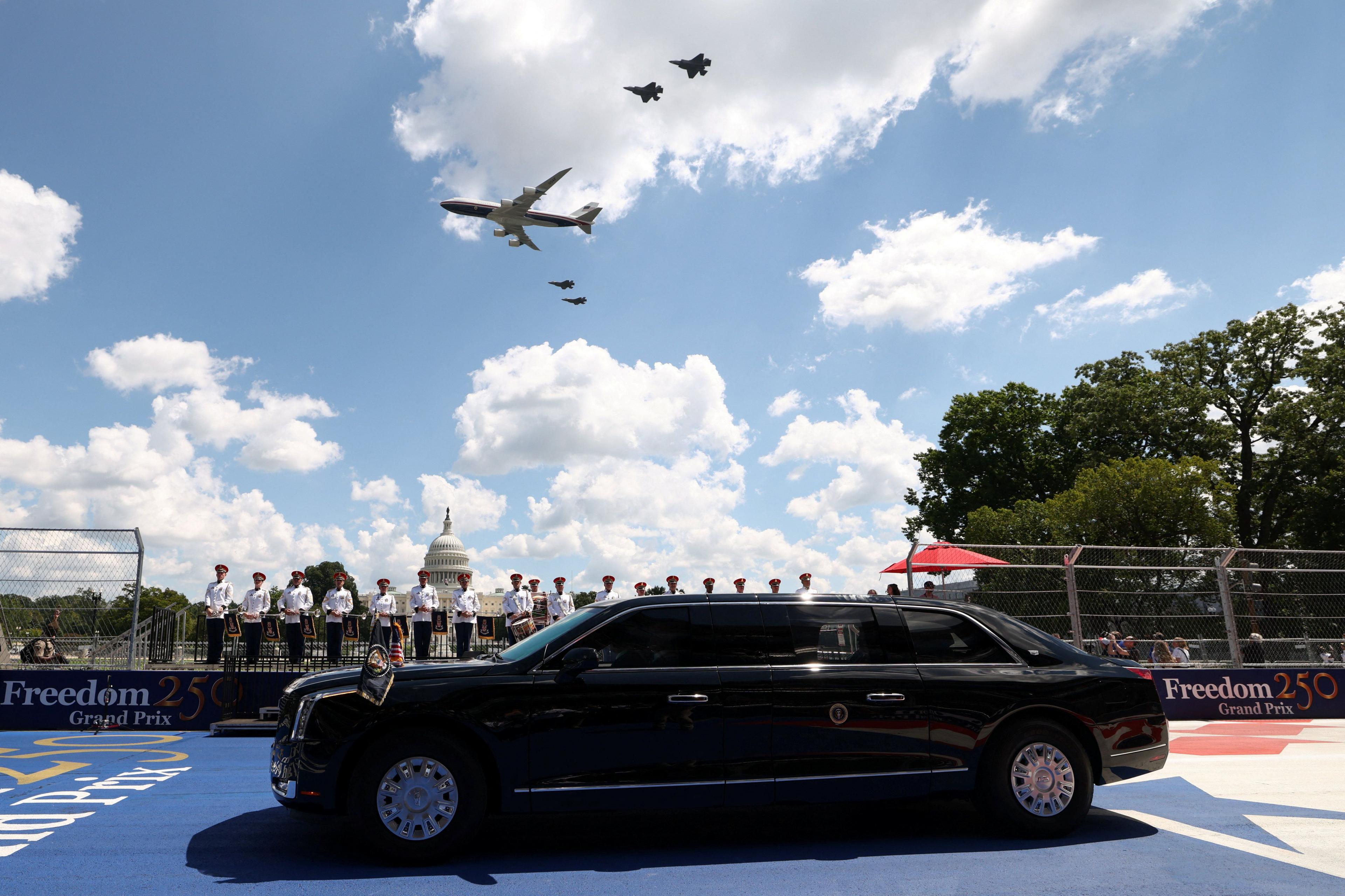
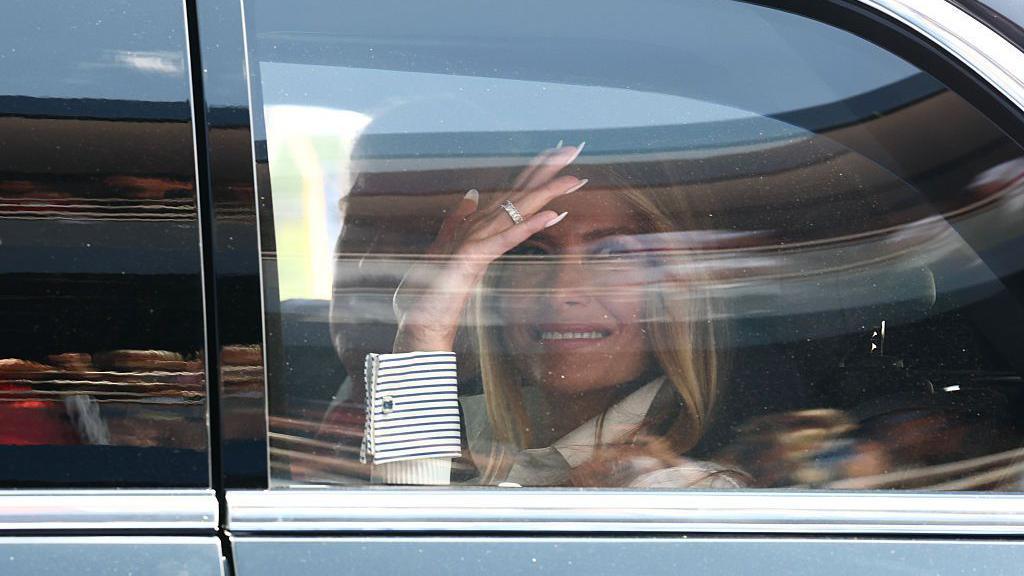
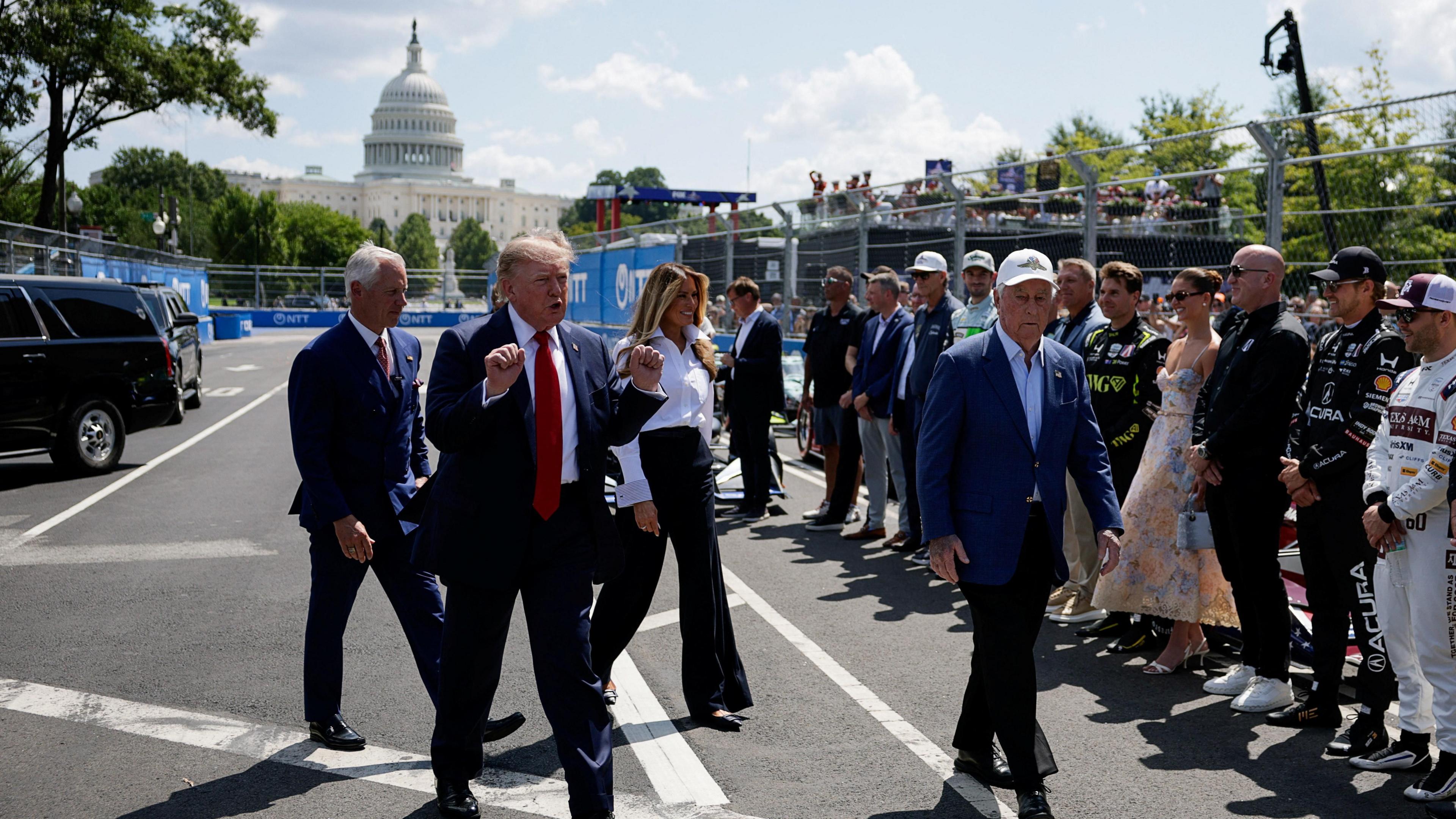
President Trump’s involvement added a distinct layer of pageantry to the already momentous occasion. Accompanied by First Lady Melania Trump, the President embarked on a ceremonial lap of the 1.7-mile urban circuit in "The Beast," his heavily armored presidential limousine. This symbolic drive, a rare sight on a professional race track, was met with enthusiastic cheers from the gathered crowds. The presidential motorcade’s stately progress was dramatically punctuated as the newly commissioned Air Force One soared overhead, performing a precise flyover directly above the finish line. This coordinated display of executive power and cutting-edge aviation served as a powerful visual metaphor for national strength and celebration, captivating both motorsports enthusiasts and patriotic onlookers alike. The President’s presence, characterized by his characteristic fist pumps and waves, solidified the event’s status as a high-profile national affair, aligning it with other grand spectacles he has championed, such as an Ultimate Fighting Championship event on the White House lawn and elaborate Fourth of July fireworks displays held earlier in the summer.
The Freedom 250 Grand Prix: A Historic Inauguration
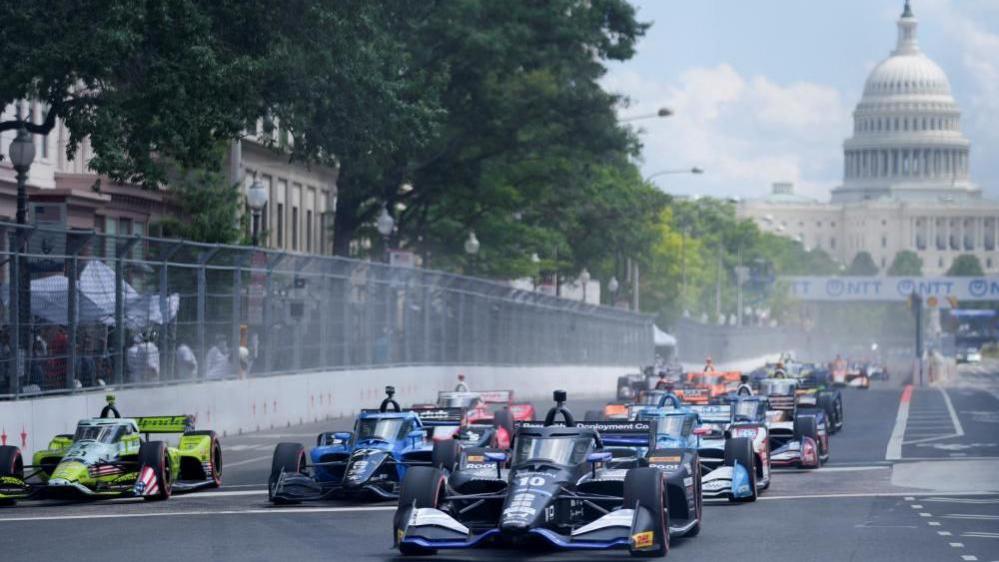
The Freedom 250 Grand Prix marked a monumental first for the nation’s capital, as it was the inaugural professional road race ever hosted within Washington D.C.’s urban core. Known for its meticulously planned urban layout and traditionally conservative speed limits – capped at 55 mph (89 km/h), the lowest in the United States – the transformation of its streets into a high-speed racing circuit was a stark and thrilling contrast. On this historic Sunday, the usual hum of city traffic was replaced by the deafening roar of IndyCars, reaching speeds of up to 190 mph (306 km/h) as 25 elite professional drivers navigated the challenging course.
The race itself was meticulously designed to honor the nation’s 250th anniversary. The circuit comprised 147 grueling laps, totaling exactly 250 miles – a direct nod to the Semiquincentennial. The course was not merely a test of speed but also of precision, featuring seven crucial turns that demanded peak performance and strategic maneuvering from the drivers. Spectators lined the temporary grandstands and vantage points, witnessing these powerful machines race past some of America’s most iconic landmarks, including the majestic Washington Monument and the array of world-renowned museums along the National Mall. The finish line itself was strategically placed to offer a breathtaking backdrop of the United States Capitol building, providing a visually stunning panorama that blended the thrill of sport with the grandeur of American democracy.
Understanding IndyCar Racing
To fully appreciate the significance of the Freedom 250 Grand Prix, it is essential to understand the nature of IndyCar racing. Often compared to Formula 1 (F1), the IndyCar Series is a premier open-wheel, single-seater racing championship in North America. While both feature high-speed, technologically advanced vehicles, there are fundamental differences. Unlike F1, where teams design and manufacture their chassis and engines, IndyCar regulations promote a more level playing field by standardizing chassis components and limiting engine suppliers to two manufacturers: Chevrolet and Honda. This approach emphasizes driver skill and team strategy over pure technological superiority, contributing to highly competitive races.
IndyCars are renowned for their raw speed, especially on oval tracks where they can exceed 230 mph (370 km/h). On street circuits like the one in D.C., while top speeds are lower due to tighter turns and shorter straights, the challenge shifts to precision, braking, and quick acceleration out of corners. The Dallara IR-18 chassis, powered by a 2.2-liter twin-turbocharged V6 engine, produces approximately 700 horsepower, making these cars incredibly dynamic and demanding to drive on any circuit, let alone a temporary one carved out of a bustling city. The series attracts a diverse field of international and American drivers, all vying for one of motorsport’s most coveted titles, the NTT IndyCar Series championship.
America250: A Nationwide Commemoration
The Freedom 250 Grand Prix was not an isolated event but a capstone in a series of initiatives commemorating the 250th anniversary of the United States’ founding in 1776. The "America250" initiative is a multi-year, nationwide effort to engage all Americans in celebrating the nation’s history, inspiring a deeper understanding of its principles, and encouraging civic participation. This includes educational programs, cultural events, and public spectacles designed to reflect on the past, assess the present, and envision the future of the nation.
The choice of a high-profile motorsports event in the capital for this celebration speaks to a broader strategy of engaging diverse segments of the American public, moving beyond traditional historical commemorations to embrace contemporary cultural phenomena. The events planned under the America250 umbrella aim to be inclusive, reflecting the multifaceted tapestry of American identity and experience over two and a half centuries. By integrating a sport with a passionate fan base into the national anniversary, organizers sought to create a memorable and unifying experience that transcended typical civic functions.
A Logistical Masterpiece and Urban Impact
Hosting a professional road race of this magnitude in a city like Washington D.C. presented an enormous logistical and security challenge. The undertaking required meticulous planning and execution over many months. Critical infrastructure adjustments were necessary, including the resurfacing of major roads to meet the stringent safety and performance standards demanded by IndyCar. To prevent disruptions from the high-speed race, hundreds of manholes along the 1.7-mile circuit had to be securely bolted down, a testament to the granular detail involved in race preparation.
The impact on daily city life was substantial. Widespread road closures, necessary for both safety and track construction, began days in advance, significantly altering traffic patterns and public transportation routes. City officials and traffic management teams worked tirelessly to mitigate congestion and provide alternative routes, issuing frequent public advisories.
Security was paramount, especially with the President’s attendance. The Secret Service, in conjunction with local and federal law enforcement agencies, implemented a comprehensive security perimeter, including enhanced surveillance, access controls, and rapid response units. Furthermore, the event necessitated a three-hour airspace closure over Ronald Reagan Washington National Airport (DCA), which primarily handles domestic flights, to accommodate the military flyover, impacting hundreds of scheduled flights and thousands of travelers.
Beyond the immediate disruptions, the event also prompted concerns for the city’s cultural treasures. The National Gallery of Art, situated near the race circuit, undertook extensive vibration tests to ensure that its priceless collection of artworks could withstand the powerful rumble of 700-horsepower engines speeding by at close proximity. These tests involved sophisticated sensors and expert analysis to guarantee the preservation of masterpieces, highlighting the delicate balance between urban development, grand events, and cultural heritage.
Public Reception and Economic Pulse
Despite the logistical challenges and temporary inconveniences, the public reception for the Freedom 250 Grand Prix was overwhelmingly positive. Organizers estimated that approximately 140,000 people attended the event, many of whom secured free general admission tickets through a highly competitive public lottery. This democratic approach to ticket distribution ensured broad accessibility, allowing a diverse cross-section of Americans to participate in the historic event. For those seeking a more exclusive experience, premium packages were available, with pairs of passes reportedly selling for as much as $5,000, underscoring the high demand and perceived value of the event.
The atmosphere along the circuit was electric, a vibrant mix of fervent motorsports fans and patriotic citizens. Many spectators embraced the celebratory spirit, donning patriotic attire such as Uncle Sam hats, while one woman garnered attention dressed as the Statue of Liberty. Families from across the country converged on Washington D.C., viewing the event as a once-in-a-lifetime opportunity to witness professional racing against the backdrop of national monuments while simultaneously celebrating a significant national anniversary.
Local businesses reported a mixed but generally positive economic impact. While some establishments within the immediate closed-off zones experienced reduced foot traffic, many hotels, restaurants, and retail outlets across the wider metropolitan area saw a significant boost in revenue from the influx of visitors. The tourism sector, in particular, benefited from increased bookings and spending, contributing a substantial, albeit temporary, stimulus to the local economy. The city also gained invaluable international exposure, potentially positioning D.C. as a future destination for major sporting and cultural events.
Driver Perspectives and Sporting Significance
The drivers themselves expressed profound appreciation for the unique opportunity to race through the nation’s capital. American driver Josef Newgarden, a prominent figure in the IndyCar Series, articulated the deep significance of the event in an interview with the BBC. "It’s super unique. You might never see this again, and as an American driver, it’s very special celebrating the 250th anniversary of the country," he remarked. Newgarden further elaborated on the surreal experience of competing at such high speeds amidst familiar, revered landmarks: "It’s a beautiful city, and it’s very surreal." This sentiment was echoed by many of his competitors, who recognized the historical weight of the race beyond its championship points implications. Racing on a street circuit presents a distinct challenge, demanding a different skill set than traditional oval or road courses, making the D.C. event a true test of adaptability and nerve for the entire field.
Looking Ahead: The Legacy of the Freedom 250
The success of the Freedom 250 Grand Prix leaves a lasting legacy and raises questions about future possibilities. For the IndyCar Series, it demonstrated the potential for expanding its reach into major urban centers, particularly those with a strong national identity. The event showcased the sport’s ability to create a dynamic, engaging spectacle that appeals to a broad audience, beyond its traditional fan base.
For Washington D.C., the race proved the city’s capacity to host large-scale, complex events while maintaining its character as the nation’s capital. City officials, while acknowledging the challenges, lauded the overall success, highlighting the city’s robust infrastructure and the cooperative spirit of its residents and businesses. The event could serve as a blueprint for future endeavors, inspiring other cities to consider similar integrations of high-profile sports into their urban fabric.
Beyond the immediate thrill of the race, the Freedom 250 Grand Prix served its primary purpose as a powerful symbol of the nation’s 250th anniversary. It brought together diverse elements of American culture – from political leadership and military might to cutting-edge sports and grassroots patriotism – in a single, unforgettable moment. It underscored the country’s enduring spirit of innovation, spectacle, and collective celebration, leaving an indelible mark on the capital’s history and setting a high bar for future America250 commemorations.