


The booming energy drink and stimulant supplement industry, a multi-billion dollar market, is under increasing scrutiny as new research reveals a concerning association with serious cardiovascular emergencies, particularly among younger demographics. A preliminary analysis of Food and Drug Administration (FDA) safety reports has uncovered a striking pattern: products containing caffeine and other stimulants appeared with significantly higher frequency in documented cases of cardiac arrest, heart attacks, and other severe heart problems compared to similar products lacking these potent ingredients. This emerging evidence, presented at the American Heart Association’s Scientific Sessions 2026, is prompting calls for closer examination of these widely consumed products and their potential impact on public heart health.
The Growing Landscape of Stimulant Consumption
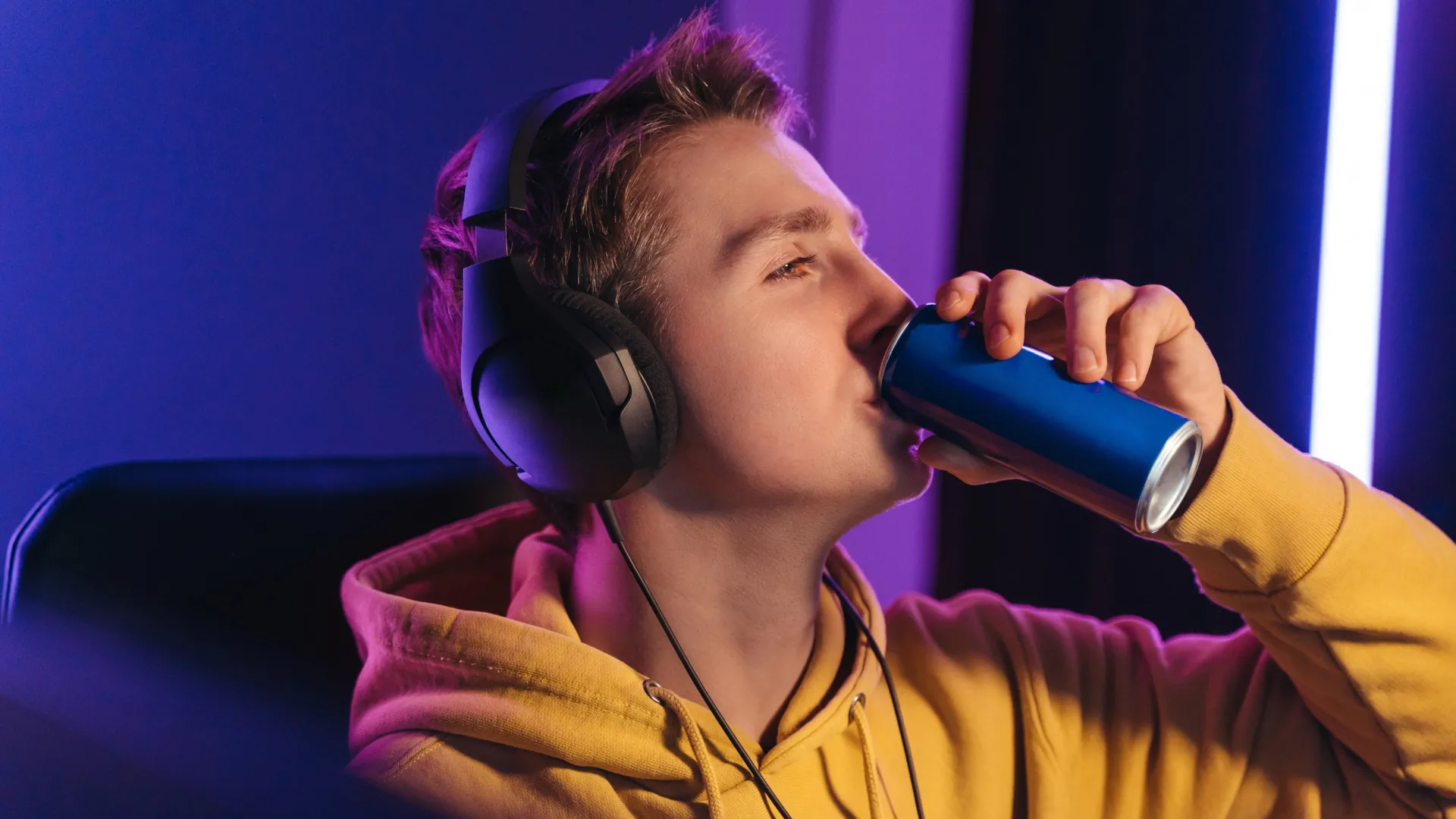
The trajectory of the energy drink market has been nothing short of explosive. Over the past decade, sales have more than doubled, surpassing an impressive $20 billion in 2024. This surge in popularity has outpaced a comprehensive understanding of the long-term cardiovascular effects of these beverages and the myriad of stimulant supplements now readily available. These products, often marketed as quick fixes for fatigue and enhanced performance, range from brightly colored canned drinks to potent pre-workout powders, each promising a boost in energy and focus.
However, beneath the veneer of convenience and efficacy, a growing body of scientific inquiry is beginning to question the safety profile of these concoctions. Existing research has already flagged potential risks associated with high caffeine intake, linking it to adverse cardiovascular outcomes. Anecdotal evidence and case studies have also documented instances of arrhythmias, or irregular heartbeats, and even sudden cardiac death following the consumption of energy drinks and stimulant supplements. Alarmingly, some of these severe incidents have involved young adults with no prior history of heart disease, raising red flags about the vulnerability of this demographic.
A 2026 scientific statement from the American Heart Association (AHA) offered some guidance on caffeine consumption, suggesting that for most healthy adults, up to 400 milligrams (mg) of caffeine per day—roughly equivalent to five 8-ounce cups of brewed black coffee—is generally considered safe. However, the landscape of stimulant products is far more complex. The caffeine concentration in a single energy drink can vary dramatically, with some formulations delivering up to three times the amount found in an equivalent volume of brewed coffee. Pre-workout supplements, in particular, have been found to contain caffeine concentrations exceeding twelve times that of coffee, presenting a significant and often unacknowledged risk to consumers.
Regulatory Loopholes and Public Perception
A critical factor contributing to the concern is the regulatory framework governing these products. Unlike pharmaceuticals, energy drinks and stimulant supplements are classified by the FDA as either foods or dietary supplements. This classification exempts them from the rigorous safety testing and pre-market approval processes that medications must undergo. This regulatory gap means that potential risks may not be identified or addressed until after adverse events have occurred and been reported.
"These products are marketed as everyday pick-me-ups and sold next to soda and bottled water, so most people assume they carry no real risk," stated Sai Samayamanthula, a fourth-year medical student at the University of Virginia School of Medicine in Charlottesville, Virginia, and an author of the study. This perception of low risk is a significant contributor to their widespread consumption. While occasional use by healthy individuals may indeed pose a minimal risk, the cumulative effect of regular consumption, especially by those exceeding recommended daily limits, can lead to significant cardiovascular strain.
FDA Reports Illuminate a Troubling Correlation
To investigate the potential cardiovascular safety concerns, researchers delved into a federal database that meticulously logs reports of suspected adverse reactions to foods and dietary supplements. This comprehensive review aimed to draw a clear distinction between products containing caffeine and other stimulants and those that do not. The comparison group was carefully selected to include commonly consumed items such as soft drinks, smoothies, vitamins, protein bars, and meal replacement shakes, providing a baseline of products without significant stimulant content. The study encompassed reports involving individuals aged 13 and older, spanning a significant period from 2017 to 2025, allowing for the capture of a substantial dataset.
The analysis yielded several statistically significant disparities that warrant attention. While specific figures on the exact frequency of certain events were not fully detailed in the initial presentation, the researchers highlighted that products with stimulants were disproportionately represented in reports of serious cardiac events. This suggests a notable pattern that cannot be easily dismissed as mere coincidence. It is crucial to emphasize, as the researchers did, that these findings do not definitively prove causation. The increased frequency of reporting does not equate to an 11-fold greater actual risk of cardiac arrest or a 4.5-fold greater risk of heart attack for individuals consuming these products. However, the magnitude of the observed correlation is substantial enough to prompt further investigation and a re-evaluation of current consumption habits and regulatory oversight.
The Unusually High Burden on Young Adults
Perhaps the most striking and concerning aspect of the research was the disproportionate representation of younger adults, specifically those aged 18 to 34, in the reported heart problems associated with caffeinated products. This demographic accounted for a significant share of the cardiovascular emergencies linked to these stimulant-laden beverages and supplements. The reasons behind this heightened vulnerability among young adults are not yet fully understood and are a critical area for future research.
Several hypotheses are being considered to explain this trend. One possibility is that younger consumers, due to lifestyle factors, academic pressures, or athletic pursuits, may simply consume energy drinks and stimulant supplements more frequently than older individuals. This increased frequency of use naturally elevates the likelihood that these products will be implicated in any reported medical emergencies within this age group.
Furthermore, the context and manner in which these products are consumed could play a crucial role. The practice of consuming energy drinks before intense physical activity, or mixing them with alcohol or illicit drugs, are all potential contributing factors that could exacerbate underlying cardiovascular stress. Additionally, it is plausible that a segment of this young population may have undiagnosed or subclinical heart conditions that make them more susceptible to the adverse effects of stimulants. The combination of a developing cardiovascular system and exposure to high levels of stimulants could create a dangerous synergy.
Experts Urge Caution and Further Study
While the findings are compelling and raise significant concerns, experts in the field are reiterating the importance of avoiding definitive conclusions about direct causation at this stage. Dr. Gregory M. Marcus, M.D., M.A.S., FAHA, who chaired the 2026 AHA scientific statement on caffeine and cardiovascular disease, commented on the study, emphasizing the need for continued research. "This study raises concerns that products with very high amounts of caffeine may be harmful to the cardiovascular system," Dr. Marcus stated. "Although there are biological reasons why that connection could be possible, the study does not prove that caffeine products cause these events, because other factors may have influenced the results found in this analysis. More research is needed to understand whether these stimulant products are truly responsible for the reported heart-related events."
The reliance on voluntary reports to the FDA introduces inherent limitations. The database does not capture every instance of a potential adverse reaction, nor does it provide information on the total number of individuals who consume these products without experiencing any negative effects. Without this crucial denominator, calculating the true incidence or actual risk of cardiovascular events among consumers remains challenging. However, the consistent pattern observed in the reports serves as a critical "safety signal," indicating that a closer look is warranted.
Methodological Insights and Future Directions
The research team meticulously reviewed 28,345 reports of potential adverse events submitted to the FDA’s safety database between 2017 and 2025. Of these, 854 reports were specifically linked to energy drinks or dietary supplements containing caffeine or other stimulants. The remaining 27,491 reports, concerning products without these ingredients, formed the crucial control group for comparison.
The classification of products was based on their ingredient profiles. The stimulant category encompassed not only caffeine but also methylxanthines such as theobromine, guarana, and yerba mate, as well as sympathomimetics like synephrine, yohimbine, ephedra, DMAA, and higenamine. This broad categorization ensures that the findings are applicable to a wide range of stimulant-containing products, rather than singling out specific brands.
The researchers acknowledged the inherent limitations of voluntary reporting systems. These databases are populated by reports from consumers, healthcare professionals, and manufacturers, meaning they are not exhaustive. This lack of comprehensive data prevents the calculation of precise risk ratios, but it does not diminish the significance of the observed correlation as a warning sign.
Implications for Public Health and Policy
The implications of these findings are far-reaching. They underscore the need for increased public awareness regarding the potential cardiovascular risks associated with energy drinks and stimulant supplements, particularly for younger individuals. Healthcare professionals are being urged to proactively inquire about the consumption of these products when assessing patients presenting with symptoms such as palpitations, chest pain, or fainting spells.
"Our findings support the case for more systematic safety monitoring of caffeine- and stimulant-containing products. In addition, healthcare professionals should remember to ask their younger patients who have palpitations, chest pain, or fainting spells if they recently or regularly consume these products," Samayamanthula added.
From a policy perspective, the research may reignite discussions about the regulatory oversight of energy drinks and stimulant supplements. A more robust pre-market safety evaluation process, clearer labeling requirements regarding caffeine content and potential health risks, and targeted public health campaigns could all be considered as potential measures to mitigate future adverse events. The current regulatory landscape, which allows potent stimulant-laden products to be widely available with limited oversight, appears increasingly inadequate in the face of mounting evidence of potential harm.
As the energy drink industry continues its rapid expansion, the scientific community’s commitment to unraveling the complex relationship between these products and cardiovascular health remains paramount. Further research, including prospective studies and clinical trials, will be essential to definitively establish causality, identify specific risk factors, and inform effective strategies for safeguarding public health. The current findings serve as a critical call to action, urging consumers, healthcare providers, and regulatory bodies to pay closer attention to the potential hidden dangers lurking within these popular stimulant-laden products.