


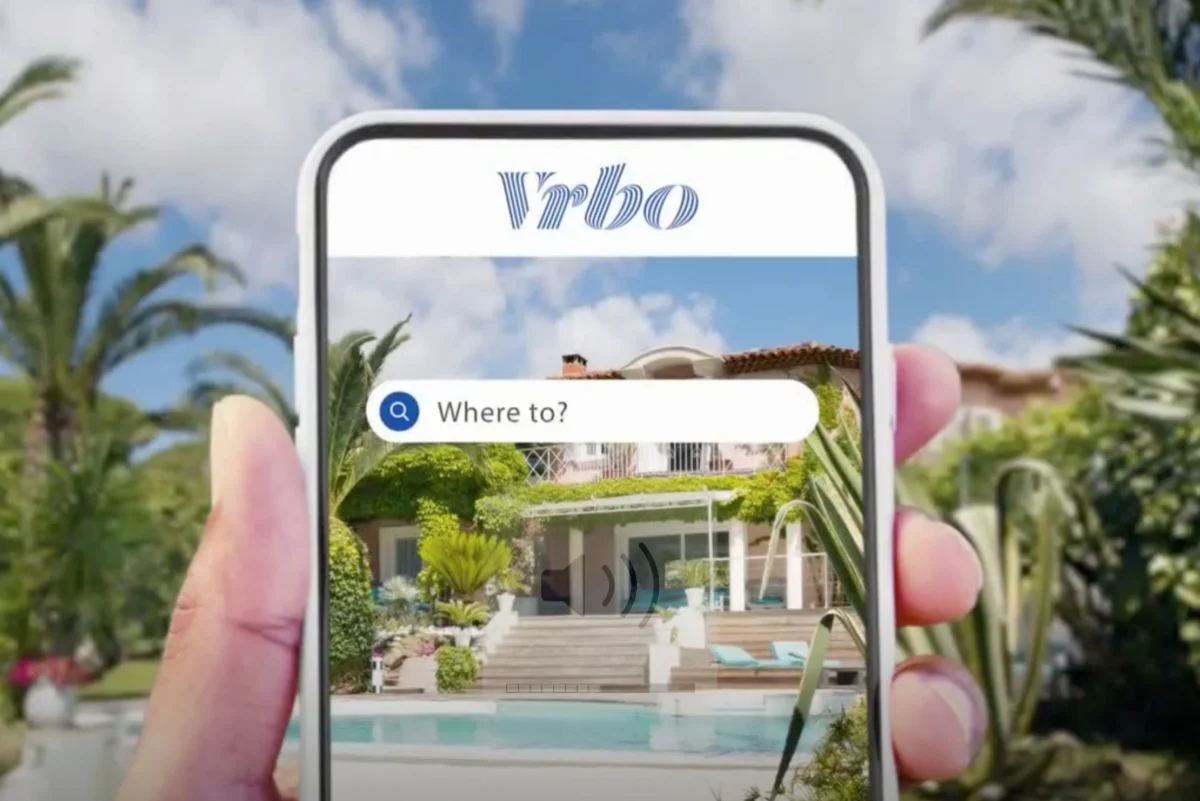
Expedia Group officially announced on Wednesday the launch of a new "Reserve Now, Pay Later" feature for its vacation rental platform, Vrbo, marking a significant shift in the company’s transactional strategy to better compete in the increasingly flexible short-term rental market. This new functionality allows travelers to secure eligible vacation rentals without requiring an immediate financial commitment at the time of booking, a move that directly mirrors successful payment flexibility initiatives previously implemented by its primary competitor, Airbnb. The rollout is the centerpiece of Expedia Group’s extensive Fall Product Release, which includes more than 30 new and enhanced features designed to streamline the travel planning process across the company’s portfolio, including Expedia, Hotels.com, and Vrbo.
The "Reserve Now, Pay Later" (RNPL) option is currently live on Vrbo’s desktop and mobile websites, with plans to integrate the feature into the Vrbo mobile application over the coming weeks. By removing the barrier of an upfront deposit, Expedia Group aims to capture a larger share of the early-planning market, particularly for high-value bookings such as multi-room villas and luxury estates where the initial cost can often be a deterrent for budget-conscious families and large groups.
The Strategic Shift Toward Payment Flexibility
The introduction of RNPL on Vrbo is not merely a technical update but a strategic response to evolving consumer behaviors in the post-pandemic travel era. For years, the vacation rental industry operated on a model that required significant upfront payments—often 50% or even 100% of the total stay—months in advance. This model created a "friction point" for travelers who wanted to lock in a specific property but needed to wait for a paycheck or coordinate funds with other members of their party.
Expedia Group’s decision to adopt this model follows the clear success observed by Airbnb. Airbnb launched its version of deferred payments for U.S. domestic stays in August 2023 and expanded the program globally in early 2024. Airbnb leadership has frequently credited these flexible payment options with lifting conversion rates and increasing the average lead time for bookings. By allowing guests to wait until the free cancellation window is nearly closed before paying, platforms are seeing a higher volume of "intent-to-stay" converted into confirmed reservations.
For Vrbo, the stakes are particularly high. Unlike Airbnb, which has a vast inventory of urban apartments and single rooms, Vrbo’s inventory is heavily weighted toward "whole homes" and vacation destinations. These bookings typically involve higher price points and longer durations of stay. Implementing a "no money down" policy at the point of booking reduces the psychological and financial weight of a $3,000 or $5,000 reservation, allowing the traveler to commit to the dates while they finalize their broader travel budget.
Integration with Group Planning and the Fall Release
The RNPL feature is integrated into a broader suite of tools designed to solve the complexities of group travel—a segment where Vrbo has traditionally held a strong market position. As part of the Fall Product Release, Expedia Group introduced enhanced group planning tools that allow "trip organizers" to manage the logistical nightmare of coordinating a multi-person stay.
These tools enable group planners to confirm who is attending, collect financial contributions from various members, and manage the total cost of the stay in a centralized dashboard. When combined with "Reserve Now, Pay Later," these tools provide a safety net for the organizer. They can reserve a large home to ensure it isn’t booked by someone else, then use the intervening weeks or months to collect funds from friends and family before the final payment deadline hits.
In addition to payment flexibility, the Fall Release includes:
- Smart Shopping: A feature that allows travelers to compare properties side-by-side with more granular detail.
- AI-Driven Trip Planners: Enhanced generative AI capabilities to help users discover destinations and accommodations based on conversational queries.
- One Key Loyalty Integration: Further refinement of the unified loyalty program that allows members to earn and spend "OneKeyCash" across Expedia, Hotels.com, and Vrbo.
A Chronology of Payment Evolution in the Rental Market
To understand the significance of this move, one must look at the timeline of how financial transactions have evolved in the short-term rental (STR) sector:
- The "Check-in-the-Mail" Era (Pre-2010): Before the dominance of major platforms, travelers often dealt directly with owners, sending physical checks or wiring money via Western Union. Trust was low, and the risk of fraud was high.
- Platform Centralization (2010–2018): Platforms like HomeAway (now Vrbo) and Airbnb began requiring all payments to go through their secure systems. This protected both parties but usually required the guest to pay the full amount or a large deposit immediately.
- The Rise of Fintech (2019–2022): The industry saw the integration of "Buy Now, Pay Later" (BNPL) providers like Affirm, Klarna, and Afterpay. This allowed guests to pay in installments, though the platform still received the full payment upfront from the lender.
- The "Reserve Now, Pay Later" Era (2023–Present): Platforms began moving away from third-party lenders for the initial booking phase. Instead of a loan, the platform simply delays the transaction until a later date, usually aligned with the property’s cancellation policy.
This latest stage represents the ultimate form of flexibility, as it does not involve the interest rates or credit checks often associated with BNPL loans, provided the guest pays the full amount by the designated deadline.
Economic Data and Consumer Spending Trends
The shift toward deferred payments is supported by current economic indicators. According to data from the U.S. Travel Association, while travel demand remains resilient, consumers are becoming increasingly price-sensitive due to inflationary pressures and high interest rates on credit cards.
A 2024 consumer survey by Skift Research indicated that approximately 35% of travelers are more likely to book an expensive trip if they are offered flexible payment terms. Furthermore, the "sticker shock" of seeing a multi-thousand-dollar total at checkout is one of the leading causes of cart abandonment in the travel industry. By moving the payment date to 24 or 48 hours before the cancellation window closes, platforms can reduce abandonment rates by as much as 15% to 20%, according to industry analysts.
For Expedia Group, this move also serves to stabilize its booking funnel. In a high-interest-rate environment, consumers are hesitant to tie up large sums of cash months in advance of a trip. By allowing them to keep that cash in their own high-yield savings accounts until the last possible moment, Vrbo makes the booking process more financially attractive.
Implications for Hosts and Property Managers
While the RNPL feature is a clear win for consumers, its impact on property owners and managers is more nuanced. Under the standard Vrbo model, many hosts relied on early deposits to manage their own cash flow and property maintenance costs.
However, Expedia Group has structured the feature to mitigate risk for the supply side. The option is generally available for listings that have "flexible," "moderate," or "firm" cancellation policies. If a guest fails to make the payment by the deadline, the reservation is automatically cancelled, and the dates are reopened for other travelers.
From a host’s perspective, the primary benefit is increased visibility and booking volume. Properties that offer RNPL are expected to see higher placement in search results as the platform’s algorithm favors listings with higher conversion potential. Additionally, because the platform manages the automated collection of funds, the administrative burden on the host remains minimal.
Official Responses and Market Analysis
While Expedia Group executives have focused on the "traveler-first" nature of these updates, market analysts view the move as an essential defensive and offensive maneuver. "Expedia is playing catch-up with Airbnb in terms of payment UX, but they are doing so with a more robust set of group-specific tools," said one senior travel industry analyst. "By combining ‘Reserve Now, Pay Later’ with their group contribution features, they are solving a specific pain point for the ‘family reunion’ traveler that Airbnb hasn’t fully addressed yet."
Expedia Group’s leadership has emphasized that these updates are part of a long-term plan to unify their technology stack. By moving all their brands onto a single platform, they can deploy features like RNPL across Expedia, Hotels.com, and Vrbo simultaneously, creating a seamless experience for the millions of users within the One Key ecosystem.
Looking Ahead: The Future of Travel Transactions
The launch of "Reserve Now, Pay Later" on Vrbo signals the end of the "pay-to-play" era in vacation rentals. As the market matures, the competitive advantage will likely shift from who has the most inventory to who offers the most frictionless financial experience.
As the feature rolls out to the Vrbo app in the coming weeks, industry watchers will be looking for data on whether this leads to a spike in cancellation rates. However, if the Airbnb precedent holds true, the increase in total booking volume should far outweigh any marginal rise in cancellations. For the global traveler, the message is clear: the ability to dream and plan for a vacation is no longer tied to the immediate availability of thousands of dollars in a checking account. This democratization of the booking process is set to redefine the peaks and valleys of the annual travel calendar, potentially leading to a more consistent year-round demand for vacation rentals worldwide.