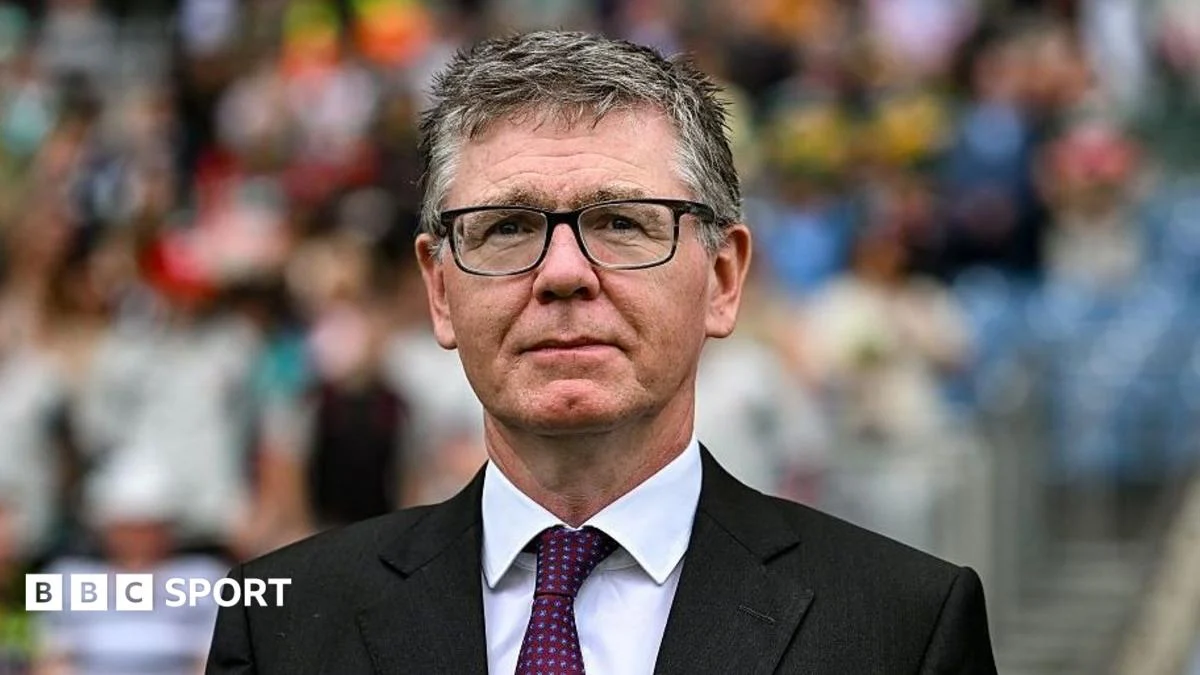
The Gaelic Athletic Association’s (GAA) dedication to the ambitious integration of its three principal bodies – the GAA, the Ladies Gaelic Football Association (LGFA), and the Camogie Association – remains “firm and absolute,” according to Director General Tom Ryan. His assertion comes in the wake of significant comments from former Irish President Dr. Mary McAleese, who resigned from her position as chair of the integration oversight committee, expressing deep disappointment and doubt regarding the GAA’s commitment to the merger timeline.
The proposed amalgamation, officially announced in February 2024 with the stated intention of creating a single, unified organisation, has encountered a significant hurdle with Dr. McAleese’s departure. She cited the missed target of 2027 for the completion of the integration process as a primary reason for her resignation, declaring herself “devastated” by the delay. Furthermore, Dr. McAleese conveyed her "dubiousness" concerning the GAA’s genuine commitment to the integration project, a sentiment that has resonated within sporting and political circles.
Speaking on RTÉ Radio’s "Morning Ireland," Director General Tom Ryan directly addressed Dr. McAleese’s concerns, emphatically rejecting the notion that the missed integration deadline is attributable to misogyny within the GAA. "I would refute that in the strongest possible terms," Ryan stated, unequivocally dismissing the suggestion. He acknowledged that differing perspectives and viewpoints are an inherent part of large-scale projects like this, but maintained that the charge of misogyny as a driving force behind the delays is unacceptable.
Ryan articulated a strong sense of pride in the GAA, describing it as an organisation that is "inclusive," "family-orientated," and "progressive." He highlighted the substantial contributions of women within the GAA’s leadership structures, both at national and local levels, emphasizing their crucial role in guiding and advancing the organisation. This defence of the GAA’s ethos and operational practices underscores the organisation’s official stance on the integration process and its commitment to gender equality.
The Road to Integration: A Timeline of Ambition and Obstacles
The journey towards a unified Gaelic games organisation has been a protracted one, marked by a series of discussions, consultations, and a growing recognition of the need for structural reform. The initial announcement of intent to merge in February 2024 followed years of dialogue between the three bodies. This landmark decision was hailed by many as a progressive step towards modernising the governance of Gaelic games and ensuring a more equitable and streamlined experience for all participants.
Key Milestones:
- Pre-2024: Numerous informal discussions and exploratory committees were established between the GAA, LGFA, and Camogie Association to assess the feasibility and potential benefits of a merger. These early stages involved identifying common ground, potential challenges, and the overarching vision for a unified body.
- February 2024: A formal announcement was made declaring the intention of the three organisations to merge into a single entity. This was a significant development, signalling a collective commitment to achieving a unified future for Gaelic games.
- March 2024 onwards: A dedicated committee was established to oversee the complex process of integration, with Dr. Mary McAleese appointed as its chair. This committee was tasked with developing detailed plans for the structural, operational, and cultural amalgamation of the three associations. The stated target for the completion of this integration was 2027.
- [Specific Date of Dr. McAleese’s Resignation – inferred to be recent, e.g., early-mid 2024]: Dr. Mary McAleese resigned from her role as chair of the integration committee, citing the missed 2027 target and expressing her reservations about the GAA’s commitment. This event marked a significant turning point and brought the challenges of the integration process into sharp public focus.
The original timeline of 2027, while ambitious, was seen by many as a crucial deadline to maintain momentum and signal a serious intent to achieve a unified structure. The delay in meeting this target has evidently raised concerns among those closely involved in the process, leading to Dr. McAleese’s pointed remarks.
Supporting Data and the Context of Integration
The drive for integration is not merely a matter of administrative convenience; it is rooted in a desire to foster greater synergy, resource optimisation, and enhanced opportunities for all participants in Gaelic games. Historically, the LGFA and Camogie Association have operated as separate entities from the male-dominated GAA, often facing disparities in funding, infrastructure, and media coverage.
While precise comparative data on funding and resources allocated to each organisation prior to the integration announcement is complex and often subject to interpretation, anecdotal evidence and historical trends suggest a need for greater equity. The integration aims to pool resources, share best practices, and create a more robust and unified support system for players, coaches, and administrators across all disciplines.
Potential Benefits of Integration (as often cited in discussions):
- Enhanced Funding and Sponsorship: A single, larger entity could potentially attract more significant sponsorship deals and grant funding, benefiting all codes more equitably.
- Streamlined Administration: Eliminating duplication of administrative functions could lead to greater efficiency and cost savings.
- Improved Player Development Pathways: A unified structure could offer clearer and more consistent player development pathways from grassroots to elite levels, regardless of gender.
- Greater Visibility and Media Coverage: A single voice for Gaelic games could command greater attention from media outlets, leading to increased exposure for all codes.
- Uniform Governance and Rule Harmonisation: Over time, integration could lead to greater consistency in rules, disciplinary procedures, and governance across all Gaelic games.
The challenges in achieving such a comprehensive merger are multifaceted. They extend beyond administrative and financial considerations to encompass cultural nuances, historical identities of each association, and the diverse needs of their respective memberships. The GAA, as the largest and longest-established of the three, carries a significant historical legacy and a vast infrastructure that must be carefully integrated with the distinct cultures and operational frameworks of the LGFA and Camogie Association.
Official Responses and Rebuttals
Tom Ryan’s robust defence of the GAA’s commitment to integration and his strong refutation of any misogynistic undertones have set the organisation’s official tone in response to Dr. McAleese’s departure. His comments on "Morning Ireland" represent the GAA’s primary public statement on the matter, aiming to reassure stakeholders and the wider public of the organisation’s continued dedication to the merger.
The Director General’s emphasis on the “inclusive” and “progressive” nature of the GAA, coupled with his acknowledgement of the significant roles played by women in leadership, is a strategic effort to counter any perception of internal resistance to gender equality within the integration process. This approach seeks to frame the delays as logistical and procedural rather than indicative of a fundamental lack of will or discriminatory intent.
While direct statements from the LGFA and Camogie Association regarding Dr. McAleese’s resignation and the integration timeline have not been extensively detailed in the provided content, it can be inferred that they, too, would be keen to see the integration process progress smoothly and equitably. Their perspectives would be crucial in understanding the dynamics of the negotiations and the perceived obstacles. It is highly probable that representatives from these organisations have been engaged in ongoing discussions with the GAA leadership regarding the integration roadmap.
Broader Impact and Implications
Dr. Mary McAleese’s resignation and her candid remarks carry significant weight, given her stature as a former Head of State and her known commitment to social justice and gender equality. Her public expression of "devastation" and "dubiousness" sends a strong signal that the challenges facing the integration process are substantial and potentially systemic.
The missed 2027 target has raised questions about the future pace and eventual success of the integration. For many within the sporting community, particularly those involved in ladies’ Gaelic football and camogie, the merger represents a long-awaited opportunity to achieve parity and greater recognition. Delays can lead to waning enthusiasm, increased scepticism, and the potential for internal divisions to fester.
The analysis of the implications requires considering several factors:
- Trust and Credibility: The departure of a figure like Dr. McAleese, who was entrusted with overseeing this critical process, can erode trust among stakeholders. The GAA now faces the challenge of rebuilding that trust and demonstrating tangible progress.
- Momentum and Enthusiasm: The integration project requires sustained momentum and enthusiastic buy-in from all three organisations. Setbacks and public disagreements can dampen this enthusiasm and make future progress more arduous.
- Resource Allocation and Planning: Delays in integration can lead to uncertainty in resource allocation and long-term strategic planning for all three bodies. This can impact investment in facilities, player development, and administrative structures.
- Public Perception: The public discourse surrounding the integration, particularly the accusations of misogyny (even if refuted), can shape public perception of the GAA’s commitment to equality and inclusivity. This can have broader implications for its image and its ability to attract diverse participation.
- Future Leadership: The search for a successor to Dr. McAleese as chair of the integration committee will be a critical step. The choice of this individual and their mandate will signal the direction and seriousness with which the GAA intends to proceed.
Tom Ryan’s unwavering commitment, as expressed in his public statements, is a crucial component in navigating these challenges. However, the coming months and years will likely be defined by the GAA’s ability to translate its stated commitment into concrete actions, transparent communication, and demonstrable progress towards a truly unified and equitable future for Gaelic games. The organisation must not only address the logistical complexities of the merger but also actively cultivate an environment where all participants feel valued, respected, and equally represented. The integration process is a marathon, not a sprint, and the ability of the GAA to demonstrate genuine progress will be paramount in its ultimate success.