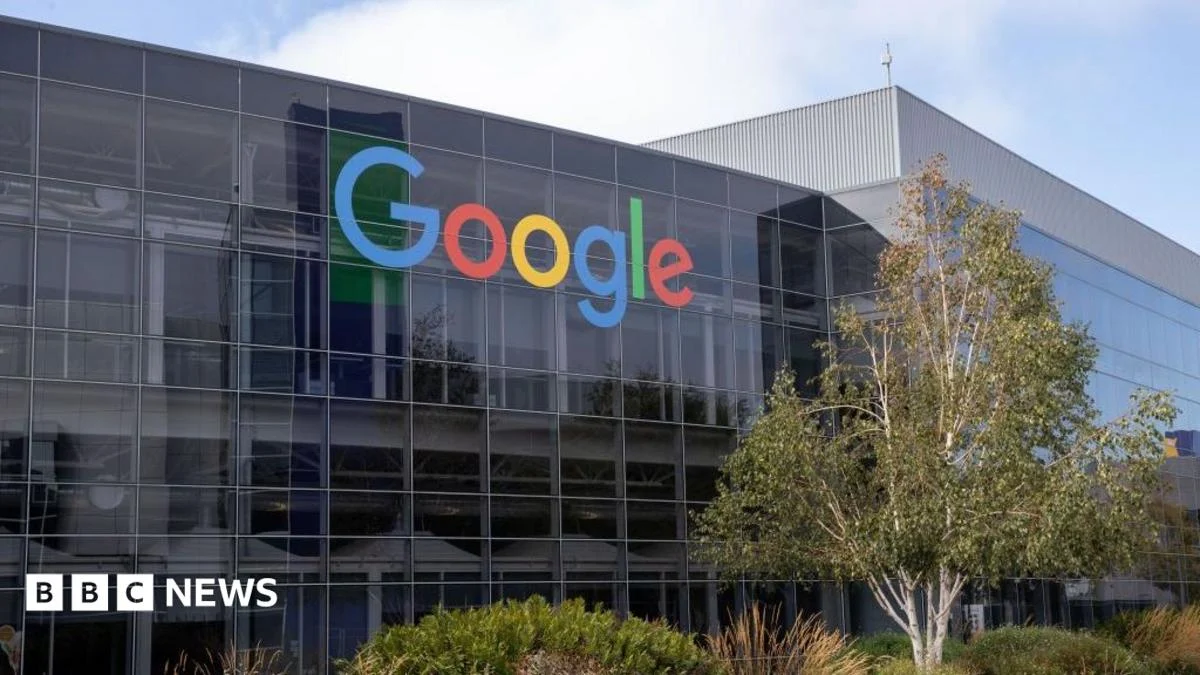
Helsinki, Finland – Google has announced an unprecedented investment of up to €13 billion ($15 billion; £11 billion) into Finland’s burgeoning artificial intelligence infrastructure, marking its largest single investment in Europe to date. Central to this monumental commitment is a landmark agreement to procure up to half of the electricity generated by Fortum’s Loviisa nuclear power plant, underscoring the escalating energy demands of the global AI boom and Finland’s strategic position as a preferred location for data center development.
The colossal investment package is earmarked for the construction of three new state-of-the-art data centers in Kajaani, Muhos, and Vaala, alongside a significant expansion of Google’s existing facility in Hamina. This ambitious undertaking is designed to bolster the technological backbone supporting Google’s rapidly evolving suite of AI services, including its advanced AI chatbot Gemini, as well as core offerings like Search, Maps, and YouTube. The strategic acquisition of nuclear energy is a direct response to the intensive power requirements of modern AI computations, positioning Finland at the forefront of the global race to establish robust and sustainable AI infrastructure.
A Deepening Partnership: Google and Finland’s Digital Future
Google’s relationship with Finland dates back to 2009 when it first established its Hamina data center, converting a former paper mill into a cutting-edge digital hub. This latest announcement, coming nearly fifteen years later, signifies a profound deepening of that partnership and a testament to Finland’s consistent appeal to global tech giants. The €13 billion figure not only represents Google’s largest European investment but also dwarfs many other recent technology sector commitments across the continent, highlighting the strategic importance Google places on its Finnish operations.
Finland’s Prime Minister Petteri Orpo lauded the decision, stating, "This is Google’s largest single investment in Europe and a testament to Finland’s leadership in responsibly building AI infrastructure." He further emphasized, "Google’s decision is a clear testament to our strengths. The value of the data economy extends far beyond direct investment into spurring innovation, research and development. Deepening our collaboration with Google will deliver lasting benefits for both parties." These statements underscore the Finnish government’s proactive role in fostering an environment conducive to technological investment and its recognition of the transformative potential of the data economy.
The investment is projected to deliver substantial economic benefits to Finland, supporting more than 37,000 jobs during the construction phase, which is slated for 2027 and 2028. Furthermore, Google estimates that the long-term operational impact will boost Finland’s Gross Domestic Product (GDP) by approximately €3.6 billion annually, demonstrating the significant economic multiplier effect of such large-scale infrastructure projects. Beyond direct economic figures, the presence of such advanced facilities is expected to stimulate local innovation, attract further tech talent, and reinforce Finland’s reputation as a leader in digital infrastructure.
Powering AI: The Nuclear Energy Imperative
At the core of Google’s energy strategy for this expansion is a groundbreaking 22-year contract with the Finnish state-owned utility Fortum. This agreement will see Google purchase up to 50% of the electricity produced by the Loviisa nuclear power plant. The Loviisa plant, which currently accounts for approximately 10% of Finland’s total electricity generation, is a critical component of the nation’s energy mix, providing reliable, low-carbon baseload power.
The choice of nuclear power is a calculated one, reflecting the immense and growing energy demands of artificial intelligence. Training sophisticated AI models requires vast computing power, which translates directly into significant electricity consumption. Unlike intermittent renewable sources such as wind or solar, nuclear power offers a consistent, 24/7 supply of carbon-free electricity, which is highly attractive for data centers that require uninterrupted power to maintain operations and cooling. This long-term commitment provides Fortum with significant financial certainty, which the utility has indicated will support an investment program aimed at extending the operational life of the Loviisa station and potentially increasing its generating capacity. This move aligns with a broader trend of nuclear energy renaissance in Europe, driven by energy security concerns and decarbonization goals.
Ruth Porat, President and Chief Investment Officer of Alphabet and Google, articulated the company’s commitment to responsible growth: "This investment underscores Google’s commitment to grow our presence responsibly, pairing the expansion of our technical infrastructure with new energy capacity, grid enhancements, and energy affordability initiatives." This statement highlights Google’s strategy to not only expand its physical footprint but also actively engage in enhancing the energy ecosystem it operates within, addressing concerns about the environmental impact of large-scale data center operations.
Finland’s Unique Appeal: A Digital Haven
Finland has rapidly emerged as a prime location for data center investments, drawing global tech giants with a unique combination of geographic, environmental, and infrastructural advantages. These include:
- Cool Climate: The country’s naturally cold climate significantly reduces the energy required for cooling server farms. Data centers generate immense heat, and in warmer climates, extensive and energy-intensive cooling systems are necessary. Finland’s lower ambient temperatures allow for more efficient, free-air cooling methods, leading to substantial energy savings and reduced operational costs.
- Plentiful Low-Carbon Electricity: Finland boasts a robust and increasingly low-carbon electricity mix, heavily reliant on nuclear power, hydropower, and a growing share of wind energy. This ensures a stable and environmentally friendly power supply, crucial for companies committed to sustainability goals. The national grid is also relatively uncongested, offering reliable access to high-capacity power lines.
- Robust Digital Infrastructure: Finland has invested heavily in its digital backbone, featuring strong fiber optic networks and excellent international connectivity. This includes several submarine data cables connecting Finland to central Europe and beyond, ensuring low-latency data transmission, which is vital for real-time AI applications and cloud services.
- Stable Governance and Skilled Workforce: The country’s political stability, strong rule of law, and robust data governance frameworks provide a secure environment for data storage and processing. Furthermore, Finland’s highly educated population provides a skilled talent pool in technology, engineering, and research, supporting the sophisticated operations of these advanced data centers.
These factors collectively create an exceptionally attractive proposition for companies like Google, which are grappling with the complex demands of scaling AI infrastructure sustainably and efficiently. The recent announcement by TikTok, just days prior, of a $1 billion investment to build a new data center in Kouvola, citing Finland’s "strong digital infrastructure, clean energy mix, robust data governance and skilled tech talent," further corroborates Finland’s rising status as a premier digital hub.
Global Context: The AI Infrastructure Race
Google’s €13 billion investment in Finland is not an isolated event but rather a significant move within a broader global race among technology giants to build out the vast computing infrastructure necessary to power the artificial intelligence revolution. Companies like Microsoft, Amazon, and Meta are similarly pouring billions into data center expansion, driven by the exponential growth in demand for AI model training, inference, and general cloud computing services.
Earlier this year, Google’s parent company, Alphabet, signaled its aggressive expansion plans by raising its global capital expenditure forecast to as much as $205 billion. This staggering figure underscores the scale of investment required to maintain a competitive edge in the AI landscape. The development of advanced AI models, particularly large language models (LLMs), consumes immense computational resources, demanding specialized hardware (like GPUs and TPUs), sophisticated cooling systems, and, critically, vast amounts of reliable and sustainable electricity. Securing long-term power purchase agreements, especially for baseload carbon-free energy like nuclear, has become a strategic imperative for these companies.
The strategic importance of owning and operating robust data center networks extends beyond mere processing power. It encompasses data sovereignty, security, and the ability to innovate rapidly. As AI becomes more integrated into every facet of technology and society, the physical infrastructure that supports it will become an increasingly critical geopolitical and economic asset.
Environmental and Community Commitments
Beyond the core investment in data centers and energy procurement, Google has also outlined commitments to environmental stewardship and local community development. The company stated that the investments would cover "clean energy projects, and dedicated nature and community funds to support local biodiversity, education, research, and workforce development." This holistic approach reflects a growing corporate responsibility trend, where large-scale infrastructure projects are accompanied by initiatives aimed at mitigating environmental impact and contributing positively to local societies.
Google’s long-standing goal is to operate its data centers and campuses on 24/7 carbon-free energy by 2030. The agreement with Fortum for nuclear power at Loviisa is a direct step towards achieving this ambition, providing a constant source of carbon-free electricity that can help balance intermittent renewable energy sources on the grid. This commitment to sustainable operations is not only an ethical stance but also increasingly a business necessity, as investors, regulators, and consumers demand greater environmental accountability from tech companies.
Timeline and Future Outlook
The construction phase for Google’s new data centers in Kajaani, Muhos, and Vaala, along with the expansion in Hamina, is scheduled to take place between 2027 and 2028. This timeline suggests a significant period of planning, regulatory approvals, and preparatory work leading up to the physical build-out. Once operational, these facilities will significantly augment Google’s global computing capacity, particularly for its AI-driven services.
The 22-year power purchase agreement with Fortum for the Loviisa plant provides a long-term anchor for both Google’s energy supply and Fortum’s operational stability. It demonstrates a shared vision for sustainable energy infrastructure that can support the demands of future technological advancements. This deepening collaboration between a global tech titan and a national energy provider sets a precedent for how future large-scale digital infrastructure projects might be powered, emphasizing reliability, sustainability, and long-term strategic partnerships.
As Finland continues to solidify its position as a digital gateway to Europe and beyond, further investments from other technology companies are likely. The country’s unique blend of natural advantages, robust infrastructure, and supportive policy environment makes it an increasingly attractive destination for the foundational components of the global digital economy, particularly as the AI revolution continues to unfold at an unprecedented pace. The Google investment stands as a powerful testament to Finland’s pivotal role in shaping the future of artificial intelligence.