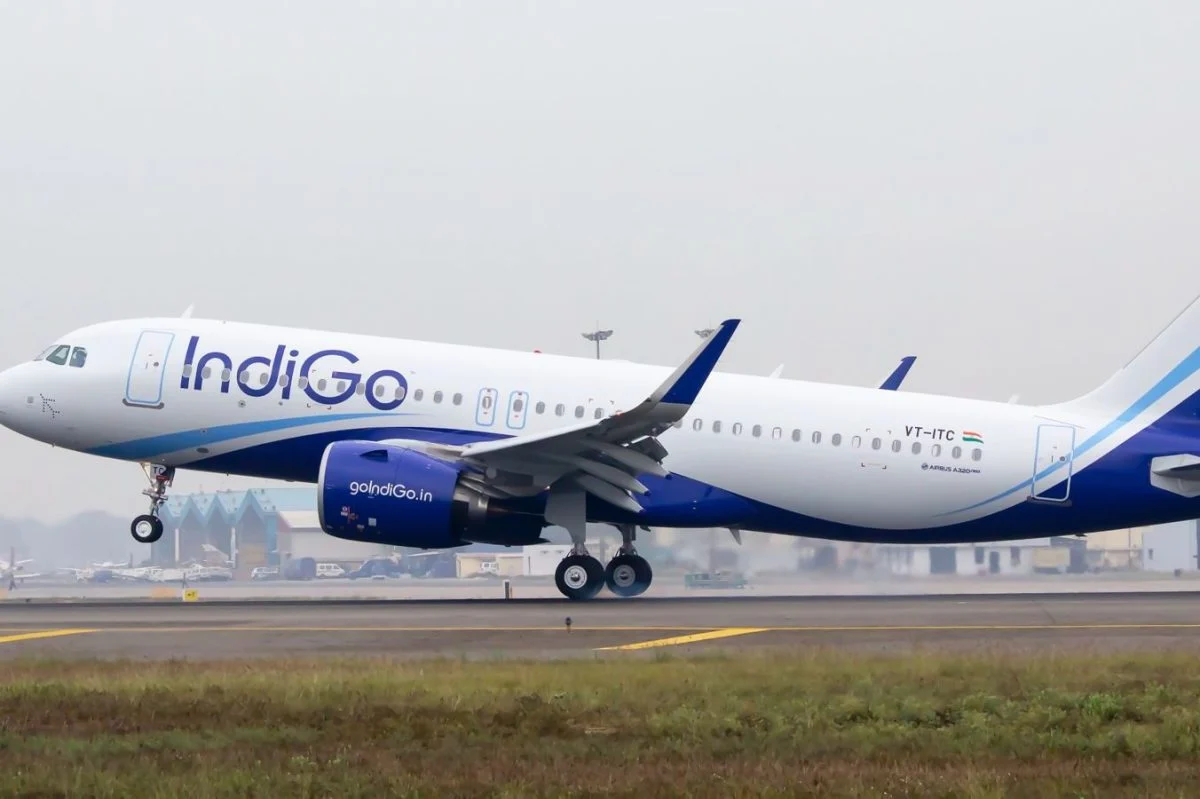
IndiGo, India’s largest airline by market share, has announced a comprehensive upward revision of fees for a wide array of optional services, signaling a tactical shift in its revenue management strategy. The low-cost carrier has increased charges for services including infant travel, excess baggage, unaccompanied minor assistance, priority check-in, and the issuance of travel certificates. While the individual price adjustments are characterized by the airline as modest, the cumulative effect highlights a significant commercial pivot. As IndiGo navigates a period defined by rising operational costs and intense market competition, the airline is increasingly leaning on ancillary revenue—income generated from non-ticket sources—to bolster its bottom line without compromising the low-fare proposition that remains the cornerstone of its business model.
Under the new fee structure, the cost of traveling with an infant (children between three days and two years old who do not occupy a separate seat) has risen to INR 3,000 (approximately $36), up from the previous rate of INR 2,000 ($24). Domestic excess baggage charges have also seen an uptick, moving from INR 700 ($8.40) per kilogram to INR 800 ($9.60) per kilogram. Furthermore, "Fast Forward," IndiGo’s popular priority check-in and boarding service, has been adjusted to INR 650 ($7.80) for domestic flights, a notable increase from the previous INR 450 ($5.40). These changes come at a time when the global aviation industry is emphasizing "unbundled" pricing, a method where the base fare covers only the seat, and additional comforts or requirements are charged separately.
A Detailed Breakdown of the Fee Revisions
The adjustments to IndiGo’s fee schedule are comprehensive, affecting various touchpoints of the passenger experience. Beyond the highly visible changes to baggage and infant travel, the airline has also revised the costs for specialized services. The fee for unaccompanied minors, a critical service for families, has been increased to align with the rising administrative and safety costs associated with dedicated personnel. Similarly, the administrative fee for issuing travel certificates—often required for insurance claims or corporate reimbursements—has been normalized across different booking channels to ensure consistency in revenue collection.
The following table summarizes the key changes in IndiGo’s ancillary service pricing:
| Service Category | Previous Fee (INR) | New Fee (INR) | Percentage Increase |
|---|---|---|---|
| Infant Travel (Domestic) | 2,000 | 3,000 | 50% |
| Excess Baggage (per kg) | 700 | 800 | 14.3% |
| Fast Forward (Priority) | 450 | 650 | 44.4% |
| Unaccompanied Minor | 2,500 | 3,000 | 20% |
| Travel Certificates | 200 | 500 | 150% |
These adjustments are not merely isolated price hikes but are part of a broader industry trend toward maximizing ancillary revenue. In the current fiscal environment, airlines are finding that passengers are increasingly willing to pay a premium for convenience and speed, even as they remain price-sensitive regarding the base ticket cost. By keeping the base fare low, IndiGo maintains its competitive edge in search engine rankings and price-comparison websites while recovering costs through those who utilize specific premium services.
The Context of the "Willie Walsh Era" in Global Aviation
The snippet’s reference to the "Willie Walsh era" evokes a specific philosophy of airline management that has become increasingly prevalent. Willie Walsh, currently the Director General of the International Air Transport Association (IATA) and former CEO of International Airlines Group (IAG), is a staunch advocate for airline profitability through rigorous cost control and the optimization of ancillary streams. His tenure at British Airways and Aer Lingus was marked by a transition toward charging for services that were previously included in the ticket price, such as meals on short-haul flights and seat selection.
IndiGo’s current leadership, headed by CEO Pieter Elbers, appears to be adopting a similar international standard of commercial discipline. As IndiGo transitions from a domestic powerhouse to a major international player, it is aligning its fee structures with global peers. The strategy is clear: insulate the core product (transportation) from inflationary pressures by shifting the burden of cost to optional services. This allows the airline to manage the volatility of Aviation Turbine Fuel (ATF) prices and fluctuations in the value of the Indian Rupee without triggering a mass exodus of price-conscious travelers.
Operational Pressures and Economic Rationale
The decision to raise fees is rooted in a complex web of economic factors currently affecting the Indian aviation sector. Aviation Turbine Fuel remains one of the highest expenses for Indian carriers, often accounting for 40% to 45% of total operating costs. Because ATF prices in India are subject to high provincial taxes and global crude oil volatility, airlines have limited control over their largest cost center.
Furthermore, IndiGo has faced significant operational headwinds due to the ongoing issues with Pratt & Whitney (P&W) engines. At various points over the last year, dozens of IndiGo’s Airbus A320neo family aircraft have been grounded awaiting engine repairs or replacements. These groundings represent a dual financial blow: the loss of potential revenue from those aircraft and the high cost of leasing "wet-lease" aircraft (planes including crew, maintenance, and insurance) from other carriers to maintain flight schedules. The revenue generated from the new fee structure serves as a vital buffer against these unforeseen maintenance and leasing expenses.
Chronology of IndiGo’s Strategic Evolution
To understand the current fee hike, one must look at the timeline of IndiGo’s growth and its recent strategic shifts:
- 2006–2015: IndiGo establishes itself as a dominant Low-Cost Carrier (LCC), focusing on "on-time performance" and a single aircraft type (Airbus A320) to minimize maintenance costs.
- 2016–2020: The airline begins aggressive domestic expansion, eventually capturing over 50% of the Indian market. It starts introducing ancillary services like "6E Prime" and "Fast Forward."
- 2021–2023: Post-pandemic recovery sees IndiGo focusing on international routes and the introduction of larger A321neo aircraft. The airline begins to face significant supply chain disruptions and engine issues.
- Early 2024: IndiGo announces the introduction of a business class product ("IndiGo Stretch") on select routes, signaling a departure from its "economy-only" roots.
- Current Period: The airline implements the latest round of fee hikes for ancillary services to offset rising operational costs and prepare for a massive fleet expansion, with hundreds of aircraft on order.
Reactions from Industry Stakeholders and Analysts
The reaction to the fee increases has been mixed, reflecting the diverse interests within the travel ecosystem. Travel industry analysts generally view the move as a necessary step for financial sustainability. "IndiGo is operating in an environment where costs are rising across the board—from ground handling to technical labor," noted an aviation consultant based in Mumbai. "By raising ancillary fees, they are targeting high-yield segments and passengers who prioritize convenience, which is a standard practice for mature airlines globally."
However, consumer advocacy groups and travel agents have expressed concerns about the "hidden costs" of travel. Some agents argue that the frequent changes in fee structures make it difficult for travelers to budget accurately for their trips. "When an infant ticket price increases by 50%, it significantly impacts middle-class families who are already struggling with general inflation," a representative from a regional travel association stated. Despite these concerns, the lack of viable domestic alternatives with the same frequency and connectivity as IndiGo often leaves travelers with little choice but to accept the new pricing.
Broader Implications for the Indian Aviation Market
IndiGo’s move is likely to have a ripple effect across the Indian aviation landscape. As the market leader with a share exceeding 60%, IndiGo often sets the tone for pricing trends. It is anticipated that other carriers, such as the newly consolidated Air India group (including Air India Express) and Akasa Air, may follow suit with their own adjustments to ancillary fees to remain competitive and maintain their margins.
This shift also highlights the "unbundling" of the Indian aviation experience. For decades, Indian travelers were accustomed to full-service models where baggage and meals were inclusive. As the market matures, the distinction between "low-cost" and "full-service" is blurring. With IndiGo introducing business class and Air India Express adopting a more aggressive LCC model, the industry is moving toward a hybrid structure where the passenger’s final price is highly customized based on the services they choose to consume.
Conclusion: Balancing Growth and Profitability
IndiGo’s decision to raise fees for optional services is a calculated move designed to navigate the turbulent waters of modern aviation. By focusing on ancillary revenue, the airline can continue to fund its ambitious expansion plans—which include the acquisition of hundreds of new aircraft and the launch of new international destinations—while keeping its base fares attractive to the masses.
As the airline enters this new era of commercial sophistication, the challenge will be to balance the need for profitability with the expectations of a consumer base that is increasingly vocal about service quality and value for money. For now, IndiGo remains the dominant force in Indian skies, and its latest fiscal adjustments are a clear indication that it intends to use every available commercial lever to maintain its lead in one of the world’s fastest-growing aviation markets.