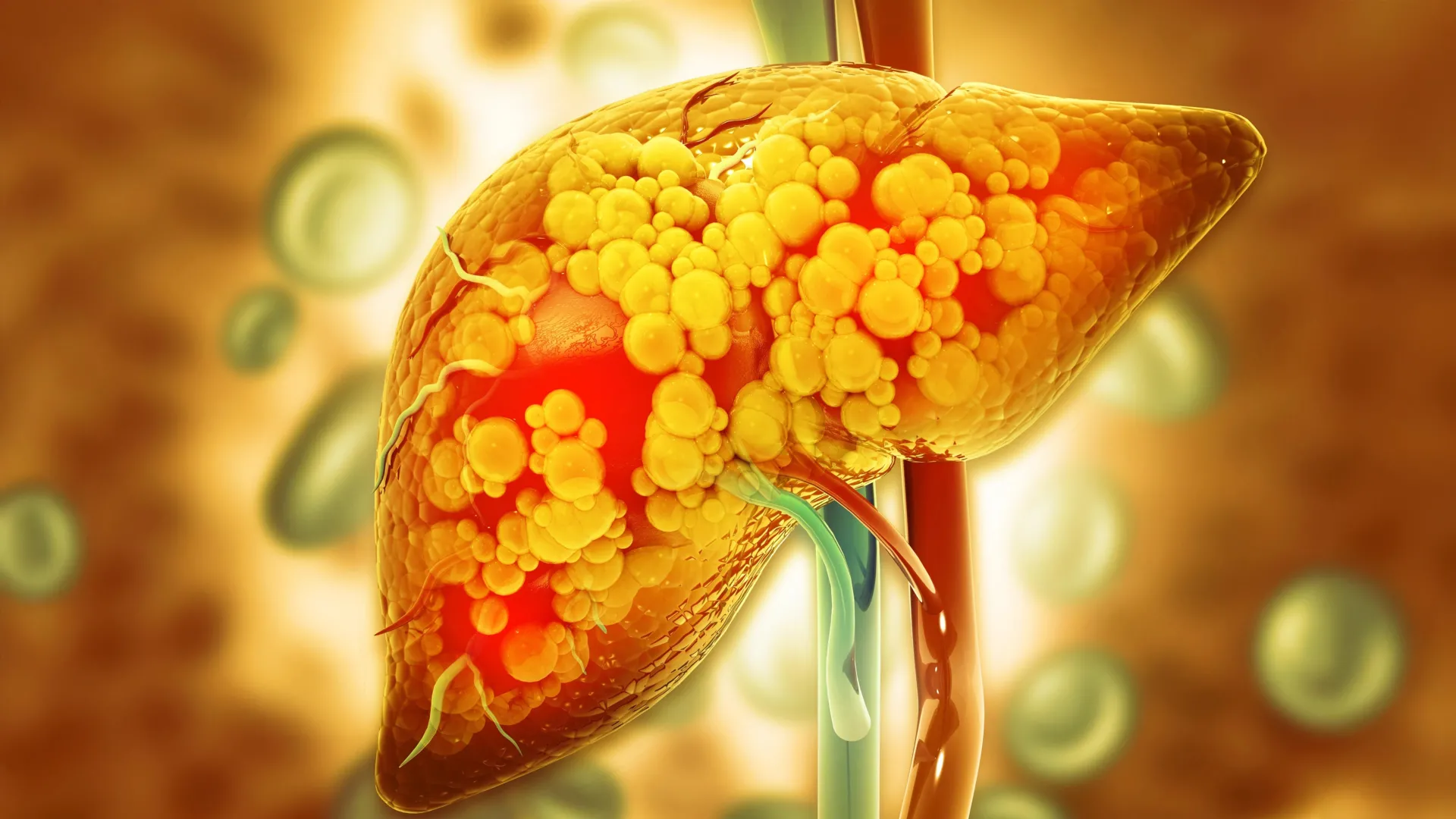
A groundbreaking clinical trial published on August 27 in the prestigious journal Cell Metabolism suggests that a very low-carbohydrate, high-fat ketogenic diet may offer more significant metabolic advantages for individuals struggling with obesity and prediabetes compared to both a Mediterranean diet and a conventional low-fat diet. The study, which followed participants for four to five months, found that approximately half of those adhering to a ketogenic (or "Keto") diet no longer met the diagnostic criteria for prediabetes, indicating a substantial improvement in metabolic health.
The research, spearheaded by Samuel Klein, the study’s corresponding author at Washington University School of Medicine in St. Louis, Missouri, addresses a long-standing question in weight management and metabolic health: whether the type of diet matters more than simply losing weight. "We know weight loss can improve metabolic health in people who are obese," Dr. Klein stated. "Our data suggest that if you have high liver fat content and prediabetes, reducing carbohydrate intake can have important therapeutic effects on metabolism beyond just weight loss alone." This finding carries significant implications for public health strategies aimed at combating the escalating rates of obesity and type 2 diabetes, with an estimated 40% of adults in the United States currently classified as obese.
Comparing Popular Weight Loss Approaches
For years, healthcare professionals have recommended various dietary approaches for weight loss, including low-fat, low-carbohydrate, and Mediterranean diets. However, empirical evidence comparing their distinct impacts on metabolic markers, beyond the generalized benefits of weight reduction, has been limited. The current study sought to fill this knowledge gap by directly comparing the effects of three distinct dietary patterns, each characterized by its macronutrient composition.
The ketogenic diet, often referred to as the Atkins or Keto diet, is characterized by a severe restriction of carbohydrates, typically consuming less than 50 grams per day, with a high intake of fats and moderate protein. In stark contrast, a low-fat diet can derive up to 70% of its energy from carbohydrates, with fat intake significantly limited. The Mediterranean diet, on the other hand, emphasizes plant-based foods like vegetables, fruits, olive oil, nuts, and seeds, incorporating moderate amounts of fish and dairy, while limiting red meat and processed foods. This diet typically falls in the middle regarding carbohydrate and fat intake, offering a more balanced macronutrient profile.
Study Design and Participant Profile
To rigorously assess these differences, Klein and his research team recruited 42 participants diagnosed with obesity, prediabetes, and non-alcoholic fatty liver disease (NAFLD). NAFLD is a condition where excess fat accumulates in the liver, often linked to obesity and insulin resistance, and is a significant risk factor for metabolic syndrome and type 2 diabetes. The participants were randomly assigned to one of three dietary groups: a ketogenic diet, a Mediterranean diet, or a low-fat, plant-forward diet.
A critical aspect of the study’s design was the provision of all meals by the research team. This meticulous control ensured adherence to the prescribed diets and minimized confounding factors related to food choices and preparation. Participants also engaged in weekly consultations with registered dietitians, providing ongoing support and guidance to maintain their assigned eating plans. This comprehensive approach allowed researchers to isolate the effects of the dietary composition itself.
Macronutrient Breakdown and Caloric Control
The three diets were precisely defined in terms of their macronutrient distribution:
-
Ketogenic Diet: This group consumed a diet where a mere 4% of total calories came from carbohydrates, with a substantial 73% derived from fats and the remaining 23% from protein. This aligns with the strict definition of a ketogenic diet, designed to induce ketosis, a metabolic state where the body burns fat for fuel.
-
Mediterranean Diet: Participants in this group received a diet where carbohydrates accounted for 50% of calories, fats for 35%, and protein for 15%. This reflects a more traditional Mediterranean eating pattern, rich in whole grains, fruits, vegetables, and healthy fats.
-
Plant-Forward Diet: This group followed a low-fat diet, with a high carbohydrate intake of 70% of calories, 15% from fat, and 15% from protein. This diet emphasized plant-based sources and was designed to be low in overall fat content.
Crucially, the researchers implemented a strategy to match weight loss across all groups. Calorie intake was individually adjusted for each participant to ensure they achieved approximately a 10% reduction in their baseline body weight. This crucial step allowed the study to differentiate between the metabolic benefits attributable to weight loss itself and those specifically derived from the dietary composition. The average duration required to achieve this 10% weight loss target was between four and five months.
Metabolic Improvements Across All Diets
By the conclusion of the four-to-five-month intervention period, all three dietary groups demonstrated significant positive changes in key health indicators. Participants in every group experienced a notable reduction in overall body fat. Furthermore, insulin sensitivity, a critical measure of how effectively the body utilizes insulin to regulate blood sugar levels, improved across all three dietary interventions. Enhanced insulin sensitivity is a cornerstone of preventing and managing type 2 diabetes.
However, the magnitude and nature of these improvements varied significantly among the groups, particularly concerning liver fat and markers of metabolic dysregulation.
Ketogenic Diet Achieves Unparalleled Reductions in Liver Fat
Despite achieving comparable levels of weight loss, the ketogenic diet emerged as the clear frontrunner in improving liver and metabolic health markers. Participants following the ketogenic diet experienced an average reduction of 67% in their liver fat content. This stands in stark contrast to the Mediterranean and plant-forward groups, which saw an average reduction of 45% in liver fat. The substantial decrease in liver fat is particularly significant, as excess liver fat is a primary driver of insulin resistance and metabolic dysfunction.
Further analysis of participants’ metabolism over a 24-hour period, through repeated blood sampling, revealed distinct hormonal responses. Individuals on the ketogenic diet exhibited the most pronounced increase in glucagon levels. Glucagon is a hormone that plays a crucial role in glucose metabolism and can help mobilize stored fat from the liver. Concurrently, the ketogenic group demonstrated the greatest decline in blood insulin levels. Lower insulin levels, especially in the context of reduced carbohydrate intake, can facilitate the release of stored fat from the liver, contributing to its reduction.
"The most surprising finding was that participants in the ketogenic diet group didn’t experience an increase in blood fat or cholesterol levels despite consuming the most fat," noted Max Petersen, the study’s first author, also from Washington University School of Medicine. This observation challenges common misconceptions about high-fat diets and cardiovascular risk, suggesting that the metabolic context and overall dietary composition play a vital role in how fats are processed by the body.
Prediabetes Reversal Most Prominent with Ketogenic Eating
Perhaps the most compelling outcome of the study was the significant impact of the ketogenic diet on prediabetes reversal. After the weight loss intervention, approximately 50% of participants who adhered to the ketogenic diet no longer met the diagnostic criteria for prediabetes. This success rate far surpassed that of the other groups: only 29% of participants on the Mediterranean diet and a mere 7% of those following the plant-forward diet achieved prediabetes remission.
Prediabetes is a critical warning sign, indicating that an individual’s blood sugar levels are higher than normal but not yet high enough to be diagnosed as type 2 diabetes. Reversing prediabetes is paramount to preventing the onset of diabetes and its associated long-term health complications, including cardiovascular disease, kidney damage, nerve damage, and vision problems. The study’s findings suggest that the ketogenic diet may offer a powerful therapeutic tool for individuals at high risk of developing type 2 diabetes.
Broader Implications for Obesity and Metabolic Disease Management
The implications of this research extend far beyond the specific participants in the trial. The escalating global epidemic of obesity and type 2 diabetes represents a profound public health crisis. While weight loss is unequivocally beneficial, the study highlights that how that weight loss is achieved through dietary means can have differential effects on metabolic health.
The success of the ketogenic diet in improving insulin sensitivity, reducing liver fat, and reversing prediabetes, even when matched for weight loss, suggests that dietary carbohydrate restriction may be a particularly potent strategy for individuals with metabolic derangements. This is especially relevant for those with fatty liver disease and insulin resistance, conditions that are increasingly prevalent.
Dr. Petersen further commented on the evolving landscape of obesity treatment: "GLP-1-based medications have revolutionized the therapy of obesity. We now have a very effective pharmacotherapy for achieving significant weight loss," he stated. "But in addition, our study shows that the specific composition of the diet can give you added benefits." This suggests a synergistic approach, where dietary interventions may complement pharmacological treatments, offering a more comprehensive strategy for managing obesity and its related metabolic comorbidities.
Future Directions and Expert Commentary
While this study provides robust evidence, further research is warranted to explore the long-term sustainability and potential side effects of ketogenic diets in diverse populations. Understanding individual responses to different dietary patterns is also crucial, as not all individuals may tolerate or benefit equally from a ketogenic approach.
The study was made possible through funding from the National Institutes of Health and the Foundation for Barnes-Jewish Hospital, underscoring the importance of public and philanthropic support for rigorous scientific inquiry into pressing health issues.
The findings from Washington University School of Medicine represent a significant advancement in our understanding of dietary interventions for metabolic health. They offer a promising avenue for clinicians and patients alike, suggesting that a well-formulated, very low-carbohydrate, high-fat diet could be a powerful tool in the fight against obesity and the burgeoning epidemic of type 2 diabetes. The focus on metabolic improvements beyond simple weight loss underscores a critical shift towards a more nuanced and personalized approach to dietary recommendations.