The Shift Toward Integrated Financial Infrastructure
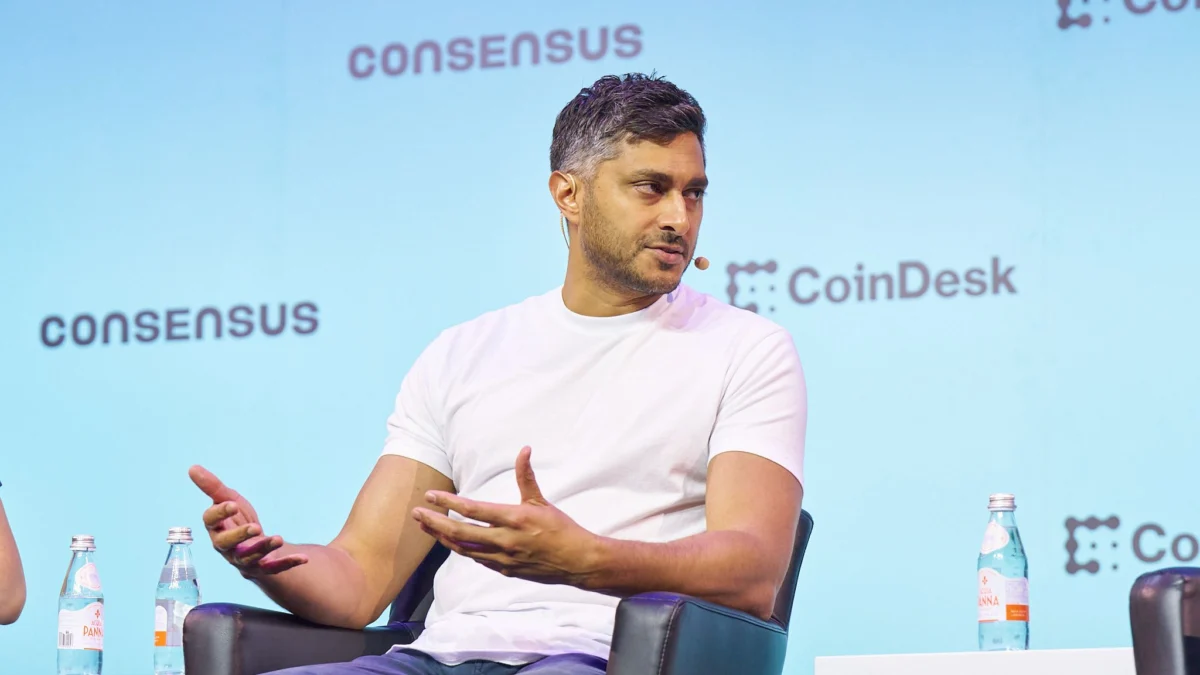
The core of Payward’s new strategy lies in the unification of services that have historically operated in silos. Traditionally, a customer might use one platform for retail crypto trading, another for cross-border payments, and a third for institutional-grade asset custody. By integrating these functions onto a common technological backend, Payward aims to eliminate the frictions associated with moving capital between different financial products. Arjun Sethi has characterized this move as a "billion-dollar bet" on the future of global finance, where the distinction between "crypto" and "traditional finance" (TradFi) becomes increasingly irrelevant.
This unification strategy is built on the premise that blockchain technology is not merely an asset class but a superior form of financial plumbing. By moving trading, settlement, and asset management onto a shared ledger system, Payward intends to offer real-time settlement, reduced counterparty risk, and lower operational costs. This approach mirrors the broader industry trend of "tokenization," where real-world assets (RWAs) such as stocks, bonds, and real estate are issued and managed on decentralized or hybrid ledgers.
A Chronology of Evolution: From Exchange to Ecosystem
To understand Payward’s current trajectory, it is essential to view the company’s evolution through a chronological lens. Founded in 2011 by Jesse Powell, Kraken was one of the earliest entrants into the cryptocurrency space, primarily serving as a gateway for Bitcoin enthusiasts.
- 2011–2014: The Foundation. Kraken focuses on security and regulatory compliance following the collapse of early competitors like Mt. Gox. It becomes the first crypto exchange to have its market data displayed on the Bloomberg Terminal.
- 2017–2021: Global Expansion. The company embarks on a series of acquisitions to expand its footprint, including Coinsetter, Cavavir, and Crypto Facilities. In 2020, Kraken becomes the first digital asset company in U.S. history to receive a bank charter—a Special Purpose Depository Institution (SPDI) license in Wyoming.
- 2022–2023: Leadership Transition. Founder Jesse Powell steps down as CEO, assuming the role of Chairman. Dave Ripley takes the helm, steering the company through a period of intense regulatory scrutiny in the United States, including a $30 million settlement with the SEC over its staking services.
- 2024–2026: The Infrastructure Era. Arjun Sethi is appointed co-CEO to work alongside Ripley. The company launches "Kraken Institutional" to compete with Coinbase Prime and BlackRock’s digital initiatives. In late 2024, the company announces the development of "Ink," its own Ethereum Layer 2 network, designed to serve as the technological foundation for its decentralized finance (DeFi) ambitions.
By 2026, the vision has matured into the "common rails" strategy, where the company’s focus shifts from facilitating trades to providing the underlying architecture for the next generation of global finance.
The Four Pillars of the Unified Platform
Payward’s infrastructure play is divided into four primary segments, each designed to feed into and reinforce the others.
1. Unified Trading
Rather than maintaining separate platforms for retail and professional traders, Payward is moving toward a converged execution environment. This includes the integration of spot trading, derivatives, and structured products. By centralizing liquidity, the company can offer tighter spreads and better execution for both a retail user buying $100 of Bitcoin and a hedge fund executing a multi-million dollar arbitrage strategy.
2. Payments and On-Ramping
The company is aggressively expanding its payments division to bridge the gap between fiat currencies and digital assets. This involves building out direct integrations with global banking networks, reducing the reliance on third-party intermediaries. The goal is to make moving value into the crypto ecosystem as seamless as a domestic bank transfer, effectively positioning Kraken as a global payments processor.
3. Asset Management and Custody
With the rise of spot Bitcoin and Ethereum ETFs, the demand for institutional-grade custody has surged. Payward’s asset management arm is focusing on providing secure, transparent, and audited storage solutions. Beyond simple custody, the company is exploring "prime services," allowing institutional clients to borrow, lend, and stake assets directly from their cold storage accounts.
4. Institutional Services
Kraken Institutional is perhaps the most critical component of the infrastructure bet. It targets family offices, sovereign wealth funds, and corporate treasuries. By providing a "one-stop shop" that includes a dedicated over-the-counter (OTC) desk, high-touch account management, and advanced reporting tools, Payward is positioning itself as the primary interface for institutional capital entering the digital asset space.
Supporting Data and Market Position
The scale of Payward’s ambition is reflected in its financial standing and market performance. While the company remains private, various funding rounds and secondary market valuations have placed the firm’s value between $8 billion and $11 billion over the past several years.
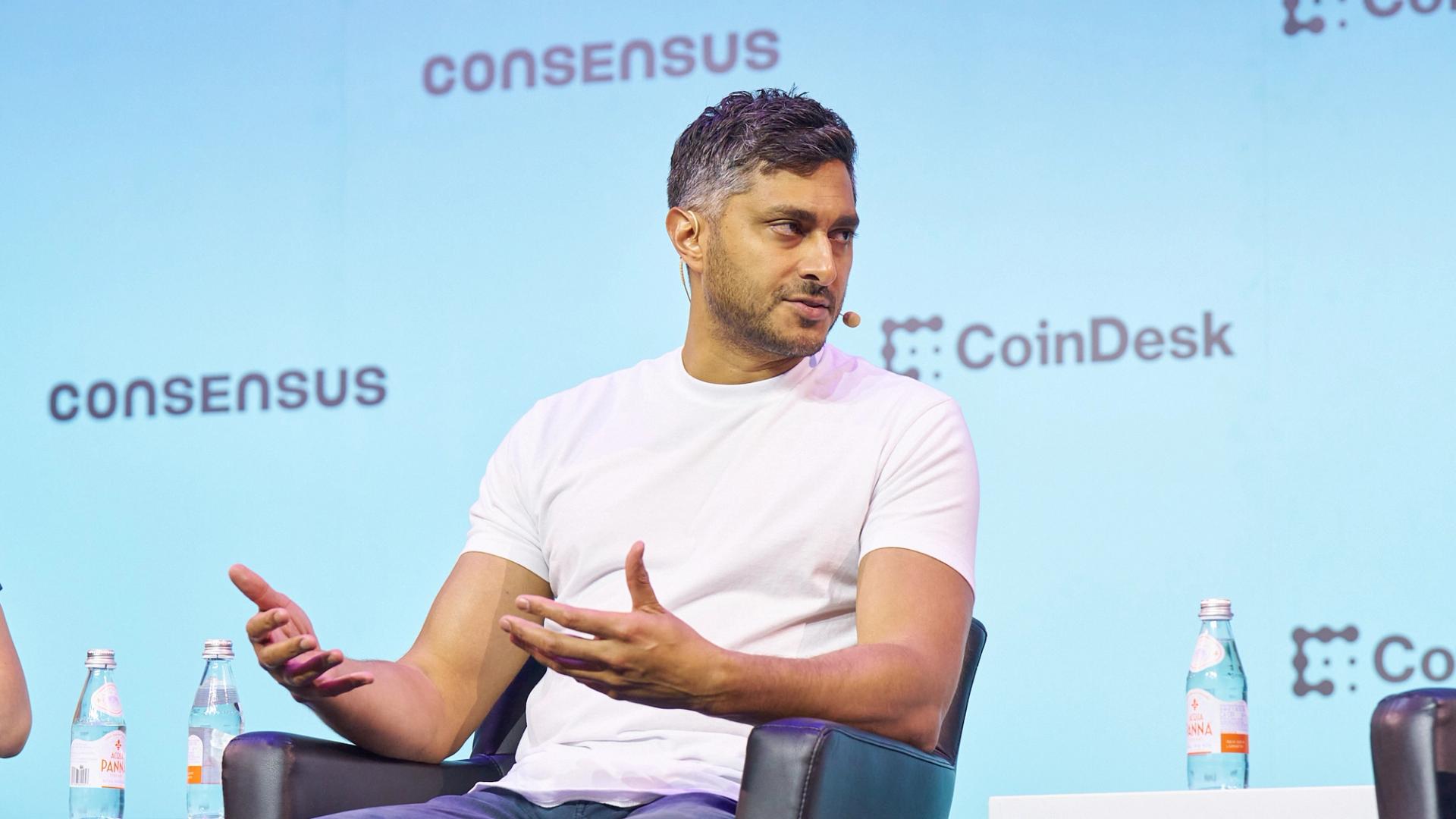
According to market data, Kraken consistently ranks among the top five global exchanges by liquidity and volume, particularly in Euro and British Pound trading pairs. In 2024, the exchange handled an estimated $600 billion to $800 billion in annual trading volume. However, the shift toward infrastructure is intended to diversify revenue away from volatile trading fees. Infrastructure-as-a-Service (IaaS) models—such as charging for API access, custody fees, and settlement services—provide more predictable, recurring revenue streams that are less dependent on market cycles.
Furthermore, the launch of the "Ink" Layer 2 network is a strategic move to capture the "on-chain" economy. By building its own blockchain, Payward can earn sequencer fees and provide a controlled environment for institutional DeFi applications, potentially tapping into a market that analysts estimate could reach trillions of dollars as traditional securities are tokenized.
Regulatory Landscape and Official Responses
Payward’s transition into a financial infrastructure provider is occurring against a backdrop of complex global regulations. The company has historically maintained a "compliance-first" stance, though it has not been immune to friction with U.S. regulators.
In response to the SEC’s ongoing efforts to classify various digital assets as securities, Payward has expanded its legal and compliance teams, which now represent a significant portion of its total headcount. Company officials have frequently stated that a clear regulatory framework is a prerequisite for the mass adoption of digital financial infrastructure.
"We are not just building for the next bull market; we are building for the next century of finance," a company spokesperson noted in a recent briefing. "Becoming a core part of the world’s financial infrastructure requires a level of transparency and regulatory cooperation that goes far beyond what is expected of a simple exchange."
Internationally, Payward has been active in securing licenses in jurisdictions like the United Arab Emirates, the European Union (under the MiCA framework), and various Asian markets. This global "regulatory moat" is a key part of the infrastructure bet, as it allows the company to offer cross-border services that few competitors can match.
Broader Impact and Industry Implications
The transformation of Payward from an exchange to an infrastructure provider has profound implications for the broader financial industry. If successful, it could signal the end of the "crypto silo," where digital assets are treated as an isolated, speculative niche.
For traditional banks, the rise of companies like Payward presents both a threat and an opportunity. Banks that fail to modernize their legacy systems may find themselves bypassed by faster, cheaper blockchain-based rails. Conversely, forward-thinking institutions may seek to partner with Payward, using its infrastructure to offer digital asset services to their own clients without having to build the technology from scratch.
Moreover, the "common rails" approach could significantly improve financial inclusion and efficiency in emerging markets. By lowering the cost of cross-border payments and providing access to global capital markets via tokenized assets, Payward’s infrastructure could empower millions of individuals and small businesses who are currently underserved by the traditional banking system.
However, the path is not without risks. The transition requires massive capital expenditure and faces intense competition from other crypto giants like Coinbase and Binance, as well as incumbent financial powerhouses like JPMorgan Chase and Fidelity, who are also building their own blockchain solutions. Furthermore, any significant technical failure or security breach on these "common rails" could have systemic implications, given the scale of assets the company intends to manage.
As Arjun Sethi and Dave Ripley steer Payward into this new era, the "billion-dollar bet" will be tested by market adoption, regulatory evolution, and the company’s ability to maintain its technological edge. The outcome will likely determine whether Payward remains a dominant player in the crypto space or evolves into one of the foundational pillars of the global financial system.