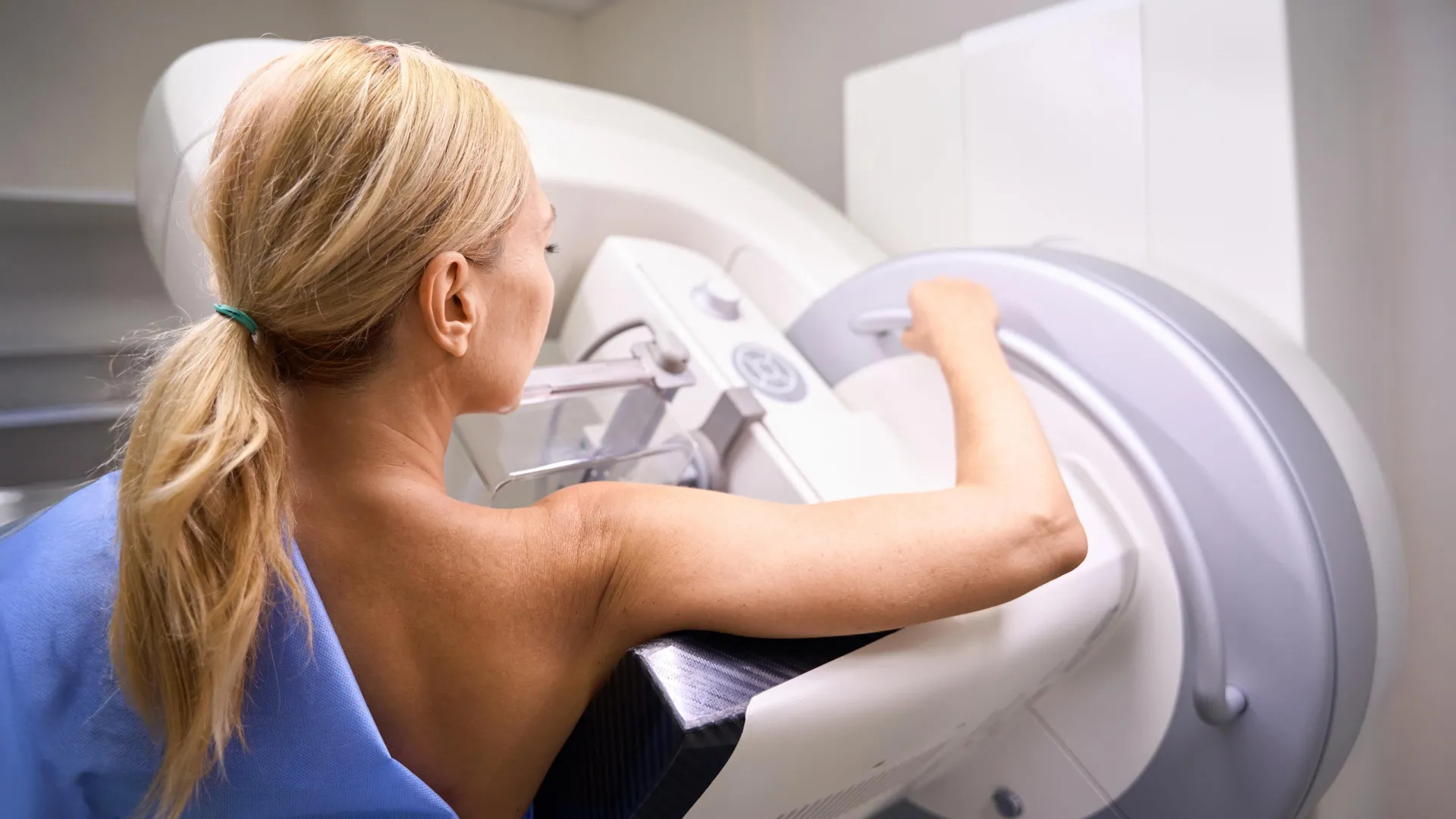
The persistent debate surrounding the phenomenon of overdiagnosis in breast cancer screening has been significantly reframed by a comprehensive new study. For decades, concerns have been raised that mammography screening can identify cancers that would never have posed a threat to a woman’s health or led to symptomatic disease during her lifetime. While this potential drawback has long been acknowledged, the precise extent of overdiagnosis has remained a subject of intense scientific scrutiny and international discussion. New research, pooling data from numerous randomized controlled trials and comparing it with real-world screening data from Denmark, suggests that previous high estimates of overdiagnosis, some reaching as high as 30-50%, may have been overstated due to methodological considerations, particularly concerning the timing of data analysis. The findings indicate that when analyzed with a more nuanced temporal perspective, the rate of overdiagnosis in breast cancer screening could be substantially lower, potentially below 5%.
Unpacking the Overdiagnosis Dilemma
Overdiagnosis, in the context of breast cancer screening, refers to the detection of a malignant tumor that, left undetected, would not have caused symptoms or proven fatal for the individual. This means that women diagnosed with such cancers might undergo unnecessary treatments, including surgery, radiation, and chemotherapy, with associated physical, emotional, and financial burdens, without any tangible benefit to their longevity or quality of life. The definition can also encompass cases where a woman is diagnosed with breast cancer shortly before succumbing to another unrelated health condition, rendering the screening and subsequent treatment of the breast cancer of little or no consequence to her overall survival.
The challenge in quantifying overdiagnosis lies in the inherent nature of screening itself. Screening is designed to detect disease at its earliest, often asymptomatic, stages. This proactive detection inevitably leads to an initial surge in cancer diagnoses compared to populations not undergoing screening. Differentiating between cancers truly caught early and those that would have progressed to symptomatic or life-threatening disease versus those that would have remained indolent or regressed is scientifically complex.
A Novel Approach to Old Data
The groundbreaking study, led by researchers from the University of Southern Denmark and Lillebælt Hospital, in collaboration with institutions including the University of Copenhagen and Queen Mary University of London, sought to provide a more definitive answer. Their methodology involved a meta-analysis of all available randomized controlled trials (RCTs) investigating mammography screening. Crucially, these pooled trial data were then compared against long-term observational data from Denmark, a country with a well-established and regionally phased breast cancer screening program.
"The aim of our study was to bring together the evidence from all randomized controlled trials to get a clearer picture of the extent of overdiagnosis in breast cancer screening," explained Sisse Helle Njor, professor at the University of Southern Denmark and Lillebælt Hospital. "Randomized trials have often been cited as evidence that overdiagnosis is a substantial problem. Our study shows that this interpretation is not as straightforward as it may seem."
The Danish context proved invaluable. Organized breast cancer screening was introduced in different regions of Denmark at varying times, with some areas initiating programs up to 17 years before others. This staggered implementation allowed researchers to observe the immediate and long-term effects of screening introduction on breast cancer incidence rates in a real-world setting, providing a robust reference point.
The Critical Role of Timing in Incidence Data
A central finding of the study hinges on the critical impact of timing in interpreting screening trial data. When mammography screening is introduced, an immediate and expected increase in breast cancer diagnoses is observed. This is because cancers that would have been detected later in life, or perhaps never at all, are now identified earlier. However, the study’s authors emphasize that this initial rise should, over time, be followed by a subsequent decrease in incidence rates in the screened population relative to the unscreened or control group. This expected decline reflects the shifting forward in time of diagnoses, not necessarily overdiagnosis.
"When screening is introduced, the number of breast cancer diagnoses initially rises because cancers are detected earlier than they would have been without screening. Over time, this should be followed by a drop, as some of these cancers would otherwise have been diagnosed later," stated Elsebeth Lynge, professor emerita at the Department of Public Health, University of Copenhagen. "This pattern can also be affected if women in either group continue to undergo screening after the trials had ended, which was common. If researchers do not take these factors into account, the initial increase can be mistaken for overdiagnosis."
The researchers meticulously compared breast cancer incidence at equivalent time points within the randomized trials and Denmark’s routine screening programs. This comparative approach allowed them to assess whether the temporal patterns of diagnosis mirrored each other and, by extension, to derive a more accurate estimate of overdiagnosis.
Matejka Rebolj, Senior Epidemiologist at Queen Mary University of London, elaborated on the implications of this temporal analysis: "Taken together, we believe some previous high estimates of overdiagnosis, which influenced screening guidelines and communication, were based on evidence before trial data had fully matured. When interpreted in their full temporal context, randomized trial data are consistent with overdiagnosis of less than five percent, rather than with estimates nearing 50%."
Re-examining the Evidence: A Deeper Dive into Mammography Trials
The study’s rigorous reanalysis incorporated data from all eight major randomized trials of mammography screening conducted globally. These trials include the New York Health Insurance Plan (HIP) study, the Malmö trial, the Two-County trial, the Edinburgh trial, the Canadian National Breast Screening Study (CNBSS), the Stockholm trial, the Gothenburg trial, and the UK Age trial. The researchers specifically examined both invasive breast cancer and ductal carcinoma in situ (DCIS), a non-invasive form of breast cancer that has also been a focus of overdiagnosis discussions.
Three key factors were identified as crucial for a more accurate assessment of overdiagnosis:
- Screening Exposure: Ensuring that the comparison groups in the trials accurately reflect differences in actual screening uptake. This involves accounting for women who may have received screening outside the trial protocol or for variations in adherence within the designated screening groups.
- Follow-up Duration: Recognizing that the full temporal impact of screening on incidence rates, including the anticipated decline after the initial rise, requires sufficiently long follow-up periods. Studies with shorter follow-up times may capture only the initial increase and misinterpret it as overdiagnosis.
- Time to Diagnosis: Analyzing how the introduction of screening shifts the timeline of diagnoses, understanding that the primary effect is often an earlier detection rather than the detection of inherently indolent cancers.
By meticulously accounting for these temporal dynamics and variations in screening exposure and follow-up across the included trials, the study’s findings present a significantly different picture of overdiagnosis. The convergence of these re-analyzed trial data with Denmark’s real-world screening patterns strongly suggests that the problem of overdiagnosis, while real, may be far less prevalent than previously feared.
Implications for Women and Clinical Practice
The potential for overdiagnosis has been a significant point of contention in public health discussions and has understandably caused apprehension among women invited for breast cancer screening. Understanding both the substantial benefits of early detection and the potential harms of unnecessary treatment is crucial for informed decision-making.
The new study’s findings offer a measure of reassurance. "Most women will not develop breast cancer, but with this study we can now be reassured that the benefits of detecting breast cancer early and preventing premature death will outweigh the small risk of unnecessary treatment," stated Professor Njor. This revised perspective is vital for public health messaging and for empowering women to make choices aligned with the latest scientific evidence.
The study’s authors hope that their work will provide a more realistic framework for interpreting the evidence base of breast cancer screening. "With this in mind, we hope this study will provide a framework for a more realistic interpretation of the evidence and help us better inform women when they are invited for screening," added Professor Njor. This improved clarity can foster greater trust in screening programs and ensure that women receive accurate information to guide their participation.
Broader Impact and Future Directions
The implications of this research extend beyond simply revising statistics. A more accurate understanding of overdiagnosis can influence national screening guidelines, resource allocation for cancer care, and the development of more sophisticated screening technologies and diagnostic tools. It underscores the importance of ongoing methodological refinement in epidemiological research, particularly in evaluating long-term health interventions.
The study’s meticulous approach, combining meta-analysis with real-world data and focusing on temporal dynamics, sets a new benchmark for research in this field. Future research may further explore the characteristics of cancers that are truly overdiagnosed, potentially leading to more personalized screening strategies that could further minimize unnecessary interventions while maximizing the benefits of early detection for those at highest risk. The scientific community will likely engage in further debate and validation of these findings, building upon this substantial contribution to the understanding of breast cancer screening’s complex landscape.
The research was supported by funding from the Novo Nordisk Foundation (reference: NNF22OC0076184) for Casper Urth Pedersen and Cancer Research UK (reference: C8162/A29083) for Matejka Rebolj.