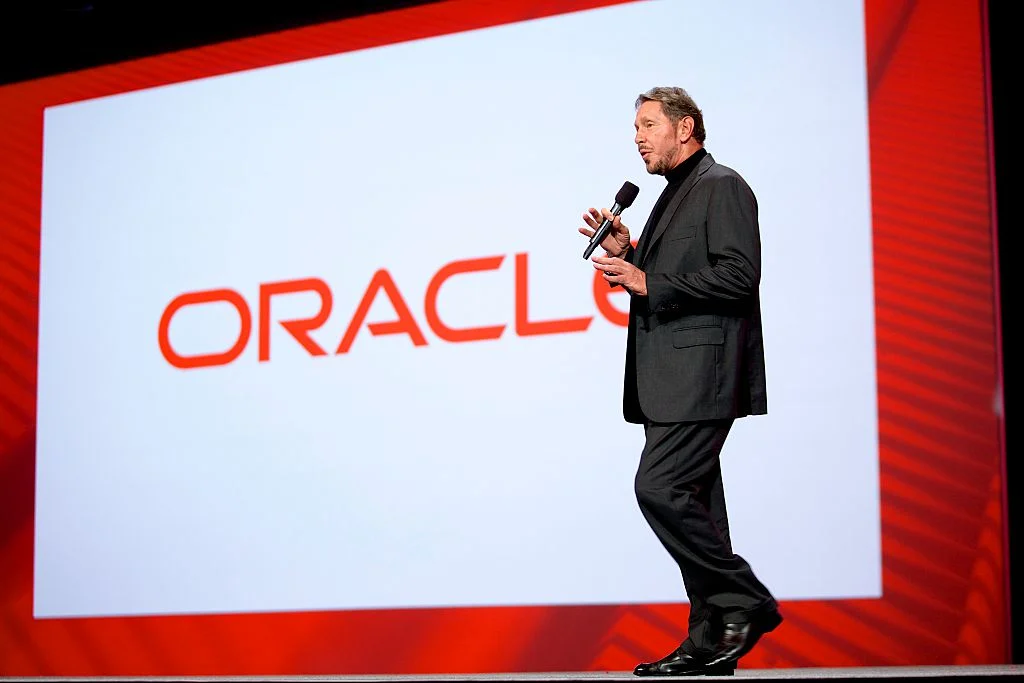
Oracle co-founder and executive chairman Larry Ellison has abruptly canceled a planned sale of 50 million shares of his Oracle stock, a significant transaction valued at approximately $7.5 billion, the company formally announced on Saturday. This unexpected reversal comes after Oracle had previously disclosed the multi-billion-dollar divestiture plan in a regulatory filing, catching market observers and investors by surprise. The tech giant, however, offered no specific reason for Ellison’s change of heart, leaving a void for various interpretations regarding the company’s financial health, Ellison’s long-term vision for Oracle, and broader market conditions.
Ellison’s Enduring Influence and the Scale of the Transaction
Larry Ellison, a towering figure in the technology industry, is not only Oracle’s co-founder but also its executive chairman and chief technology officer, maintaining an exceptionally hands-on role in the company’s strategic direction decades after its inception. As one of the world’s wealthiest individuals, his personal financial decisions, particularly concerning his primary holding in Oracle, carry immense weight and are often scrutinized for signals about the company’s future trajectory. The planned sale of 50 million shares represented a substantial portion of his vast holdings, estimated to be around 42.9% of Oracle’s outstanding shares prior to the announced cancellation. A sale of this magnitude would have undoubtedly been one of the largest insider transactions in recent memory, potentially influencing Oracle’s stock performance and market perception.
Oracle’s terse statement following the cancellation emphasized, "No Oracle stock was sold under that plan, and he has no other plans to sell any of his Oracle stock." This definitive declaration aims to quash any lingering uncertainty about Ellison’s immediate intentions regarding his equity in the company he helped build into a global software powerhouse. The initial disclosure of the sale plan, likely mandated by regulatory requirements for major insider transactions, had set the stage for a significant shift in Ellison’s personal portfolio. Its subsequent and unexplained cancellation has now become the focal point of discussion among financial analysts and industry watchers.
A Look Back: Chronology of the Planned Sale and Cancellation
The timeline surrounding Ellison’s planned stock sale began with a regulatory filing whose precise date was not publicly emphasized but indicated a forward-looking intention to divest a portion of his Oracle equity. This type of pre-scheduled stock sale, often implemented through a Rule 10b5-1 plan, allows insiders to sell shares at predetermined times or prices to avoid accusations of trading on non-public information. Such plans are typically established well in advance and provide a mechanism for executives to diversify their personal wealth or manage liquidity needs without facing scrutiny over market timing. The fact that the plan was canceled before any shares were sold suggests a dynamic shift in either Ellison’s personal financial strategy, his outlook on Oracle’s valuation, or a response to prevailing market conditions. The cancellation announcement itself was made on a Saturday, often a time chosen by companies to release significant news outside of regular trading hours, allowing for broader dissemination and analysis before markets reopen.
Oracle’s Strategic Investments and Market Headwinds
The cancellation of Ellison’s stock sale unfolds against a backdrop of significant strategic investments and fluctuating market performance for Oracle. As of Sunday afternoon following the announcement, Oracle’s stock had experienced a notable decline, down 22% since the beginning of the year. This performance lags behind the broader technology sector and major indices, highlighting specific pressures or investor concerns unique to the company.
A primary driver of Oracle’s current financial narrative is its aggressive expansion in cloud computing infrastructure. The company has been spending heavily on building and enhancing its data centers globally, a critical investment in its Oracle Cloud Infrastructure (OCI) initiative. This massive capital expenditure is central to Oracle’s strategy to compete with industry giants like Amazon Web Services (AWS), Microsoft Azure, and Google Cloud Platform. The global demand for cloud services, particularly for high-performance computing and artificial intelligence (AI) workloads, has surged, making robust and scalable data center capabilities a competitive imperative. Oracle’s leadership has consistently highlighted OCI as a key growth engine, attracting customers with its enterprise-grade performance, security features, and often more favorable pricing models for specific workloads. The heavy investment in data centers, while crucial for long-term growth, can put short-term pressure on profit margins and free cash flow, which investors closely monitor. Recent earnings reports have underscored this strategic pivot, with executives emphasizing the strong demand for OCI services, especially those tailored for AI development and deployment, despite the significant upfront costs.
Furthermore, Oracle has solidified its position as a major owner and security partner for TikTok’s U.S. operations. This high-profile partnership, which emerged from political and national security concerns surrounding the popular social media platform, involves Oracle providing critical infrastructure and data security oversight for TikTok’s U.S. user data. The deal is significant not only for the revenue streams it generates but also for the prestige and strategic importance it confers upon Oracle, positioning it as a trusted entity capable of handling highly sensitive data for a widely used consumer application. This partnership adds another dimension to Oracle’s cloud ambitions, showcasing its capabilities beyond traditional enterprise software.
Analyzing the Implications: A Vote of Confidence or Prudent Retraction?
The lack of a stated reason for Larry Ellison’s cancellation of such a substantial stock sale has naturally fueled various interpretations among market analysts and financial observers.
One prevailing theory suggests that Ellison’s decision could be a powerful vote of confidence in Oracle’s current valuation and future prospects. By retaining his shares, especially after a 22% year-to-date decline, Ellison might be signaling his belief that the stock is currently undervalued and poised for significant appreciation as Oracle’s cloud and AI investments begin to yield greater returns. A founder of his stature and deep understanding of the company’s strategic roadmap holding onto such a large stake can often reassure investors, implying that he sees substantial upside potential that outweighs the immediate benefit of a multi-billion-dollar sale. This interpretation aligns with Oracle’s ongoing narrative of aggressive growth in its cloud business and its strategic positioning in the burgeoning AI market.
Conversely, some analysts might consider the possibility that the cancellation is a reactive measure to market conditions or specific internal factors. While the company did not elaborate, such decisions can sometimes be influenced by a desire to avoid putting further downward pressure on the stock price, particularly during a period when the shares are already underperforming. A large secondary offering by a major insider can create an overhang in the market, potentially depressing prices. By canceling the sale, Ellison removes this potential pressure point, which could be seen as a supportive gesture to stabilize the stock. It is also plausible that Ellison’s personal liquidity needs or investment strategies may have shifted, rendering the immediate need for such a large cash infusion less critical than previously anticipated. However, without official commentary, these remain speculative considerations.
Regardless of the underlying reason, the cancellation sends a clear message about Ellison’s enduring commitment to Oracle. It reinforces his long-standing dedication to the company’s success and leadership, an aspect that has always been a defining characteristic of his tenure. This unwavering commitment can be a significant psychological boost for Oracle employees and a source of stability for long-term investors.
Ellison’s Broader Financial Landscape
Beyond Oracle, Larry Ellison’s vast wealth and influence extend to other significant ventures. He has notably used his financial muscle to back his son David Ellison’s ambitious endeavors in the entertainment industry. Specifically, Larry Ellison has been a key financial supporter behind David Ellison’s Skydance Media’s efforts, including a substantial reported backing for a proposed acquisition of Paramount Global assets. The original article mentions "Warner Bros." in connection with David’s acquisition attempts, and while the broader media landscape often sees various entities seeking consolidation, the prominent recent news involves Skydance’s bid for Paramount Global, a major player in film, television, and streaming with a rich library of content. This complex media transaction has reportedly involved upwards of $40 billion in backing from Larry Ellison, underscoring his willingness to deploy capital in strategic, high-stakes investments outside of Oracle. The deal has faced considerable scrutiny and is currently contested in court, highlighting the intricate legal and financial challenges inherent in large-scale corporate acquisitions, particularly in the consolidating entertainment sector. These diverse financial commitments demonstrate Ellison’s expansive investment portfolio and his readiness to engage in ventures far removed from enterprise software, yet they also underscore the sheer scale of the capital he commands and allocates.
Looking Ahead: Oracle’s Trajectory and Market Perception
Larry Ellison’s decision to cancel his substantial stock sale marks a pivotal moment for Oracle, inviting deeper scrutiny into its strategic direction and financial health. As Oracle continues its aggressive push into the competitive cloud infrastructure and AI markets, the company’s ability to demonstrate consistent growth, profitability, and return on its significant investments will be paramount. The TikTok partnership and ongoing data center expansion are critical components of this strategy, positioning Oracle to capitalize on emerging technology trends.
The market’s reaction to this cancellation will likely be multifaceted. While some investors may interpret it as a strong endorsement from the founder, others might remain cautious, awaiting more clarity on Oracle’s short-term financial performance and the rationale behind such a significant personal financial maneuver. The absence of an official explanation means that Oracle’s future earnings calls and investor communications will be closely watched for any further insights into the company’s trajectory and Ellison’s continued role in shaping its destiny. The coming quarters will be crucial in determining whether Oracle’s substantial investments translate into sustained market gains, ultimately validating Ellison’s implicit vote of confidence in the company’s long-term value.