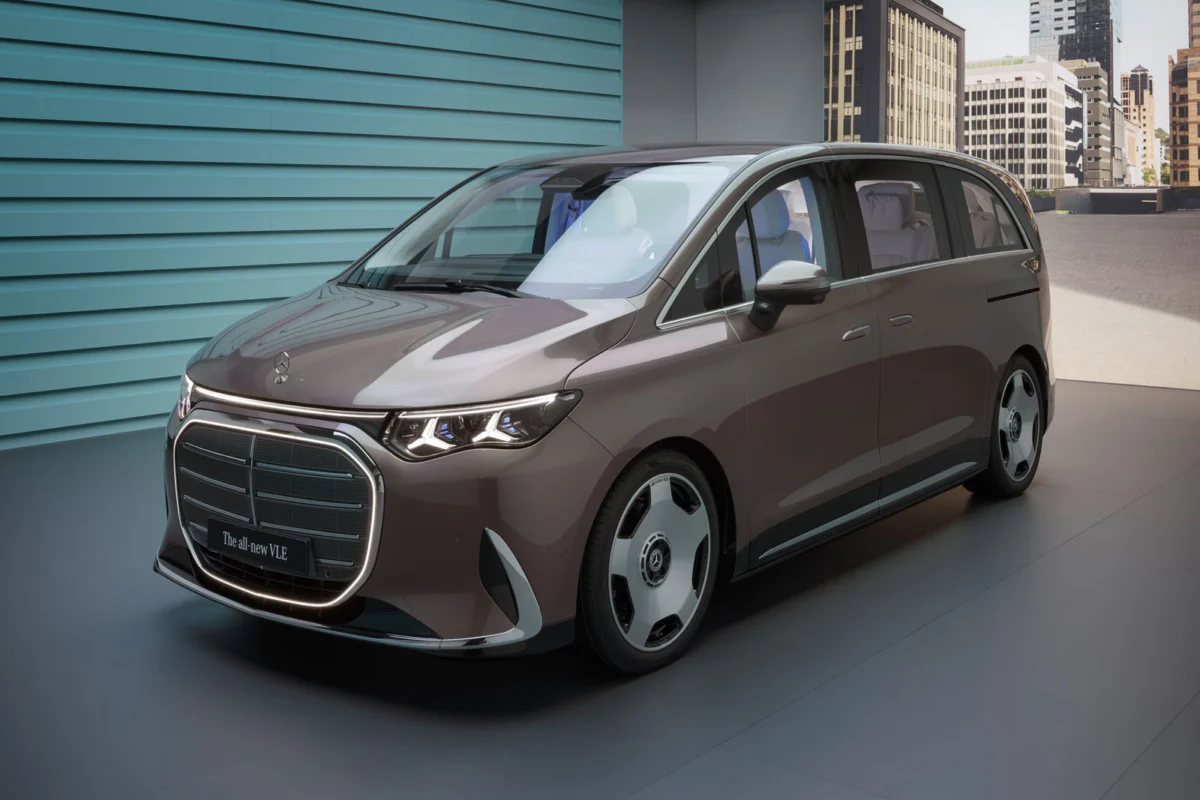
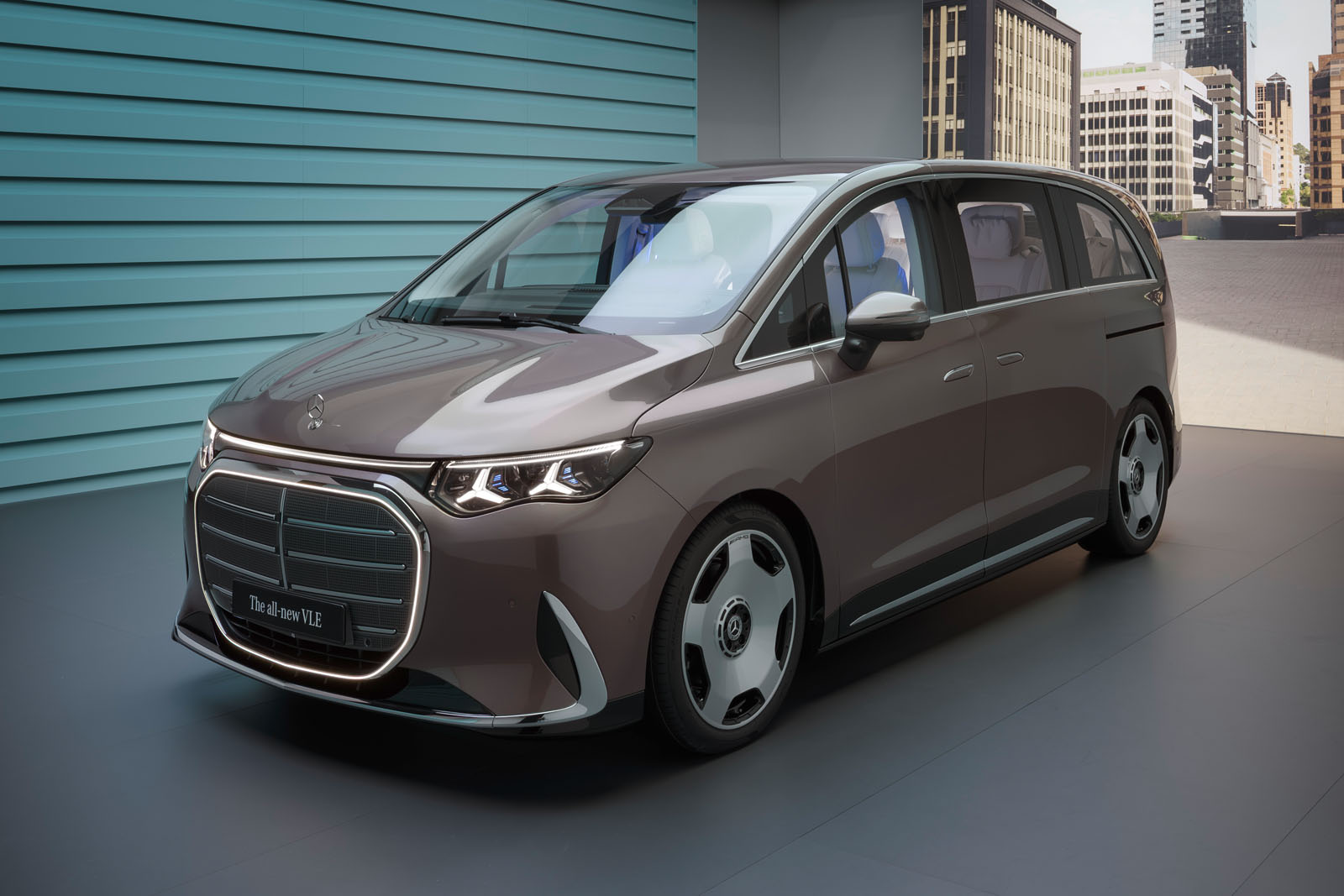
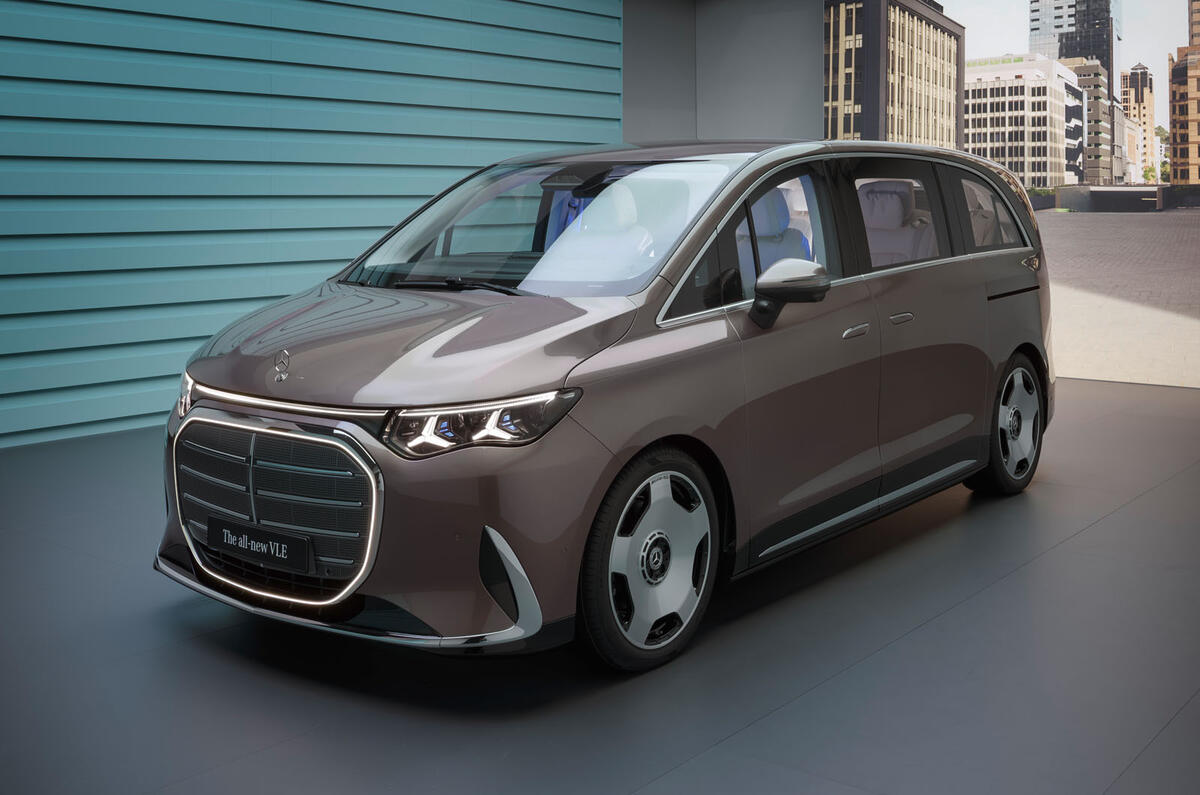
The automotive landscape is preparing for a significant shift in the luxury transport sector as Mercedes-Benz prepares to launch the VLE, a purpose-built electric multi-purpose vehicle (MPV) designed to redefine the high-end people carrier market. Scheduled for a UK debut in 2026, the VLE represents a departure from previous attempts at electrification within the van segment. While its predecessor, the EQV, was largely viewed as a conversion of the existing internal combustion engine (ICE) V-Class, the VLE is built from the ground up on the dedicated VAN.EA (VAN Electric Architecture) platform. This strategic pivot aims to address the limitations of the EQV—namely range, packaging, and luxury integration—while positioning Mercedes-Benz as the dominant force in the rapidly growing market for zero-emission executive transport.
The Strategic Pivot: Beyond the EQV
The Mercedes-Benz EQV, introduced in 2020, served as an early entry into the electric MPV space. However, because it utilized the aging platform of the diesel-powered Vito and V-Class, it faced inherent compromises. The placement of batteries within a chassis designed for engines limited efficiency, while the 90kWh battery pack offered a real-world range that often fell short of the requirements for long-distance chauffeur work.
The upcoming VLE is designed to erase these shortcomings. By utilizing the VAN.EA platform, Mercedes-Benz engineers have been able to optimize the floor plan for battery density and passenger comfort. The VLE is not merely a van with an electric motor; it is being marketed as a "private jet for the road," targeting high-net-worth individuals, luxury hotels, and corporate fleet operators. The head of Mercedes-Benz Vans in the UK has noted that the VLE will jump-start a market that has remained at a "low base" due to the lack of specialized, high-range electric options.
The London Market: A Critical Battleground
A central pillar of the VLE’s launch strategy is the city of London. As one of the world’s most stringent regulatory environments for vehicle emissions, the UK capital has become a catalyst for electric vehicle adoption in the private hire and chauffeur sectors. With the expansion of the Ultra Low Emission Zone (ULEZ) and the tightening of Transport for London (TfL) licensing requirements—which now mandate that all newly licensed private hire vehicles must be zero-emission capable—the demand for luxury electric MPVs has reached a fever pitch.
London’s luxury chauffeur industry has historically relied on the diesel V-Class as the gold standard for airport transfers and executive travel. However, as corporate ESG (Environmental, Social, and Governance) targets become more aggressive, blue-chip companies are demanding zero-emission transport for their executives. The VLE is positioned to fill this vacuum. By offering a vehicle that combines the prestige of the Mercedes-Benz three-pointed star with a range that can comfortably handle multiple Heathrow-to-Central-London rotations on a single charge, the VLE aims to become the default choice for the city’s elite fleet operators.
Technical Foundation: The VAN.EA Architecture
The VLE is the first of a new generation of vehicles built on the VAN.EA platform, which Mercedes-Benz announced as part of its "Electric Only" strategy. This architecture is modular and scalable, divided into three distinct "blocks":
- The Front Block: Standardized across all variants, containing the electric powertrain and front axle.
- The Center Block: Scalable to accommodate different battery capacities and vehicle lengths, allowing for the VLE to offer various configurations from executive four-seaters to eight-passenger layouts.
- The Rear Block: Available with or without an additional electric motor, enabling both front-wheel drive and all-wheel drive (4MATIC) configurations.
Industry analysts expect the VLE to feature an 800-volt electrical architecture, a significant upgrade from the 400-volt system found in the EQV. This will allow for ultra-fast charging speeds, potentially adding 150 miles of range in just 15 minutes. Such capabilities are essential for the professional chauffeur market, where downtime for charging translates directly into lost revenue.
Chronology of Mercedes-Benz MPV Evolution
To understand the significance of the VLE, one must look at the timeline of Mercedes-Benz’s development in the van-based MPV segment:
- 1996: Launch of the first-generation V-Class (W638), bringing passenger-car luxury to the van segment.
- 2003: Introduction of the Viano (W639), which further refined the interior quality and ride comfort.
- 2014: The third-generation V-Class (W447) debuts, setting a new benchmark for luxury MPVs and becoming a staple of the global chauffeur industry.
- 2020: The EQV is launched as Mercedes’ first fully electric premium MPV, utilizing the W447 platform.
- 2023: Mercedes-Benz announces the VAN.EA platform, signaling the end of "multi-energy" platforms for its van division.
- 2024-2025: Final testing phases for the VLE in extreme climates, including Arctic and desert conditions.
- 2026: Official UK launch of the VLE and the commencement of deliveries to commercial and private customers.
Competitive Landscape and Market Data
The VLE enters a market that is no longer uncontested. While Mercedes-Benz once held a near-monopoly on the luxury MPV segment, new entrants have emerged. The Lexus LM, though primarily a hybrid, has captured a portion of the ultra-luxury market with its "Takumi" craftsmanship and four-seat "Emperor" configuration. Meanwhile, Chinese manufacturers are making aggressive inroads into Europe with models like the Zeekr 009 and the Volvo EM90 (which shares the Zeekr platform).
Data from the Society of Motor Manufacturers and Traders (SMMT) indicates that while the overall van market has seen steady growth, the "premium passenger" sub-segment has been restricted by supply chain issues and a lack of electric options. In 2023, electric vans accounted for approximately 5.2% of the UK’s new light commercial vehicle registrations. However, within the high-end chauffeur market, the intent to switch to electric is estimated to be as high as 70%, provided the infrastructure and vehicle range meet professional standards.
The VLE’s projected range of over 310 miles (500km) on the WLTP cycle puts it ahead of current competitors like the Volkswagen ID. Buzz (approx. 258 miles) and the outgoing EQV (approx. 213 miles). This "range headroom" is seen as the psychological and practical tipping point for fleet managers.
Official Responses and Industry Impact
While Mercedes-Benz executives have remained tight-lipped about specific pricing, the UK head of vans has emphasized that the VLE will be positioned as a "top-tier" luxury product. The move reflects a broader corporate strategy initiated by Mercedes-Benz CEO Ola Källenius to focus on "high-margin, low-volume" luxury rather than chasing mass-market volume.
"The VLE is not just a replacement for the EQV; it is a fundamental reimagining of what a luxury MPV can be in the electric age," stated a Mercedes-Benz spokesperson during a recent tech showcase. "By decoupling the passenger experience from the commercial van origins through the VAN.EA platform, we are delivering levels of noise insulation, ride quality, and digital integration previously reserved for the S-Class."
Industry experts suggest that the success of the VLE will have a ripple effect across the UK’s charging infrastructure. High-end hotels and private airports (such as Farnborough and Biggin Hill) are already investing in dedicated high-speed charging hubs to cater to the expected influx of VLE fleets.
Broader Implications: The Future of Urban Mobility
The launch of the VLE is more than just a new product introduction; it is a case study in the electrification of specialized transport. As cities worldwide implement "Green Zones," the VLE provides a blueprint for how luxury and utility can coexist without the environmental footprint of traditional diesel engines.
Furthermore, the VLE is expected to debut Mercedes’ latest MB.OS (Mercedes-Benz Operating System), which includes advanced autonomous driving features. For the chauffeur industry, this could mean Level 3 semi-autonomous capabilities on motorways, reducing driver fatigue during long airport transfers. The interior is also rumored to feature sustainable materials, such as recycled fishing nets for carpets and vegan "leather" options, aligning the vehicle with the sustainability values of modern corporate clients.
Conclusion: A New Benchmark for 2026
The Mercedes-Benz VLE arrives at a pivotal moment. With the UK’s Zero Emission Vehicle (ZEV) mandate requiring a growing percentage of manufacturer sales to be electric each year, the VLE is a vital component of Mercedes-Benz’s compliance and leadership strategy. By targeting the high-end London market and utilizing a dedicated electric platform, Mercedes-Benz is betting that the VLE will succeed where the EQV struggled.
The transition from the V-Class/EQV era to the VLE represents the final step in the brand’s journey toward an all-electric future for its passenger-carrying vans. For the London chauffeur, the corporate fleet manager, and the luxury-seeking family, the VLE promises to deliver the prestige of the Mercedes-Benz brand without the compromises of the past. As 2026 approaches, all eyes will be on the UK’s capital to see if this "luxurious new electric MPV" can indeed transform the market and set a new standard for the global automotive industry.