


MakeMyTrip, India’s leading online travel agency (OTA), has reported a significant strategic shift in its business model, prioritizing high-margin segments such as hotels, buses, and cabs to offset a cooling domestic aviation market. In its latest financial disclosure for the fiscal second quarter ending September 30, the Nasdaq-listed company revealed a robust growth trajectory, underpinned by a deliberate diversification of its revenue streams. While air travel has historically been the cornerstone of the Indian travel industry, MakeMyTrip is increasingly leaning into the broader hospitality and ground transportation ecosystem, which it identifies as the primary engine for long-term profitability and sustainable growth.
The company’s gross bookings for the quarter reached $2.7 billion, representing a 21% increase year-over-year on a constant-currency basis. This financial milestone was accompanied by an adjusted operating profit of $46.2 million, signaling that the company’s efforts to optimize its service mix are yielding tangible results. Perhaps the most telling metric of this transformation is the composition of the company’s gross bookings: non-air businesses now account for 63.2% of the total mix, up from 61.5% in the same period last year. This transition reflects a broader trend in the Indian economy where rising middle-class aspirations are translating into increased spending on diverse travel experiences beyond simple transit.
Navigating a Turbulent Aviation Landscape
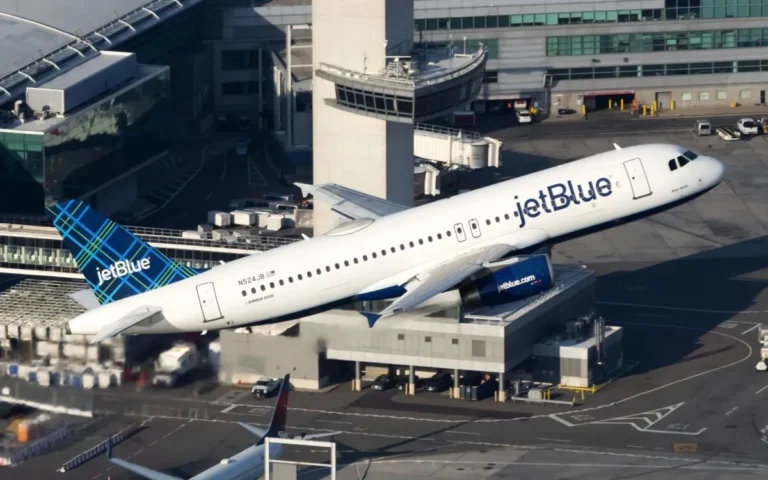
The strategic pivot toward non-air segments comes at a time when the Indian aviation sector is grappling with significant headwinds. Despite high demand for travel, the domestic air travel environment has been characterized by capacity constraints and surging costs. According to industry data cited by MakeMyTrip, domestic air departures in India fell by 7% during the September quarter, while international departures saw a 4% decline. These contractions are largely attributed to the grounding of aircraft due to engine maintenance issues—particularly involving Pratt & Whitney engines—and the exit of Go First from the market, which has left a void in available seat kilometers (ASK).
Compounding the issue of reduced capacity is the sharp rise in airfares. Average ticket prices have climbed by approximately 25% to 30%, a factor that has begun to weigh on consumer sentiment for spontaneous or budget-conscious domestic trips. Despite these challenges, MakeMyTrip has managed to maintain a formidable market position, commanding over 30% of the domestic air-ticketing market share. However, the company’s leadership recognizes that relying solely on a volatile aviation sector is a risky proposition. By funneling resources into hotels and ground transport, the company is effectively insulating itself from the supply-side shocks that frequently plague the airline industry.
The Ascendancy of Hotels and Packages
The "Hotels and Packages" segment has emerged as the most significant contributor to MakeMyTrip’s growth strategy, now constituting roughly 40% of the overall business. During the September quarter, stand-alone hotel room nights grew by 18.6% year-over-year. More impressively, domestic hotel room nights saw an uptick of more than 20%, highlighting a resilient appetite for domestic tourism and staycations.
This growth is not merely a result of increased volume but also a shift in consumer behavior toward "premiumization." Indian travelers are increasingly opting for upscale accommodations, boutique stays, and comprehensive holiday packages. MakeMyTrip has capitalized on this by expanding its inventory to include a wider range of alternative accommodations, such as villas, homestays, and apartments, which cater to the evolving preferences of Gen Z and millennial travelers. The company’s ability to offer a seamless booking experience across a massive inventory of over 80,000 properties in India alone has solidified its moat against both domestic and international competitors.
Strengthening the Ground Transportation Network
Beyond accommodation, MakeMyTrip is making aggressive inroads into the bus and cab sectors, which remain highly fragmented in India. The intercity bus market, in particular, represents a massive opportunity for digitization. By integrating a vast network of private bus operators and state-run transport corporations into its platform, MakeMyTrip is capturing a segment of the population that may not yet be frequent flyers but is increasingly comfortable with digital transactions.
The "RedBus" brand, owned by the MakeMyTrip Group, continues to dominate the online bus ticketing space. The synergy between bus travel and hotel bookings is a key component of the company’s cross-selling strategy. For instance, a traveler booking a bus to a pilgrimage site or a hill station is often prompted to book a hotel or a local cab through the same interface, creating a comprehensive travel ecosystem that maximizes the "share of wallet" per customer.
Strategic Chronology and Market Evolution
To understand MakeMyTrip’s current trajectory, one must look at the chronology of the Indian travel market over the last three years. Following the pandemic-induced lockdowns, 2022 was characterized by "revenge travel," where volume was the primary driver. However, 2023 and 2024 have seen a transition toward "value-driven travel."
- Post-Pandemic Recovery (2022): Massive surge in domestic air travel as restrictions lifted; airfares remained relatively stable as airlines restored capacity.
- Capacity Constraints (Early 2023): The collapse of Go First and technical issues with Neo engines led to a sudden drop in available seats.
- The Margin Shift (Late 2023 – 2024): Recognizing the limitations of air growth, MakeMyTrip accelerated its "Hotel-First" strategy, investing heavily in AI-driven personalization and loyalty programs like MMT Black.
- Current Phase (Q2 Fiscal 2025): The company is now leveraging its massive data reserves to optimize pricing and supply in the hotel segment, resulting in the reported 21% growth in gross bookings despite the air travel slowdown.
Stakeholder Perspectives and Industry Reactions
Industry analysts have noted that MakeMyTrip’s focus on non-air segments is a prudent move to improve Ebitda (earnings before interest, taxes, depreciation, and amortization) margins. Air ticketing is notoriously low-margin, often serving as a customer acquisition tool rather than a profit center. In contrast, hotel bookings and holiday packages offer significantly higher commissions and better opportunities for price optimization.
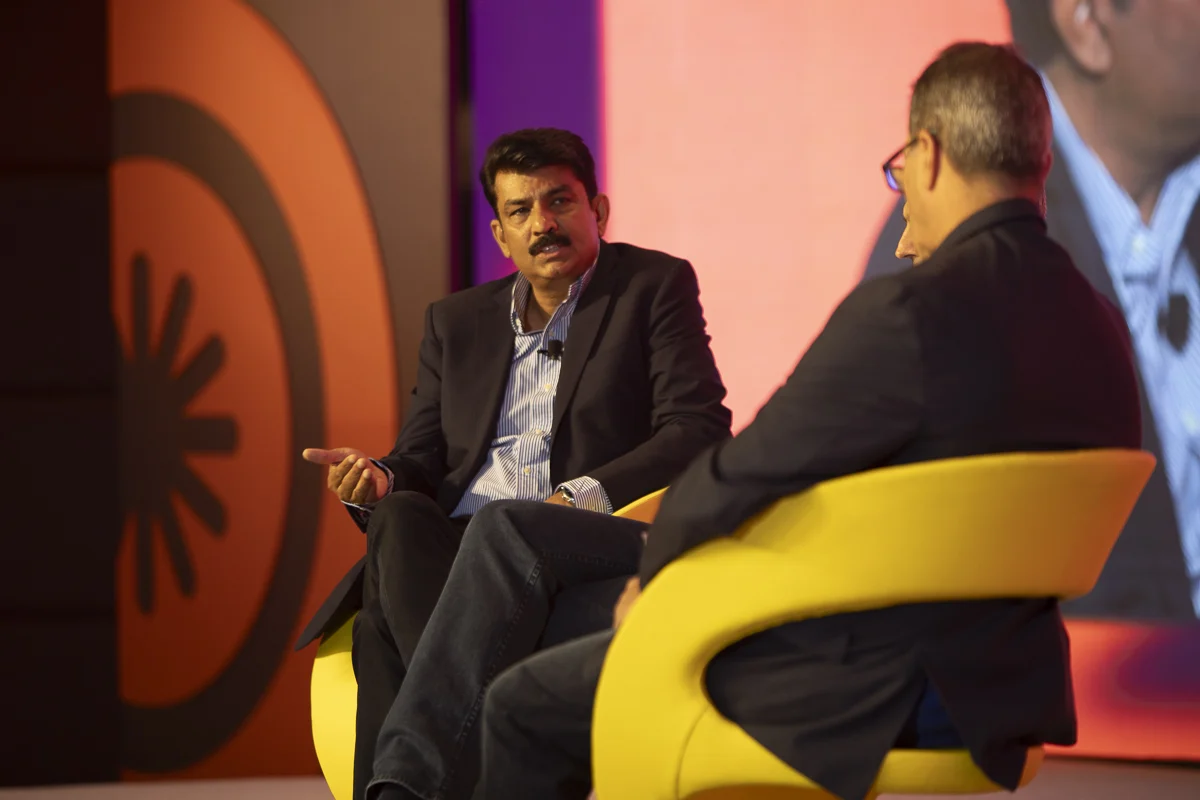
Rajesh Magow, Group CEO of MakeMyTrip, has consistently emphasized that the company’s goal is to be a "one-stop travel shop." In recent investor calls, management has indicated that while air travel remains a critical entry point for new users, the "stickiness" of the platform is driven by the quality of the hotel and ground transport options. Market observers suggest that if MakeMyTrip can maintain its 30% share in air travel while continuing to grow its hotel business at 20%, it will be well-positioned to withstand any potential economic downturn or prolonged aviation crisis.
Broader Economic Impact and Future Implications
The shift in MakeMyTrip’s focus also mirrors the broader infrastructure developments in India. The government’s massive investment in the "PM Gati Shakti" national master plan for multi-modal connectivity has resulted in improved highway networks and the development of new tourist circuits. As road connectivity improves, the demand for intercity cabs and luxury bus travel is expected to skyrocket, playing directly into MakeMyTrip’s strengthened ground transport segment.
Furthermore, the rise of spiritual tourism—exemplified by the surge in visitors to cities like Ayodhya, Varanasi, and Ujjain—has created a new demographic of travelers. These travelers often prefer a mix of rail, bus, and budget accommodation, segments where MakeMyTrip is currently expanding its footprint. By diversifying away from the "metro-to-metro" air travel model, the company is effectively tapping into the "Bharat" market—the residents of Tier 2 and Tier 3 cities who are entering the formal travel economy for the first time.
Looking ahead, the implications of this strategy are clear. MakeMyTrip is no longer just an airline ticket aggregator; it is evolving into a diversified travel technology conglomerate. As long as it can successfully manage the complexities of the fragmented Indian hospitality market and maintain its technological edge, the company appears set to maintain its dominance. The challenge will remain the entry of global giants like Booking.com and Airbnb, who are also eyeing India’s lucrative domestic market. However, with a 63.2% non-air booking mix and a deep understanding of local consumer nuances, MakeMyTrip has built a formidable defense.
In conclusion, the September quarter results serve as a proof of concept for MakeMyTrip’s long-term vision. By successfully navigating the turbulence in the aviation sector and doubling down on the high-growth potential of hotels and ground transport, the company has not only protected its bottom line but has also set a new benchmark for the Indian travel industry. As the sector continues to evolve, the ability to adapt to supply-side constraints while capturing diverse consumer demand will remain the hallmark of the market leader.