The third generation of the modern Mini Convertible, internally designated as the F57, represents a significant milestone in the evolution of the premium small car segment. Launched in early 2016, this iteration was designed to address the criticisms of its predecessors by offering improved refinement, a more sophisticated interior, and a range of turbocharged engines sourced from parent company BMW. As the automotive industry shifts increasingly toward SUVs and electrification, the Mini Convertible remains one of the few remaining options for enthusiasts seeking a compact, high-quality drop-top. This comprehensive guide explores the nuances of the F57 generation, providing prospective buyers with the technical data, historical context, and mechanical insights necessary to make an informed purchase in the used car market.
The Evolution of a Modern Icon: Context and Development
When BMW-owned Mini introduced the F57 Convertible in April 2016, it was tasked with maintaining the brand’s "go-kart" handling while introducing a level of "integrity and attention to detail" that the previous R57 model lacked. Critics at the time noted that BMW had moved away from simply "phoning it in," instead engineering a vehicle that felt significantly more robust. The F57 was built on the UKL1 platform, which it shared with the three-door and five-door hatchbacks. This platform allowed for a more rigid chassis—crucial for a convertible to prevent "scuttle shake"—and provided the foundation for a more mature driving experience.
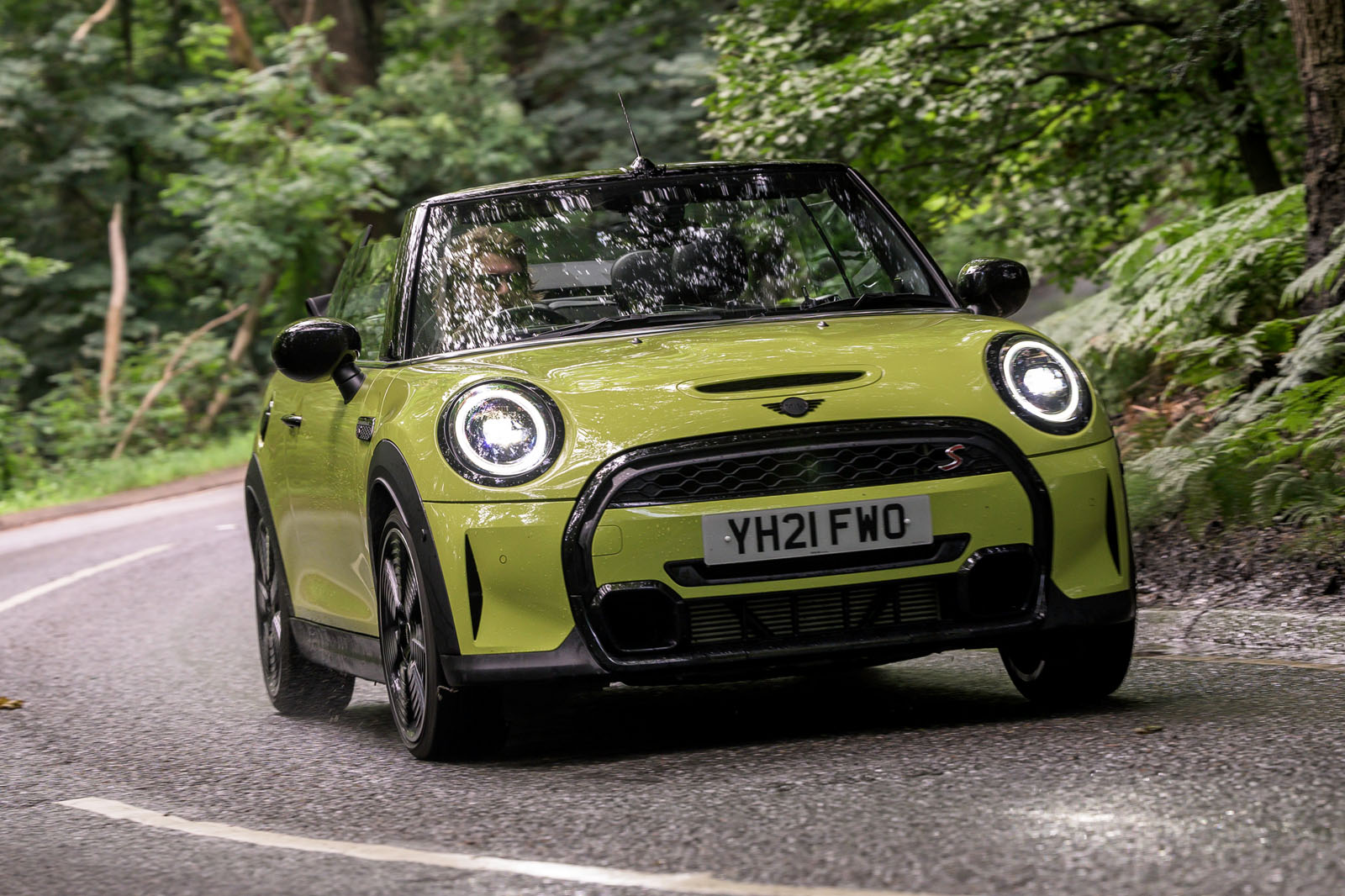
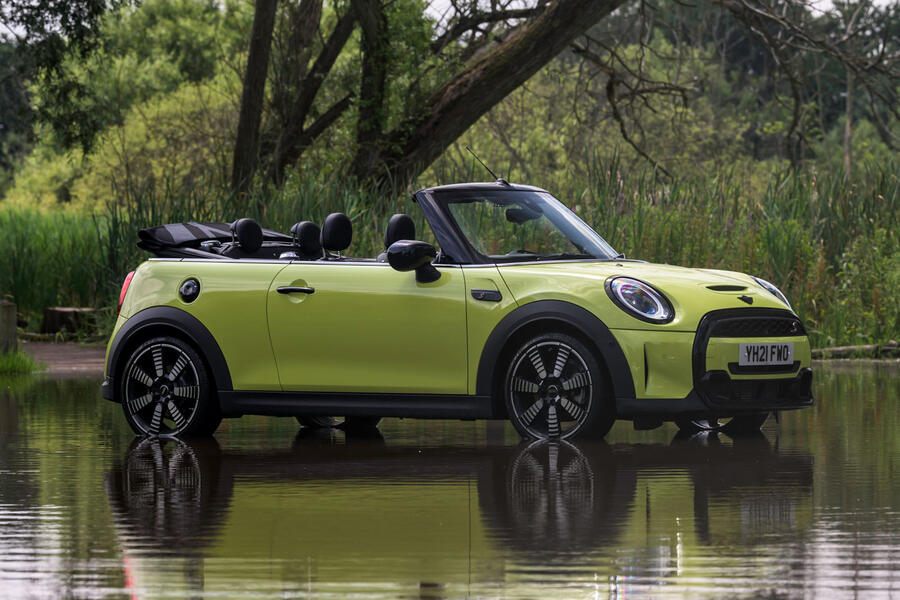
The F57’s design retained the signature circular headlights and short overhangs but increased in overall dimensions, offering slightly more interior room and a larger boot than its predecessor. The folding fabric roof remained a centerpiece of the design, featuring a unique "sunroof" mode that allowed the front portion of the top to slide back independently, providing a breeze without fully exposing the cabin.
The Powertrain Spectrum: Petrol, Diesel, and Electric
The F57 engine lineup was diverse, catering to a wide range of priorities from maximum fuel efficiency to high-performance track capability. Understanding the characteristics of each engine is vital for selecting the right model for your lifestyle.
The Petrol Range: The Heart of the Mini Personality
The majority of used examples on the market are petrol-powered, as these engines best align with the car’s "fizzy" and energetic personality.
- The Cooper (1.5-litre Three-Cylinder): This entry-level petrol engine produces 134bhp. Despite having only three cylinders, it is widely praised for its characterful exhaust note and adequate power delivery. It is capable of achieving nearly 50mpg under careful driving conditions, making it an ideal balance of economy and performance.
- The Cooper S (2.0-litre Four-Cylinder): Stepping up to the Cooper S provides a more sporting demeanour with 189bhp (later adjusted to 176bhp in 2021 due to emissions regulations). The 2.0-litre unit offers significantly more torque, making it better suited for spirited driving and highway overtaking.
- The John Cooper Works (JCW): The flagship performance model utilizes a tuned version of the 2.0-litre engine, producing 228bhp. While it is the fastest in the range, buyers should note that the JCW features a much stiffer suspension setup, which can compromise ride comfort on poorly maintained urban roads.
The Diesel and Electric Outliers
While less common, the Cooper D offered a 1.5-litre diesel engine capable of 60mpg. With a yearly road tax of just £20 for early models, it remains a highly economical choice. However, many enthusiasts argue that the audible "rattle" of a diesel engine clashes with the romantic, open-air experience of a convertible.
The Mini Electric Convertible is a genuine rarity. With only 199 units allocated to the UK market, it is a collector’s item rather than a mainstream used car choice. Furthermore, its real-world range of approximately 100 miles limits its utility to short urban commutes, making it less versatile than its petrol counterparts.
A Chronology of Updates: 2016 to 2024
To navigate the used market effectively, buyers must understand the timeline of updates and "Life Cycle Impulses" (LCI) that the F57 underwent.
- April 2016: The F57 Mini Convertible officially launches in the UK.
- 2018 (First Facelift): This update introduced the iconic "Union Jack" LED tail lights, which have since become a highly sought-after aesthetic feature. Inside, a 6.5-inch display became standard, and the traditional torque-converter automatic transmission in the Cooper and Cooper S was replaced by a more responsive seven-speed Dual-Clutch Transmission (DCT). Wired Apple CarPlay and Android Auto were also introduced as options.
- Late 2018: Trim designations were simplified into three main packages: Classic, Exclusive, and Sport.
- 2021 (Second Facelift): The Mini received a refreshed front-end design with a larger hexagonal grille. The Cooper S saw a slight power reduction to 176bhp to meet stricter WLTP emissions standards, though the performance difference is negligible in daily driving.
Critical Inspection Points: The Buyer’s Beware List
While the F57 is generally regarded as a well-engineered vehicle, certain mechanical and cosmetic issues have been documented. Potential buyers should conduct a thorough inspection of the following areas.
Engine and Mechanicals
The most significant concern involves early Cooper S models built between 2014 and 2015 (including early production F57s). A recall was issued regarding defective crankshaft guide bearings. In some cases, this required a complete engine rebuild or replacement. When viewing an early model, it is imperative to verify that this work was completed by an authorized Mini service center.
Furthermore, high oil consumption is a known trait of the 2.0-litre B48 engine found in the Cooper S and JCW. Prospective owners should check the service history for consistent annual maintenance and ensure the oil levels are topped up. On JCW models equipped with the "Pro" exhaust system, a rattling heat shield is a common minor annoyance that indicates improper installation.
Suspension and Body
The front suspension control arm bushings are prone to wear, especially in cars frequently driven over speed bumps. A knocking noise from the front end during low-speed maneuvers is a tell-tale sign. Fortunately, replacement bushings are relatively inexpensive (approximately £30 plus labor).
Cosmetically, the rubber door seals can occasionally rub against the interior paintwork, leading to premature wear. The application of paint protection film (PPF) in the door shuts is a common preventative measure. Buyers should also check the wing mirrors for "clouding" or delamination of the glass, a common defect that costs roughly £20 per mirror to fix.
The Convertible Roof and Interior
The F57’s roof is a complex piece of engineering. While robust, a failure in the hydraulic or electric motors can result in repair bills totaling thousands of pounds. It is essential to test the roof multiple times, ensuring it operates smoothly without hesitation. Additionally, check the interior carpets for dampness, which could indicate a failure of the roof seals or blocked drainage channels.
Inside the cabin, the Mini is generally well-trimmed, but the dashboard can develop rattles over time, particularly in high-mileage examples or those with the stiffer JCW suspension.
Market Analysis: How Much to Spend
The used market for the Mini Convertible is broad, with prices reflecting the car’s age, mileage, and specification.
- £3,000–£6,999: This bracket is reserved for high-mileage early models, often exceeding 100,000 miles. You may find early Cooper D models here, which offer great value for those prioritizing fuel economy over performance.
- £7,000–£9,999: This is the "sweet spot" for early Cooper and Cooper S models with moderate mileage. These cars will likely pre-date the 2018 facelift but offer the core Mini experience at a reasonable entry point.
- £10,000–£14,999: In this range, buyers can find desirable 2018+ facelifted models featuring the Union Jack lights and the upgraded infotainment system. These cars often come from the "Approved Used" network with partial warranties.
- £15,000+: This bracket includes late-model, low-mileage cars, many of which are still under manufacturer warranty. High-spec JCW models and the rare Electric Convertible will sit at the top of this price range.
Official Responses and Owner Sentiment
Owner satisfaction for the F57 generation remains high. Sharon Knight, a Mini Cooper Convertible owner of three years, highlights the vehicle’s unique value proposition: "I really enjoy how it drives, especially with the top down, and appreciate how much smaller it is than most other convertibles. All it’s cost me so far is routine servicing and brake pads."
This sentiment is echoed by the broader Mini community, which praises the car’s ability to retain its value. Insurance groups for the range are also relatively accessible, spanning from group 11 for the entry-level Cooper to group 33 for the high-performance JCW, making it a viable option for a wide demographic of drivers.
Broader Impact and Implications
The Mini Convertible F57 represents the end of an era for internal combustion engine (ICE) small convertibles. As Mini moves toward a fully electric future, the F57 will likely become a sought-after modern classic. Its blend of BMW-engineered reliability and British-inspired character ensures it remains a standout choice in the used market.
For the prospective buyer, the F57 offers a rare combination of style, driving dynamics, and everyday usability. While it requires a vigilant eye during the inspection process—particularly regarding the roof and early engine recalls—a well-maintained Mini Convertible is more than just a summer toy; it is a high-integrity vehicle capable of providing year-round enjoyment. Whether opting for the frugal Cooper or the aggressive JCW, the F57 stands as a testament to the enduring appeal of the open-top motoring experience.