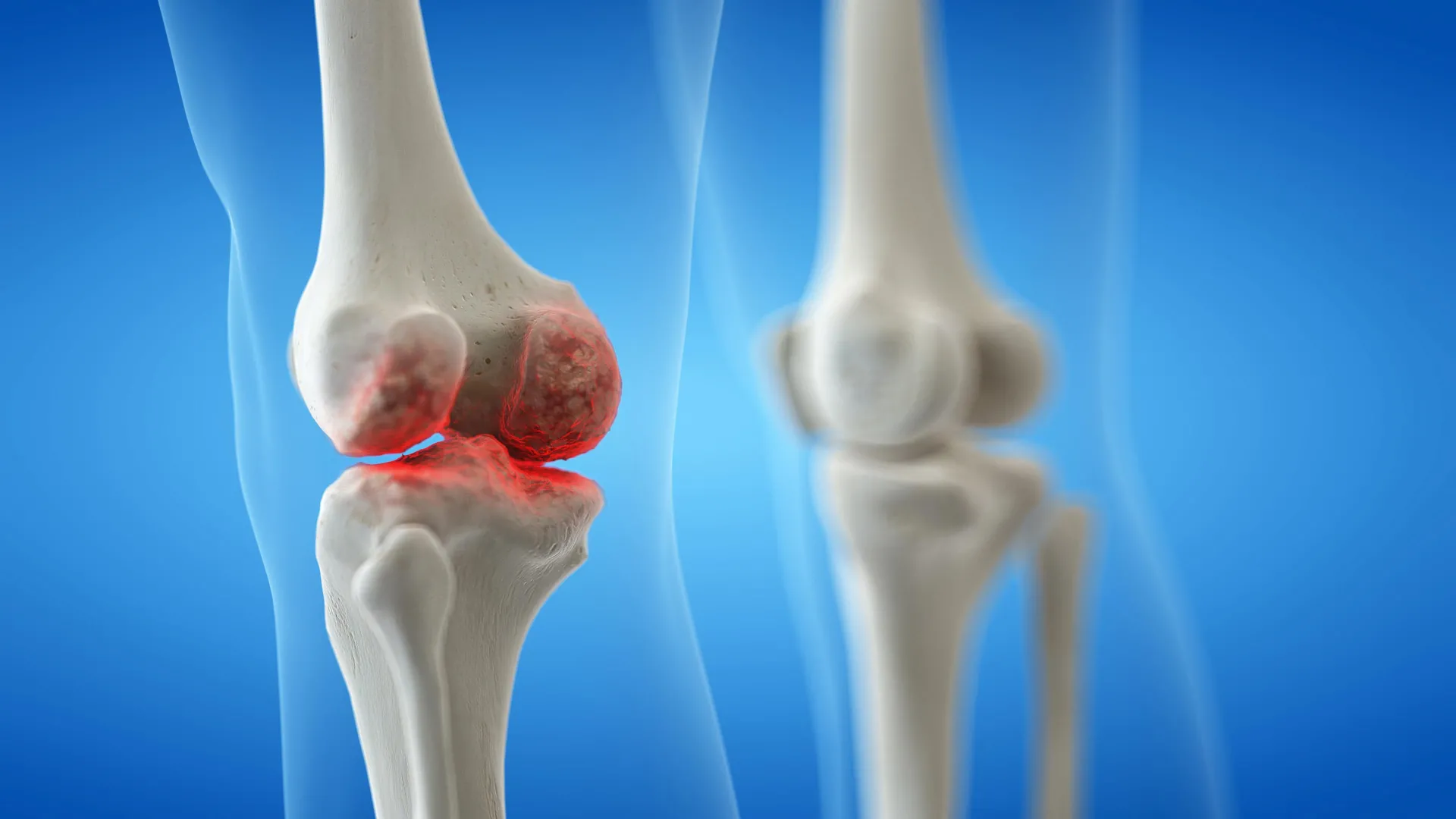
Knee pain is a pervasive and often debilitating issue affecting a significant portion of the global population, particularly as individuals advance in age. While a myriad of factors can contribute to persistent discomfort in this critical joint, osteoarthritis stands out as one of the most prevalent culprits. This degenerative condition, characterized by the gradual breakdown of the protective cartilage within the knee joint, can profoundly impact mobility, quality of life, and overall well-being. Understanding the mechanisms, risk factors, and proactive management strategies for knee osteoarthritis is crucial for individuals seeking to mitigate its effects and maintain an active, healthy lifestyle.
The Degenerative Process of Knee Osteoarthritis
At its core, knee osteoarthritis is a mechanical breakdown of the articular cartilage, the smooth, resilient tissue that covers the ends of the bones in the knee joint. This cartilage acts as a shock absorber and a lubricant, allowing for seamless movement and preventing bone-on-bone friction. As the cartilage wears away over time, the protective cushioning diminishes, leading to a cascade of negative consequences. The underlying bone can become exposed, leading to pain, stiffness, swelling, and reduced range of motion. In its advanced stages, this deterioration can significantly impair an individual’s ability to perform everyday activities, from walking and climbing stairs to participating in recreational pursuits.
Dr. Abby Cheng, an orthopedic surgeon at Washington University School of Medicine in St. Louis, specializing in physiatry, elaborates on the pervasive impact of this condition. "Osteoarthritis can cause knee pain and stiffness, which can negatively impact a person’s activity level, risk of falling, mood, and general quality of life," she states. This multifaceted impact underscores that knee osteoarthritis is not merely a physical ailment but one that can profoundly affect mental and emotional well-being.
Beyond Mobility: The Wider Repercussions of Osteoarthritis
The ramifications of knee osteoarthritis extend far beyond the immediate discomfort in the joint. Impaired mobility can lead to a host of secondary issues. Difficulty in moving freely can result in missed workdays, potentially leading to lost income and financial strain. Perhaps more critically, it can discourage individuals from engaging in physical activity. This sedentary lifestyle, in turn, can increase the risk of developing or exacerbating other chronic conditions, including heart disease, certain types of cancer, and type 2 diabetes. The interconnectedness of physical health means that addressing knee osteoarthritis is not just about alleviating joint pain but also about preventing a domino effect of detrimental health outcomes.
The prevalence of osteoarthritis is staggering. In the United States alone, over 30 million adults grapple with some form of this condition, with the knee being the joint most frequently affected. While often associated with the natural aging process, a significant portion of cases, roughly half, occur among individuals who are still of working age. This highlights that osteoarthritis is not an inevitable consequence of aging but a complex condition influenced by a confluence of genetic, environmental, and lifestyle factors.
Identifying Risk Factors: Who is Most Susceptible?
Understanding the factors that predispose individuals to knee osteoarthritis is crucial for both prevention and early intervention. Dr. Cheng identifies several key risk factors: "Having weak leg muscles and being overweight or obese increases a person’s risk for knee osteoarthritis. Women, older adults, people with a prior knee injury, and those with a family history of osteoarthritis are also more likely to have the condition."
- Body Weight: Excess body weight places a disproportionately high amount of stress on the knee joints. For every pound of weight gained, the force on the knees during activities like walking increases by approximately four pounds. This cumulative stress accelerates cartilage wear and tear.
- Muscle Strength: Strong quadriceps and hamstring muscles provide crucial support and stability to the knee joint. Weakness in these muscle groups can lead to increased stress on the joint and abnormal biomechanics, contributing to osteoarthritis development.
- Previous Injuries: A history of knee injuries, such as ligament tears (e.g., ACL tears) or meniscus tears, significantly increases the long-term risk of developing osteoarthritis in that knee. These injuries can disrupt the joint’s normal mechanics and lead to early degenerative changes.
- Genetics and Family History: While not a deterministic factor, a family history of osteoarthritis suggests a genetic predisposition. Certain genes may influence cartilage structure, inflammatory responses, or bone density, making some individuals more susceptible.
- Age: As mentioned, age is a significant factor. Cartilage naturally loses some of its water content and elasticity over time, making it more vulnerable to damage.
- Sex: Women are generally more susceptible to osteoarthritis than men, particularly after menopause. This is thought to be related to hormonal changes and differences in bone density and joint structure.
- Occupation and Activity Levels: Certain occupations that involve repetitive knee bending, squatting, or heavy lifting, as well as high-impact sports, can increase the risk of knee osteoarthritis due to repetitive stress.
Strategies for Managing Knee Osteoarthritis and Easing Pain
For individuals already living with knee osteoarthritis, a range of management strategies can help alleviate pain, improve function, and potentially slow the progression of the disease. A combination of lifestyle modifications, medical treatments, and therapeutic interventions can be highly effective.
The Power of Lifestyle Modifications
The adage "prevention is better than cure" holds significant weight when discussing osteoarthritis. Many of the strategies employed to manage existing osteoarthritis also serve as powerful tools for reducing the risk of developing the condition in the first place.
1. Embracing a Plant-Rich Diet:
Dr. Cheng emphasizes the role of diet in managing inflammation: "Eating more plants and less processed or sugary food reduces inflammation in the body, which can reduce pain from osteoarthritis in all joints." A diet rich in fruits, vegetables, whole grains, and lean proteins can provide essential nutrients, antioxidants, and anti-inflammatory compounds that help combat systemic inflammation, a known contributor to joint degeneration. Conversely, processed foods, excessive sugar, and unhealthy fats can exacerbate inflammation.
2. Achieving and Maintaining a Healthy Weight:
Weight management is arguably one of the most impactful interventions for knee osteoarthritis. As Dr. Cheng points out, "for a person who is overweight, losing 10 pounds can reduce the stress placed on the knees by 40 pounds with every step." This significant reduction in mechanical load can translate into substantial pain relief and improved joint function. A gradual and sustainable approach to weight loss, focusing on dietary changes and increased physical activity, is generally recommended.
3. The Importance of Regular Exercise:
Despite common misconceptions, regular physical activity is not detrimental to knee health; in fact, it is crucial for managing and preventing osteoarthritis. The key lies in choosing the right types of exercise and performing them correctly.
- Low-Impact Aerobics: Activities like swimming, cycling, and elliptical training provide cardiovascular benefits without the high impact of running or jumping. These exercises strengthen the muscles surrounding the knee, improve joint lubrication, and enhance overall fitness.
- Strength Training: Building strong quadriceps, hamstrings, glutes, and calf muscles is paramount. These muscles act as natural shock absorbers and stabilizers for the knee. Targeted exercises, performed with proper form, can significantly improve joint support.
- Flexibility and Range of Motion Exercises: Gentle stretching and range-of-motion exercises can help maintain joint mobility, reduce stiffness, and prevent compensatory movements that can lead to other musculoskeletal issues. Yoga and Tai Chi are excellent options for improving flexibility and balance.
While running is often perceived as harmful, for some individuals, a well-structured running program, especially when combined with proper footwear, conditioning, and gradual progression, can be part of an active lifestyle that lowers osteoarthritis risk. However, individuals with existing knee pain should consult with a healthcare professional before embarking on a running program.
4. Dietary Patterns for Joint Health:
A healthy eating pattern rich in whole grains, fruits, vegetables, and healthy fats, while limiting processed and refined foods, can support overall health and may help protect against osteoarthritis. Foods rich in omega-3 fatty acids, such as fatty fish, flaxseeds, and walnuts, possess anti-inflammatory properties that can be beneficial for joint health.
Medical and Therapeutic Interventions
When lifestyle modifications are not sufficient, a range of medical and therapeutic interventions can be employed to manage knee osteoarthritis.
- Medications: Over-the-counter pain relievers like acetaminophen and nonsteroidal anti-inflammatory drugs (NSAIDs) can help manage pain and reduce inflammation. In some cases, prescription-strength NSAIDs or other pain medications may be necessary.
- Injections: Cortisone injections can provide temporary relief from pain and inflammation by delivering a potent anti-inflammatory medication directly into the joint. Other types of injections, such as hyaluronic acid injections, aim to supplement the natural joint fluid, offering lubrication and cushioning.
- Bracing: Knee braces can provide external support and stability to the knee joint, helping to reduce pain and improve function. Different types of braces are available, designed to address specific biomechanical issues.
- Physical Therapy: A tailored physical therapy program is often a cornerstone of osteoarthritis management. Therapists can design individualized exercise plans, provide manual therapy techniques, and educate patients on joint protection strategies.
- Surgical Options: In severe cases of knee osteoarthritis where conservative treatments have failed, surgical interventions may be considered. These can range from arthroscopy to remove damaged cartilage fragments to partial or total knee replacement surgery. Knee replacement surgery has a high success rate in relieving pain and restoring function, allowing many individuals to return to an active lifestyle.
The Role of Healthcare Professionals
The journey of managing knee osteoarthritis is best navigated with the guidance of healthcare professionals. Dr. Cheng highlights the collaborative approach: "Health care providers can work with patients to develop individualized strategies for managing osteoarthritis. They can also connect people with programs and other resources that can make it easier to begin healthy changes and maintain them over time." This underscores the importance of a personalized treatment plan that considers an individual’s specific needs, lifestyle, and goals.
Proactive Health: Reducing Your Risk and Empowering Your Future
The strategies employed to manage existing knee osteoarthritis are equally vital in reducing the risk of developing the condition. This proactive approach empowers individuals to take control of their joint health and mitigate potential future challenges.
Family History: Not a Foregone Conclusion
While osteoarthritis can have a genetic component, a family history of the condition does not seal an individual’s fate. Dr. Cheng reassures: "Some people think that because a parent or grandparent had osteoarthritis, they will develop it too. And while it’s true that osteoarthritis can run in families, it doesn’t mean there’s nothing a person can do to successfully lower their risk of developing it." This message of empowerment is critical. By adopting healthy lifestyle habits, individuals can significantly influence their predisposition to the disease.
The Foundation of Prevention: Lifestyle Choices
- Maintain a Healthy Weight: As repeatedly emphasized, this is paramount. Even modest weight loss can have a profound impact on knee joint stress.
- Engage in Regular Physical Activity: Consistent, appropriate exercise strengthens supporting muscles, maintains joint mobility, and promotes overall health.
- Adopt a Balanced and Anti-Inflammatory Diet: Nourishing the body with whole foods and limiting inflammatory triggers can contribute to healthier joints.
- Protect Your Knees from Injury: When participating in sports or physically demanding activities, use appropriate protective gear, practice proper techniques, and listen to your body to avoid acute injuries.
Conclusion: Taking Ownership of Joint Health
Knee osteoarthritis is a complex and prevalent condition with far-reaching implications for physical function, emotional well-being, and overall quality of life. While the aging process and genetic factors can play a role, individuals possess a remarkable capacity to influence their risk and manage their symptoms. By understanding the underlying mechanisms of osteoarthritis, identifying personal risk factors, and actively embracing a lifestyle that prioritizes healthy weight, regular exercise, and a nutrient-rich diet, individuals can significantly reduce their likelihood of developing this debilitating condition. For those already living with knee pain, a comprehensive approach involving lifestyle modifications, medical interventions, and the support of healthcare professionals can pave the way for improved comfort, enhanced mobility, and a more fulfilling life. Ultimately, the message is clear: it is your health, and taking proactive control is the most effective strategy for navigating the challenges of knee osteoarthritis and safeguarding your future well-being.