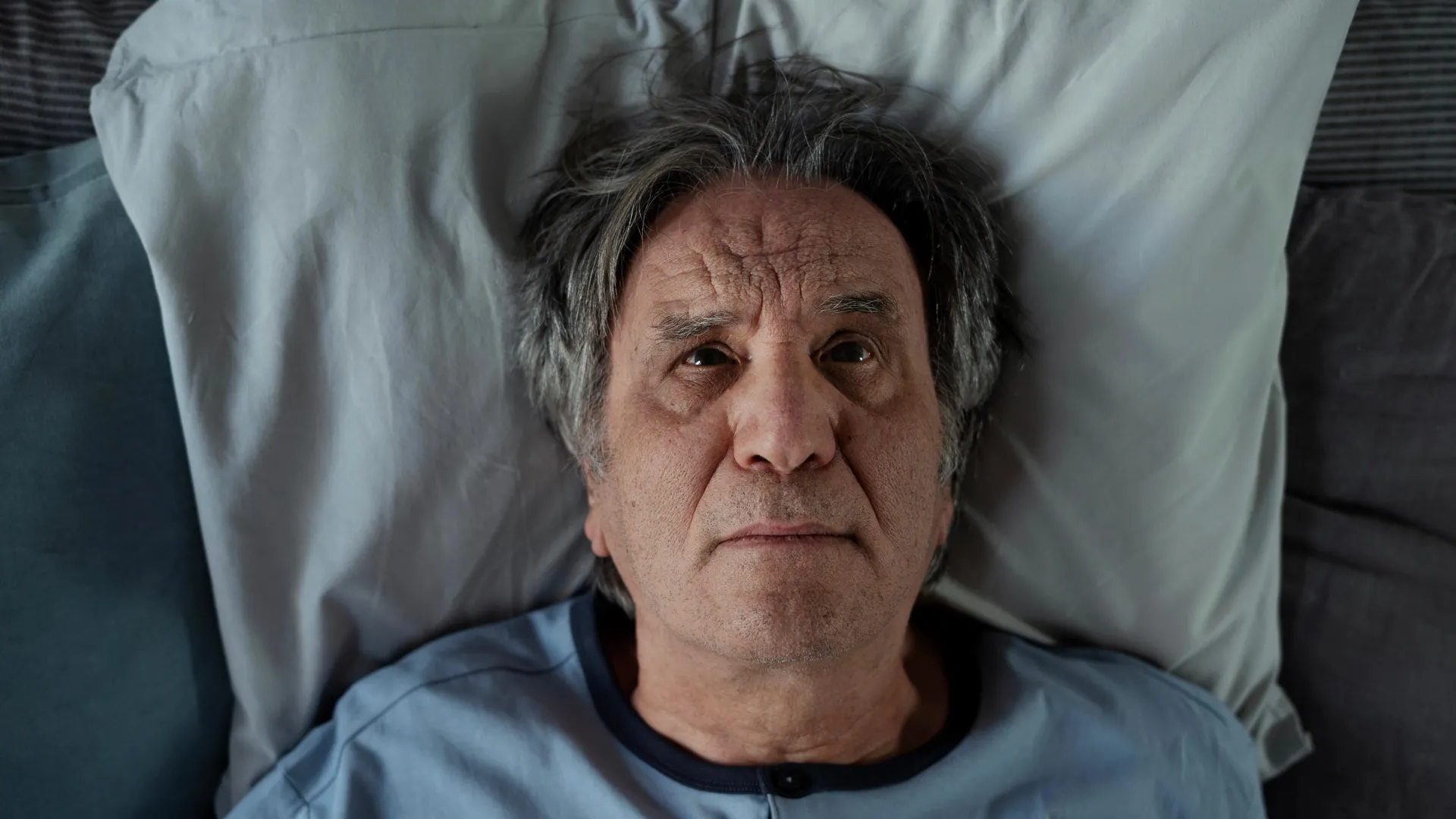
A groundbreaking analysis of biological aging across the human body suggests a complex and potentially detrimental relationship between sleep patterns and the aging process, indicating that both insufficient and excessive sleep are associated with faster biological aging in vital organs. This extensive research, published in the prestigious journal Nature, not only highlights the detrimental effects of sleep imbalance on organs such as the brain, heart, lungs, and immune system but also links these aberrant sleep durations to a wide spectrum of chronic diseases. The findings underscore the critical role of sleep in maintaining overall physiological health and the intricate coordination within the brain-body network.
Unveiling the Organ-Specific Aging Clock
The scientific community’s understanding of aging has been significantly advanced by the development of "aging clocks," sophisticated tools that estimate an individual’s biological age, often revealing discrepancies with their chronological age. These clocks leverage machine learning algorithms and analyze biological data, such as protein profiles derived from minimally invasive blood tests, to identify patterns indicative of aging. While many existing aging clocks provide a singular measure for the entire body, recognizing that different organs can age at disparate rates—a phenomenon exemplified by the decline in ovarian function influencing female fertility—has become increasingly important.
This new research, led by Junhao Wen, an assistant professor of radiology at Columbia University Vagelos College of Physicians and Surgeons, has taken a significant leap forward by developing aging clocks specifically tailored to individual organs. The objective is to provide a more granular and potentially personalized assessment of an individual’s health status. "Everyone is excited by these aging clocks and their ability to predict disease and mortality risk," stated Wen in a press release. "But to me, the more exciting question is, can we link aging clocks to a lifestyle factor that can be modified in time to slow aging?" This pursuit of actionable insights into lifestyle modifications for health optimization has been a driving force behind the study.
The Quest for a Sleep "Sweet Spot"
Sleep emerged as a prime candidate for this investigation due to a growing body of evidence affirming its crucial role in maintaining health. Wen himself acknowledged a personal motivation, noting, "I’m also a light sleeper and was getting worried about the effects on myself." This personal concern, coupled with robust scientific rationale, propelled the research forward.
To construct these sophisticated organ-specific aging clocks, Wen and his team utilized a vast dataset comprising information from approximately half a million participants in the UK Biobank. Employing advanced machine learning techniques, they identified distinct biological signatures associated with aging within various organs. The development of these clocks involved integrating multiple layers of biological information. This included structural measurements derived from medical imaging, organ-specific protein markers, and a comprehensive analysis of molecules detected in blood samples.
"In the liver, for example, we have an aging clock built with protein data, an aging clock of metabolic data, and an aging clock of imaging data," explained Wen. "This allows us to see whether sleep is distinctively associated with aging clocks derived from multiple omics and molecular layers." This multi-faceted approach ensured a robust and comprehensive assessment of organ-specific aging.
A U-Shaped Pattern: Too Little, Too Much Sleep Accelerates Aging
The researchers then meticulously compared the reported sleep durations of Biobank participants with the biological age estimates generated by 23 distinct aging clocks, encompassing 17 different organ systems. The results revealed a consistent and striking U-shaped pattern across the body. Individuals who reported sleeping for fewer than six hours per night (short sleepers) and those who reported sleeping for more than eight hours per night (long sleepers) both exhibited accelerated biological aging compared to individuals with optimal sleep durations.
The data indicated that the lowest rates of biological aging were observed among participants who reported sleeping between 6.4 and 7.8 hours each day. This specific range appears to represent a critical "sweet spot" for promoting healthy aging across multiple organ systems.
It is crucial to emphasize that the study’s findings do not establish a direct causal link where sleep duration alone dictates the pace of organ aging. Instead, the research suggests that aberrant sleep patterns—both insufficient and excessive—may serve as significant biomarkers or indicators of underlying poorer health and systemic dysregulation. This nuanced interpretation highlights the complex interplay between sleep, physiology, and overall well-being.
Broad Disease Associations Linked to Sleep Duration
Beyond the direct impact on biological aging, the study uncovered a profound and widespread association between sleep duration and a broad spectrum of diseases affecting various organ systems. This connection underscores the far-reaching implications of sleep patterns on the intricate brain-body network.
Short sleep duration, as anticipated by previous research, was significantly associated with an increased prevalence of depressive episodes and anxiety disorders, reinforcing the well-established link between insufficient sleep and mental health challenges.
Furthermore, short sleep was found to be correlated with several chronic conditions. These included obesity, type 2 diabetes, hypertension (high blood pressure), ischemic heart disease (a condition where the heart muscle doesn’t receive enough blood), and heart arrhythmias (irregular heartbeats). These associations highlight how a lack of sleep can contribute to metabolic and cardiovascular dysfunction.
Interestingly, both short and long sleep durations were linked to respiratory conditions such as chronic obstructive pulmonary disease (COPD) and asthma. Digestive disorders also showed a significant association with both extremes of sleep duration, with individuals reporting gastritis (inflammation of the stomach lining) and gastroesophageal reflux disease (GERD) more frequently in these groups.
"The broad brain-body pattern is important because it tells us that sleep duration is a deeply embedded part of our entire physiology, with far-reaching implications across the body," Wen emphasized. This observation points to sleep not as an isolated biological process but as a fundamental pillar of overall physiological regulation.
Investigating Sleep, Aging, and Late-Life Depression
The development of organ-specific aging clocks also offered a novel avenue for exploring the intricate relationship between sleep and individual diseases. Wen and his colleagues specifically investigated this potential by examining the connection between sleep patterns, biological aging, and late-life depression.
Previous research has established a correlation between sleep disturbances and depression, but the directionality of this relationship has remained a subject of debate: does poor sleep contribute to depression, or does depression alter sleep patterns? To address this, the research team employed "mediation analysis," a statistical technique designed to determine if biological aging acts as an intermediary in the observed relationship between sleep duration and late-life depression.
The analysis suggested that short sleep may have a more direct pathway influencing the burden of late-life depression. In contrast, long sleep appeared to influence depression through pathways that were reflected in the aging clocks for the brain and adipose tissue (body fat). This distinction suggests that different biological mechanisms may underlie the link between extreme sleep durations and the development of depression.
"This has a strong implication for future sleep management and future therapeutics," Wen noted. "Our study suggests there may be different biological pathways between long and short sleepers that lead to the same outcome, late-life depression, and we shouldn’t treat them the same way." This finding opens up exciting possibilities for personalized interventions, advocating for tailored approaches to sleep management based on an individual’s specific sleep duration patterns and their associated biological aging profiles.
Broader Implications and Future Directions
The implications of this comprehensive study extend far beyond the immediate findings on sleep and aging. The ability to assess organ-specific biological age in relation to lifestyle factors like sleep offers a powerful new lens through which to understand and potentially mitigate the aging process.
Supporting Data and Context: The UK Biobank, a cornerstone of this research, is a massive, long-term study that has collected genetic, lifestyle, and health information from over 500,000 participants. This extensive dataset has been instrumental in powering large-scale machine learning analyses, enabling the identification of subtle biological patterns that might otherwise go unnoticed. The sheer scale of the Biobank provides robust statistical power, lending significant weight to the study’s conclusions.
Timeline of Research: While the publication in Nature marks a significant milestone, the research itself represents the culmination of years of effort in developing sophisticated aging clock technologies and analyzing complex biological data. The progression from conceptualizing organ-specific clocks to integrating them with lifestyle data like sleep duration signifies a deliberate and systematic research journey. The initial development of aging clocks likely began several years prior, with the large-scale data analysis and publication occurring more recently.
Reactions from Related Parties (Inferred): While direct quotes from external parties are not provided in the original text, it can be inferred that the scientific community would likely view these findings with considerable interest and optimism. Researchers in the fields of sleep medicine, gerontology, and preventative health would find this work particularly impactful. Experts in aging clock technology would likely commend the novel approach of organ-specific assessment. Public health officials might see this as a call to action to promote healthy sleep habits as a critical component of public health initiatives.
Analysis of Implications: The study’s findings carry substantial implications for public health and clinical practice.
- Personalized Health Interventions: The identification of an optimal sleep duration range (6.4 to 7.8 hours) provides concrete, data-driven guidance for individuals seeking to optimize their health. It suggests that aiming for this specific window could contribute to slower biological aging and a reduced risk of age-related diseases.
- Rethinking Sleep Recommendations: Current public health recommendations often focus on general sleep duration guidelines. This research suggests that a more nuanced approach, potentially tailored to individual physiological responses and biological aging profiles, might be more effective. The distinct pathways identified for late-life depression in short vs. long sleepers underscore this need for personalized strategies.
- Biomarker Development: The organ-specific aging clocks themselves represent a significant advancement. They have the potential to become valuable biomarkers for monitoring individual health, predicting disease risk, and evaluating the effectiveness of interventions aimed at slowing aging or improving organ function.
- Understanding Disease Mechanisms: By linking sleep patterns to specific organ aging pathways, the research opens new avenues for understanding the underlying biological mechanisms of various diseases. This could lead to the development of novel therapeutic targets.
- Preventative Health Focus: The emphasis on a modifiable lifestyle factor like sleep aligns with the growing focus on preventative health strategies. Promoting healthy sleep habits could become as central to preventative medicine as diet and exercise.
In conclusion, this landmark study by Junhao Wen and his colleagues offers compelling evidence that maintaining a balanced sleep schedule is not merely about feeling rested but is fundamental to preserving the health and youthful function of our organs. The U-shaped relationship between sleep duration and biological aging highlights the critical need to avoid both chronic sleep deprivation and consistently excessive sleep. As research in this area continues to evolve, the insights gained from these sophisticated organ-specific aging clocks promise to revolutionize our understanding of aging and pave the way for more targeted and effective health interventions.