The automotive industry is currently witnessing a subtle yet significant shift in how heritage brands communicate with their global audiences. For decades, the British public has comfortably referred to the Czech manufacturer Škoda using a hard "S" sound, as in "slow" or "smart." However, a recent and concerted marketing effort by the company has sought to correct this century-long habit, introducing the phonetically accurate "Shhhkoda" to the United Kingdom. This campaign raises fundamental questions about brand identity, the evolution of language in a globalized market, and whether a name’s pronunciation truly impacts a consumer’s relationship with a product.
The Linguistic Root of the Pronunciation Shift
At the heart of this discussion is a small diacritic mark known as the caron, or "háček," which sits above the "S" in the company’s native Czech spelling: Škoda. In the Czech language, this symbol transforms a standard alveolar sibilant into a post-alveolar fricative, effectively turning "s" into "sh." While this has been common knowledge in Central Europe since the company’s inception, the brand’s international expansion throughout the 20th century often saw the diacritic dropped for the sake of simplicity in foreign markets.
For the better part of its 120-year history, the manufacturer allowed local markets to adapt the name to their own phonetic tendencies. In the United Kingdom, "Skoda" became the standard. The sudden pivot toward "Shhhkoda" is not merely a linguistic correction; it is a calculated move toward global brand synchronization. By aligning the British pronunciation with the original Czech, the company is asserting its heritage and demanding a level of cultural respect that was perhaps overlooked during its era as a budget-oriented "value" brand.
A Century of Presence: The Chronology of Škoda in the UK
To understand why the pronunciation matters now, one must look at the long and often turbulent history of the brand within the British Isles. The company was founded in 1895 as Laurin & Klement, originally producing bicycles and motorcycles before moving into automobile production. Following a merger with the Škoda Works industrial conglomerate in 1925, the brand as we know it today was born.
The brand’s history in the UK can be divided into four distinct eras:
- The Early Arrivals (1900s–1940s): Škoda vehicles were rare but respected engineering feats, often competing with high-end European marques.
- The Cold War Era (1950s–1980s): Following the nationalization of the company under the Czechoslovakian socialist regime, Škoda became a staple of the British "budget" market. Models like the Estelle and the Rapid were mechanically simple and affordable, but they became the subject of widespread derision and "Skoda jokes" due to perceived reliability issues compared to Western counterparts.
- The Volkswagen Group Renaissance (1991–2010s): After the fall of the Iron Curtain, the Volkswagen Group (VAG) began its acquisition of Škoda. This era saw a radical transformation in quality. The launch of the Octavia and the Fabia repositioned the brand as "Simply Clever," offering VW-grade engineering at a more accessible price point.
- The Modern Era of Premiumization (2020–Present): With the introduction of the Enyaq iV electric SUV and the "Modern Solid" design language, Škoda is no longer a budget alternative. It is a direct competitor to mainstream and even premium brands.
The current push for the "Shhhkoda" pronunciation coincides with this fourth era. As the brand moves upmarket, the desire for a sophisticated, authentic identity becomes paramount.
Marketing Strategy and the "Modern Solid" Identity
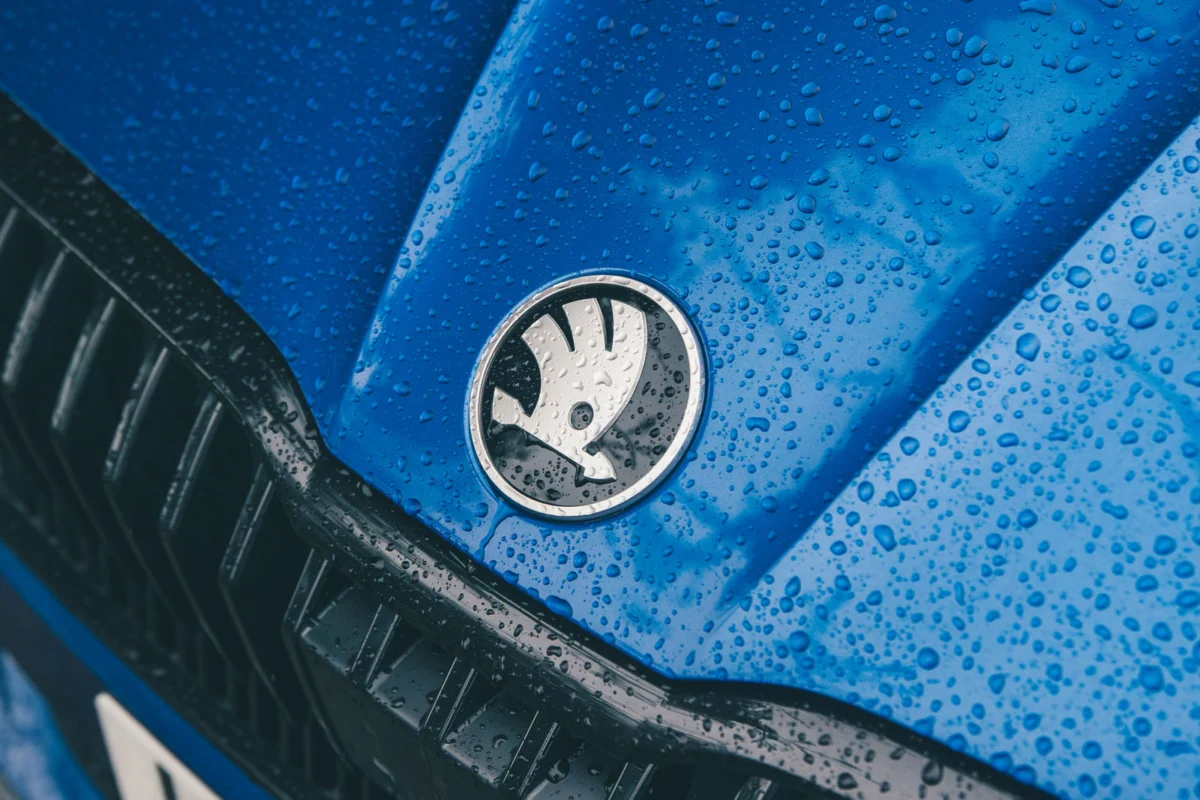
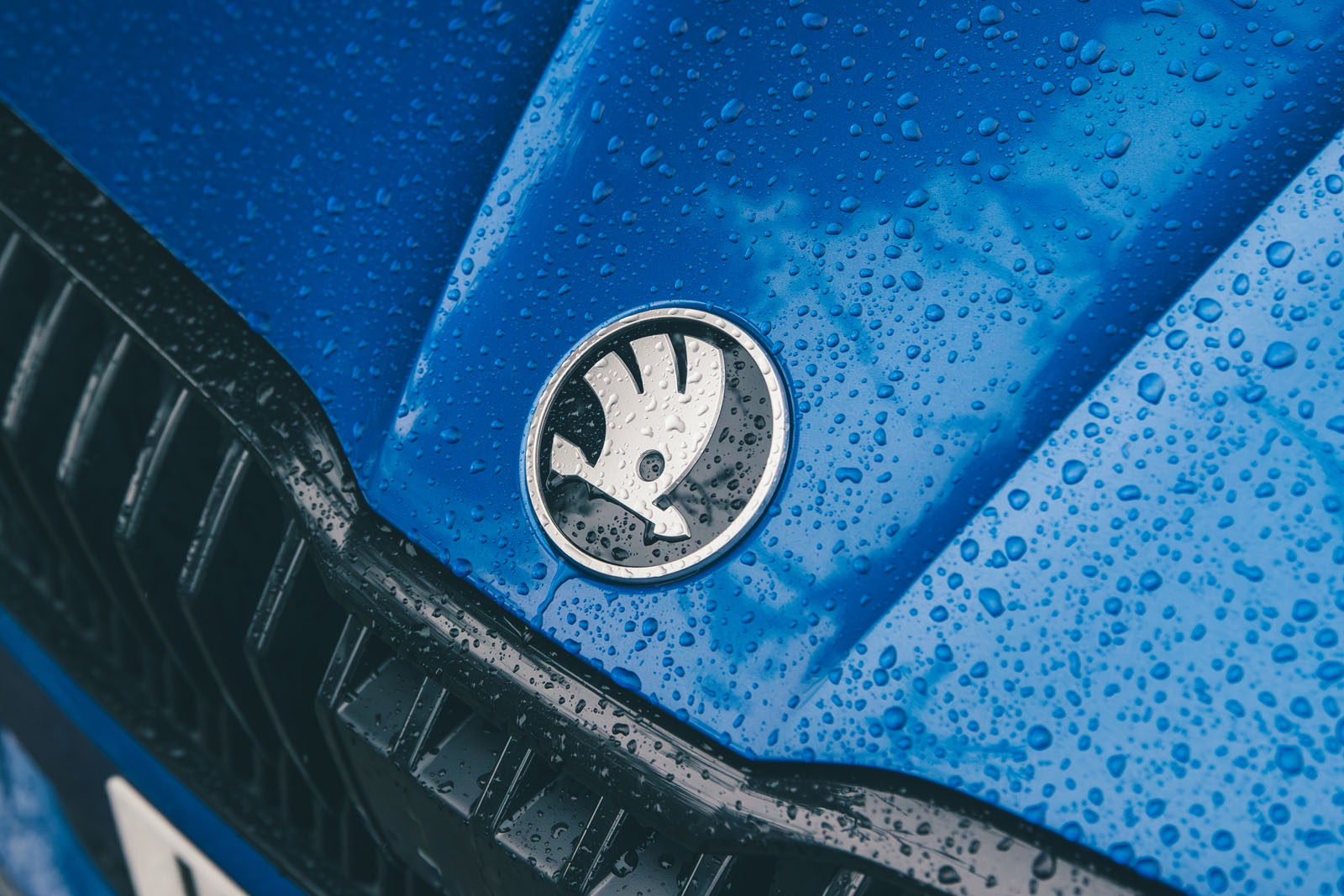
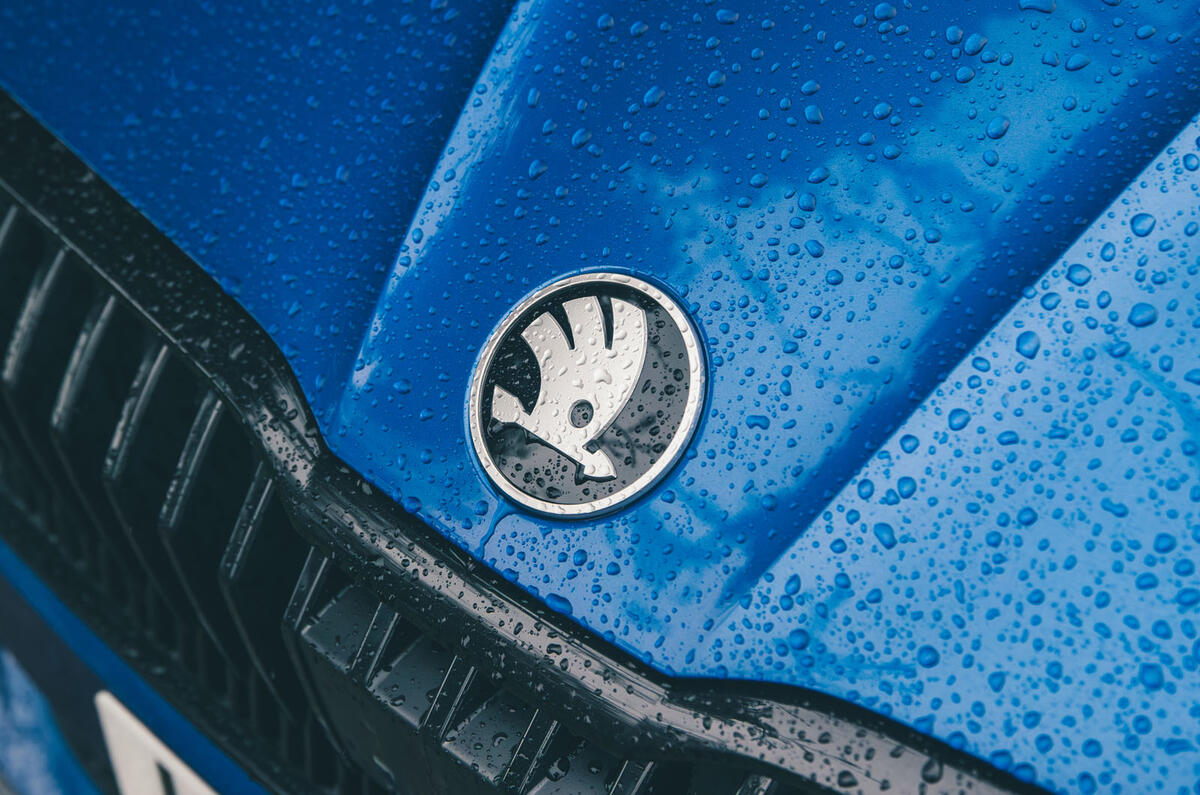
The shift in pronunciation is part of a broader corporate rebranding strategy launched in late 2022. This rebranding included a new logo—which integrates the "háček" into the letter ‘S’ rather than placing it above it—and a new color palette focused on "Emerald" and "Electric" green. According to internal marketing data, the goal is to make the brand more appealing to a younger, more tech-savvy demographic that values authenticity and global connectivity.
Industry analysts suggest that the "Shhhkoda" campaign serves two primary functions. First, it acts as a "pattern interrupt" in advertising. When a consumer hears a familiar brand name pronounced differently, it forces a moment of cognitive engagement. They stop and listen, which is an invaluable outcome in a saturated media landscape. Second, it distances the brand from its "budget" past. By adopting the more exotic and phonetically complex Czech pronunciation, the company positions itself as an international entity with deep European roots, rather than just a utilitarian car maker.
Comparative Brand Phonetics: A Global Trend
Škoda is not the only manufacturer to grapple with phonetic identity. The automotive world is full of brands that have either embraced or fought against localized pronunciations:
- Hyundai: The South Korean giant famously ran a Super Bowl campaign in the United States to correct "Hi-un-dye" to "Hyundai, like Sunday."
- Porsche: The German sports car manufacturer has spent decades gently reminding enthusiasts that the name has two syllables ("Por-shuh"), not one ("Porsh").
- BMW: While the world says "B-M-W," the German pronunciation is closer to "B-M-Vee." However, BMW has largely allowed local markets to dictate the phonetics.
- Dacia: The Renault-owned Romanian brand recently transitioned from "Day-see-uh" to "Dat-chuh" in its official communications to reflect its heritage.
These examples highlight a growing trend where global corporations are reclaiming their native linguistic identities. In an era of high-speed internet and global social media, the "flattening" of brand names is being reversed in favor of "hyper-authenticity."
The Digital Factor: Voice Recognition and SEO
Beyond the psychological and branding elements, there is a practical, technological reason for the pronunciation push: the rise of voice-activated technology. As more consumers use AI assistants like Amazon’s Alexa, Apple’s Siri, and in-car voice control systems to search for products or navigate, phonetic consistency becomes a technical requirement.
If a British user says "Skoda" and a Czech-programmed global database expects "Škoda," there is a risk of search friction. By standardizing the pronunciation globally, the company ensures that its digital footprint is cohesive across all platforms and languages. This is particularly relevant as Škoda integrates more advanced AI into its vehicle infotainment systems, where "Simply Clever" features are increasingly voice-reliant.
Public Reaction and the "Correctness" Debate
The reaction to the "Shhhkoda" campaign in the UK has been mixed. On social media platforms, some consumers have labeled the move as "pretentious" or "unnecessary," arguing that after 100 years, the British "Skoda" has become a valid localized variant. Others have welcomed the change, viewing it as an educational opportunity to respect the brand’s origins.
Sociolinguists point out that language is naturally adaptive. When a foreign word enters a new language, it is typically "nativized" to fit the phonological rules of that language. The British "Skoda" is a perfect example of nativization. By attempting to reverse this, the company is essentially asking the public to perform a linguistic "U-turn."
However, data from consumer sentiment surveys suggests that younger buyers (Ages 18–34) are significantly more likely to adopt the "correct" pronunciation than older demographics. This aligns with Škoda’s long-term goal of shifting its customer base toward a more modern, globalist audience.
Economic and Strategic Implications
From a business perspective, the pronunciation debate is a symptom of Škoda’s success. In 2023, the company delivered 866,800 vehicles worldwide, a significant increase over previous years despite supply chain challenges. In the UK specifically, Škoda consistently maintains a market share of around 3% to 4%, often outperforming established brands like Fiat or Mazda.
The Volkswagen Group views Škoda as a key pillar in its "Brand Group Core," which also includes Volkswagen Passenger Cars, SEAT, and CUPRA. The goal of this group is to achieve greater efficiency through shared platforms while maintaining distinct brand identities. For Škoda, that identity is defined by "functional luxury"—the idea that you can have a high-quality, technologically advanced vehicle without the "badge tax" of a premium German marque. The move to "Shhhkoda" is a way of adding "cultural capital" to that identity, making the brand feel more sophisticated without necessarily increasing the price tag.
Conclusion: Does It Really Matter?
Ultimately, whether a consumer says "Skoda" or "Shhhkoda" may not affect the mechanical reliability of the car or the efficiency of its electric powertrain. However, in the world of high-stakes global marketing, these nuances are everything. The campaign is a signal of confidence from a brand that has spent decades proving its worth to a skeptical British public.
By asking the UK to say "Shhhkoda," the company is effectively saying that it no longer needs to hide its foreignness to fit in. It is proud of its Czech heritage, proud of its engineering, and ready to compete on the world stage as a peer to the industry’s elite. Whether the British public will fully adopt the "shhh" remains to be seen, but the conversation itself proves that Škoda has successfully transitioned from the butt of the joke to a brand that demands—and receives—serious attention.