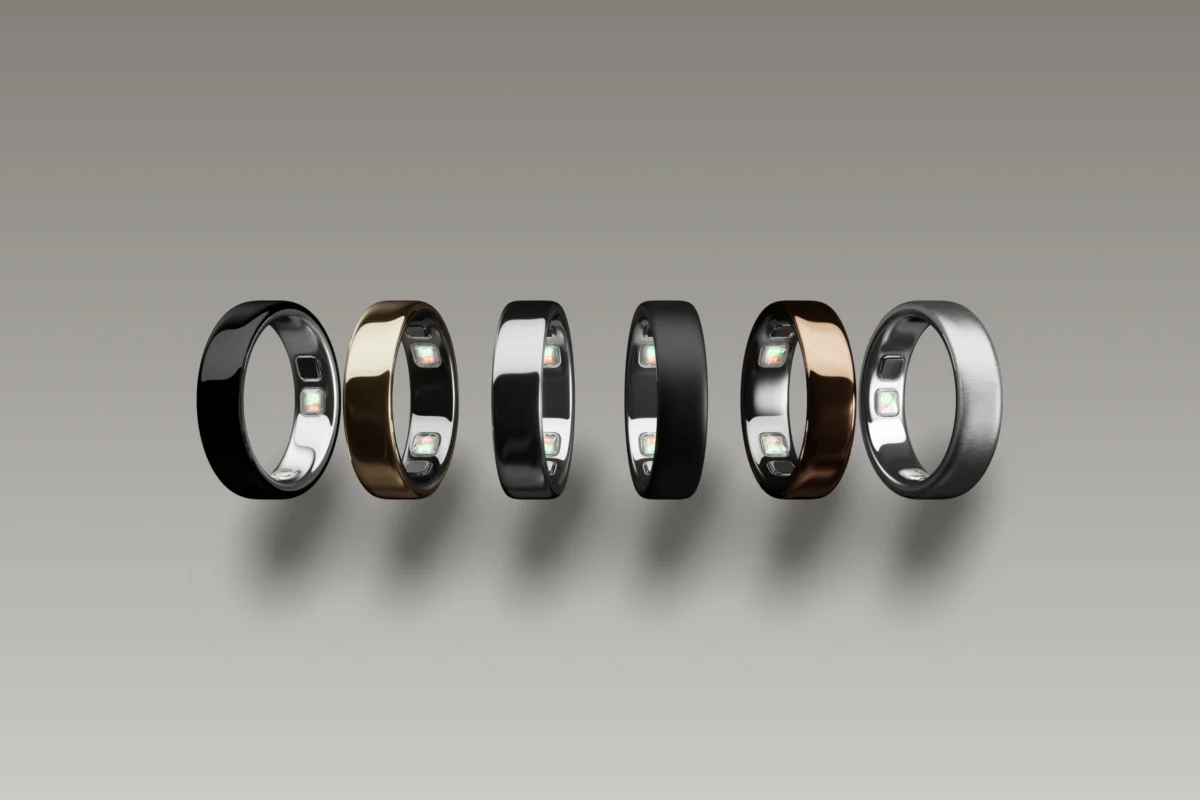
Oura, the pioneering smart ring manufacturer with operations spanning San Francisco and Finland, is reportedly preparing for a significant U.S. Initial Public Offering (IPO) as early as next month. The company aims to raise up to $3 billion, with projections indicating a valuation exceeding $16 billion for the rapidly expanding enterprise, which now boasts a workforce of over 900 individuals. This ambitious valuation, as reported by Bloomberg, would mark a substantial increase from its previous financial milestones, signaling robust investor confidence despite an increasingly competitive market and recent legal challenges. The offering is also expected to include a considerable sale of stock by existing investors, a common feature in major public market debuts, allowing early backers to realize returns on their investments.
Oura’s Ascendant Trajectory: From Niche to Mainstream Dominance
The proposed $16 billion valuation represents a dramatic surge in Oura’s financial standing, particularly when compared to its $10.9 billion valuation just last September. At that time, Oura successfully closed an $875 million Series E funding round, attracting significant investment from prominent firms such as Fidelity, ICONIQ, Whale Rock, and Atreides. These later-stage investors joined an already impressive roster of early backers, including Dexcom, The Chernin Group, Forerunner Ventures, Coatue, and Temasek, all of whom recognized the nascent potential of Oura’s innovative approach to personal health tracking.
Founded in Finland, Oura Health Oy embarked on its journey with a vision to revolutionize personal wellness through continuous, unobtrusive monitoring. The company launched its first smart ring in 2015, targeting a specialized demographic of "biohacking CEOs" and early adopters keen on optimizing sleep, recovery, and overall well-being. This initial niche focus allowed Oura to refine its technology and algorithms, building a reputation for accurate data collection and actionable insights delivered through its companion app. Over the years, Oura’s product iterations, culminating in the highly successful Oura Ring Generation 3, expanded its capabilities beyond basic activity tracking to include advanced sleep staging, heart rate variability, skin temperature sensing, and even predictive illness insights.
This evolution from a niche product for tech-savvy individuals to a more mainstream sleep-and-recovery brand has been a critical component of Oura’s growth strategy. Recognizing the broader consumer demand for accessible health data, Oura strategically repositioned itself to appeal to a wider audience, emphasizing general wellness, stress management, and preventative health. This strategic pivot significantly broadened its market reach and user base, laying the groundwork for its current financial success and ambitious IPO plans. The confidential filing for an IPO in May 2026 marked a formal step toward this public market debut, allowing the company to prepare its detailed financial disclosures and engage with potential underwriters.
Financial Performance Fueling Investor Enthusiasm
Oura’s projected revenue figures underscore the rapid expansion that has captivated investors. The company reported generating $500 million in revenue in 2024, which then doubled to approximately $1 billion in 2025. Looking ahead, Oura anticipates nearly doubling its revenue again, expecting to generate close to $2 billion in 2026. These figures paint a compelling picture of exponential growth, a key attraction for investors in the tech sector who seek companies capable of scaling rapidly and capturing significant market share.
The S-1 filing, which will become publicly available ahead of the IPO, is expected to provide comprehensive financial details, including profitability metrics, customer acquisition costs, subscription revenue models, and other crucial data points that will further inform investor decisions. While the current reported revenues are impressive, the S-1 will offer transparency into the company’s path to profitability and its operational efficiency, which are vital for sustaining a high valuation in the public markets. The expectation that current investors will sell a substantial portion of their shares in the offering is a standard practice that allows early venture capital firms and founders to realize liquidity, demonstrating confidence in the company’s future while also providing opportunities for new public market investors.
Navigating a Hyper-Competitive Wearables Ecosystem
Oura’s journey to an IPO unfolds within a wearables market that has become intensely competitive and dynamic. The landscape is populated by a diverse array of devices, from smartwatches and fitness bands to specialized health monitors. This increased competition necessitates continuous innovation and strategic differentiation for Oura to maintain its leadership position in the smart ring segment.
One of the most significant recent entries into the smart ring space is the Samsung Galaxy Ring, which launched two years ago (around August 2024). Samsung’s foray into this form factor brings the immense resources and brand recognition of a global tech giant into direct competition with Oura. The Galaxy Ring is expected to integrate seamlessly with Samsung’s vast ecosystem of smartphones and other devices, potentially appealing to a broad segment of Android users. This presents both a challenge and an opportunity for Oura: while it intensifies competition, it also validates the smart ring as a legitimate and growing category within wearable technology.
Beyond direct smart ring rivals, Oura faces competition from established players in the broader fitness and health tracking market. Its most direct competitor in terms of a dedicated health-focused wearable, however, may be Whoop. Whoop, primarily known for its fitness bands, has undergone its own significant reinvention. Once a performance tool predominantly for elite athletes and young men, Whoop has strategically expanded its audience over the past year. By layering in advanced features like hormone tracking and blood-panel testing for perimenopause and thyroid health, Whoop has successfully broadened its appeal to a much wider, more diverse demographic, including women and individuals focused on broader wellness rather than just athletic performance. This strategic pivot drove Whoop’s valuation up to an impressive $10 billion just this past March, demonstrating the market’s appetite for sophisticated, health-focused wearables that cater to specific, evolving needs.
Oura has followed a similar trajectory, moving beyond its initial niche to target a more universal audience interested in holistic health. While smartwatches like the Apple Watch and devices from Garmin and Fitbit offer comprehensive tracking, Oura’s distinct form factor—a discreet ring—offers unique advantages in terms of battery life, comfort for continuous wear, and a less intrusive user experience. The global wearable technology market was valued at approximately $60 billion in 2023 and is projected to exceed $150 billion by 2030, growing at a compound annual growth rate (CAGR) of over 15%. Within this expansive market, the smart ring segment, though smaller, is rapidly gaining traction, driven by advancements in miniaturization, sensor technology, and increased consumer awareness of health monitoring. Oura’s IPO will be a significant test of investor confidence in the long-term viability and growth potential of this specialized segment.
Legal Scrutiny and the Imperative of Accuracy
Amidst its preparations for a blockbuster IPO, Oura has encountered a significant challenge in the form of a proposed class-action lawsuit filed last week (mid-August 2026) in San Francisco. The lawsuit accuses Oura of misleading consumers regarding the accuracy of its sleep tracking features, particularly its claims about identifying specific sleep stages.
The complaint alleges that Oura not only claims "to measure a heartbeat or a temperature, but the exact stage of sleep the wearer is in—which in reality requires electrodes in the scalp and sensors on the eyes, as only a hospital or other clinical setting can do." This legal challenge highlights a critical issue in the booming health tech sector: the fine line between consumer-grade wellness tracking and medical-grade diagnostics. As wearable devices become more sophisticated and their health claims more advanced, regulatory bodies and consumer protection advocates are increasingly scrutinizing the scientific validity and marketing transparency of these technologies.
In response to these serious allegations, an Oura spokesperson issued a statement to TechCrunch over the weekend, firmly pushing back against the claims. The company asserted its intent to "defend against them in the appropriate legal forum," indicating a robust legal battle ahead. Furthermore, Oura clarified its product positioning, stating, "[w]hile Oura Ring is not a medical device or a substitute for a clinical sleep study, Oura’s sleep staging has been validated and compared favorably in multiple studies against polysomnography, the gold standard." The statement emphasized the scientific backing for its claims, continuing, "[m]ultiple third-party, independent studies support our claims of accuracy and we have transparently reported on the mechanisms and measures that inform Oura’s sleep staging."
This lawsuit underscores the increasing importance for health tech companies to clearly delineate the capabilities and limitations of their devices. For Oura, a successful defense and transparent communication will be crucial for maintaining consumer trust and investor confidence, especially as it seeks to debut on the public markets. The outcome of this legal challenge could have broader implications for how wellness devices are marketed and regulated, potentially setting precedents for accuracy claims across the entire industry.
Broader Implications and Future Outlook
Oura’s impending IPO represents a pivotal moment not only for the company itself but also for the broader wearable technology and digital health sectors. A successful public offering at a valuation exceeding $16 billion would solidify Oura’s position as a dominant force in the smart ring market and a significant player in personal health monitoring. The capital raised would provide Oura with substantial resources to accelerate research and development, innovate new features, expand into new markets, and potentially pursue strategic acquisitions to further consolidate its competitive advantage.
For the wearable tech market, Oura’s IPO could catalyze further investment and innovation, particularly within the smart ring segment. It would signal to venture capitalists and entrepreneurs that there is significant public market appetite for specialized, health-focused wearables, potentially inspiring a new wave of startups and product development. This could lead to a more diversified and advanced ecosystem of devices, offering consumers even more choices for personalized health management.
However, the high valuation also brings increased scrutiny and pressure to maintain its rapid growth trajectory and deliver consistent innovation post-IPO. Public companies face quarterly earnings expectations, and Oura will need to demonstrate sustained user engagement, subscription growth, and product advancements to satisfy shareholders. The ongoing class-action lawsuit, regardless of its outcome, will serve as a continuous reminder of the imperative for scientific rigor and transparent communication in the health tech space. Investors will be closely examining the S-1 filing for detailed risk factors, including those related to regulatory compliance, data privacy, and intellectual property.
For consumers, Oura’s move to the public market could translate into enhanced product offerings, more robust software features, and potentially a wider accessibility of its technology. However, it also highlights the ongoing debate about the accuracy and utility of consumer-grade health devices versus clinical standards. As these technologies become more integrated into daily life, fostering consumer trust through validated science and clear communication will be paramount.
In conclusion, Oura stands at a critical juncture, poised to capitalize on its remarkable growth and innovative technology through a major public offering. Its journey reflects the broader evolution of personal health tech, from niche enthusiast tools to mainstream wellness companions. As it navigates the complexities of an IPO, intense market competition, and legal challenges, Oura’s performance will undoubtedly offer valuable insights into the future direction of the rapidly expanding digital health landscape.