A groundbreaking report from the US Defense Department’s Inspector General (IG) has revealed "strategic inventory shortfalls" and significant resupply bottlenecks in American munitions stockpiles, directly contradicting repeated assertions by President Donald Trump and his administration that the nation’s supplies are "virtually unlimited." The independent watchdog’s findings, spanning expenditures of over $22 billion on munitions between February and June, offer a rare, unclassified glimpse into the logistical and material challenges faced by the US military during its engagement with Iran, a conflict whose total cost has already surged past $33 billion in just four months.
This unprecedented disclosure has ignited a contentious debate over the true state of US military readiness and the transparency of government reporting, pitting an independent oversight body against the executive branch. While the White House has swiftly rejected the IG’s assessment, maintaining that the US possesses "more than enough" munitions, the detailed nature of the report, coupled with corroborating analyses from non-governmental defense experts, underscores the profound strain placed on the nation’s defense industrial base by sustained combat operations.
The Inspector General’s Unveiling: A Deep Dive into Shortfalls
The report by the US Defense Department’s Inspector General, a statutory office designed to provide independent oversight and accountability within the Pentagon, represents a first-of-its-kind public assessment of US weapons stockpiles, data typically held under strict classification. Its findings paint a stark picture: the rapid expenditure rates necessitated by the conflict with Iran have led to discernible "strategic inventory shortfalls" across various critical munitions categories.
Between February and June, the US military spent an astonishing $22 billion on replenishing its munitions, an expenditure rate indicative of intense combat operations and significant consumption. This figure alone speaks to the scale of the conflict and the continuous demand placed on the defense supply chain. The IG’s report did not specify the exact quantities of weapons remaining, respecting ongoing classification requirements, but its clear articulation of "inventory shortfalls" and "industrial base bottlenecks" for resupply provides an undeniable indicator of stress. These bottlenecks refer to difficulties in the manufacturing, sourcing of raw materials, and timely delivery of new munitions, suggesting that the industrial base is struggling to keep pace with operational demands.
Further exacerbating the material strain, the report detailed equipment losses totaling $3.7 billion during the same four-month period. These losses, likely encompassing everything from vehicles and aircraft to advanced weapons systems, represent not only a financial cost but also a direct depletion of military assets. An additional $7.4 billion was attributed to other operational expenditures, contributing to the IG’s total war cost estimate of $33.4 billion (£24.7 billion) from February 28 to June 30. This rapid accumulation of costs and material depletion highlights the high intensity and resource-intensive nature of the hypothetical conflict.
Administration’s Stance: A Firm Rejection and Denials
In stark contrast to the IG’s assessment, the Trump administration has consistently dismissed any notion of munitions shortages, often characterizing such reports as politically motivated or even "treasonous." President Trump himself has been unequivocal, claiming that US munitions supplies are "virtually unlimited" and branding any reporting to the contrary as "fake news."
These denials have been echoed by high-ranking officials. On Tuesday, in response to the IG’s report, White House spokeswoman Anna Kelly issued a statement affirming the administration’s position: "The United States military has more than enough munitions, ammo, and stockpiles to serve all of the Commander-in-Chief’s strategic goals and beyond." This firm rebuttal aimed to reassure both domestic and international audiences about the robustness of US military capabilities.
Further reinforcing the administration’s narrative, Defense Secretary Pete Hegseth took to X (formerly Twitter) on August 4 to describe news reporting on the shortages as "not true." A month later, on September 3, President Trump reiterated his claims in a lengthy post on Truth Social, stating that the US had "virtually unlimited" amounts of ammunition and was "stockpiling and preparing for any contingency that could happen." The consistency and vehemence of these denials underscore the administration’s commitment to projecting an image of unshakeable military strength and abundant resources, even in the face of an independent watchdog’s contradictory findings.
Independent Assessments Reinforce Concerns
The Inspector General’s report is not an isolated voice raising concerns about US munitions stockpiles. Previous and concurrent independent analyses have painted a similarly challenging picture, lending significant weight to the watchdog’s findings.
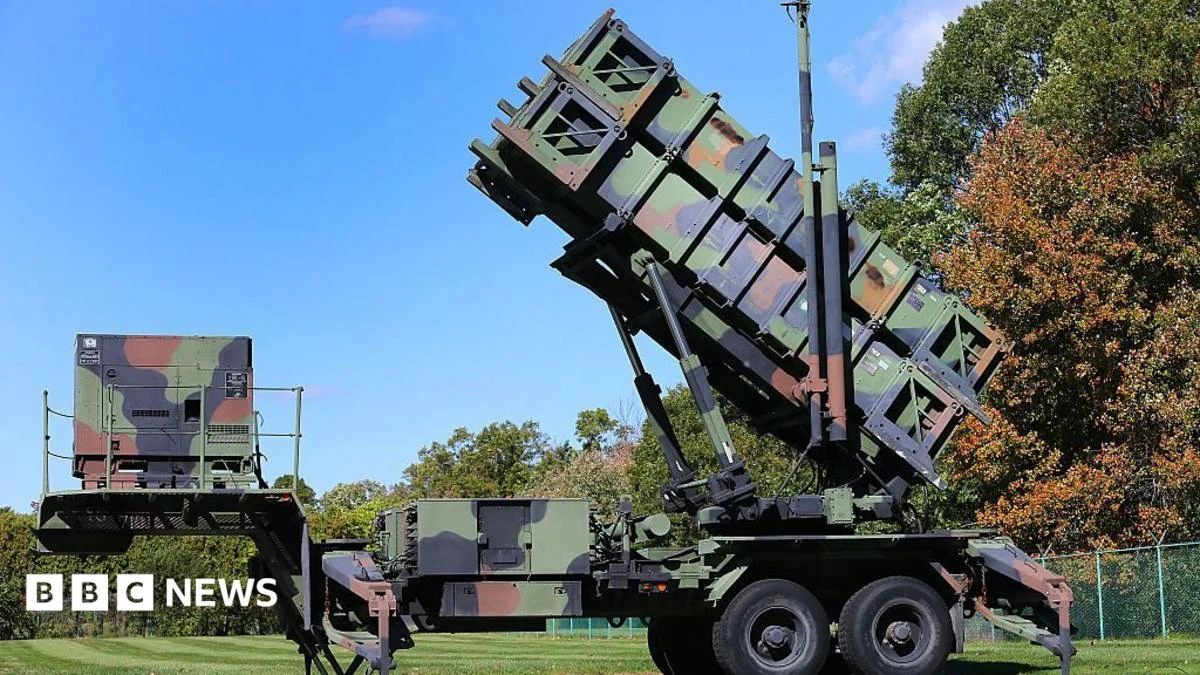
The Center for Strategic and International Studies (CSIS), a prominent non-partisan think tank, released its own estimate in late July that corroborated the general concern. The CSIS analysis specifically found that stocks of some critical interceptor missiles – such as the Patriot missile and the Terminal High Altitude Area Defense (THAAD) system – were "significantly depleted," with some inventories reduced by more than half. These systems are crucial components of integrated air and missile defense, designed to intercept incoming ballistic and cruise missiles. In a conflict scenario with Iran, which possesses a substantial arsenal of such weapons, the expenditure of these interceptors would be exceptionally high. Patriot missiles are versatile, capable of engaging aircraft, cruise missiles, and tactical ballistic missiles, while THAAD is specialized for intercepting short, medium, and intermediate-range ballistic missiles at high altitudes. Their significant depletion underscores the intensity of the air and missile defense operations during the conflict.
The very nature of the hypothetical war with Iran, as inferred from the munitions types mentioned, involves both offensive and defensive operations. US forces would have expended vast quantities of long-range ground attack systems, likely including cruise missiles and precision-guided munitions used against Iranian military infrastructure, command centers, and weapon sites. Simultaneously, the extensive use of air and missile defenses points to a protracted effort to protect US assets and personnel from Iranian retaliatory strikes, consuming valuable interceptors at a rapid rate.
Furthermore, a separate estimate released on Tuesday by the Congressional Budget Office (CBO) provided a higher total cost for the conflict, putting it at $38 billion. The CBO’s figure includes not only expended munitions and equipment lost in battle, as covered by the IG, but also additional operational costs such as increased flying hours for aircraft, greater fuel consumption, and other logistical overheads that accumulate rapidly during sustained combat. The alignment of these independent assessments, both in identifying depletion and in calculating substantial financial outlays, strengthens the credibility of the Inspector General’s report and suggests a systemic issue rather than an isolated anomaly.
The Strain on the Industrial Base and Procurement Challenges
The Inspector General’s report went beyond simply identifying shortfalls, pointing explicitly to "industrial base bottlenecks" as a critical impediment to munitions resupply. This highlights a fundamental challenge for the US defense apparatus: even with substantial funding, the industrial capacity to produce advanced weapons and munitions may not be able to keep pace with the demands of a high-intensity, protracted conflict.
Industrial base bottlenecks can stem from several factors:
- Specialized Components: Many modern munitions rely on highly specialized components, often produced by a limited number of suppliers. Disruptions or capacity limits at any point in this complex supply chain can halt or slow production.
- Skilled Labor Shortages: Manufacturing advanced defense systems requires a highly skilled workforce, and shortages in engineers, technicians, and specialized factory workers can constrain output.
- Raw Material Availability: Access to rare earth minerals and other critical raw materials, often sourced internationally, can be a vulnerability.
- Production Lead Times: The time required to manufacture complex munitions, from initial design to final assembly and testing, can stretch into months or even years, making rapid replenishment difficult.
Recognizing these challenges, the report noted that the Department of Defense is actively working to "streamline procurement processes and production lead times." This indicates a strategic effort to improve the efficiency of defense acquisition, reduce bureaucratic hurdles, and accelerate manufacturing cycles. Initiatives might include multi-year procurement contracts, investments in manufacturing infrastructure, and efforts to diversify supply chains. The goal is to enhance the industrial base’s ability to "respond rapidly to a contingency," a capability that appears to have been tested severely by the Iran conflict. The long-term implications of these bottlenecks extend beyond the immediate conflict, potentially affecting the US’s ability to maintain strategic stockpiles for future contingencies and its capacity to support allies.
Financial Toll and Broader Economic Impact
The financial burden of the conflict with Iran, even within its initial months, has been substantial. The IG’s figure of $33.4 billion from late February to June represents an average expenditure of over $8 billion per month, or approximately $278 million per day. This rapid rate of spending underscores the immense cost of modern warfare, particularly when it involves high-tech munitions and extensive air defense operations.
The breakdown of costs provided by the IG – $3.7 billion in equipment losses and $7.4 billion in other expenditures – offers a glimpse into the multifaceted financial demands. Equipment losses mean not only the cost of replacement but also the potential loss of advanced capabilities and the time required to bring new systems online. "Other expenditures" would encompass a wide range of operational costs, including personnel deployment, maintenance, logistics, intelligence gathering, and medical support.
The CBO’s higher estimate of $38 billion further illustrates the comprehensive nature of war costs. Their inclusion of "increased flying hours and greater fuel costs" highlights the logistical intensity of air operations, which consume vast amounts of fuel and place wear and tear on aircraft, requiring more frequent maintenance and eventually replacement. The discrepancy between the IG and CBO figures is not necessarily a contradiction but rather a difference in scope, with the CBO often taking a broader view of all related government spending. Regardless of the precise figure, the consensus points to a staggering financial outlay in a relatively short period, raising questions about the sustainability of such operations and their impact on the broader defense budget. This level of spending could divert resources from other critical defense priorities, such as modernization programs, research and development, or investments in emerging technologies.
Implications for US Readiness and Strategic Policy
The findings of the Inspector General’s report carry significant implications for US military readiness, strategic planning, and future defense policy. Munitions shortfalls directly impact the ability of the US military to sustain prolonged combat operations or engage in multiple concurrent conflicts, a core tenet of US defense strategy. A depleted inventory of critical weapons systems, particularly interceptors, could leave forces vulnerable or constrain operational choices in future engagements.
Beyond the immediate tactical concerns, these shortfalls raise questions about the long-term health of the US defense industrial base. A robust industrial base is essential not only for wartime resupply but also for technological innovation and maintaining a qualitative edge over potential adversaries. If bottlenecks persist, the US could face challenges in rapidly scaling up production for future crises or in providing timely support to allies.
The controversy also highlights the delicate balance between transparency and national security. While the public has a right to understand the costs and challenges of military engagements, detailed disclosures of munitions stockpiles could potentially provide valuable intelligence to adversaries. The IG’s decision to release a report, even with redacted specifics, indicates a judgment that the public interest in oversight outweighed the classification concerns, at least regarding the general assessment of shortfalls.
For defense policymakers, the report serves as a stark reminder of the need for continuous assessment of warfighting requirements against industrial capacity. It could lead to renewed calls for increased investment in the defense industrial base, reforms in procurement practices, and potentially a re-evaluation of strategic reserve levels for key munitions. Congress, in its oversight role, is likely to scrutinize these findings closely, potentially leading to hearings and legislative actions aimed at addressing the identified deficiencies.
The Broader Debate: Transparency, Oversight, and Public Trust
The fundamental disagreement between the Pentagon’s independent watchdog and the executive branch on such a critical issue—the availability of munitions during wartime—has broader implications for government transparency and public trust. The Inspector General system was established precisely to provide objective, fact-based assessments, free from political influence, ensuring accountability within federal agencies. When such an independent assessment is directly contradicted by the administration, it creates a crisis of confidence.
This situation forces the public and international partners to weigh the credibility of an independent, fact-finding body against the statements of political leaders. Such a dichotomy can erode trust in official communications, complicate public understanding of national security challenges, and potentially embolden adversaries who might perceive weaknesses in US capabilities or internal discord.
The very act of the IG releasing this report, especially given that such data is typically classified, underscores the watchdog’s conviction regarding the severity of the situation and the importance of public disclosure. It suggests that the shortfalls are significant enough to warrant public attention, even if specific numbers remain confidential. This incident will likely fuel ongoing debates about the appropriate level of transparency in military affairs, the role of independent oversight in a highly politicized environment, and the enduring challenge of communicating complex national security realities to the public while safeguarding classified information. The coming months will reveal how the Pentagon and Congress address these profound findings and whether the identified shortfalls lead to substantive changes in US defense policy and industrial strategy.