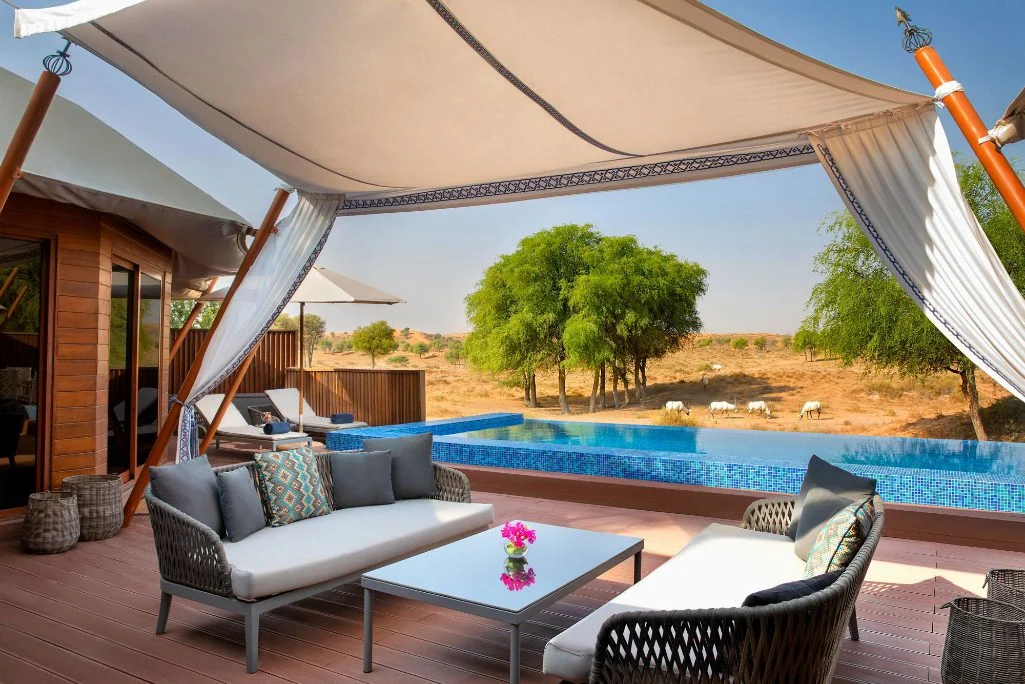
The northernmost emirate of the United Arab Emirates, Ras Al Khaimah, is embarking on a comprehensive structural transformation of its hospitality sector, moving away from its historical identity as a value-driven destination toward a high-end, premium tourism hub. This strategic pivot, led by the Ras Al Khaimah Tourism Development Authority (RAKTDA), aims to capitalize on the growing global demand for luxury travel and integrated resort experiences. According to Phillipa Harrison, CEO of RAKTDA, the emirate is poised for a radical realignment of its hotel inventory. Currently, luxury five-star properties account for approximately 13.3% of the existing room supply. However, under a visionary roadmap extending to 2030, the authority anticipates that 80% of all hotel keys in the emirate will fall within the premium and luxury categories.
This transition reflects a broader trend within the UAE to diversify tourism offerings and attract high-net-worth individuals. While Dubai has long established itself as a global luxury icon and Abu Dhabi as a cultural and sporting center, Ras Al Khaimah is carving out a niche that blends rugged natural beauty—characterized by its Hajar Mountains and terracotta deserts—with ultra-luxury hospitality and world-class entertainment. The scale of this ambition is evidenced by a massive development pipeline that seeks to nearly double the emirate’s current room capacity over the next six years.
Strategic Shift from Value to Premium Positioning
For over a decade, Ras Al Khaimah was primarily recognized as an accessible alternative to its more expensive neighbors, offering high-quality beach resorts and nature-based activities at a competitive price point. However, the RAKTDA’s new mandate signals a departure from volume-based tourism toward a value-based model. The shift to an 80% premium inventory is not merely a change in branding but a fundamental overhaul of the emirate’s economic engine.
By targeting the premium segment, Ras Al Khaimah aims to increase the average daily rate (ADR) and revenue per available room (RevPAR) across its hospitality sector. This strategy is supported by the entry of prestigious international brands that bring global recognition and a loyal base of affluent travelers. The current inventory of 8,700 keys is set to grow significantly, with 8,000 additional keys already in the pipeline. By 2030, the destination aims to host approximately 16,000 rooms, the vast majority of which will cater to the luxury market.
The Wynn Al Marjan Island: A Paradigm Shift for UAE Tourism
The centerpiece of Ras Al Khaimah’s premium evolution is the Wynn Al Marjan Island, a multi-billion-dollar integrated resort development. This project represents a historic milestone not only for the emirate but for the entire Middle East, as it is slated to house the first licensed gaming facility in the Gulf Cooperation Council (GCC) region.
Originally targeted for an opening in the first quarter of 2027, the 1,530-key Wynn property is now expected to welcome its first guests in September 2027. Despite the slight adjustment in the timeline, the project remains the single largest addition to the emirate’s hospitality pipeline. The resort is expected to be a massive economic catalyst, driving international arrivals from new markets and establishing Al Marjan Island as a premier global destination. The presence of Wynn Resorts, a brand synonymous with high-end gaming and luxury hospitality in Las Vegas and Macau, serves as a powerful endorsement of Ras Al Khaimah’s investment climate and regulatory stability.
Chronology of Key Openings and Infrastructure Development
The transformation of Ras Al Khaimah is being executed through a phased rollout of high-profile projects, ensuring a steady increase in capacity and brand diversity.
2024: Strengthening the Current Portfolio
The immediate focus for 2024 includes the addition of the Rotana Ras Al Khaimah – The Mangroves. Featuring 258 keys, this property is designed to integrate the emirate’s unique ecological assets—specifically its extensive mangrove forests—into a sophisticated hospitality experience. This opening serves as a bridge between the emirate’s traditional roots and its future as a refined destination.
2025: Nature and Global Brands
In 2025, the development focus shifts toward the mountains and the burgeoning Al Marjan Island district. A significant highlight is the 70-key Saij Mountain Lodge by Mantis. Located on Jebel Jais, the highest peak in the UAE, this luxury eco-lodge is designed for travelers seeking seclusion and adventure. It represents a key component of the emirate’s "mountain tourism" strategy, leveraging the cooler altitudes and dramatic landscapes of the Hajar range.
2026–2027: The Arrival of Global Icons
Following the initial wave of openings, the period between 2026 and 2027 will see the arrival of some of the most prestigious names in international hospitality. These include:
- Nobu: Known for its celebrity-endorsed Japanese fusion dining and minimalist luxury hotels.
- Janu: The "social" sister brand of the ultra-exclusive Aman Resorts, focusing on wellness and community.
- Four Seasons: A global benchmark for luxury service and residential-style hospitality.
- Fairmont and W Hotels: Bringing high-energy luxury and traditional elegance to the beachfront.
- The Unexpected: A boutique luxury concept designed to offer unique, non-traditional guest experiences.
Jebel Jais and the Diversification of the Tourism Product
While Al Marjan Island serves as the hub for large-scale resorts and entertainment, Jebel Jais remains the cornerstone of Ras Al Khaimah’s adventure and nature-based tourism. The RAKTDA has invested heavily in infrastructure on the mountain, including the world’s longest zipline, hiking trails, and the Jais Sledder.
The introduction of the Saij Mountain Lodge is part of a broader effort to provide "low-impact" luxury. This approach ensures that as the emirate scales its tourism sector, it preserves the natural environments that make it a distinct alternative to the urban sprawl of Dubai. Analysts suggest that the mountain segment is crucial for attracting the "experiential traveler"—a demographic that prioritizes authentic connections with nature and local culture over traditional luxury.
Economic Implications and Regional Competitiveness
The decision to pivot toward a premium model is backed by strong economic indicators. In 2023, Ras Al Khaimah reported its best-ever year for tourism, welcoming over 1.22 million overnight visitors, an 8% increase compared to the previous year. International visitor arrivals grew even faster, surging by 24%.
The expansion of the luxury hotel stock is expected to have a multiplier effect on the local economy:
- Job Creation: The addition of 8,000 keys will require thousands of skilled hospitality professionals, stimulating the local labor market.
- Foreign Direct Investment (FDI): The entry of brands like Wynn and Nobu signals to global investors that Ras Al Khaimah is a high-growth market with a favorable regulatory environment.
- Ancillary Services: The growth in premium tourism will drive demand for high-end retail, fine dining, private aviation, and luxury transport services.
Furthermore, the establishment of the General Commercial Gaming Regulatory Authority (GCGRA) at the federal level provides a clear legal framework for integrated resorts. This move is seen as a strategic play to compete with other global gaming hubs like Singapore and Las Vegas, positioning Ras Al Khaimah as the regional pioneer in this high-revenue sector.
Official Responses and Industry Sentiment
Industry experts have reacted positively to the RAKTDA’s transparent timeline and ambitious targets. Hospitality consultants note that Ras Al Khaimah’s strategy of "under-promising and over-delivering" has built significant credibility with developers.
Phillipa Harrison has emphasized that the goal is not just about building hotels, but about creating a "sustainable, diverse, and resilient" tourism ecosystem. By focusing on the premium segment, the authority is ensuring that the emirate attracts travelers who stay longer and spend more, thereby maximizing the economic benefit per visitor while minimizing the environmental strain associated with mass-market tourism.
Local stakeholders, including Al Marjan Island’s master developers, have echoed this sentiment, stating that the demand for land plots on the man-made archipelago has reached record levels, driven by the anticipation of the Wynn resort’s impact on property values and tourism traffic.
Sustainability and Long-Term Vision for 2030
As Ras Al Khaimah approaches its 2030 goal, sustainability remains a central theme. The RAKTDA has launched several initiatives to ensure that hotel developments adhere to green building standards and that the emirate’s natural biodiversity is protected. This is particularly relevant for projects like the Saij Mountain Lodge and the Mangroves property, where the environment is the primary draw for guests.
The roadmap to 16,000 keys is a bold statement of intent. By shifting from a value destination to a premium powerhouse, Ras Al Khaimah is redefining its place on the global map. The combination of high-stakes entertainment at Wynn Al Marjan Island, serene mountain retreats on Jebel Jais, and a portfolio of world-renowned luxury brands suggests that by the end of the decade, the emirate will no longer be seen as a secondary destination, but as a primary driver of the UAE’s multi-faceted tourism success.