A groundbreaking discovery by researchers at Weill Cornell Medicine and the Hospital for Special Surgery (HSS) has identified a previously elusive population of stem cells that appears to be the primary architect of the body’s tendons and ligaments, the vital connective tissues that anchor muscles to bones and bones to each other. This pivotal finding not only illuminates the fundamental processes of musculoskeletal development and repair but also presents a promising new target for addressing lumbar spinal stenosis, a debilitating condition affecting millions worldwide.
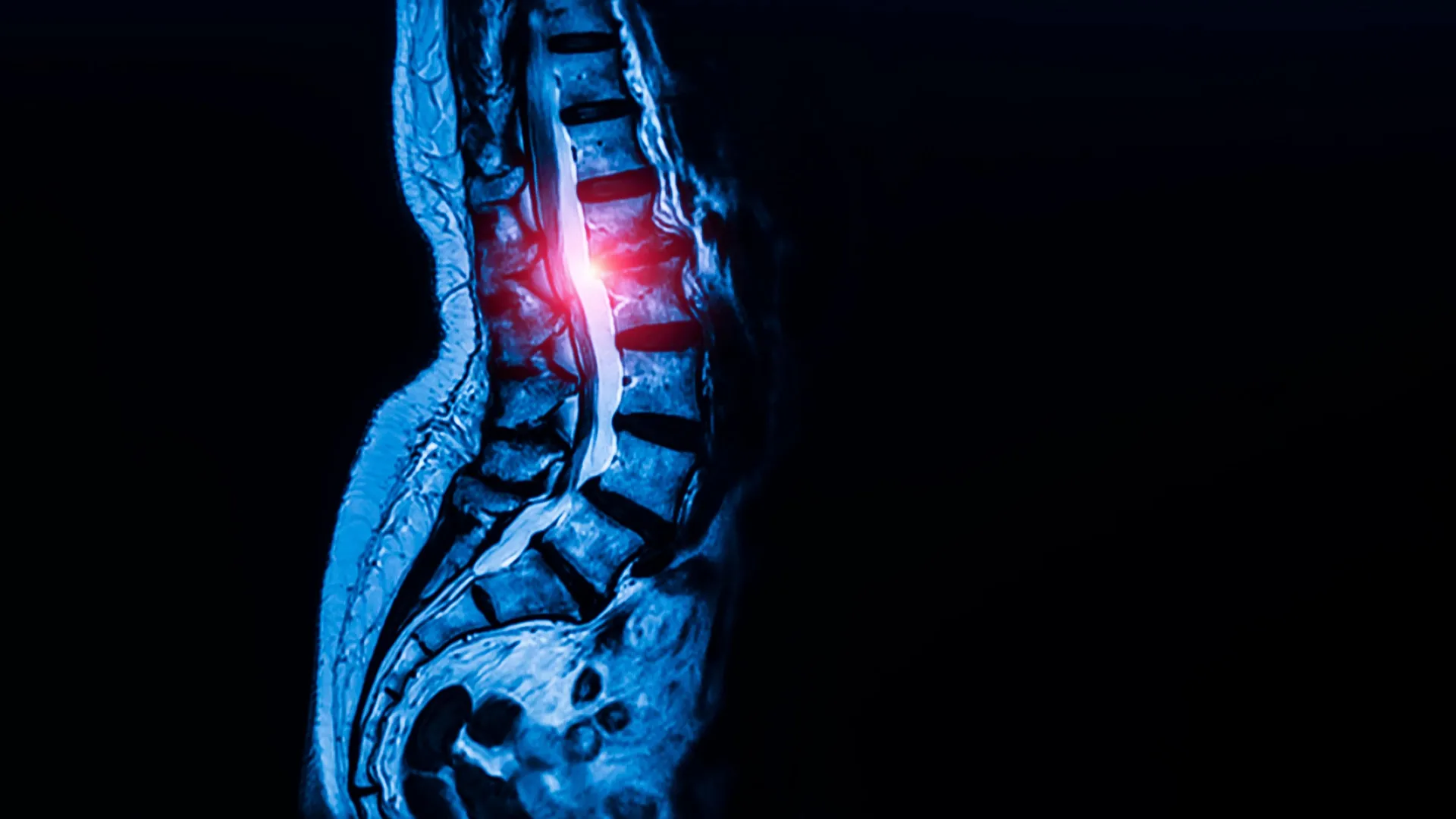
The scientific team’s meticulous investigation, detailed in the September 7th edition of the prestigious journal Cell, has provided compelling evidence that these specialized stem cells, once identified, can become dysregulated and overactive within the lower spine. This hyperactivity is hypothesized to contribute to the thickening of ligaments that characterizes lumbar spinal stenosis, a condition where the narrowing of the spinal canal exerts dangerous pressure on the spinal cord and nerves. The ramifications of this compression are significant, leading to chronic pain, numbness, and profound difficulties with mobility, impacting an estimated 103 million individuals globally.
The implications of this discovery are far-reaching, suggesting that therapeutic interventions targeting these newly identified stem cells could revolutionize the treatment landscape for spinal stenosis, offering hope to patients with limited options. Notably, the research hints at the potential repurposing of existing medications, such as those currently prescribed for hypertension, as a novel approach to managing this pervasive spinal condition.
Dr. Matthew Greenblatt, co-corresponding author and the Rohr Family Research Scholar, associate professor of pathology and laboratory medicine at Weill Cornell and a pathologist at NewYork-Presbyterian/Weill Cornell Medical Center, emphasized the significance of this identification. "While previous studies had proposed several candidate stem cells, none had definitively shown that a single cell population could both self-renew and generate the full spectrum of tendon and ligament cell types," he stated. "This discovery provides that definitive link, unlocking a fundamental understanding of how these crucial tissues are built and maintained."
Following this pivotal identification, the research team delved into the potential role these stem cells might play in the pathogenesis of lumbar spinal stenosis, a condition that often necessitates invasive surgical intervention once it reaches a severe stage.
Dr. Sravisht Iyer, co-corresponding author, an associate professor of orthopedics at Weill Cornell and a spine surgeon at HSS, expressed his enthusiasm for the potential clinical impact. "Identifying these specialized stem cells unlocks a new area of research that allows us to address this disease much more mechanistically, rather than just waiting until a patient’s condition worsens and requires surgery to relieve the nerve compression," Dr. Iyer remarked. "The findings are exciting for their potential to change the way we deliver spinal care. This represents a paradigm shift from reactive treatment to proactive, targeted intervention."
The Pursuit of the Master Builders: Unraveling Tendon and Ligament Stem Cells
The journey to pinpointing these specialized stem cells was a complex and arduous one, building upon years of prior research by Dr. Greenblatt and his colleagues. Their previous work had successfully identified critical stem cell populations involved in other skeletal processes, including the stem cells responsible for fracture repair within the outer layer of bone (identified in 2018) and those involved in the formation of the skull and spine.
However, isolating the stem cells responsible for tendon and ligament development proved to be a considerably greater challenge. Unlike bone, which possesses more distinct cell types, tendons and ligaments are characterized by a rich population of fibroblast-like cells that exhibit striking similarities in appearance. This morphological homogeneity made it exceptionally difficult to differentiate between various cell populations and isolate the specific stem cell responsible for generating these connective tissues.
"We analyzed thousands of individual cells and sorted them into individual cell types," Dr. Greenblatt explained. "Then we identified which one had the properties we associate with ‘stemness.’" This rigorous process involved advanced single-cell sequencing and sophisticated computational analysis to sift through the cellular heterogeneity.
The concept of "stemness" in this context refers to the inherent capacity of a rare cell population to undergo unlimited self-renewal while simultaneously possessing the ability to differentiate into the diverse array of mature cell types required for the formation and ongoing maintenance of tendon and ligament tissues. Through extensive studies in mouse models, the researchers pinpointed these stem cells residing within specialized niches in tendons and ligaments, areas that appear to function as critical reservoirs for tissue growth, regeneration, and repair.
Leveraging the insights gained from their mouse studies, the team then embarked on the crucial task of identifying analogous cells within human tissues. Human ligament samples were meticulously collected by Dr. Iyer from tissue that was surgically removed from patients who had provided informed consent for their use in research. This ethically sourced material was instrumental in validating the findings from animal models.
The research, with Dr. Lingling Hu, a postdoctoral fellow in both Dr. Greenblatt’s and Dr. Iyer’s labs, serving as the first author, confirmed that these human cells exhibited the hallmark characteristics of stem cells: they could both self-renew and generate mature ligament cells.
Their investigation further revealed the widespread presence of these stem cells throughout the human body, extending far beyond the spine. "We looked in the kneecap ligament; we looked at the Achilles tendon; and everywhere we looked, we found this cell," Dr. Greenblatt stated. "So, we think this is the universal stem cell for tendons and ligaments throughout the body." This broad distribution underscores their fundamental role in musculoskeletal integrity.
Unraveling the Link: Stem Cells and the Development of Lumbar Spinal Stenosis
The subsequent phase of the research focused on investigating whether these newly discovered stem cells played a role in the development of lumbar spinal stenosis. To this end, the researchers compared stem cells obtained from patients diagnosed with spinal stenosis to those collected from the spinal ligaments of individuals who had undergone surgery for herniated discs but did not exhibit any signs of stenosis. Again, all patients provided informed consent prior to sample collection.
A striking observation emerged from this comparison: ligaments from patients with spinal stenosis contained a significantly higher proportion of the newly identified stem cells compared to those from individuals without the condition. Furthermore, when these stem cells from stenotic ligaments were transplanted into a mouse model, they demonstrated a marked propensity to generate more tendon cells than stem cells derived from healthy ligaments.
"Though spinal stenosis is a complex condition, this really showed us that these cells are contributing to the pathology," Dr. Greenblatt, who is also affiliated with the Sandra and Edward Meyer Cancer Center at Weill Cornell, affirmed. This finding provides a crucial mechanistic link between the presence of these stem cells and the abnormal tissue growth characteristic of spinal stenosis.
Delving deeper into the cellular mechanisms, the researchers observed distinct differences in intracellular communication pathways. Stem cells associated with spinal stenosis exhibited elevated levels of calcium signaling compared to their healthy counterparts. Calcium signaling is a fundamental cellular process that governs a wide range of cellular activities, including growth, proliferation, and differentiation.
The researchers then conducted experiments to explore the functional consequences of this heightened calcium signaling. By genetically increasing calcium signaling in stem cells derived from healthy ligaments, they were able to induce excessive tissue growth, mirroring the pathological changes seen in spinal stenosis. Conversely, reducing calcium signaling in a mouse model engineered to exhibit lumbar spinal stenosis effectively halted abnormal cell proliferation.
A Promising Therapeutic Horizon: Targeting Calcium Signaling for Spinal Stenosis Treatment
The elucidation of the role of calcium signaling in the overactivity of these stem cells has opened a significant new avenue for therapeutic intervention. The findings strongly suggest that modulating calcium signaling pathways could serve as a targeted strategy for treating spinal stenosis. This revelation holds particular promise, as it points towards the potential repurposing of existing pharmacological agents.
Calcium channel blockers, a class of drugs widely prescribed and well-established for managing hypertension (high blood pressure), operate by regulating calcium influx into cells. The research suggests that these existing medications could potentially be explored as a treatment for spinal stenosis. However, it is crucial to emphasize that extensive clinical trials will be imperative to determine the safety and efficacy of such an approach in human patients.
"This is probably the first work that’s shown a potential therapeutic target for one of the most common spine conditions in the world," Dr. Iyer stated, highlighting the groundbreaking nature of this discovery.
The implications of this research may extend well beyond lumbar spinal stenosis. Dr. Greenblatt indicated his intention to investigate whether these same tendon and ligament stem cells are implicated in other connective tissue disorders, such as Marfan syndrome, a genetic condition that profoundly affects connective tissues throughout the body.
Furthermore, this discovery could provide invaluable insights into the persistent challenges associated with healing certain tendon and ligament injuries. Areas ripe for future investigation include complex conditions such as rotator cuff tears, Achilles tendon injuries, the process of ligament reconstruction, and the management of chronic tendon degeneration.
"Given that this cell appears to be the ultimate origin of all tendon and ligament cells, defects in this cell are likely at the heart of a wide range of tendon and ligament disorders," Dr. Greenblatt concluded. This foundational understanding positions the identified stem cell as a central player in the spectrum of connective tissue pathologies.
The research was supported by a constellation of grants and awards from various esteemed organizations, including the Marfan Foundation, Kellen Scholars Award, Children’s Tumor Foundation, Arthritis National Research Foundation, Weill Cornell’s Jumpstart award, the National Research Foundation of Korea, the National Institutes of Health, the Pershing Square Foundation, the Mary Kay Ash Foundation, and the Burroughs Wellcome Fund. This broad base of support underscores the perceived significance and potential impact of this pioneering work within the scientific and medical communities.