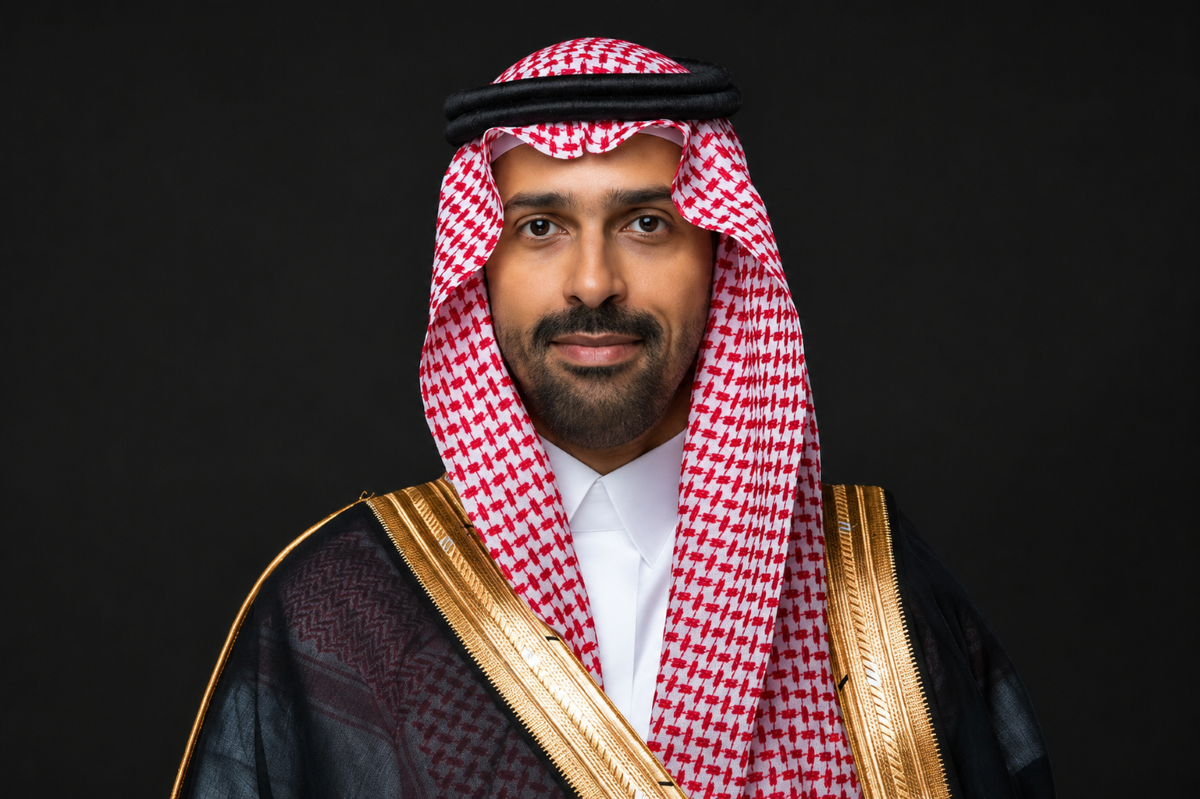
The Saudi Tourism Authority (STA) has officially announced the appointment of Ageel Alshaibani as its new Chief Executive Officer, a leadership transition that comes at a pivotal moment for the Kingdom’s burgeoning travel sector. Alshaibani succeeds Fahd Hamidaddin, who stepped down in May 2024 after a transformative seven-year tenure. The appointment, confirmed via an official announcement on Tuesday, signifies a strategic shift in how Saudi Arabia intends to manage its aggressive tourism targets amidst a shifting global economic landscape and a recalibration of domestic investment priorities. Alshaibani inherits the formidable task of steering the Kingdom toward its revised goal of attracting 150 million annual visitors by the end of the decade, a target that requires not only massive marketing efforts but also a seamless integration of infrastructure, policy, and private sector engagement.
Alshaibani’s elevation to the helm of the STA is viewed by industry analysts as a move toward data-driven, strategic execution. Prior to this appointment, Alshaibani served as the Saudi Deputy Minister of Tourism for Strategic Planning and Monitoring. In that capacity, he was instrumental in the design and implementation of the National Tourism Strategy, the blueprint that has guided the Kingdom’s entry into the international tourism market since 2019. His professional background is rooted in high-level consultancy and institutional management, having spent significant time at McKinsey & Company, where he specialized in strategic frameworks. Furthermore, his experience with the Mohammed bin Salman Foundation (Mysk) and his various board memberships—including roles with the Saudi Red Sea Authority, Jeddah Airports Company, and the General Entertainment Authority—provide him with a comprehensive view of the Saudi "ecosystem" required to sustain a world-class tourism industry.
A Strategic Transition in Leadership
The departure of Fahd Hamidaddin earlier this year marked the end of an era focused on brand building and global awareness. Under Hamidaddin, the STA was established and tasked with the monumental challenge of introducing Saudi Arabia to a global audience that previously viewed the Kingdom primarily through the lenses of oil production or religious pilgrimage. During his tenure, Saudi Arabia launched its first international tourism campaign, "Visit Saudi," and successfully navigated the challenges of the COVID-19 pandemic, emerging with a surprisingly resilient domestic tourism market. Alshaibani now takes the reins of an organization that has already established its brand identity; his mission is to transition the STA from a phase of "discovery" to one of "sustained conversion and operational excellence."
Saudi Tourism Minister Ahmed Al Khateeb expressed high confidence in Alshaibani’s capabilities, noting on LinkedIn that the new CEO’s deep understanding of strategic monitoring and planning would be essential for the next phase of the Kingdom’s journey. Al Khateeb emphasized that Alshaibani’s prior experience within the Ministry of Tourism ensures a continuity of vision, particularly as the Kingdom seeks to harmonize the efforts of various government entities and private developers.
Recalibrating the 150 Million Visitor Target
The primary metric by which Alshaibani’s success will be measured is the 150 million visitor target. Originally set at 100 million visitors as part of the initial Vision 2030 launch, the target was revised upward in late 2023 following a faster-than-expected recovery in travel figures. In 2023, Saudi Arabia welcomed over 100 million tourists (comprising 27 million international visitors and 79 million domestic tourists), effectively reaching its original 2030 goal seven years ahead of schedule. However, the new target of 150 million represents a significantly steeper climb, particularly regarding international arrivals, which the government hopes will reach 70 million by 2030.
To reach these numbers, the STA under Alshaibani must broaden its appeal beyond the traditional markets of the Gulf Cooperation Council (GCC) and religious tourism. While the Hajj and Umrah pilgrimages remain a foundational pillar, the Kingdom is aggressively targeting leisure travelers from Europe, the Americas, and Southeast Asia. This involves not only marketing the "sun and sea" appeal of the Red Sea coast but also the cultural heritage of AlUla, the mountain retreats of Aseer, and the urban entertainment hubs of Riyadh and Jeddah.
Navigating the Evolution of Giga-Projects and PIF Funding
One of the most complex challenges Alshaibani faces is the evolving relationship between the STA and the Kingdom’s giga-projects. Projects such as NEOM, the Red Sea Global, Diriyah, and Qiddiya are the centerpieces of Saudi Arabia’s tourism offering. These projects are largely funded by the Public Investment Fund (PIF), Saudi Arabia’s sovereign wealth fund. Recently, however, there have been strategic shifts in how the PIF allocates capital. Reports indicate a "pulling back" or a prioritization phase where the fund is focusing on projects with the most immediate economic impact and highest feasibility.
This recalibration means that the STA must be more selective and efficient in its promotional efforts. If certain phases of NEOM or the Red Sea projects are delayed or scaled back to ensure financial sustainability, the STA must manage international expectations and ensure that the "Saudi story" remains compelling. Alshaibani’s background in strategic monitoring will be crucial here; he must align the STA’s marketing spend with the actual physical readiness of these destinations. The focus is expected to shift toward "quality over quantity" in the short term, ensuring that the infrastructure currently available—such as the newly opened resorts on the Red Sea—delivers a world-class experience that justifies the Kingdom’s high-end positioning.
The Chronology of Saudi Arabia’s Tourism Transformation
The appointment of Alshaibani is the latest chapter in a rapid chronological progression of the Saudi tourism sector:
- 2016: Vision 2030 is launched, identifying tourism as a key pillar for economic diversification.
- 2017: The Public Investment Fund announces the Red Sea Project and NEOM.
- 2019: Saudi Arabia introduces the e-visa program for 49 countries, opening its borders to non-religious leisure travelers for the first time.
- 2020: The Saudi Tourism Authority is established to act as the marketing and promotional arm of the Ministry of Tourism.
- 2021-2022: Despite global travel restrictions, Saudi Arabia invests heavily in domestic tourism and infrastructure, including the launch of the cruise industry in the Red Sea.
- 2023: The Kingdom reaches 100 million total tourists and raises the 2030 target to 150 million.
- May 2024: Fahd Hamidaddin departs the STA, leading to a period of interim management.
- October 2024: Ageel Alshaibani is officially appointed CEO, tasked with the "Vision 2030 2.0" phase.
Economic Imperatives: Diversification and Job Creation
The mandate of the STA extends beyond mere visitor counts; it is an economic necessity. Saudi Arabia aims for tourism to contribute 10% of the national Gross Domestic Product (GDP) by 2030, up from roughly 3% when the vision was first conceived. This transition is essential for decoupling the Saudi economy from its historical dependence on oil revenues.
Furthermore, the tourism sector is expected to be a primary engine for job creation. The government has set a target of creating 1.6 million new jobs in tourism and hospitality by the end of the decade. Alshaibani’s role involves working closely with the Ministry of Human Resources and Social Development to ensure that the growth in visitor numbers translates into employment opportunities for the Kingdom’s young population. The "Saudi-ization" of the hospitality sector is a key priority, requiring a massive investment in training and vocational education to meet the standards expected by international luxury travelers.
Infrastructure and Global Competitiveness
As CEO, Alshaibani must also address the logistical hurdles of the Saudi tourism experience. While the Kingdom has made strides in visa accessibility, other challenges remain. These include increasing flight connectivity through the expansion of the national carrier, Saudia, and the launch of the new Riyadh Air. Additionally, the development of mid-scale hotel offerings is necessary to supplement the luxury "giga-project" resorts, ensuring that the 150 million visitor target is inclusive of various traveler demographics.
The competitive landscape in the Middle East is also intensifying. Regional neighbors like the United Arab Emirates and Qatar have long-established tourism infrastructures and global reputations. Saudi Arabia’s entry into the market has forced a regional "arms race" in tourism offerings. Alshaibani will need to leverage Saudi Arabia’s unique selling points—such as its vast size, diverse geography, and deep historical heritage—to differentiate the Kingdom from its more established neighbors.
Analysis of Implications
The appointment of a strategist like Alshaibani suggests that the Saudi government is moving into a more "clinical" phase of its development. The initial excitement and grand announcements of 2017–2022 are being replaced by a focus on delivery, ROI (Return on Investment), and sustainable growth. The STA’s future campaigns are likely to be more targeted, using data analytics to identify high-value markets and tailoring the Saudi "product" to meet specific consumer needs.
Moreover, the emphasis on Alshaibani’s roles in the Saudi Red Sea Authority and Jeddah Airports Company indicates a desire for better "intermodal" synergy. A tourist’s journey involves visas, flights, airport transfers, and the destination experience itself. By having a CEO who understands the intricacies of airport management and maritime regulation, the STA is better positioned to advocate for a frictionless traveler experience.
Conclusion: The Road to 2030
Ageel Alshaibani takes over the Saudi Tourism Authority at a time when the world is watching to see if the Kingdom’s ambitious promises can be fully realized. The path to 150 million tourists is fraught with challenges, from geopolitical stability in the Middle East to the global economic climate. However, with a background rooted in strategic planning and a deep familiarity with the Kingdom’s tourism roadmap, Alshaibani is uniquely equipped to navigate these complexities.
His leadership will likely be defined by how he balances the grand ambitions of Vision 2030 with the practical realities of infrastructure development and fiscal discipline. If successful, his tenure will not only see the achievement of record-breaking visitor numbers but will also cement Saudi Arabia’s position as a permanent and influential fixture on the global tourism map. As the Kingdom enters the second half of its Vision 2030 timeline, the appointment of Alshaibani marks a decisive step toward turning an ambitious vision into a sustainable reality.