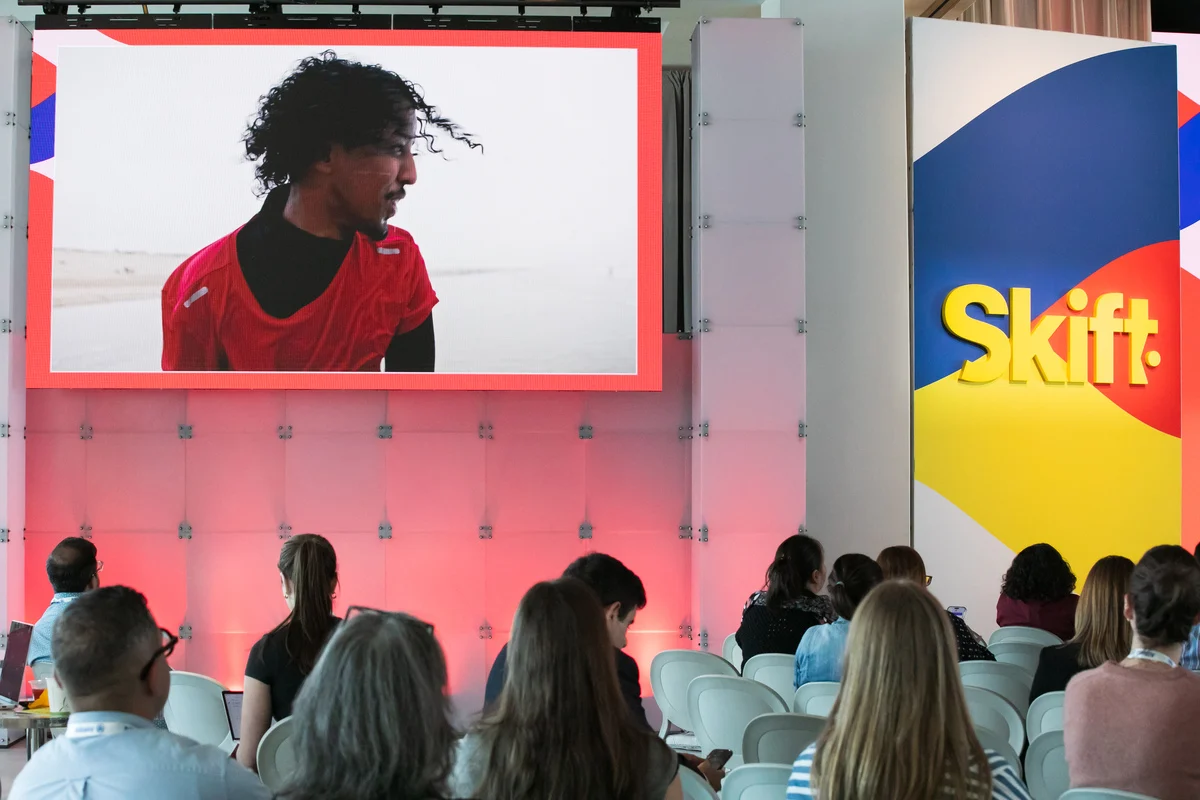
The global travel industry is currently navigating a significant shift in consumer behavior, characterized by the transition from traditional search-based discovery to creator-led demand. While the influence of social media personalities and content creators on travel decisions is undeniable, the infrastructure required to track and monetize this path remains fractured across various stakeholders. To address these systemic challenges, Skift has announced the Skift Creator Summit, presented by Meta, scheduled for September 22. This high-level, closed-door working session aims to bring together the disparate entities that own different segments of the traveler’s journey—from the initial spark of inspiration on a social media feed to the final confirmation of a hotel or flight booking.
The Challenge of the Fragmented Attribution Path
The central premise of the upcoming summit is the recognition that no single entity currently possesses a comprehensive view of the creator-led booking funnel. In the current landscape, the travel brand observes the marketing expenditure; the social media platform tracks the click and engagement metrics; the affiliate network monitors the payout; and the creator manages the audience relationship. However, the data silos existing between these players mean that the full trajectory from a viral video to a completed transaction often remains opaque.
Industry analysts note that this "attribution gap" is one of the primary hurdles preventing travel companies from scaling their creator investments. Without a unified view of the customer journey, brands struggle to determine the true Return on Investment (ROI) of influencer campaigns. Conversely, creators often find it difficult to prove their direct impact on a brand’s bottom line beyond vanity metrics such as likes and shares. The Skift Creator Summit is designed to bridge these gaps by facilitating direct dialogue between those who manage the budgets and those who control the technology and the content.
A Chronology of Travel Marketing: From Brochures to Creators
To understand the necessity of this summit, one must look at the evolution of travel marketing over the last three decades. In the 1990s and early 2000s, travel discovery was dominated by traditional media, including television advertisements, print brochures, and travel agencies. The rise of Online Travel Agencies (OTAs) and search engine marketing in the mid-2000s shifted the power toward intent-based search. Travelers knew where they wanted to go and used platforms like Google or Expedia to find the best price.
By the mid-2010s, the emergence of Instagram and YouTube introduced "aspiration-based" discovery. Travelers began to seek out destinations based on visual storytelling. However, even during this phase, the connection between a post and a booking was tenuous. The current era, beginning around 2020, marks the rise of the "Creator Economy," where individual personalities act as the primary filters for travel information. According to recent market data, nearly 75% of Gen Z and Millennial travelers report that social media creators influence their travel choices. Despite this, the technical integration between social platforms and booking engines is still in its infancy, leading to the logistical "blind spots" that the September 22 summit intends to analyze.
Data Insights: The Economic Weight of Creator-Led Travel
The urgency of the summit is underscored by the sheer scale of the creator economy, which is estimated to be worth over $250 billion globally as of 2024. In the travel sector specifically, the impact is profound. Recent surveys indicate that:
- 35% of travelers have visited a specific destination after seeing it featured by a creator they follow.
- Conversion rates for creator-led content are approximately 3.5 times higher than traditional brand-led digital advertisements.
- Travel brands are expected to increase their influencer marketing budgets by an average of 25% in the next fiscal year.
Despite these figures, a significant portion of "creator spend" is still categorized under general brand awareness rather than direct response marketing. This is largely due to the inability of current systems to track cross-platform conversions. For instance, a user may see a Reel on Instagram (Meta), research the destination on a desktop browser, and eventually book through a mobile app. Connecting these touchpoints requires a level of technical and strategic cooperation that the industry has yet to standardize.
A Session for Operators, Not Spectators
Unlike traditional conferences that focus on broad trends and inspirational keynotes, the Skift Creator Summit is being positioned as a "working session." The organizers have implemented a strict application process, reviewing potential attendees based on their role and budget authority. The goal is to ensure that every person in the room is an "operator"—someone who directly manages creator spend, social strategy, or performance marketing.
The roster of participants includes in-house brand teams from major sectors of the travel industry, including:
- Global Hotel Groups: Focused on how creators can drive direct bookings to bypass high OTA commissions.
- Major Airlines: Seeking ways to use creators to highlight premium cabin experiences and loyalty programs.
- Cruise Lines: Leveraging long-form video creators to demystify the cruise experience for younger demographics.
- Online Travel Agencies (OTAs): Exploring affiliate integrations that allow creators to link directly to booking engines.
- Marketing Agencies: The intermediaries who plan and execute high-spend campaigns for travel giants.
By limiting attendance to those with "skin in the game," the summit aims to foster a transparent environment where participants can share sensitive data and successful (or failed) strategies without the presence of the general public or competitors who lack similar decision-making power.
The Role of Meta and Platform Integration
The involvement of Meta as a presenting partner is a strategic highlight of the event. As the parent company of Instagram and Facebook, Meta sits at the epicenter of the creator-traveler interaction. In recent years, Meta has introduced tools such as "Shops," enhanced affiliate tagging, and advanced conversion APIs designed to close the loop between content and commerce.
However, the travel industry presents unique challenges compared to retail. A pair of shoes is a simple transaction; a ten-day Mediterranean cruise involves multiple decision points, high price tags, and complex logistics. The summit will likely serve as a feedback loop for Meta and other platforms to understand what specific tools travel operators need to better track these high-intent journeys.
Industry Implications and Future Outlook
The outcomes of the Skift Creator Summit are expected to resonate well into the 2025 planning cycle. As travel brands move away from broad-reach television and print campaigns, the "creator-first" approach is becoming the new standard. However, this transition requires a shift in organizational structure. Many travel companies still house their social media teams in "Communications" or "PR" departments, while their booking engines are managed by "Digital Product" or "IT."
One of the primary implications discussed by industry observers is the need for a "Chief Creator Officer" or a unified "Demand Generation" seat that oversees the entire path from video to booking. By bringing these different vantage points onto one stage, the summit will challenge the traditional siloed approach to travel marketing.
Furthermore, the rise of AI-driven personalization and the potential for creators to act as "virtual travel agents" adds another layer of complexity. If a creator can provide a curated itinerary that is bookable with a single click, the role of the traditional travel agency may be further disrupted. The September 22 session will provide a critical venue for discussing how these emerging technologies can be harnessed rather than feared.
Summary of Objectives and Expected Results
As the travel industry prepares for the Skift Creator Summit, the focus remains on three core objectives:
- Standardizing Measurement: Establishing a common language for ROI that satisfies both the brand’s finance department and the creator’s creative vision.
- Technical Collaboration: Identifying the "breaks" in the affiliate rail and working toward seamless API integrations between social platforms and booking systems.
- Strategic Alignment: Ensuring that creator content aligns with the actual operational realities of the travel product, preventing "over-tourism" or mismatched expectations.
The event represents a pivotal moment for the sector. By moving the conversation from "why creators matter" to "how we track and scale creator demand," Skift and Meta are acknowledging that the creator economy is no longer a peripheral marketing tactic but a central pillar of the global travel business. The "closed-room" nature of the summit suggests that the industry is ready to move past superficial discussions and engage in the rigorous work of building a more efficient, transparent, and profitable travel booking ecosystem for the digital age.