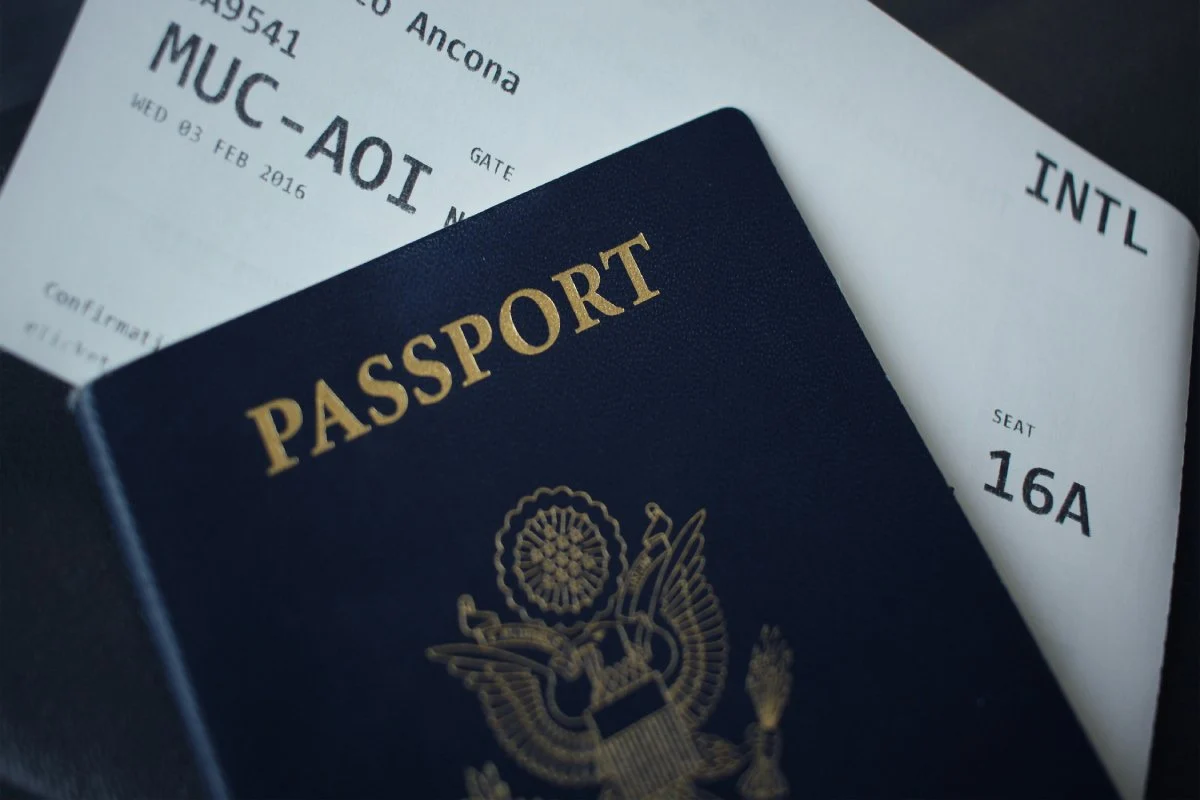
The United States Department of State has officially moved to modernize one of its most essential public-facing services by proposing a significant rule change that would expand online passport renewal eligibility to include Americans living or traveling abroad. This proposal, scheduled for publication in the Federal Register, represents a pivotal shift in the agency’s digital transformation strategy, aiming to eliminate the cumbersome logistical requirements that have historically defined the passport renewal process for the millions of U.S. citizens residing outside the country. By removing the necessity for multiple in-person visits to U.S. embassies and consulates, the State Department is seeking to streamline operations, reduce administrative overhead, and provide a more seamless "customer experience" for a globalized workforce and expatriate community.
The Framework of the New Proposal
The proposed rule change is designed to address two primary objectives: the inclusion of overseas Americans in the digital renewal ecosystem and the gradual relaxation of restrictive eligibility criteria that currently govern domestic online renewals. For Americans living abroad, the current renewal process often necessitates at least two in-person visits to a consular post—once to submit the application and once to collect the document—or relies on international courier services that can be both expensive and unreliable in certain regions. Under the new proposal, eligible citizens would be able to complete the entire application process, including photo submission and fee payment, through a secure online portal.
Domestically, the State Department has already begun rolling out a Beta version of its online renewal system, but it remains limited by specific parameters, such as the age of the applicant and the expiration date of the previous passport. The new proposal outlines a roadmap for "unwinding" these restrictions, eventually allowing a broader demographic of the American public to bypass the traditional mail-in process. This transition is part of a broader federal mandate to improve digital services, aligning with the "21st Century Integrated Digital Experience Act (IDEA)" and Executive Order 14058, which focuses on "Transforming Federal Customer Experience and Service Delivery to Rebuild Trust in Government."
Historical Context: From Paper Trails to Digital Portals
To understand the significance of this move, it is necessary to look at the historical challenges faced by the Bureau of Consular Affairs. For decades, the U.S. passport system was a paper-heavy operation. The standard DS-82 renewal form required physical signatures, printed photographs that met strict biometric specifications, and the mailing of original documents—including the current passport—to a processing center. This system, while secure, was highly susceptible to delays, particularly during periods of high demand.
The catalyst for the current modernization push was the unprecedented backlog that occurred following the COVID-19 pandemic. As international travel resumed in 2021 and 2022, the State Department was hit with a "tsunami" of applications. At the height of the crisis in 2023, processing times for routine service stretched to 10–13 weeks, with expedited service taking 7–9 weeks. This backlog created significant distress for travelers and highlighted the vulnerabilities of a system that relied on physical mail and manual data entry.
In response, the Biden administration issued an executive order in December 2021, directing the State Department to design and deliver a new online passport renewal experience. A limited pilot program was launched in 2022, but it was periodically paused to refine the technology and ensure that the backend infrastructure could handle the volume. The successful full domestic launch of the Online Passport Renewal (OPR) system in late 2024 set the stage for the current proposal to expand these services to the estimated 9 million U.S. citizens living overseas.
A Chronology of Modernization Efforts
The journey toward a fully digital passport system has been marked by several key milestones:
- December 2021: President Biden signs Executive Order 14058, ordering the Secretary of State to develop an online renewal system that does not require physical documents to be mailed.
- August 2022: The State Department launches a limited public beta test of the online renewal system, allowing a small number of volunteers to test the portal.
- Early 2023: The "Great Passport Backlog" reaches its peak, with over 500,000 applications being received per week, prompting congressional inquiries and a renewed focus on digital solutions.
- December 2023: Secretary of State Antony Blinken announces that the department has successfully cleared the backlog, with processing times returning to pre-pandemic levels (6–8 weeks for routine service).
- September 2024: The State Department officially launches the full domestic Online Passport Renewal (OPR) system for adult travelers within the United States.
- Present: The proposal to include overseas Americans is introduced in the Federal Register, initiating the public comment period and the formal rulemaking process.
Supporting Data: The Scale of U.S. Passport Services
The scale of the State Department’s operations is vast. According to data from the Bureau of Consular Affairs, the department issued more than 24 million passport books and cards in Fiscal Year 2023 alone—the highest number in U.S. history.
For Americans living abroad, the logistics are even more complex. While exact figures vary, the State Department estimates that between 5 million and 9 million U.S. citizens reside outside the United States. In major hubs like London, Mexico City, and Tokyo, consular offices process thousands of renewals annually. The introduction of an online system for these citizens is expected to reduce the physical foot traffic at embassies by as much as 30% to 40% in high-volume regions, allowing consular officers to focus on more complex cases, such as emergency services for citizens and visa adjudications.
Furthermore, the State Department’s data suggests that nearly 5 million Americans will be eligible for online renewal annually as the system scales up. The cost savings are also significant; while the application fee remains the same ($130 for a renewal), the elimination of postage costs, courier fees, and travel expenses for applicants represents a collective saving of millions of dollars for the public.
Official Responses and Stakeholder Reactions
While the State Department has been cautious in its rollout to ensure security and system stability, the response from leadership has been one of optimistic commitment. Secretary of State Antony Blinken has frequently emphasized that "modernizing our systems is not just about convenience; it’s about national security and maintaining the gold standard of the U.S. passport."
Expatriate advocacy groups have largely welcomed the proposal. Organizations such as the Association of Americans Resident Overseas (AARO) and the Federation of American Women’s Clubs Overseas (FAWCO) have long lobbied for such changes. In previous statements, representatives from these groups have noted that for elderly citizens or those living in remote areas, the requirement to travel to a distant capital city for a passport renewal was a significant barrier to maintaining their citizenship documentation.
"For an American living in rural Australia or the mountains of Peru, a trip to the embassy is not a simple task," said a spokesperson for an expat advocacy group during the initial pilot discussions. "Digital renewal is a game-changer that recognizes the reality of the 21st-century global American."
On the legislative side, the move has seen bipartisan support. Members of the House Foreign Affairs Committee have previously pressured the State Department to accelerate digital adoption to prevent a repeat of the 2023 backlog. However, some security experts have raised questions regarding the verification of digital photos and the potential for deepfake technology to be used in fraudulent applications. The State Department has countered these concerns by highlighting the use of advanced biometric software and manual review processes that remain a part of the online adjudication workflow.
Broader Impact and Future Implications
The implications of this rule change extend far beyond simple convenience. It represents a fundamental shift in how the U.S. government interacts with its citizens globally.
1. Economic and Tourism Impact
By streamlining the renewal process, the State Department is effectively removing a friction point in the travel industry. Business travelers, who often cannot afford to be without their passports for weeks at a time while they are mailed to a processing center, stand to benefit the most. The travel industry, represented by groups like the U.S. Travel Association, views the modernization of passport services as a critical component of maintaining the competitiveness of the U.S. travel sector.
2. Operational Efficiency for the State Department
The shift to digital applications allows for "load balancing" across the department’s network of processing centers. Currently, a mail-in application is typically processed at the facility closest to the applicant’s address. With a digital system, applications can be instantly routed to facilities with lower workloads, ensuring that no single office becomes a bottleneck.
3. Environmental and Logistical Benefits
The reduction in physical mail has a measurable environmental impact. Millions of envelopes, paper forms, and physical photographs will no longer need to be produced, shipped, and stored. For the government, this also reduces the physical footprint required for document storage, which is a significant long-term cost.
4. The Path to a Digital Identity
This expansion is likely a precursor to the eventual adoption of a "Digital Passport" or mobile driver’s license (mDL) equivalent for international travel. While a physical book will remain necessary for the foreseeable future due to international treaty requirements (ICAO standards), the backend infrastructure being built today for online renewals is the foundation for a future where a citizen’s identity can be verified through a secure digital vault.
Conclusion: A New Era for Consular Services
The State Department’s proposal to allow online passport renewals for Americans overseas is a landmark move in the history of the Bureau of Consular Affairs. It acknowledges the changing nature of the American citizenry—a population that is more mobile and more digitally integrated than ever before.
As the proposal moves through the public comment phase, the department will likely face questions regarding the technical robustness of the portal and the specific security measures in place to prevent identity theft. However, the trajectory is clear: the era of the paper-and-postage passport renewal is drawing to a close. For millions of Americans, whether they are in Des Moines or Dubai, the ability to maintain their most vital travel document will soon be as simple as a few clicks on a smartphone, marking a significant victory for government efficiency and citizen service.