Cambridge, MA – Suno, a prominent developer of artificial intelligence music models, announced on Wednesday the launch of its latest model family, Suno v6. This new iteration marks a significant strategic shift for the company, as it claims to have developed the model using data explicitly licensed from major music labels and distributors, including Warner Music Group, BMG, and Believe. The announcement comes at a critical juncture for Suno, which has been navigating a complex landscape of legal challenges and industry scrutiny regarding the ethical sourcing of training data for its generative AI tools.
The unveiling of Suno v6 signals a concerted effort by the startup to move beyond the controversies that have plagued the AI music sector. Previous versions of Suno’s models, which enable users to generate music from text prompts, have been the subject of multiple high-profile lawsuits. Record labels accused the company of widespread copyright infringement, alleging that Suno’s AI was trained on vast quantities of copyrighted material without permission or compensation. In a notable development preceding this launch, Suno settled its legal dispute with Warner Music Group last year and subsequently forged a licensing agreement with BMG just last month, paving the way for a more collaborative approach to AI development within the music ecosystem.
A New Foundation: Licensed Data and Ethical Development
A cornerstone of the Suno v6 announcement is the assertion that the new model family was not trained using the data employed for previous iterations. This distinction is crucial, as it directly addresses one of the primary criticisms leveled against generative AI companies: the unauthorized use of intellectual property for model training. By securing licenses from key industry players, Suno aims to establish a more legitimate and sustainable foundation for its technology. This move could potentially set a precedent for how AI developers engage with content creators and rights holders in the future, fostering a framework of compensation and partnership rather than conflict.
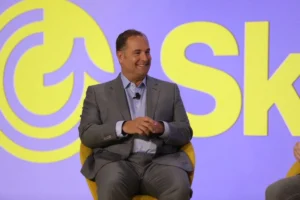
Jack Brody, Suno’s Chief Product Officer, articulated the company’s vision for this new direction, emphasizing the potential for derivative works to unlock new revenue streams for all stakeholders. "I think the music ecosystem and our partners are always looking for ways to create more revenue opportunities for their rights holders and artists," Brody told TechCrunch in a recent interview. "So a big part of this release is creating additional revenue streams there." This perspective frames AI not merely as a tool for creation but as an engine for economic growth within the existing music industry structure, provided appropriate licensing and revenue-sharing mechanisms are in place.
Introducing the Suno v6 Model Family: Versatility and Control
The Suno v6 release comprises three distinct versions, each tailored to different user needs and creative applications:
- Suno v6 (Base Model): Available to paying subscribers, this model is designed for reliability and steerability, offering users a high degree of control over their generated outputs. It targets professionals and serious hobbyists seeking predictable and precise musical compositions.
- Suno v6 Wild: Also accessible to paying users, this experimental model is intended for ideation and exploring unexpected sonic landscapes. It encourages creative exploration and aims to deliver surprising results, catering to users who prioritize innovation and serendipity in their music creation process.
- Suno v6 Mini: This faster, more streamlined version is available to all users, including those on free tiers. It provides quicker generation times, making AI music accessible to a broader audience for rapid prototyping and casual use.
Suno has also indicated plans to retire its older models, signifying a complete transition to this new, ethically sourced generation of AI. The company highlights that the new lineup offers unprecedented flexibility, allowing users to edit specific parts of a song using text prompts or lyrical adjustments. Furthermore, Suno v6 introduces advanced input capabilities, enabling users to leverage text, images, or even video as references to create new tracks. A particularly innovative feature allows users to separate an individual instrument from an existing audio sample and use it to construct a new beat, blurring the lines between sampling, remixing, and generative AI.
A Proactive Approach to Industry Challenges: Remixing and Watermarking
Beyond core model enhancements, Suno is actively developing features designed to integrate more smoothly with the established music industry. The startup plans to introduce a remixing capability, allowing users to modify existing songs. Crucially, this feature will operate under a new program being established with music labels, requiring respective artists to "opt-in" to allow their songs to be used for AI-generated remixes. This opt-in mechanism is another step towards ensuring artist consent and control over their intellectual property in the age of AI.
In addition to fostering collaboration, Suno is also taking steps to address broader industry concerns such as authenticity and fraud. Last month, the company announced its intention to embed watermarks into all songs generated using its platform. This measure aims to provide clear provenance for AI-generated content, a crucial step in distinguishing it from human-created works and combating potential misuse. Suno also recently implemented new download limits based on account tiers, a move that Chief Product Officer Jack Brody suggested could help manage "broader ecosystem challenges like streaming fraud and kind of mass exportation and uploading to distributors that are low intent." Brody further emphasized that while Suno can contribute to solutions, the ultimate responsibility for governing content rests with distributors and platforms.
The Enduring Shadow of Litigation: Sony, UMG, and Artist Concerns
Despite its proactive steps toward licensing and ethical development, Suno remains embroiled in significant legal battles. The company is still facing lawsuits from major labels such as Sony Music Group and Universal Music Group, which allege "mass infringement of copyright." These lawsuits are particularly contentious, as they represent the music industry’s broader pushback against what it perceives as the unauthorized appropriation of copyrighted works for commercial AI development. The legal arguments often center on whether the training of AI models constitutes fair use or a direct infringement of intellectual property rights.
Individual artists have also taken a stand. Noted musician Jason Isbell, for example, has filed a lawsuit against Suno, articulating the concerns of many creators who fear that AI tools, if unregulated, could devalue human artistry and diminish their livelihoods. Furthermore, Suno faces a class-action lawsuit from users alleging that the company "ignored security while chasing profits," highlighting concerns beyond copyright, including data privacy and responsible corporate conduct.
Adding another layer of complexity to the legal landscape, the Suno v6 announcement came just a day after the company admitted to training its models using audio obtained from YouTube videos. While Suno has challenged the standing of UMG and Sony to bring "stream-ripping" claims, this admission underscores the contentious methods historically employed in the development of some generative AI technologies and fuels the ongoing debate about data sourcing.
A Timeline of Suno’s Journey and the AI Music Revolution
Suno’s trajectory reflects the rapid and often turbulent evolution of generative AI in music. Founded with the ambitious goal of democratizing music creation, the company quickly gained traction for its user-friendly interface and impressive output capabilities. Its early models, while innovative, soon drew the attention of rights holders concerned about the origins of the AI’s "knowledge."
- Early Development: Suno emerges as a promising AI music generator, attracting significant user interest.
- 2023-2024: The company secures substantial funding, reportedly raising over $819 million to date, according to PitchBook data, signaling strong investor confidence in the nascent AI music market despite emerging legal challenges.
- Late 2023: Lawsuits from major record labels begin, accusing Suno (and similar AI music platforms) of copyright infringement.
- Late 2024: Suno settles with Warner Music Group, marking a turning point towards a more collaborative model.
- Early 2025: Suno strikes a licensing deal with BMG, further solidifying its shift towards legitimate data sourcing.
- June 2025: Suno admits to training models using YouTube audio, while simultaneously challenging the basis of certain legal claims.
- June 2025: Suno unveils Suno v6, developed with licensed data from WMG, BMG, and Believe, signaling a new era for the company.
- Ongoing: Lawsuits from Sony, UMG, Jason Isbell, and a class-action suit continue, highlighting the unresolved legal complexities facing the AI music industry.
The broader context for these developments is the burgeoning AI music market, projected to grow significantly in the coming years. Market research firms estimate the global generative AI in music market could reach billions of dollars by the end of the decade, driven by increasing adoption in content creation, gaming, advertising, and personal use. This growth, however, hinges on resolving fundamental issues of intellectual property, fair compensation, and ethical guidelines.
Broader Implications: Reshaping Creativity, Commerce, and Copyright
The launch of Suno v6 with licensed data represents a pivotal moment, not just for Suno, but for the entire AI music industry. It suggests a potential pathway for AI developers and traditional music stakeholders to coexist and even thrive together. By creating new "revenue streams" through derivative works and licensed training data, AI could, in theory, expand the economic pie for artists and labels rather than merely cannibalizing existing income.
However, the path forward is not without challenges. The ongoing lawsuits underscore the deep-seated concerns about the fundamental principles of copyright in the digital age. The legal outcomes of these cases could set critical precedents for how intellectual property is protected and valued when used to train sophisticated AI models. The debate extends beyond legalities to philosophical questions about creativity, authorship, and the definition of art itself when AI plays an increasingly central role.
Ultimately, Suno’s strategic pivot towards licensed data and collaborative revenue models could mark the beginning of a new era for AI in music. It suggests a future where technological innovation is balanced with respect for creators’ rights, fostering an environment where AI tools augment human creativity and expand commercial opportunities, rather than undermining them. The success of Suno v6 and its reception by the industry will be closely watched as a bellwether for the future harmony – or discord – between artificial intelligence and the human art of music.