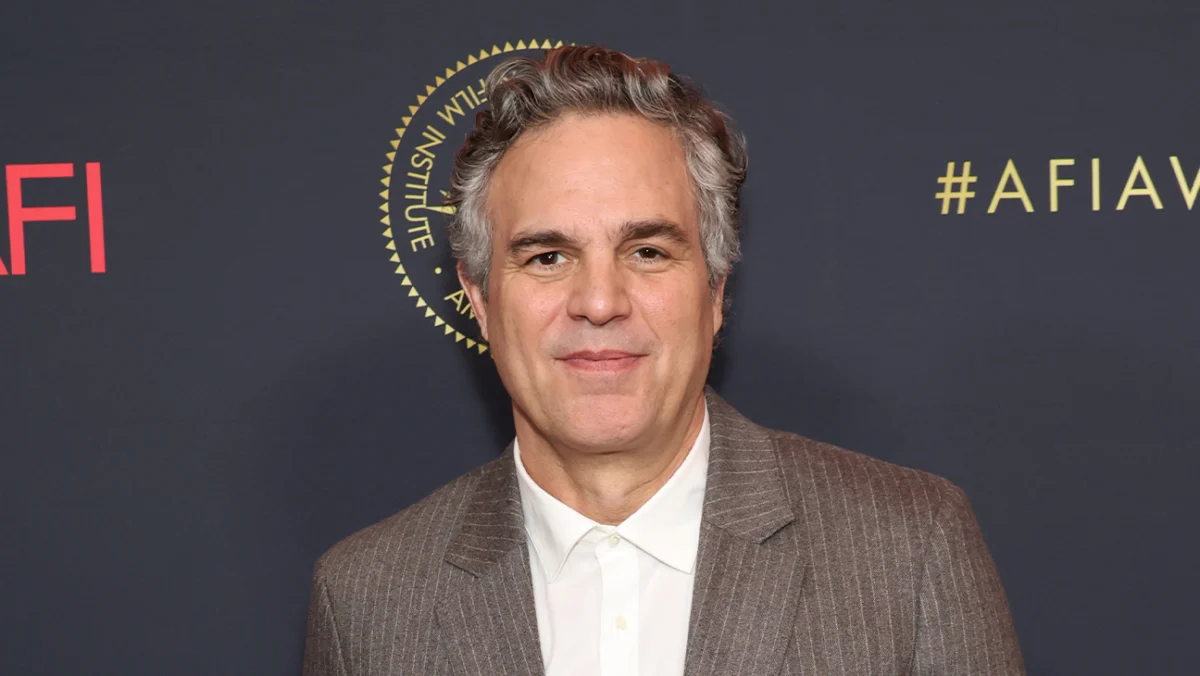
An influential entertainment industry coalition, known as The Brigade, has issued a forceful condemnation of what it terms "antisemitic tropes" allegedly underpinning actor Mark Ruffalo’s opposition to Paramount’s current leadership, particularly in the context of its proposed merger with Warner Bros. Discovery (WBD). The group, comprising nearly 1,000 members, friends, and allies of the Jewish community within the film, television, music, Broadway, and digital sectors, has explicitly called out Ruffalo’s recent public statements as unacceptable and dangerous.
Prominent figures within The Brigade include Haim Saban, the media mogul behind the "Power Rangers" franchise; Lawrence Bender, the acclaimed producer of "Reservoir Dogs" and "Pulp Fiction"; and Teddy Schwarzman, founder and CEO of Black Bear Pictures. Their collective statement signifies a significant intervention by a substantial segment of the entertainment industry into a complex business and political debate, highlighting the charged nature of discussions surrounding corporate leadership, mergers, and their perceived connections to geopolitical issues.
Background of the Controversy: A Merger, a Post, and an Accusation
The controversy ignited following Mark Ruffalo’s Instagram post on August 21st, which drew attention to Oracle’s business dealings with the Israeli military. Specifically, the post featured a viral clip of former Oracle CEO Safra Catz addressing the Israeli-American Council National Summit in 2024, in relation to Israel’s ongoing military operations in Gaza. Ruffalo’s post reportedly targeted Oracle founder Larry Ellison, who, through a family trust, holds controlling shares in Paramount Global. Ellison is also identified as a key financial backer of Paramount’s potential merger with Warner Bros. Discovery.
Ruffalo has been a vocal critic of both the proposed Paramount-WBD merger, expressing concerns about potential job losses within Hollywood, and Israel’s actions in Gaza and the West Bank. The Brigade’s statement directly links Ruffalo’s critique of Paramount’s leadership, and by extension Ellison’s influence, to what they describe as "centuries-old antisemitic conspiracy theories."
The Brigade’s Statement: A Direct Challenge to Ruffalo’s Rhetoric
The core of The Brigade’s statement reads: "Singling out Jewish executives and describing them in terms lifted from centuries-old antisemitic conspiracy theories, while invoking Israel as the frame for that attack, is antisemitic. It is unacceptable to introduce Jews, antizionism, or antisemitism into conversations about business transactions, simply because those involved are Jewish."
The group further elaborated on the perceived nature of Ruffalo’s comments, stating, "This is not commentary on a merger. It is not a criticism of a government. It is simple antisemitism, where Jewish executives are portrayed as a secretive and powerful wealth-hoarding elite delighting in mass death. This is the same rhetoric that Nazis, Soviets, and the Klan weaponized against Jews, and its consequences are not only historical: they show up today in attacks against Jews in our streets, our synagogues, and our schools."
The Brigade views Ruffalo’s actions as part of a broader, "callous continuation of the ongoing campaign by the same individuals and groups targeting Jewish people and the state of Israel, a pattern of antisemitism and misinformation that puts our community in grave danger." They explicitly reject any justifications, including the "I have Jewish friends" rationale, and raise questions about potential organized funding behind such campaigns. The statement concludes with a firm commitment: "We will keep standing up against this hatred. Because when we say, NEVER AGAIN, we mean it."
Chronology of the Dispute
-
August 21, 2024: Mark Ruffalo posts a video on Instagram highlighting Oracle’s ties to the Israeli military and referencing former Oracle CEO Safra Catz. The post is interpreted by some as critical of Larry Ellison, Paramount’s controlling shareholder and a key figure in the WBD merger talks. Ruffalo has a history of advocating for Palestinian rights and opposing Israeli actions in the Palestinian territories.
-
Subsequent Days: A Paramount spokesperson responds to Ruffalo’s post, calling for a de-escalation of the debate surrounding the WBD deal and labeling Ruffalo’s remarks as "antisemitic."
-
Ruffalo’s Rebuttal: Mark Ruffalo fires back via an X post (formerly Twitter), vehemently denying the antisemitism accusation, calling it "appalling and fundamentally dishonest."
-
August 28, 2024: The Brigade, a large coalition of entertainment industry professionals with Jewish ties, releases a comprehensive statement condemning Ruffalo’s alleged use of antisemitic tropes and narratives in his critique of Paramount’s leadership and business dealings.
-
Related Condemnations: The Brigade’s stance aligns with that of the Simon Wiesenthal Center, which also condemned Ruffalo’s comments.
-
Counter-Statement: In contrast, Emmy-winning actress Hannah Einbinder defended Ruffalo, describing the "antisemitism" claims as "ludicrous" and urging more individuals in Hollywood to "be more like Mark."
Supporting Data and Context
The Paramount-Warner Bros. Discovery merger is a high-stakes transaction with significant implications for the media landscape. Paramount Global, a legacy media giant, has been navigating a challenging period marked by declining traditional viewership and increased competition from streaming services. The proposed merger with Warner Bros. Discovery, another major player in the entertainment industry, is seen by some as a strategic move to consolidate assets, achieve economies of scale, and better compete in the evolving media market.
Larry Ellison’s influence over Paramount is substantial. As the primary financial backer and controlling shareholder, his decisions and strategic vision are pivotal to the company’s future, including its potential sale or merger. Ellison, a prominent figure in the tech industry, has also been a significant donor to pro-Israel causes and organizations.
Mark Ruffalo’s activism, particularly concerning the Israeli-Palestinian conflict, is well-documented. His public stance has consistently advocated for Palestinian rights and has been critical of Israeli government policies. This background provides context for his engagement with issues that intersect with the Israeli government and its military operations.
The use of the term "antisemitic tropes" refers to a history of harmful stereotypes and conspiracy theories directed at Jewish people. These often include accusations of excessive wealth, clandestine control of global finance or media, and a disproportionate influence in world affairs, often linked to malevolent intentions. The Brigade’s statement specifically draws a parallel between these historical tropes and the way they perceive Ruffalo has framed his criticism, particularly by linking Jewish executives to financial dealings and the ongoing conflict in Gaza.
Broader Implications for Hollywood and Public Discourse
The intervention by The Brigade underscores a growing trend of industry professionals using their collective voice to address issues that extend beyond purely creative or business matters. The entanglement of business negotiations with geopolitical conflicts and accusations of antisemitism creates a complex and often volatile environment.
1. The Blurring Lines of Business and Politics: This incident highlights how corporate decisions, particularly those involving significant financial transactions and influential individuals, can become entangled with broader political and social issues. The involvement of figures like Larry Ellison, who have prominent public profiles and engage in political advocacy, further complicates these dynamics.
2. The Power of Collective Action: The formation and statement by The Brigade demonstrate the increasing capacity of specific communities within Hollywood to mobilize and articulate their concerns. The group’s broad membership across various entertainment sectors amplifies its potential impact.
3. The Debate on Free Speech vs. Hate Speech: The case raises perennial questions about the boundaries of free speech, particularly in the context of public figures expressing strong opinions on sensitive geopolitical matters. The Brigade’s argument centers on the contention that certain forms of expression, even when framed as criticism of business or policy, can cross the line into hate speech if they employ antisemitic tropes.
4. Impact on Corporate Governance and Public Perception: The accusations and counter-accusations can have tangible effects on corporate governance and public perception. Paramount’s leadership, already under scrutiny due to the merger talks, now faces additional pressure from a prominent industry group concerned about the ethical implications of public discourse surrounding its stakeholders.
5. The Role of Activism in the Entertainment Industry: Hollywood has a long history of activism, but the direct involvement in challenging specific statements related to business dealings and alleged antisemitism signifies a deepening engagement with these complex issues. The varied reactions, including Einbinder’s defense of Ruffalo, illustrate the spectrum of opinions within the industry itself.
The ongoing debate surrounding the Paramount-WBD merger, now amplified by this public condemnation and counter-condemnation, underscores the intricate and often contentious intersection of business, politics, and identity in the modern entertainment landscape. The Brigade’s statement serves as a significant marker in this ongoing conversation, asserting a clear position on what constitutes acceptable discourse within the industry and beyond.