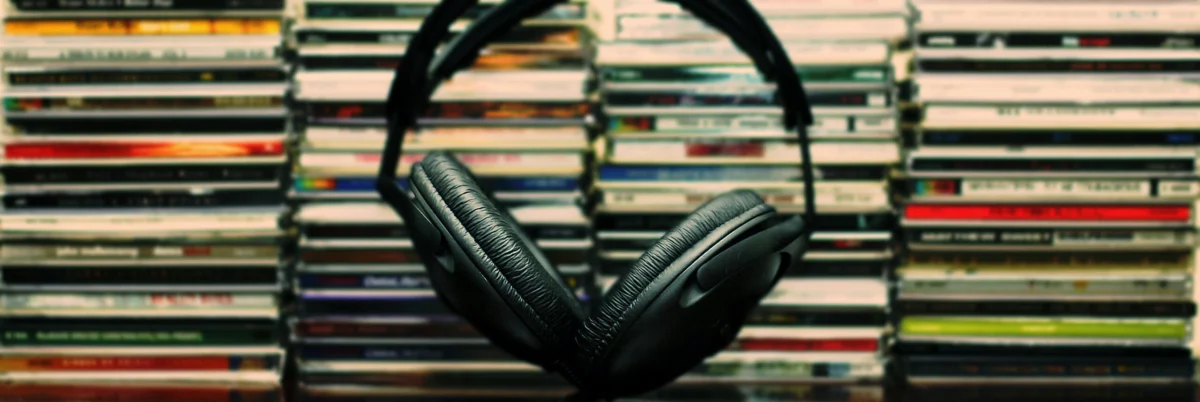
The Compact Disc, a format widely declared obsolete in the age of digital streaming, is experiencing a remarkable comeback, with the Recording Industry Association of America (RIAA) reporting significant growth in revenue and unit sales for the first half of 2026. This unexpected resurgence positions CDs at the forefront of a broader cultural movement embracing retro technology and physical media, driven largely by a younger generation seeking tangible experiences and a reprieve from digital overload.
The Unexpected Rebound of the CD
According to the RIAA’s latest mid-year report, CDs generated an impressive $171.1 million in revenue during the first six months of 2026. This figure represents a substantial 58.6% increase compared to the $107.9 million recorded in the first half of 2025. Complementing this revenue growth, unit sales also saw a robust uplift, climbing 45.7% from approximately 12 million units in the first half of 2025 to 17.5 million units sold in the same period of 2026. This data provides concrete evidence that the once-dwindling format is not only surviving but thriving.
This positive trend is particularly striking when viewed against the backdrop of recent performance. The RIAA’s full-year report for 2025 had painted a less optimistic picture, showing a decline in CD revenue by 7.8%, from $338.9 million in 2024 to $312.4 million in 2025. Unit sales followed a similar downward trajectory, dropping 11.6% from 33.3 million units in 2024 to 29.5 million units in 2025. This historical context underscores the magnitude of the current turnaround, suggesting a fundamental shift in consumer behavior that analysts are now keen to understand.
It is important to note a methodological change implemented by the RIAA in 2025, which shifted its revenue calculation from estimated retail value to wholesale value. While this adjustment impacts the direct comparability of revenue figures between 2024 and 2025, the unit sales data remains unaffected and unequivocally confirms the decline preceding the current rebound. The consistent growth in unit sales in the first half of 2026 therefore provides a clear, unvarnished indicator of renewed consumer demand for CDs.
The Broader Landscape: Physical Media’s Collective Strength
The CD’s revival is not an isolated incident but rather a significant component of a larger trend boosting physical media. Overall physical media revenue for the first half of 2026 jumped by 25.9% to a substantial $731.5 million. This growth was not solely dependent on CDs; vinyl records continued their impressive, multi-year ascent, contributing a 17.7% increase in revenue during the same period. Vinyl has long been at the forefront of the physical media resurgence, appealing to audiophiles and collectors alike with its tactile experience and perceived superior sound quality. The fact that CDs are now joining this upward trajectory indicates a broader market appetite for tangible music formats.
Industry observers suggest that this dual growth in both vinyl and CDs signifies a diversification of consumer preferences within the physical media segment. While vinyl often caters to a premium, niche market, CDs offer a more accessible entry point for those seeking physical ownership without the higher cost or specific playback equipment associated with vinyl. This layered demand contributes to a more robust and resilient physical music market than many had anticipated even a few years ago.
A Cultural Phenomenon: The Allure of Retro Tech for Gen Z
The resurgence of CDs is intrinsically linked to a wider cultural embrace of "retro tech," a movement gaining considerable momentum, particularly among Gen Z. This demographic, having grown up in an era dominated by smartphones, ubiquitous internet access, and streaming services, is increasingly drawn to simpler technologies from previous decades. Devices such as "dumbphones," digital cameras, typewriters, and landlines are experiencing renewed interest, representing a yearning for an era of technology that offered a different relationship with daily life.
For many young consumers, this trend is less about pure nostalgia—as they never directly experienced the prime of these technologies—and more about a deliberate choice for intentional engagement. They seek to reclaim control over their digital lives, escaping the incessant notifications, addictive algorithms, and constant connectivity that define modern smart devices. The appeal lies in a simpler, more focused interaction with technology:
- Digital Detox: Retro tech offers a tangible way to disconnect from the overwhelming demands of the digital world, fostering moments of focused attention.
- Tangible Ownership: In an increasingly digital and ephemeral landscape, owning a physical CD or a "dumbphone" provides a sense of permanence and possession that streaming subscriptions or cloud-based data cannot replicate.
- Curated Experience: Physical media encourages active listening and a deeper appreciation for an album as a complete artistic statement, rather than a collection of individual tracks to be shuffled.
- Aesthetic and Style: Many retro devices possess a distinct aesthetic appeal, becoming fashion statements or objects of personal expression. The ritual of playing a CD, handling its artwork, and reading liner notes adds to this curated experience.
- Privacy and Control: Simpler devices often come with fewer data collection points and less invasive features, appealing to privacy-conscious individuals.
This movement represents a pushback against the always-on, hyper-connected lifestyle. It’s about choosing when and how to engage with technology, rather than being constantly tethered to it. The simplicity of a CD player, for instance, allows for an uninterrupted listening experience, free from the distractions of social media alerts or email notifications.
Industry Adaptation and Innovation in the Retro Tech Space
The growing demand for simpler tech has not gone unnoticed by entrepreneurs and established companies alike. A new wave of startups is emerging to cater to this niche, developing products that blend vintage aesthetics with modern functionality, or stripping down features to their bare essentials.
In the realm of communication, companies like Tin Can, Ooma, and Pinwheel are re-imagining the landline phone, offering options that prioritize direct connection and minimize digital distractions. Pinwheel, for instance, launched a retro-inspired landline phone specifically for kids, aiming to provide a safe, controlled communication device free from the complexities and dangers of smartphones.
Similarly, the "non-smartphone" market is flourishing, with companies like Light, Dumb Co, and Minimal offering minimalist devices designed for essential communication without the distractions of apps and internet browsing. These phones are often marketed as tools for improved mental well-being and productivity. The soon-to-launch BlackBerry-like Clicks also signifies this trend, combining a physical keyboard with basic smartphone capabilities, appealing to those who miss the tactile experience of older devices.
Beyond new products, the secondary market for vintage electronics is also thriving. Gen Z consumers are actively sourcing old gadgets from thrift stores, garage sales, and specialized vintage tech websites like eBay and Retrospekt. This robust secondary market further suggests that the RIAA’s official figures, which only account for new CD sales, may even underestimate the true scope of the CD and retro tech phenomenon, as they do not capture used sales or the countless CDs handed down from Gen X parents to their children.
Historical Context: The Rise and Fall and Rise Again of the CD
To fully appreciate the current CD resurgence, it’s essential to recall its historical trajectory. Introduced in the early 1980s, the Compact Disc quickly revolutionized music consumption. Offering superior sound quality, durability, and convenience compared to vinyl records and cassette tapes, CDs rapidly became the dominant music format by the late 1980s and remained so through the 1990s and early 2000s. Its peak saw millions of units sold annually, generating billions in revenue for the music industry.
The decline of the CD began in the mid-2000s with the advent of digital downloads, spearheaded by platforms like Apple’s iTunes. Consumers increasingly preferred the convenience of purchasing individual tracks and building personalized digital libraries. The subsequent explosion of streaming services—led by Spotify, Apple Music, and others—further accelerated the CD’s perceived obsolescence. Streaming offered unparalleled access to vast music libraries for a monthly fee, making physical ownership seem redundant to many. For over a decade, the narrative was consistently about the "death of the CD," with sales plummeting year after year.
However, the recent data suggests a crucial inflection point. The market is not simply returning to its past, but rather evolving to accommodate a diverse range of consumption habits. The CD is no longer a primary format but rather a valued alternative, cherished for its unique attributes in an overwhelmingly digital world.
Implications for the Music Industry and Beyond
The unexpected comeback of the CD carries significant implications across several sectors:
- For the Music Industry (Artists, Labels, Distributors): The resurgence of physical media offers a welcome diversification of revenue streams. While streaming remains the dominant force, the growth in CD and vinyl sales provides additional income and a direct way for artists to connect with their fanbase. Labels may re-evaluate their release strategies, investing more in physical packaging, artwork, and special editions to appeal to collectors and enthusiasts. Distributors will need to adjust logistics to handle increased physical inventory. This also presents an opportunity for artists to create more comprehensive physical packages, potentially including exclusive content or merchandise, enhancing the value proposition for fans.
- For Retailers: The demand for CDs and retro tech presents a new opportunity for brick-and-mortar stores, including independent record shops and major retailers. Dedicated physical media sections, often featuring vinyl and now increasingly CDs, can become destination points for consumers. Thrift stores and vintage electronics shops also stand to benefit from the growing interest in second-hand retro gadgets.
- For Consumers: This trend offers consumers more choice in how they engage with music and technology. It empowers individuals to select formats and devices that align with their lifestyle and values, whether that’s the convenience of streaming, the ritual of vinyl, the accessibility of CDs, or the intentionality of a "dumbphone."
- For the Tech Industry: While the primary focus of tech giants remains on innovation in smart devices and AI, the retro tech movement signals a powerful undercurrent of consumer desire for simplicity and control. This could lead to niche product development or a re-evaluation of user experience design, perhaps focusing on "digital well-being" features that allow for more intentional disconnection.
- Economic Impact: The renewed interest in physical media and retro gadgets stimulates manufacturing, logistics, and retail sectors, creating jobs and economic activity that were previously thought to be in decline. The secondary market for used goods also sees a boost, fostering a circular economy for these items.
- Environmental Considerations: While digital streaming has a carbon footprint associated with data centers and network infrastructure, physical media manufacturing and disposal also have environmental impacts. As the trend grows, considerations around sustainable production, packaging, and recycling of CDs and other retro tech will become increasingly relevant.
Looking Ahead: A Sustainable Trend or a Fleeting Fad?
While the current data from the RIAA is undeniably strong, the long-term sustainability of the CD comeback remains a subject of ongoing analysis. Is this a genuine, lasting shift in consumer preference, or a temporary wave driven by novelty and a reaction against digital saturation?
Industry analysts largely lean towards the former, believing that this is more than just a fleeting fad. The underlying motivations—the desire for tangibility, curated experiences, and a healthier relationship with technology—are deeply rooted in broader societal concerns about digital overload and mental well-being. As Gen Z matures and continues to shape market trends, their values are likely to sustain demand for products that offer a sense of control and authenticity.
The continued growth of vinyl, which has demonstrated remarkable resilience over the past decade, provides a precedent for the longevity of physical media in a digital age. The CD, with its lower cost and greater portability compared to vinyl, may carve out its own distinct and enduring niche within this diversified music landscape.
Ultimately, the RIAA’s latest report serves as a powerful reminder that consumer preferences are dynamic and often defy conventional wisdom. The "death" of the CD was, it seems, greatly exaggerated. In an era dominated by the ephemeral and the intangible, the humble Compact Disc has found a new lease on life, proving that sometimes, the old ways offer precisely what modern consumers are searching for.