The global luxury travel sector is currently undergoing a fundamental shift in its definition of exclusivity, moving away from the rigid formalities of traditional high-end hospitality toward a philosophy of "useful freedom" and experiential autonomy. At the forefront of this transformation is Rascal Voyages, a boutique maritime operator that has eschewed the conventional "floating hotel" model in favor of what co-founder Steve Ebsworth terms a "marine safari." While industry titans such as Aman, Four Seasons, and Orient Express are investing billions into massive, opulent yachts designed to mirror the structured luxury of their land-based properties, Rascal Voyages is carving out a niche that prioritizes access to remote geographical regions, operational flexibility, and a crew specifically trained in the art of improvisation. This approach represents a departure from the "bigger is better" trend, focusing instead on the ability of a vessel to adapt its schedule to the physiological and psychological needs of its guests in real-time.
The Philosophical Shift: From Formality to Flexibility
The traditional luxury cruise model has long been characterized by rigorous schedules, formal dress codes, and a standardized set of excursions. However, recent market data suggests that the ultra-high-net-worth individual (UHNWI) segment is increasingly seeking "frictionless" travel that allows for spontaneity. The Rascal Voyages model is built on the premise that the highest form of luxury is the removal of obligation. This is exemplified by the brand’s operational protocol regarding guest requests; whether a guest wishes to abandon a planned excursion due to fatigue or alter a sailing route to follow a pod of whale sharks, the response is designed to be immediate and without friction.
This "soft bending" of the schedule requires a significant departure from standard maritime staffing. Rather than adhering to the rigid hierarchy of a traditional cruise ship, Rascal’s crews are trained to act as facilitators of a bespoke experience. This requires a high degree of emotional intelligence and the technical capability to pivot logistical operations—such as tender boat deployments and meal services—at a moment’s notice. By prioritizing "useful freedom," Rascal addresses a growing demand for travel that feels less like a choreographed performance and more like a private exploration.
Chronology and Development of the Marine Safari Concept
The concept of the marine safari did not emerge in a vacuum but is the result of a decade-long evolution in the Indonesian maritime tourism sector.
- 2010–2015: The Rise of the Phinisi. During this period, the traditional Indonesian Phinisi—a two-masted sailing ship historically used for trade—began to be repurposed for high-end tourism. These vessels offered a unique aesthetic but often lacked the modern amenities required by international luxury travelers.
- 2017: The Founding of Rascal Voyages. Steve Ebsworth and his partners identified a gap in the market for a vessel that combined the soul of a Phinisi with the technical specifications of a modern superyacht. The first Rascal vessel was launched, constructed from local ironwood and teak by master boatbuilders in Sulawesi, but featuring contemporary Western interior design and state-of-the-art navigation.
- 2018–2020: Geographic Expansion. Rascal Voyages expanded its reach beyond the popular Komodo National Park, venturing into the more remote regions of Raja Ampat and the Spice Islands. During this time, the brand solidified its "off-grid" reputation, focusing on areas with zero cellular reception and high biodiversity.
- 2021–Present: The Post-Pandemic Pivot. Following the global hiatus in travel, Rascal Voyages saw a surge in demand for private charters. This period marked the entry of major hotel brands into the yachting space, prompting Rascal to further differentiate itself through its "marine safari" branding, emphasizing wildlife encounters and cultural immersion over onboard amenities like spas or cinemas.
The Market Landscape: Competing Philosophies in Maritime Luxury
The entry of Aman at Sea, Four Seasons Yachts, and Orient Express Silenseas into the maritime market signifies a major strategic pivot for the hospitality industry. These brands are leveraging their existing loyal customer bases to fill vessels that range from 50 to over 100 meters in length. According to industry reports from Cruise Lines International Association (CLIA), the luxury cruise segment is projected to grow by 12% annually through 2028. However, Rascal Voyages operates in a distinct sub-sector: the private expedition charter.
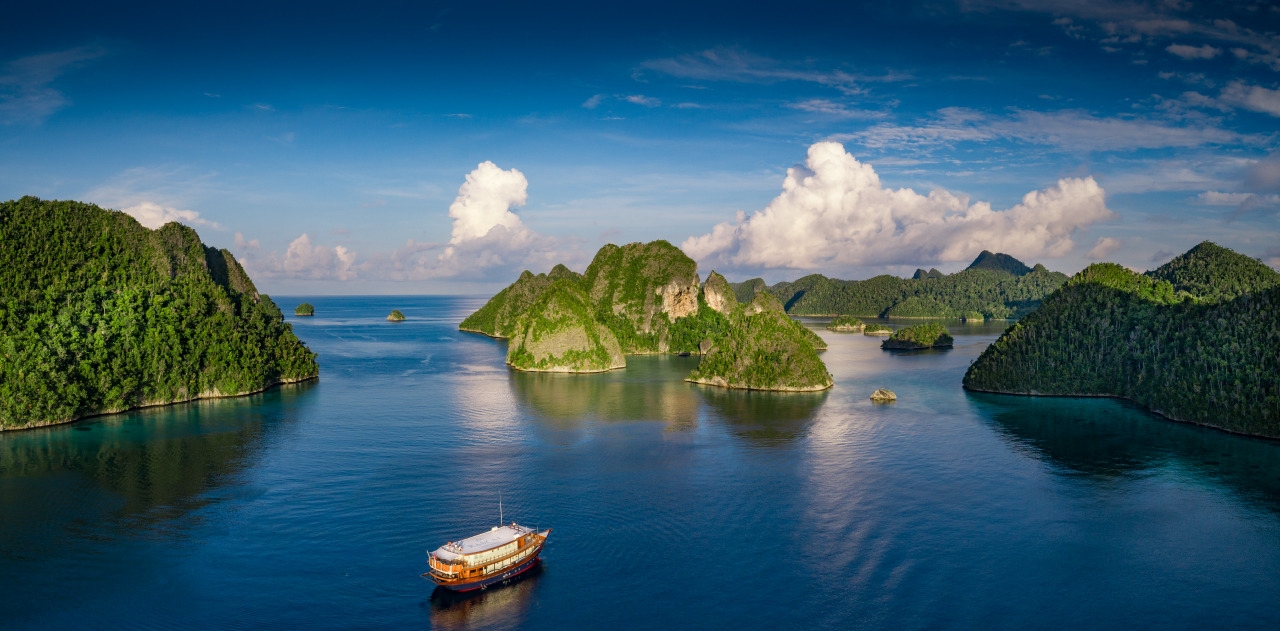
While a Four Seasons yacht might offer a 1-to-1 staff-to-guest ratio and multiple dining venues, it is inherently limited by its size. Such vessels cannot navigate the shallow lagoons of the Wayag Islands or dock at small, indigenous jetties in the Moluccas. Rascal’s vessels, by contrast, are designed with a shallow draft and a smaller footprint, allowing them to access the "frontier" locations that larger luxury vessels must bypass. This "access-based luxury" is a critical differentiator in a market where traditional opulence is becoming commoditized.
Supporting Data: The Indonesian Maritime Economy
Indonesia, an archipelago of over 17,000 islands, provides the ideal laboratory for the marine safari model. The Indonesian Ministry of Tourism and Creative Economy has identified "maritime tourism" as a key pillar for national economic growth, with a specific focus on high-spending, low-volume visitors.
- Biodiversity Stats: The regions serviced by Rascal Voyages, particularly the Coral Triangle, contain 76% of all known coral species and over 3,000 species of fish. This makes it the global epicenter of marine biodiversity, a primary draw for the "safari" aspect of the voyage.
- Economic Impact: Private charters in Indonesia contribute significantly more per capita to local economies than large-scale cruise ships. While a large ship might bring thousands of passengers who spend little on shore, a private charter like Rascal engages local guides, purchases produce from island markets, and supports conservation fees in protected areas.
- Growth Trends: Data from the superyacht industry indicates a 20% increase in yacht arrivals in Indonesian waters over the last three years, driven by improved infrastructure and a relaxation of cabotage laws for foreign-flagged leisure vessels.
Operational Excellence and Crew Improvisation
The success of the "marine safari" hinges on the crew’s ability to improvise. Unlike traditional luxury service, which relies on a "standard operating procedure" (SOP) for every interaction, Rascal’s crew members are empowered to make autonomous decisions. This is a strategic choice made by Ebsworth to ensure that the guest experience remains fluid.
For instance, if a guest expresses an interest in traditional weaving, the expedition leader must have the local connections to arrange an impromptu visit to a village in the Alor Archipelago. If a sunset is particularly striking, the crew might move a planned dinner from the dining deck to a deserted sandbank within thirty minutes. This level of responsiveness is only possible on a vessel where the crew-to-guest ratio is high (often 10 crew members for 10–12 guests) and where the staff possesses deep regional expertise.
Environmental and Social Implications
Operating in some of the world’s most pristine and fragile ecosystems carries a significant burden of responsibility. The "marine safari" model must, by necessity, be a sustainable one. Rascal Voyages has integrated several conservation-focused initiatives into its operations:
- Scientific Collaboration: Rascal has previously partnered with organizations such as Conservation International and the Murdoch University Cetacean Research Unit. These partnerships allow scientists to use the vessel as a research platform, conducting surveys on manta ray populations and whale shark migration patterns.
- Carbon Offsetting and Waste Management: Small-scale vessels have a lower carbon footprint than massive cruise ships, but the challenge of waste management in remote islands remains. Rascal employs advanced onboard water filtration systems to eliminate single-use plastics and adheres to strict "leave no trace" policies during land excursions.
- Cultural Preservation: By visiting remote communities, there is a risk of "cultural voyeurism." Rascal mitigates this by fostering long-term relationships with village elders and ensuring that visits provide tangible economic benefits to the local populace without disrupting their traditional way of life.
Broader Impact on the Hospitality Industry
The "Rascal model" serves as a case study for the future of ultra-luxury travel. It suggests that as the world becomes more connected and standardized, the value of the "unscripted" will continue to rise. Large hotel brands entering the maritime space will likely find success in providing a familiar, high-quality product. However, boutique operators like Rascal Voyages are proving that there is a significant market for travelers who prioritize the "frontier" over the "foyer."
The implications for the wider industry are clear: luxury is moving toward a model of empowerment. Guests no longer want to be told what the best experience is; they want the tools and the environment to discover it for themselves. By providing a vessel that acts as a mobile basecamp rather than a static hotel, Rascal Voyages has redefined the maritime experience as a journey of discovery rather than a destination in itself.
Conclusion: The Next Frontier of Luxury
As the yachting industry continues to evolve, the distinction between "opulent transport" and "meaningful exploration" will become sharper. Rascal Voyages has successfully positioned itself in the latter category by embracing the inherent unpredictability of the ocean and the wild. Steve Ebsworth’s "marine safari" is more than a marketing term; it is a logistical framework that prioritizes the human element of travel—the need for rest, the desire for adventure, and the luxury of changing one’s mind. In the competitive landscape of Southeast Asian tourism, this commitment to "useful freedom" may well become the benchmark by which all other luxury maritime experiences are measured.