
The smartphone industry is undergoing a fundamental transformation in how consumers acquire their devices, with the battleground shifting from hardware innovation to innovative ownership models. As premium smartphones command ever-higher price tags, industry titans like Apple and Samsung are pioneering new strategies involving leasing, subscription services, and guaranteed buyback programs. These initiatives are designed to make high-end device upgrades more appealing and accessible, aiming to counter lengthening replacement cycles and foster greater customer loyalty within their respective ecosystems.
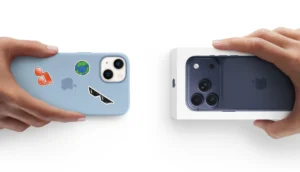
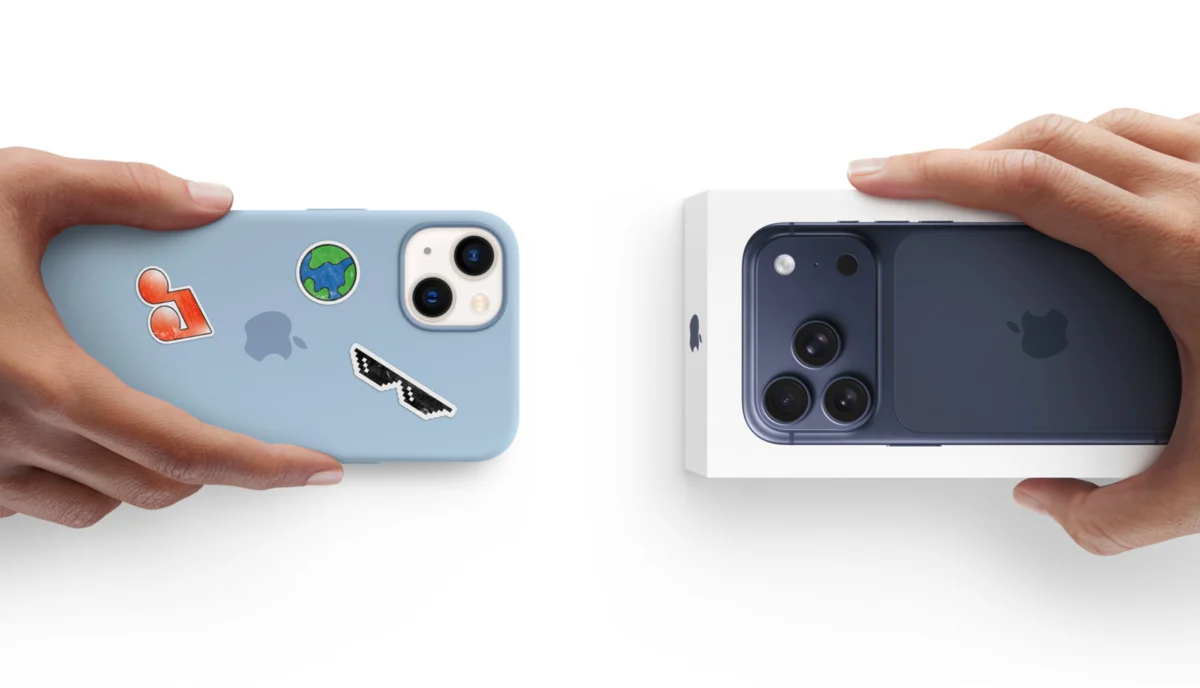
This week, Apple formally launched its "Apple Upgrade" program in the U.S., a significant move undertaken in partnership with the fintech giant Klarna. This program allows consumers to lease a range of Apple products, including iPhones, Macs, iPads, and Apple Watches, for a fixed monthly fee. The offering provides flexibility, giving users the option to upgrade to a newer model, return the device, or eventually purchase it outright at the end of the lease term. This strategic pivot signals Apple’s intent to broaden its revenue streams beyond outright sales and embrace a more service-oriented approach to hardware delivery.
Concurrently, rival Samsung has been actively exploring similar avenues, particularly in key emerging markets. Its "Galaxy Forever" program, already established in India, blends traditional financing with an assured buyback value. This model is specifically engineered to lower the initial financial barrier for consumers seeking to acquire flagship Galaxy smartphones, providing a more predictable upgrade path and mitigating concerns about device depreciation. These parallel moves by the two largest smartphone manufacturers underscore a broader industry consensus on the necessity of adapting to evolving consumer behaviors and economic realities.
Market Dynamics Drive a Strategic Shift
The impetus behind this paradigm shift is multifaceted, primarily driven by significant changes in consumer purchasing habits and the smartphone market itself. Over the past few years, a confluence of factors has led consumers to retain their smartphones for considerably longer periods. Data from market intelligence firm IDC reveals that premium smartphone owners in the United States now hold onto their devices for an average of 42 months, a noticeable increase from the 38 to 40 months observed in prior years. Globally, analyst firm Counterpoint Research projects the average smartphone replacement cycle to stretch to four years in 2026, up from 3.5 years in 2025.
Several key trends underpin this lengthening cycle:
- Soaring Device Costs: The price of premium smartphones has escalated dramatically. Factors such as persistent supply chain disruptions, rising costs of crucial components like memory and advanced processors, and global inflationary pressures have pushed flagship devices well into the four-figure range, making outright purchases a substantial financial commitment for many consumers.
- Incremental Innovation: The pace of groundbreaking innovation in smartphone hardware has decelerated. While cameras, displays, and processing power continue to improve, these advancements are often incremental rather than revolutionary. This means older devices remain highly capable and satisfy user needs for longer, reducing the perceived urgency to upgrade to the latest model.
- Economic Headwinds: Broader economic uncertainties, including high interest rates and cost-of-living increases, have made consumers more cautious about discretionary spending, particularly on high-value electronics.
This extended device retention presents a significant challenge for manufacturers, as it curtails opportunities for new device sales and slows the natural flow of used handsets into the burgeoning refurbished market. The industry’s strategic response, therefore, is to create new financial pathways that encourage more frequent upgrades while also ensuring a steady supply for the secondary market.
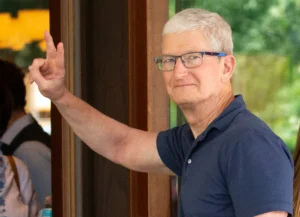
During Apple’s earnings call on Thursday, CEO Tim Cook articulated the company’s vision for the Apple Upgrade program. He emphasized its role in making the company’s latest products more accessible, particularly for customers who prefer a regular upgrade schedule. Cook also highlighted Apple’s consistently high resale values as a key enabler for the leasing model, providing a robust foundation for the program’s financial viability.
The Crucial Role of the Secondary Market
A critical component underpinning the viability of leasing, subscription, and guaranteed buyback programs is the existence and robust functioning of a secondary market for used and refurbished devices. As Max Weinbach, an analyst at Creative Strategies, aptly notes, "These programs fundamentally do not work unless a secondary market exists. The only way to sustain a used or refurbished market is to make sure devices enter that market, and leasing and guaranteed buyback programs make that possible."
These new ownership models act as a structured pipeline, ensuring a predictable flow of devices back to manufacturers or their partners. Once returned, these devices can be inspected, repaired, and resold as certified refurbished units, catering to a different segment of the market seeking more affordable options. This not only creates an additional revenue stream for manufacturers but also contributes to a more sustainable product lifecycle by extending the utility of devices and reducing electronic waste. The control over this secondary market also allows OEMs to maintain brand quality and customer experience for refurbished products.
Navigating Consumer Economics: When Leasing Makes Sense
For consumers, the shift to these alternative ownership models presents a new set of financial considerations. While the appeal of lower monthly payments and constant access to the latest technology is strong, these programs are not universally beneficial. Matt Schulz, chief consumer finance analyst at online lending marketplace LendingTree, advises, "Leasing definitely isn’t for everyone, but it can make sense, especially for someone who upgrades often." He suggests that consumers who typically keep their phones for three, four, or even five years are generally better off purchasing their devices outright, as the cumulative cost of leasing over such an extended period could outweigh the benefits.
However, for a specific segment of the market—those who habitually upgrade every one to two years—the economics of leasing or subscription models can be surprisingly competitive, sometimes even offering financial advantages. Weinbach stresses that Apple’s new offering, for instance, should be viewed primarily as an "upgrade program that’s done via a lease, rather than just a leasing program." The core intent is to facilitate frequent upgrades, typically every 12 to 36 months, for users who already have an ingrained habit of seeking the newest technology.

Weinbach’s analysis of Apple’s program indicates that frequent upgraders might pay roughly the same, or potentially even less, compared to buying a device outright and then trading it in. This is particularly true for higher-storage models, where trade-in values often do not fully reflect their significantly higher initial purchase prices. These programs can bridge that gap, offering a more predictable and potentially more cost-effective way to stay current with technology.
Strategic Imperatives for Manufacturers: Beyond Affordability
While making premium smartphones more affordable is a clear benefit, manufacturers harbor deeper strategic motivations for promoting these new ownership models. The overarching goal is not merely to accelerate upgrade cycles but to significantly enhance customer lifetime value and strengthen ecosystem lock-in.
Navkendar Singh, IDC’s associate vice president of devices research, encapsulates this perfectly: "The real driver isn’t shorter upgrade cycles; it’s protecting margin and retention as pricing pressure mounts." He explains that brands are strategically shifting away from volatile, high-cost outright purchases towards more stable, predictable monthly payment schemes. This strategy aims to keep customers firmly entrenched within their respective hardware and software ecosystems, ensuring recurring revenue from services, apps, and accessories, alongside the device itself.
This shift represents a significant evolution from traditional smartphone sales. The idea of paying monthly for a smartphone is not entirely new, especially in the U.S., where wireless carriers have long offered financing and upgrade plans tethered to service contracts. However, the crucial difference now is that phone makers are increasingly seeking to own that customer relationship directly, bypassing or complementing carrier-led initiatives. This direct engagement allows OEMs greater control over the customer experience, data, and future revenue streams.
Carrier financing has historically been a powerful tool in making premium smartphones accessible in the U.S. Nabila Popal, senior research director at IDC, notes, "It’s the interest-free financing of 36 months and aggressive trade-ins of up to $1,100 that have made the U.S. the region with the highest smartphone average selling prices." This robust carrier support has been instrumental in Apple and Samsung dominating the U.S. smartphone market, collectively holding over 80% market share, according to IDC. The OEMs’ direct foray into leasing introduces a new competitive dynamic to this established landscape.
A Global Trend: New Players and Expanding Horizons
The adoption of subscription-style ownership models is not confined to the U.S. or to major players like Apple and Samsung; it is a burgeoning global trend fostering innovation among startups. In India, for instance, BytePe offers subscription-style plans for smartphones and other consumer electronics. Founder and CEO Jayant Jha reports that over 80% of BytePe’s customers opt for subscriptions over outright purchases or traditional EMI (Equated Monthly Installment) plans. He describes BytePe’s typical clientele as young professionals, often in their first or second jobs, who desire access to premium smartphones without the burden of full upfront costs or lengthy ownership commitments.
Similar ventures are thriving in Europe. The UK-based Raylo and Germany’s Grover have built substantial businesses around leasing smartphones and various other consumer electronics through flexible monthly subscription plans. These companies demonstrate a strong market appetite for flexible access to technology, particularly among younger demographics and those seeking to manage their finances more predictably.
Analysts anticipate further proliferation of these initiatives. Tarun Pathak, research director at Counterpoint Research, explains, "The primary objective is to increase customer lifetime value by improving retention, creating predictable upgrade cycles and securing a steady pipeline of trade-in devices for certified refurbishment and resale." Pathak expects such programs to become increasingly common within the premium smartphone segment, although he believes traditional financing will remain a more critical tool for overall affordability across broader market segments.
Coexistence and Future Outlook
Despite the growing momentum behind leasing and subscription models, outright ownership is not expected to vanish. Mandeep Manocha, co-founder and CEO of Indian smartphone trade-in and refurbishment platform Cashify, foresees a future where these diverse business models coexist. "All three business models have a place to exist, and they will continue to do so," Manocha told TechCrunch, suggesting a "natural transition that may happen from complete ownership to leasing, but it’s a long journey."
This gradual transition is likely to be particularly nuanced in markets like the U.S., where carrier financing has long been the dominant purchasing mechanism for premium smartphones. IDC’s Nabila Popal suggests that Apple’s new Upgrade program might have a more pronounced impact on Mac sales than on iPhones in the immediate term. She posits that the offering is more likely to expand existing financing options rather than fundamentally alter how the majority of American consumers acquire their next smartphone.
Ultimately, the evolving landscape of smartphone ownership reflects a broader industry response to market maturation, economic pressures, and changing consumer preferences. By offering greater financial flexibility and predictability, manufacturers aim to sustain demand for their increasingly expensive premium devices, cultivate deeper customer relationships, and unlock new revenue opportunities in the burgeoning circular economy of refurbished electronics. The journey may be long, but the trajectory towards more flexible, service-oriented device acquisition is clear.