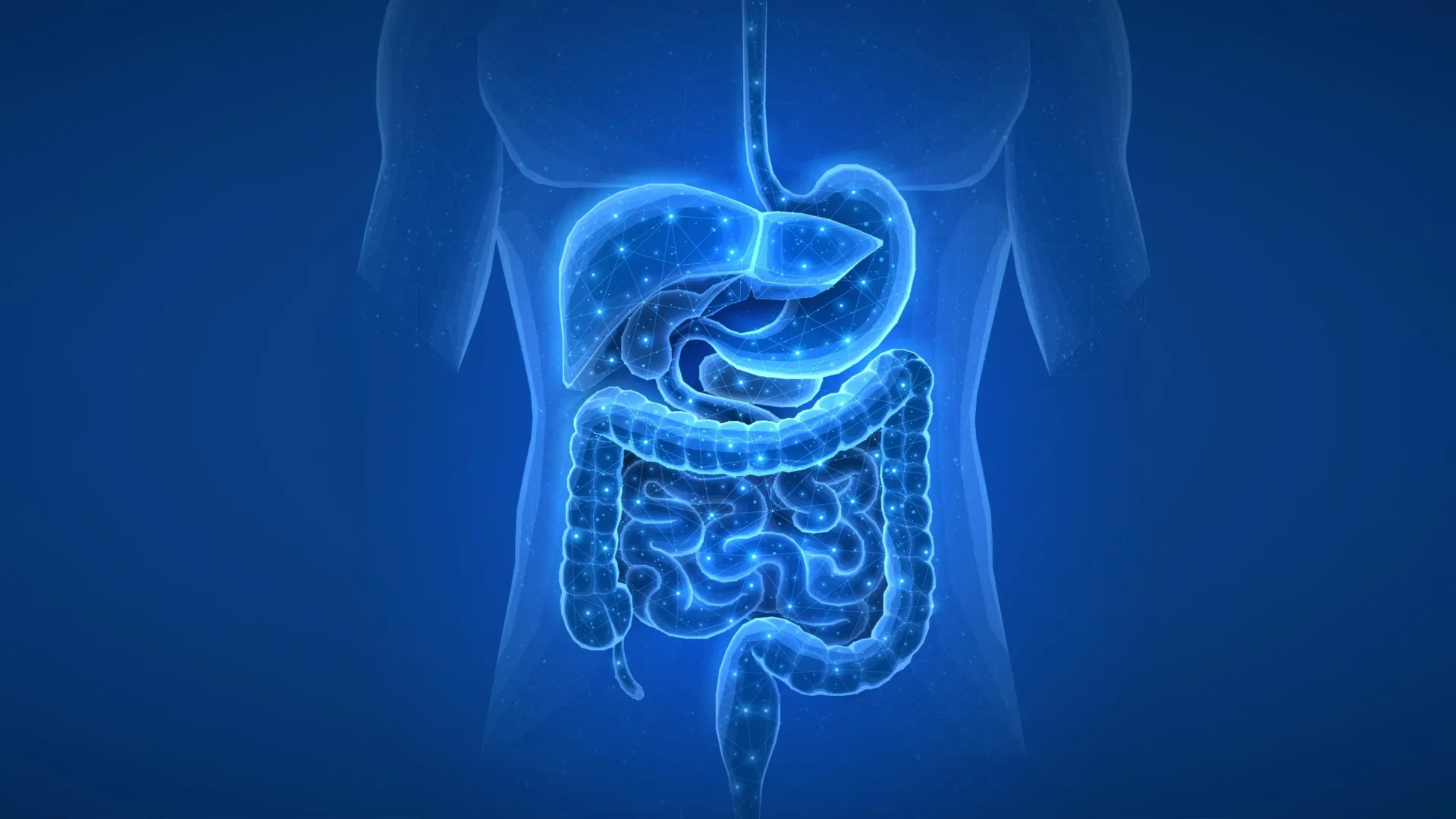
A groundbreaking study from the University of Tartu Institute of Genomics has revealed a profound and often overlooked truth about the human gut: the influence of medications can persist in the intricate microbial ecosystem long after a prescription is filled and forgotten. This extensive research, involving over 2,500 participants from the Estonian Biobank, suggests that a person’s historical drug use is a surprisingly potent factor in explaining individual differences in their gut microbiome, a complex community of bacteria, fungi, and viruses crucial for digestion, metabolism, and immune function. The findings, published in a leading scientific journal, challenge the conventional approach of microbiome research, which often focuses solely on current medication use, and highlight the need to consider the long-term biological imprints left by past treatments.
The Unseen Legacy of Drug Exposure
The gut microbiome, a bustling internal ecosystem, plays a pivotal role in maintaining overall health. Its delicate balance can be influenced by a myriad of factors, including diet, lifestyle, and genetics. However, the impact of pharmaceutical interventions has historically been viewed through a more immediate lens. This new research, led by Dr. Oliver Aasmets, systematically analyzed stool samples and comprehensive prescription records from participants in the Estonian Microbiome cohort. The sheer scale of the study allowed researchers to identify associations between a wide range of medications and distinct alterations in the microbial landscape of the gut.
What emerged as particularly striking was the longevity of these effects. For a significant number of drugs, the researchers observed that the alterations in the gut microbiome were still detectable years after the individuals had ceased taking the medication. This enduring impact was not confined to antibiotics, a class of drugs widely acknowledged for their capacity to disrupt bacterial populations. The study found that other common medications, including antidepressants, beta-blockers, proton pump inhibitors (PPIs), and benzodiazepines, were also associated with unique and persistent microbial "fingerprints."
Beta-blockers, commonly prescribed for conditions such as high blood pressure and various heart ailments, were found to leave a discernible mark on the microbiome. Similarly, proton pump inhibitors, frequently used to manage acid reflux and related gastrointestinal issues by reducing stomach acid production, also demonstrated a lasting influence. Benzodiazepines, widely prescribed for anxiety disorders and other neurological conditions, exhibited an even more profound and surprising effect.
"Most microbiome studies only consider current medications, but our results show that past drug use can be just as important, as it is a surprisingly strong factor in explaining individual microbiome differences," stated Dr. Aasmets, the lead author of the study. He emphasized that this finding necessitates a re-evaluation of how researchers interpret microbiome data, suggesting that the medications an individual took months or even years prior could significantly shape the microbial patterns observed in their gut.
A Deeper Dive into Specific Drug Classes
The study’s detailed analysis revealed nuances within drug classes and highlighted specific medications with particularly strong and lasting effects. The impact of benzodiazepines, for instance, was found to be remarkably comparable to that of broad-spectrum antibiotics. Broad-spectrum antibiotics are designed to combat a wide array of bacteria, inherently leading to significant shifts in the gut microbial community. The fact that benzodiazepines, primarily used for their psychoactive effects, could exert a similar level of disruption underscores the complex interplay between pharmaceuticals and the microbiome, extending beyond direct antimicrobial action.
Furthermore, the research uncovered that not all drugs within the same therapeutic class necessarily exert identical influences on the gut microbiome. Medications prescribed for similar conditions, such as diazepam and alprazolam (both benzodiazepines), exhibited differential impacts on gut microbes. This distinction is crucial, as microbiome research often categorizes drugs based on their drug class for analytical purposes. The new findings suggest that a more granular approach, considering individual drugs rather than broad classes, might be necessary for a more accurate understanding of medication-induced microbiome changes.
Observing the Dynamics: Chronology and Predictable Shifts
To further solidify their findings, the researchers also conducted a follow-up analysis involving a smaller subset of participants. This phase of the study allowed for the observation of dynamic changes in the gut microbiome as individuals initiated or discontinued specific medications. These temporal analyses provided compelling evidence that medications were indeed responsible for at least some of the observed microbial shifts, as predictable changes in gut microbes accompanied the start or cessation of drug use.
The second time-point analysis, despite its smaller sample size, was instrumental in confirming the persistent effects linked to several classes of drugs. These included proton pump inhibitors, selective serotonin reuptake inhibitors (SSRIs), and certain antibiotics like penicillins in combination and macrolides. SSRIs, a widely prescribed class of antidepressants, and macrolides, a group of antibiotics used to treat various bacterial infections, were identified as having predictable and lasting impacts on the gut microbial composition.
This chronological observation of drug initiation and cessation provides a vital piece of the puzzle, moving beyond correlational data to infer causation. The ability to witness and document specific microbial responses to the introduction or withdrawal of a drug strengthens the argument that these pharmaceutical agents are active agents of change within the gut ecosystem, with consequences that extend well beyond the period of active treatment.
Implications for Future Research and Clinical Practice
The findings from the University of Tartu study have significant implications for the future of microbiome research and clinical practice. The gut microbiome is increasingly recognized as a crucial factor in various health conditions, from inflammatory bowel disease and obesity to neurological disorders and even mental health. As researchers delve deeper into these complex relationships, understanding the confounding variable of past medication use becomes paramount.
The study’s authors and other experts in the field believe that incorporating medication history into the interpretation of microbiome data could lead to more accurate diagnoses and personalized treatment strategies. "This is a comprehensive systematic evaluation of long-term medication effects on the microbiome using real-world medical health records," stated Professor Elin Org, the corresponding author of the study. "We hope this encourages researchers and clinicians to factor in medication history when interpreting microbiome data."
By accounting for the lingering effects of past drug use, scientists can better differentiate microbiome changes directly associated with disease pathology from those induced by historical pharmaceutical interventions. This could be particularly important in studies investigating chronic conditions, where patients often have a complex medical history involving multiple medications over extended periods.
The research also opens avenues for developing strategies to mitigate or restore the microbiome after medication-induced disruptions. Understanding which drugs have the most profound and persistent effects could inform the development of targeted interventions, such as probiotics or prebiotics, designed to support the recovery of a balanced gut ecosystem.
A Broader Perspective: Beyond Diet and Lifestyle
This extensive study adds to a growing body of evidence suggesting that the gut microbiome is a dynamic and multifaceted reflection of an individual’s life experiences. While diet and lifestyle have long been acknowledged as primary drivers of microbiome composition, the enduring impact of pharmaceuticals underscores the need for a more holistic approach. Past treatments, even those administered years ago, can leave indelible biological traces that continue to influence our internal microbial communities.
The research from Estonia serves as a crucial reminder that our health is shaped by a complex interplay of factors, and the legacy of our medical interventions is a significant, yet often underestimated, component of this intricate web. As our understanding of the microbiome continues to evolve, so too must our methodologies and our appreciation for the long-term consequences of the medications we take. This study marks a significant step forward in acknowledging and quantifying that enduring echo, paving the way for more insightful research and potentially more effective healthcare strategies in the future. The "invisible" world within our gut, it seems, remembers far more than we might have previously imagined.