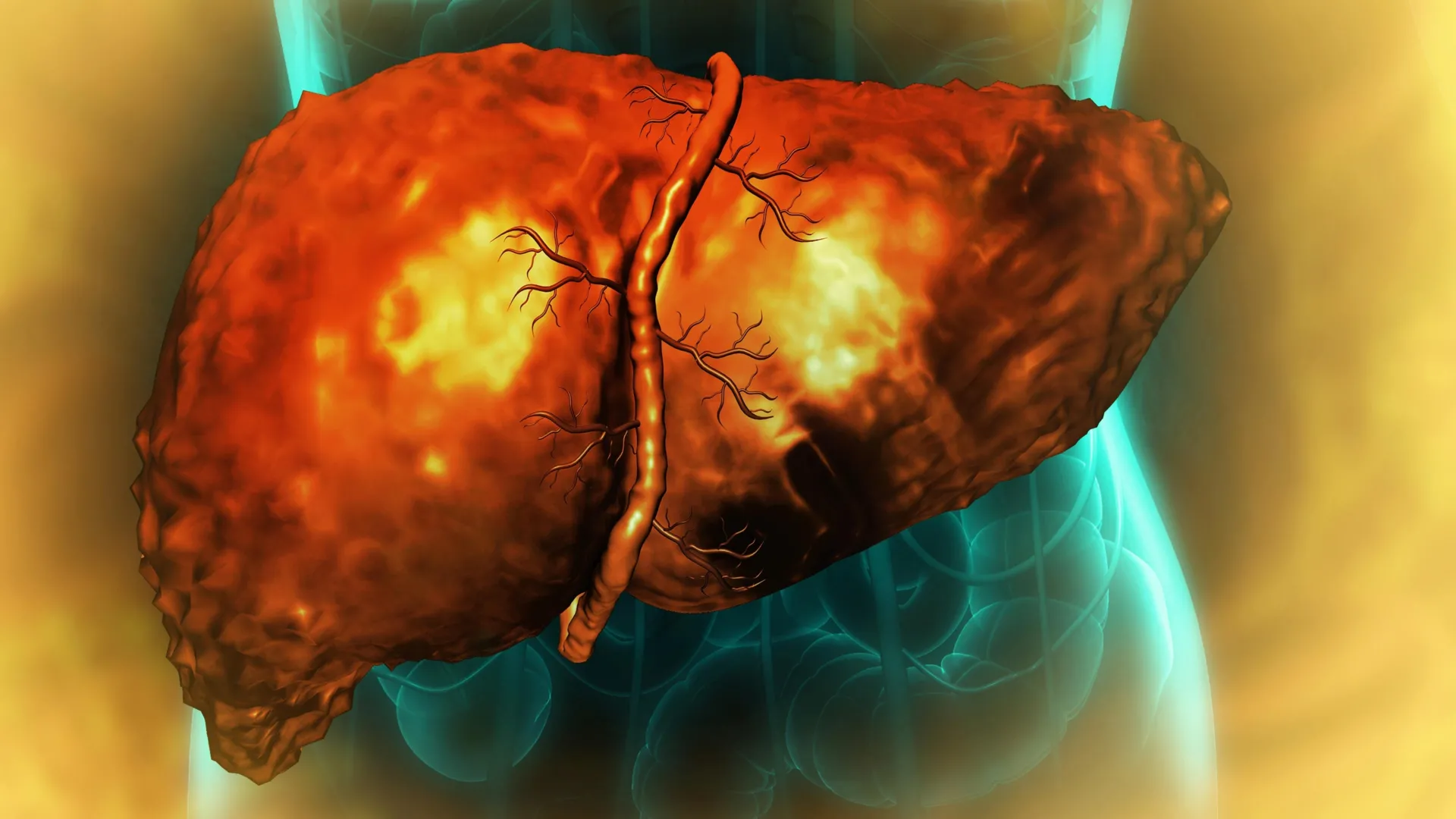
Excessive alcohol consumption triggers a profound and often irreversible disruption in the liver’s remarkable capacity for self-repair, leaving its cells in a perpetual state of arrested development, unable to perform their vital functions or complete the regenerative process, even after abstinence. New research published in the esteemed journal Nature Communications by a collaborative team of scientists from the University of Illinois Urbana-Champaign, Duke University, and the Chan Zuckerberg Biohub Chicago has illuminated the molecular mechanisms behind this cellular paralysis. The study reveals that inflammation, a persistent consequence of alcohol-related liver damage, fundamentally interferes with RNA splicing, a critical cellular process that translates genetic blueprints into functional proteins. This disruption effectively traps liver cells in an aberrant intermediate state, akin to being lost without a compass, unable to progress towards either mature functionality or effective proliferation.
The Liver’s Unmatched Regenerative Power and its Alcohol-Induced Failure
The liver stands as a unique organ within the human body, possessing an extraordinary ability to regenerate, even after substantial injury or partial surgical removal. This regenerative prowess is orchestrated by a sophisticated process where mature liver cells, under duress, can temporarily dedifferentiate, reverting to a progenitor-like state. These progenitor cells then proliferate to replace lost tissue, and subsequently redifferentiate back into fully functional mature cells, restoring the organ’s integrity and function.
However, this remarkable resilience is critically compromised in alcohol-associated liver disease (ALD), a global health crisis that accounts for approximately 3 million deaths annually and represents the leading cause of liver-related mortality worldwide. The progressive damage inflicted by chronic and excessive alcohol intake disrupts this delicate regenerative cycle, leading to conditions such as alcoholic hepatitis and cirrhosis.
"We had observed clinically that the liver’s ability to function and regenerate was significantly impaired in patients suffering from alcohol-related hepatitis and cirrhosis, even when they had ceased alcohol consumption. However, the underlying ‘why’ remained elusive," stated Professor Auinash Kalsotra, a biochemist at the University of Illinois and co-lead author of the study. "Currently, liver transplantation is the only definitive life-saving intervention for patients who have progressed to liver failure due to these conditions. Understanding the mechanisms of failure could unlock avenues for therapeutic intervention."
Kalsotra and his long-time collaborator, Professor Anna Mae Diehl from Duke University School of Medicine, have dedicated years to unraveling the intricate molecular pathways governing liver regeneration. Their prior research had established that regenerating liver cells undergo a temporary reprogramming, shifting their gene expression patterns to facilitate the rebuilding process.
From Fetal-like Progenitors to Cellular Stasis
The initial phase of liver repair involves mature liver cells reverting to a state resembling fetal progenitor cells. These progenitor cells are characterized by their capacity for rapid division and their ability to differentiate into various specialized liver cell types. Following proliferation, these cells are meant to undergo a reverse process, maturing back into fully functional hepatocytes. The critical question for the researchers was: what goes awry in this meticulously coordinated regenerative sequence when faced with the chronic insult of alcohol?
The Cellular Limbo: A State of Unproductive Quas-Progenitors
To address this question, the research team embarked on a comparative analysis of healthy liver tissue against samples from individuals diagnosed with alcohol-associated hepatitis or cirrhosis. These diseased liver samples were generously provided by Johns Hopkins University Hospital, through a research initiative supported by the National Institute on Alcohol Abuse and Alcoholism (NIAAA), a component of the National Institutes of Health (NIH).
A stark and consistent observation emerged from this comparison. Liver cells in individuals with alcohol-related liver disease had initiated the transition away from their mature state and towards the regenerative progenitor state. However, they failed to complete this crucial transformation. Instead, they became arrested in an intermediate, transitional phase – a cellular "limbo."
"These cells were neither fully functional adult hepatocytes nor actively dividing progenitor cells. Because they were not performing their designated functions, an increased burden was placed on the remaining healthy cells," explained Ullas Chembazhi and Sushant Bangru, co-first authors of the study and graduate students at the University of Illinois. "This pressure then prompted the remaining cells to attempt regeneration, inadvertently leading them to also become trapped in this unproductive, quasi-progenitor state, which ultimately drives liver failure."
This creates a vicious cycle: as more cells enter this non-functional intermediate state, the number of cells available to perform the liver’s essential tasks diminishes. The remaining healthy cells are then subjected to heightened demands, prompting them to attempt regeneration, but with a significant risk of also succumbing to the same cellular entrapment. This cascade of events contributes to the progressive deterioration characteristic of advanced ALD.
RNA Splicing: The Critical Crossroads of Cellular Function
To pinpoint the molecular defect preventing cells from completing their regenerative journey, the researchers delved into the production of proteins and the intermediary RNA molecules that carry genetic instructions from DNA to the protein-synthesis machinery. RNA splicing, a fundamental post-transcriptional modification process, is essential for refining these genetic messages. It involves the precise removal of non-coding regions (introns) and the joining of coding regions (exons) to form mature messenger RNA (mRNA). The precise way in which exons are spliced together can dictate the final protein produced, influencing its structure, function, and cellular localization.
Instead of merely quantifying total RNA and protein levels, as is common in many studies, Kalsotra’s team employed advanced deep RNA sequencing and sophisticated computational analyses to meticulously examine the nuances of RNA splicing.
"Upon comparing the healthy and diseased liver samples, we observed widespread missplicing of RNA across thousands of genes in alcohol-related liver disease. This widespread error profoundly impacted the functions of numerous proteins," stated Kalsotra, who also holds an affiliation with the Carl R. Woese Institute for Genomic Biology at Illinois. The scale of this mis-splicing was substantial, suggesting a systemic disruption in how genetic information was being processed.
The Role of ESRP2: A Missing Key to Correct Splicing
A key player identified in orchestrating these widespread splicing errors was a protein known as ESRP2 (Epithelial Splicing Regulatory Protein 2). ESRP2 acts as a crucial molecular chaperone, binding to RNA molecules and guiding the splicing machinery to ensure accurate exon ligation. The study found that ESRP2 levels were significantly depleted in alcohol-damaged liver cells.
The ramifications of ESRP2 deficiency extended beyond the mere production of proteins. In many instances, the altered RNA sequences resulting from missplicing contained incorrect instructions for protein localization within the cell.
"Proteins must perform their functions at precise locations within the cell. This localization is dictated by specific sequences within the protein itself. We discovered that in many cases, the sequences responsible for directing a protein to its correct cellular compartment were themselves misspliced," Kalsotra elaborated. "This meant that even if the same amount of RNA and protein was present, the protein was not in the right place to exert its intended effect. For instance, key proteins essential for productive liver regeneration were being retained in the cytoplasm when they needed to be translocated to the nucleus to perform their functions." The nucleus houses the cell’s DNA and is the control center for gene expression, making protein localization critical for proper cellular activity.
Preclinical Evidence: Mouse Models Mirror Human Disease
To rigorously test the hypothesis that ESRP2 deficiency directly contributes to the failure of liver regeneration, the researchers utilized mouse models engineered to lack the gene responsible for producing ESRP2. These mice exhibited patterns of liver injury and failed regeneration that strikingly resembled the pathological findings observed in human patients with advanced alcohol-related hepatitis. This preclinical evidence provided strong support for the crucial role of ESRP2 in maintaining the liver’s regenerative capacity.
Inflammation: The Root Cause of ESRP2 Depletion
The next critical question was: what causes the depletion of ESRP2 in the first place? The research team traced the problem back to inflammation, a hallmark of chronic alcohol exposure. When the liver metabolizes alcohol, it can cause direct tissue damage, triggering an inflammatory response. This response involves the recruitment of immune cells and specialized liver support cells, which release a cascade of inflammatory and growth factors. The study demonstrated that these inflammatory signals actively suppress both the synthesis and the functional activity of ESRP2.
Therapeutic Promise: Targeting Inflammation to Restore Regeneration
The discovery of inflammation as the upstream driver of ESRP2 depletion opened a promising avenue for potential therapeutic interventions. The researchers investigated whether interrupting one of these key inflammatory signals could reverse the detrimental effects on RNA splicing. In laboratory cultures of liver cells, they employed a molecule designed to block the receptor for a specific inflammation-promoting factor. Following this targeted intervention, ESRP2 levels were observed to recover, and RNA splicing patterns returned to a more normal state.
This groundbreaking finding suggests that future therapies for ALD might not necessarily focus on directly replacing damaged liver tissue. Instead, they could aim to disrupt the inflammatory pathways that cripple the liver’s intrinsic regenerative machinery. By modulating the inflammatory environment, it may be possible to "unstick" the cells from their limbo state and allow them to complete the regenerative process.
Beyond therapeutic potential, the researchers also foresee significant diagnostic applications. The identification of abnormally spliced RNA molecules could serve as novel biomarkers for the early detection, diagnosis, and monitoring of alcohol-associated liver disease.
"I am hopeful that these findings will serve as a catalyst for future clinical studies," Kalsotra expressed. "We can leverage these mis-spliced RNAs as diagnostic markers, or develop targeted treatments to mitigate the inflammation. If we can effectively correct these splicing defects, we may be able to significantly improve recovery rates and restore function to damaged livers."
A Collaborative Endeavor and Future Directions
The comprehensive research effort involved a multidisciplinary team, including graduate students Diptatanu Das and Subhashis Natua, and undergraduate students Katelyn Toohill, Ishita Purwar, and Anuprova Bhowmik from the University of Illinois. Contributions also came from Brandon Peiffer and Zhaoli Sun at Johns Hopkins University School of Medicine, Aurelia Leona and Yogesh Goyal from Northwestern University, and Rajesh Dutta from Duke University School of Medicine.
This vital research was made possible through generous support from the National Institutes of Health (NIH) via grants R01-AA010154, R01-HL126845, R21-HD104039, 5R01-DK077794, 1R56-DK1343340, and R24 AA025017, as well as funding from the Chan-Zuckerberg Biohub Chicago, the Duke Endowment, and the Muscular Dystrophy Association. The findings offer a beacon of hope in the ongoing battle against alcohol-related liver disease, pointing towards a future where targeted interventions can restore the liver’s innate healing capabilities.