The transition toward global electrification of the transport sector has brought the internal components of the automobile under unprecedented scrutiny, with the longevity and health of lithium-ion battery packs remaining the primary concern for prospective buyers. For many car owners, the electric vehicle (EV) represents a fundamental shift in automotive ownership, introducing a unique set of technical queries and anxieties that did not exist in the era of the internal combustion engine. Central to these concerns is the "death of the battery"—a scenario where the most expensive component of the vehicle fails, potentially rendering the car economically unviable. While anecdotal evidence and early-generation "horror stories" have fueled fears of hefty replacement bills, a growing body of empirical data suggests that modern EV batteries are engineered to outlast the vehicles they power.
The Technical Reality of Battery Degradation
To understand the longevity of an electric vehicle, one must first understand the chemistry that facilitates its movement. Unlike a fuel tank, which remains a passive vessel throughout its life, an EV battery is a dynamic chemical environment. Most modern EVs utilize lithium-ion chemistry, which relies on the movement of lithium ions between an anode and a cathode. As these cycles of charging and discharging occur, microscopic changes in the battery’s internal structure take place.
Degradation typically manifests in two ways: capacity loss and power fade. Capacity loss reduces the total amount of energy the battery can store, directly impacting the vehicle’s driving range. Power fade increases internal resistance, which can affect the vehicle’s ability to deliver rapid acceleration. However, the fear that a battery will simply "stop working" one day is largely unfounded. Instead, batteries experience a gradual decline in efficiency. Industry standards generally consider a battery to be at the end of its "automotive life" when its capacity drops below 70% to 80% of its original rating. Even at this stage, the battery is far from worthless, often finding a second life in stationary energy storage applications for homes or the power grid.
A Chronology of EV Battery Evolution
The history of the modern EV battery is a timeline of rapid refinement and engineering breakthroughs designed to combat the very degradation issues that worry consumers today.
- The Early Era (1996–2008): Early experiments like the GM EV1 used lead-acid and later nickel-metal hydride (NiMH) batteries. These had limited energy density and were prone to significant memory effects, where the battery would "forget" its full capacity if not fully discharged.
- The Lithium-Ion Revolution (2008–2012): The launch of the Tesla Roadster and the Nissan Leaf marked the beginning of the lithium-ion era. Early iterations, particularly in the first-generation Nissan Leaf, lacked sophisticated thermal management systems. Without active liquid cooling, these batteries were susceptible to heat-induced degradation, particularly in warmer climates, which contributed significantly to early public skepticism.
- The Sophistication Phase (2012–2020): Manufacturers began implementing advanced Liquid Thermal Management Systems (TMS). By circulating coolant through the battery pack, cars could maintain an optimal operating temperature, significantly slowing chemical aging. This era also saw the introduction of more robust Battery Management Systems (BMS) that prevent overcharging and deep discharging.
- The Modern Era (2021–Present): The industry is now seeing the rise of Lithium Iron Phosphate (LFP) batteries, which are notably more durable and can be charged to 100% more frequently without significant damage compared to traditional Nickel Manganese Cobalt (NMC) chemistries.
Empirical Data and Fleet Case Studies
The most compelling evidence for battery longevity comes from real-world high-mileage applications. A notable study involving a fleet of Tesla Model S taxis operating at Gatwick Airport provided significant insights into long-term durability. Several of these vehicles surpassed 300,000 miles within a three-year period. Despite the heavy usage and frequent rapid charging required for taxi operations, the battery packs retained at least 82% of their original health.
Further data from Geotab, a telematics company that analyzed the battery health of 6,000 electric vehicles across 21 different models, found that the average annual decline in energy storage capacity was approximately 2.3%. At this rate, most EV batteries would still provide ample range for the average driver well after 15 or 20 years of service. The study also highlighted that vehicles with active liquid cooling systems showed significantly better health over time compared to those with passive air cooling.
Manufacturer Warranties and Industry Responses
Automakers have sought to alleviate consumer anxiety through aggressive warranty structures that far exceed those offered for internal combustion engines. In the current market, the industry standard for an EV battery warranty is eight years or 100,000 miles (160,000 km), whichever comes first. Most manufacturers, including Tesla, Hyundai, Volkswagen, and Kia, guarantee that the battery will retain at least 70% of its capacity during this period.
Industry leaders have also begun addressing the "total loss" fear regarding battery replacement costs. While a full pack replacement can cost between $10,000 and $20,000, the industry is moving toward modularity. Instead of replacing an entire pack, technicians can now identify and replace specific failing "modules" or cells within the pack at a fraction of the cost.
Furthermore, the emergence of battery swapping stations, pioneered by companies like NIO, offers a different perspective on longevity. By allowing drivers to exchange a depleted battery for a fresh one in under five minutes, the "health" of the specific battery in the car becomes less relevant to the individual owner, as the battery is treated as a shared, maintainable asset within a subscription ecosystem.
Factors Influencing the Rate of Decay
While the technology is robust, the lifespan of a battery is heavily influenced by user behavior and environmental conditions. Experts and manufacturers generally agree on several key factors that accelerate degradation:
- State of Charge (SoC) Extremes: Storing a vehicle at 100% charge or allowing it to sit at 0% for extended periods creates chemical stress within the cells. Most manufacturers recommend a "daily use" limit of 80% charge.
- Temperature Extremes: High ambient temperatures are the primary enemy of lithium-ion cells. While modern thermal management mitigates this, cars kept in temperate climates or garages generally see slower degradation than those in extreme heat.
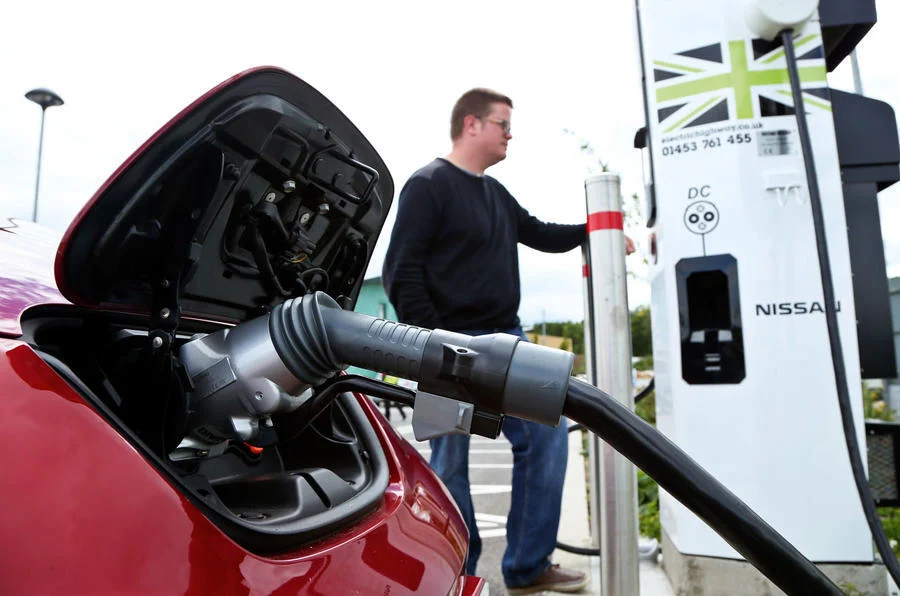
- DC Fast Charging Frequency: While convenient for long trips, frequent use of high-kilowatt DC fast chargers generates significant heat and can lead to "lithium plating," a process that permanently reduces the available lithium ions in the battery.
- Cycle Count: Every full discharge and recharge constitutes a "cycle." Most automotive-grade batteries are rated for 1,500 to 3,000 full cycles before significant degradation occurs. For a car with a 250-mile range, 2,000 cycles equates to 500,000 miles of driving.
Broader Economic and Environmental Implications
The longevity of EV batteries has profound implications for the secondary car market and global sustainability goals. One of the largest hurdles for EV adoption is the projected resale value of used electric cars. If the public perceives a 10-year-old EV as a "ticking time bomb" of repair costs, depreciation will remain high. However, as data proves these batteries can reach 200,000 miles with ease, the used EV market is expected to stabilize, making electric mobility accessible to lower-income brackets.
From an environmental perspective, the extended life of a battery reduces the carbon footprint associated with its manufacture. Furthermore, the "Circular Economy" for batteries is rapidly developing. When a battery eventually falls below the efficiency required for a car, it is not discarded. Companies like Redwood Materials and Northvolt are scaling operations to recycle up to 95% of the critical minerals—lithium, cobalt, and nickel—from old batteries to create new ones, ensuring that the environmental cost of the first battery is amortized over decades of use.
Analysis of Future Trends
As the industry moves toward 2030, the focus is shifting from "will it last?" to "how can we make it last forever?" Research into Solid-State Batteries (SSB) promises even greater longevity, as the removal of liquid electrolytes eliminates many of the fire risks and degradation pathways associated with current technology.
In the immediate term, the integration of Artificial Intelligence into Battery Management Systems is allowing for "predictive maintenance." Modern EVs can now adjust their charging speeds and thermal regulation based on the specific health of individual cells, further extending the operational life of the pack.
The consensus among automotive engineers and data scientists is clear: the era of the "disposable" electronic device does not apply to the electric vehicle. Through a combination of over-engineering, active thermal management, and sophisticated software, the battery pack has transitioned from being a point of failure to being one of the most durable components of the modern automobile. For the consumer, the evidence suggests that the car’s chassis and interior electronics are more likely to wear out before the battery fails to provide a functional daily range.