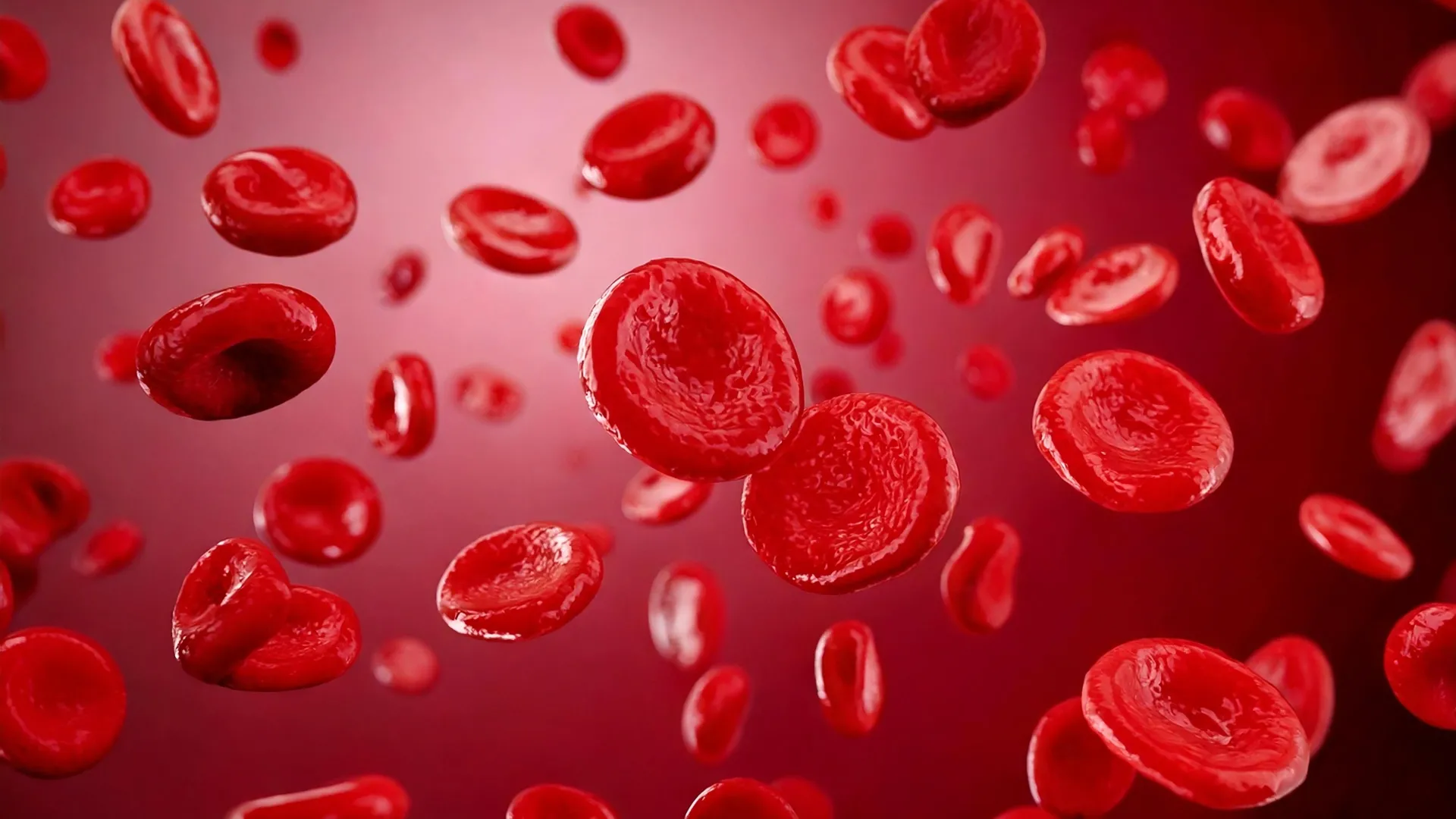
More than half a century after scientists first encountered a mysterious marker on human red blood cells, researchers have finally traced it to its genetic source. This significant breakthrough has officially established MAL as a human blood group system, providing physicians with a crucial new tool to identify the exceptionally rare individuals whose blood lacks the AnWj antigen. The culmination of decades of persistent scientific inquiry, this discovery promises to enhance transfusion safety and deepen our understanding of human blood group complexities.
A Decades-Long Scientific Quest
The groundbreaking research, spearheaded by scientists at NHS Blood and Transplant in Bristol, including a dedicated team from the International Blood Group Reference Laboratory (IBGRL), in collaboration with colleagues from the University of Bristol, has resolved a scientific puzzle that dates back to 1972. This enduring enigma, concerning the genetic underpinnings of the AnWj antigen, has now been solved, offering a pathway to prevent potentially dangerous transfusion reactions in a small but significant patient population.
While the ABO and Rh blood group systems are widely recognized by the general public, they represent only a fraction of the intricate biological landscape of human blood. Red blood cells are adorned with hundreds of different molecules on their surfaces, many of which function as antigens – molecular markers that the immune system can identify. For the vast majority of blood transfusions, compatibility within the ABO and Rh systems is paramount. However, for patients with unusual antibodies or rare blood types, matching these less commonly known antigens can be absolutely critical.
The AnWj Antigen: A Rare Deficiency with Significant Implications
The AnWj antigen was first identified in 1972, but for many decades, its genetic origin and the specific protein responsible for its presence on red blood cells remained elusive. This lack of understanding presented a challenge, as a deficiency in this antigen, while incredibly rare, carries substantial clinical weight.
AnWj positivity is remarkably widespread, with more than 99.9% of the global population expressing the antigen. However, for the minuscule fraction of individuals who are AnWj negative, this distinction can have profound implications. When an AnWj negative person develops antibodies against the AnWj antigen and subsequently receives AnWj positive blood, these antibodies can mount an attack on the transfused red blood cells. In certain circumstances, this immune response can trigger a severe and potentially life-threatening transfusion reaction, known as a hemolytic transfusion reaction.
The reasons for lacking the AnWj antigen are twofold. In the majority of cases, AnWj expression appears to be suppressed due to underlying hematological disorders or certain types of cancer. More rarely, an individual may be born without the antigen as a result of an inherited genetic mutation. The latter scenario, involving an inherited deficiency, is particularly challenging to investigate due to its extreme rarity, with only a handful of individuals with this genetic form ever having been identified. This scarcity of cases made pinpointing the genetic cause a formidable task.
Unraveling the Genetic Code: The MAL Gene Emerges
To overcome this persistent mystery, the research team employed whole exome sequencing, a sophisticated genetic analysis technique. This method focuses on the exome, the protein-coding regions of DNA, enabling scientists to scrutinize thousands of genes for unusual variations shared by affected individuals. The analysis, conducted with meticulous precision, unexpectedly pointed towards the MAL gene as the genetic source of the AnWj antigen.
The researchers discovered that individuals with the inherited AnWj negative phenotype carried homozygous deletions affecting the MAL gene. Homozygous, in this context, signifies that the specific genetic alteration was present in both copies of the gene, one inherited from each parent. The MAL gene is responsible for producing a small membrane protein known as Mal. Through detailed examination of red blood cells, the team confirmed that individuals who were AnWj positive produced the full-length Mal protein on their cells, whereas this protein was conspicuously absent in AnWj negative individuals.
The investigation included samples from five genetically AnWj negative individuals, notably including members of an Arab Israeli family with a history of the inherited deficiency. Crucially, the study also incorporated blood donated in 2015 by the very woman who had been the first AnWj negative person identified in the 1970s, providing a vital link to the initial discovery of the antigen.
Rigorous Validation: Proving the Link Between MAL and AnWj
The scientists understood that establishing a genetic association was only the first step. They needed to definitively prove that the Mal protein was indeed responsible for the AnWj antigen. To achieve this, they introduced the normal MAL gene into laboratory-grown cells. These modified cells subsequently reacted positively with AnWj antibodies, a clear indication of antigen presence. In contrast, introducing an altered form of the gene did not elicit the same response. Further experiments provided irrefutable evidence, demonstrating that Mal protein was both necessary and sufficient for the expression of the AnWj antigen.
Formal Recognition: MAL Becomes the 47th Blood Group System
These compelling results provided the scientific community with the robust evidence required to formally establish MAL as a distinct blood group system, with AnWj designated as its defining antigen. The International Society of Blood Transfusion (ISBT) subsequently ratified MAL as ISBT 047, recognizing it as the 47th officially designated blood group system. This designation is a testament to the stringent criteria for classifying a blood group system, which mandates a clear connection between an antigen and a defined genetic and molecular basis. MAL was among four blood group systems ratified in the period covered by the ISBT’s 2026 terminology report, alongside ER, CD36, and ATP11C, underscoring the ongoing rapid expansion of our understanding of human blood genetics.
Clinical Implications: Enhancing Transfusion Safety and Donor Identification
The identification of the MAL gene behind the AnWj antigen has profound clinical implications, particularly in the realm of blood transfusion. It equips blood specialists with a direct genetic method to identify individuals who inherit AnWj-negative blood. This capability allows for the design of specific genotyping tests to pinpoint rare patients and potential donors who carry the relevant MAL gene alterations. These tests can be seamlessly integrated into existing blood group genotyping platforms.
The significance of this development lies in the extreme difficulty of finding compatible blood for individuals with antibodies against an antigen present in over 99.9% of the population. The need for such precise identification is not merely theoretical. Earlier clinical reports have documented instances of hemolytic transfusion reactions caused by anti-AnWj antibodies, where transfused red blood cells were destroyed by the recipient’s immune system.
More recent clinical cases have further highlighted the complexities associated with AnWj-related transfusion challenges. In 2026, a 75-year-old man suffering from severe anemia and possessing an anti-AnWj autoantibody faced a critical shortage of compatible blood. Physicians ultimately opted to transfuse unmatched red blood cells after a careful risk-benefit assessment. Genetic testing revealed that his MAL gene was normal, suggesting his antibody was acquired rather than due to an inherited MAL deficiency. Fortunately, he did not experience a hemolytic transfusion reaction in this instance.
Another case in 2026 involved a patient diagnosed with high-grade B-cell lymphoma and a complement-binding anti-AnWj autoantibody. Following incompatible transfusions that led to signs of red blood cell destruction, clinicians administered sutimlimab, a drug designed to inhibit a component of the immune complement pathway. While laboratory measurements improved, the researchers cautioned that the complexity of the case and the short treatment duration precluded definitive conclusions about the drug’s efficacy. This case was noteworthy as it marked the first reported use of sutimlimab for this specific type of anti-AnWj-associated hemolysis.
These cases underscore a crucial distinction: some individuals are AnWj negative due to inherited MAL gene mutations, while others may lose AnWj expression as a consequence of disease, subsequently developing antibodies against a marker their cells once carried. The ability to genetically differentiate these scenarios is vital for optimal patient management.
Expert Perspectives: A Triumph of Collaboration and Persistence
Louise Tilley, Senior Research Scientist at IBGRL Red Cell Reference at NHS Blood and Transplant, expressed the profound significance of the discovery. "The genetic background of AnWj has been a mystery for more than 50 years, and one which I personally have been trying to resolve for almost 20 years of my career," she stated. "It represents a huge achievement, and the culmination of a long team effort, to finally establish this new blood group system and be able to offer the best care to rare, but important, patients." Tilley emphasized the challenges, particularly the rarity of genetic cases, and acknowledged the indispensable role of exome sequencing, given that the identified gene was not an obvious candidate and the Mal protein’s function in red cells was largely unknown. She also highlighted the collaborative nature of the work and the critical contributions of all involved, including the patients.
The protracted duration of this scientific mystery can be attributed to several factors, chief among them the extreme rarity of inherited AnWj-negative blood. With so few documented cases, researchers had limited genetic material from affected individuals to analyze. Furthermore, the Mal protein itself offered few immediate clues; it is a small protein embedded within cell membranes and has been primarily associated with membrane organization and cellular transport, with no initial indications pointing to its role as a carrier of a significant red blood cell antigen.
Ash Toye, Professor of Cell Biology at the University of Bristol and Director of the NIHR Blood and Transplant Research Unit in red cell products, highlighted the innovative use of gene editing technology in confirming the findings. "It’s really exciting we were able to use our ability to manipulate gene expression in the developing blood cells to help confirm the identity of the AnWj blood group, which has been an outstanding puzzle for half a century," he commented. "This development will help identify these rare donors and help patients in the future." Manipulating gene expression allowed the researchers to move beyond observational studies and establish a direct cause-and-effect relationship, significantly strengthening the evidence for MAL‘s role.
Nicole Thornton, Head of IBGRL Red Cell Reference at NHS Blood and Transplant, echoed the sentiment of accomplishment. "Resolving the genetic basis for AnWj has been one of our most challenging projects," she stated. "There is so much work that goes into proving that a gene does actually encode a blood group antigen, but it is what we are passionate about, making these discoveries for the benefit of rare patients around the world." She reiterated that genotyping tests can now be developed to identify genetically AnWj-negative patients and donors, a significant advancement for rare blood management.
The Expanding Landscape of Human Blood Groups
The story of the MAL gene and the AnWj antigen serves as a compelling illustration of the intricate complexity that lies beneath the familiar ABO blood group classifications. Blood groups are fundamentally defined by inherited variations in molecules present on red blood cells, differences that often have no noticeable impact on daily life. Their clinical importance emerges when the immune system encounters red blood cells carrying antigens it perceives as foreign, most notably during blood transfusions or pregnancies.
This underscores why research into rare blood groups, even when involving very small patient populations, can have a disproportionately significant clinical impact. When a patient develops antibodies against an antigen present in nearly everyone else, the task of locating compatible donor blood can necessitate the involvement of specialized laboratories, rare donor registries, and sometimes, extensive international collaboration.
Dr. Tim Satchwell, Senior Lecturer at UWE Bristol, who contributed to the study, noted the challenges posed by the Mal protein’s nature. "Mal is a very small protein with some interesting properties which made it difficult to identify and meant we needed to pursue multiple lines of investigation to accumulate the proof we needed to establish this blood group system," he explained. "Being able to combine our expertise to finally achieve this has brought the whole team a lot of satisfaction."
For over five decades, the AnWj antigen existed as a serological enigma, a marker without a known genetic identity. The identification of the MAL gene has fundamentally altered this landscape, providing a molecular explanation for the antigen, offering clinicians a pathway to improved genetic testing, and ultimately, enhancing the prospects for rare patients to be identified and receive life-saving transfusions before a challenging situation escalates into an emergency. The ongoing expansion of the genetic map of human blood, as evidenced by the MAL discovery, continues to redefine our understanding of human biology and improve patient care worldwide.