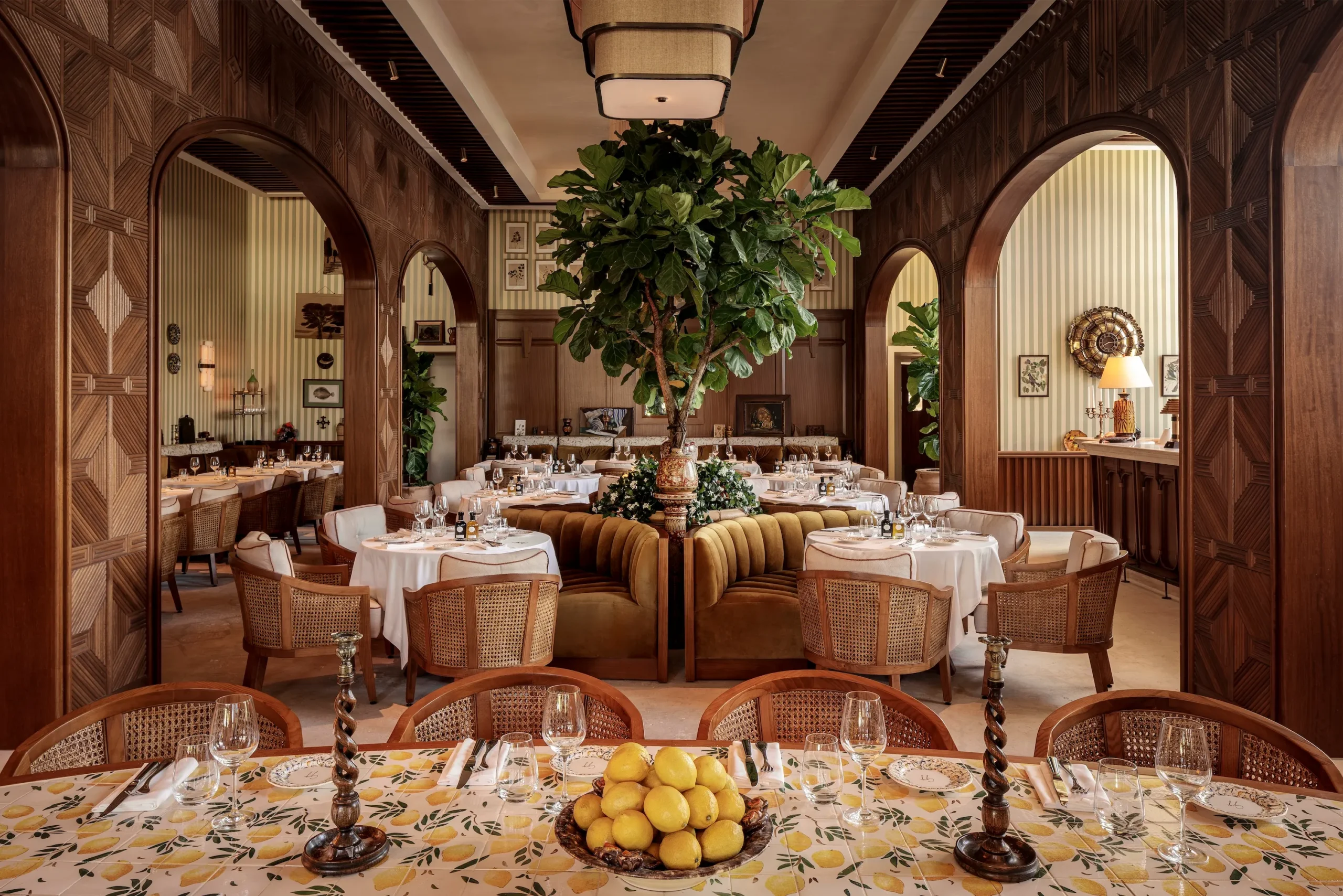
The traditional role of the hotel restaurant is undergoing a fundamental transformation as global hospitality leaders pivot from viewing food and beverage (F&B) as a secondary guest amenity to a primary engine of brand identity and revenue generation. In the current market, hotel dining venues are no longer tasked simply with feeding a captive audience of overnight guests; they are increasingly required to compete with standalone urban restaurants, secure the loyalty of local residents, and serve as the primary catalyst for property visits that do not involve a room booking. This shift is most visible within the operations of Paris Society, the global F&B platform under the Ennismore umbrella and part of the broader Accor Group, which has established a blueprint for transforming hotel bars and restaurants into independent destinations. According to Rizwan Kassim, CEO of Paris Society, the modern traveler’s decision-making process has shifted so significantly that the quality of the F&B experience often outweighs the traditional metrics of room comfort, placing culinary strategy at the very center of the lifestyle hospitality business model.
The Shift Toward Experiential Hospitality and Non-Room Revenue
The elevation of F&B within the hospitality hierarchy is driven by a combination of changing consumer preferences and the economic necessity for hotel owners to diversify their income streams. Data from Skift Research indicates a profound shift in traveler priorities, with 71 percent of global travelers reporting plans to prioritize spending on culinary experiences through 2026. This puts dining ahead of traditional travel categories such as adventure, cultural tours, and wellness. For hotel owners, the financial implications are substantial; Kassim notes that a compelling F&B program can now account for more than 50 percent of a property’s non-room revenue. This economic reality has forced a move away from the "standardized hotel buffet" model toward bespoke, concept-driven venues that can stand on their own merit in competitive urban markets.
Historically, hotel restaurants suffered from a reputation of being overpriced and uninspired, designed for convenience rather than quality. However, the rise of "lifestyle hospitality"—a segment defined by community, design, and experience—has changed the trajectory. Accor’s 2025 report, "The Power of Food and Drink in Hospitality," highlights that experiential dining has become the primary bridge between a hotel and its surrounding destination. For the modern owner, the question is no longer whether a property requires a restaurant, but whether that restaurant possesses enough cultural capital to attract a local "in-the-know" crowd, which in turn validates the hotel’s status for international travelers.
The Paris Society Model: A "Local-First" Philosophy
Paris Society, which operates more than 90 venues globally, has built its reputation on the premise that a hotel restaurant must first succeed as a standalone neighborhood favorite. This philosophy serves as a litmus test for the viability of a concept. If a restaurant cannot attract local residents who have the option to dine anywhere in their city, it is unlikely to provide the authentic atmosphere that lifestyle travelers crave. By prioritizing the local market, Paris Society creates a self-sustaining ecosystem where the hotel guest becomes a secondary beneficiary of a high-energy, successful venue, rather than the primary reason for its existence.
This model is being deployed across some of the world’s most prestigious real estate. For example, at the Delano Miami Beach, Paris Society has integrated established brands such as Gigi Rigolatto and Mimi Kakushi. By bringing recognized restaurant identities into the hotel environment, the property inherits an existing reputation and a dedicated following from day one. This "plug-and-play" strategy with high-prestige brands reduces the risk for owners and ensures that the F&B component of the hotel is an asset rather than a liability.
Creative Identity and the Architecture of Emotion
The success of these venues is not merely a result of the menu, but of a meticulous approach to "emotional design." Antoine Menard, Chief Creative Officer of Paris Society, asserts that the development of a concept begins long before the selection of ingredients. The process starts with a narrative—a specific memory or feeling the brand intends to evoke. This storytelling approach is exemplified by the Gigi brand, which is centered around the fictional persona of a 65-year-old Milanese man who hosts friends in his art-filled home.
This narrative-driven design dictates every sensory detail, from the playlist and the staff uniforms to the specific scent of the room and the tactile quality of the furniture. In an era where visual appeal is often commodified through social media, Paris Society focuses on a cohesive atmosphere that encourages repeat visits. The goal is to move beyond the "Instagrammable" moment toward a lasting emotional connection. Research suggests that immersive experiences are a top driver for destination decisions for two-thirds of travelers, making the creative direction of a restaurant a critical component of the hotel’s overall marketing strategy.
Scaling Without Standardization: The Regional Operating Model
One of the most significant challenges in global hospitality is scaling a successful concept without losing its soul. Traditional hotel chains often rely on standardization to ensure quality, but in the lifestyle sector, over-standardization can lead to a loss of authenticity. Paris Society addresses this by maintaining a decentralized, regional operational structure. While the global leadership team remains lean, functions such as culinary sourcing, marketing, and human resources are managed at the local level.
This autonomy allows for significant adaptation to local markets. In Paris and Dubai, for instance, chefs are empowered to work directly with regional suppliers rather than adhering to a global procurement list. This ensures that the food remains fresh and relevant to the setting. Design also follows this localized logic; a Gigi location in Saint-Tropez might prioritize large tables for family-style dining and outdoor pool access, whereas a Gigi in Rome might focus on an intimate, interior-focused atmosphere. Menard emphasizes that the objective is not to "export" a Parisian brand, but to create a venue that feels as though it could only exist in its specific city.
Adapting to Demographic Shifts: Wellness, Longevity, and the New Family
The evolution of F&B is also a response to the changing demographics of the luxury and lifestyle consumer. Paris Society is currently observing a shift in beverage consumption patterns and a heightened interest in wellness and longevity. This has led to the integration of more sophisticated non-alcoholic programs and health-conscious menu options that do not sacrifice the indulgent atmosphere of a high-end restaurant.
Furthermore, the rise of the "lifestyle family" traveler is reshaping venue design. Skift Research indicates that 93 percent of Gen Z and Millennial parents view travel as a vital component of their children’s upbringing. Consequently, venues that were once strictly adult-oriented are now being adapted to accommodate multi-generational groups. Paris Society has responded by incorporating "kids’ zones" or specialized family programming during weekend brunches, while maintaining the ability to transition into a high-energy, adult-centric environment in the evenings. This flexibility allows a single venue to maximize revenue across different dayparts and consumer segments.
The Accor Ecosystem and the Broader Impact on Ownership
Paris Society is a specialized component of a much larger F&B machine. The Accor Group operates more than 10,000 restaurants and bars globally, generating over €8 billion in annual F&B topline revenue. This ecosystem includes everything from the ultra-luxury catering of Potel & Chabot to the standardized, efficient F&B models found in Accor’s economy and midscale brands like Ibis or Novotel.
For hotel owners, the integration of specialized platforms like Paris Society provides a competitive edge in an increasingly crowded market. By treating F&B as a strategic hospitality asset rather than a departmental cost center, owners can achieve stronger brand differentiation and higher property valuations. A successful restaurant does more than just drive revenue; it elevates the "cool factor" of the entire building, often allowing the hotel to command higher Average Daily Rates (ADR) for its rooms.
As the hospitality industry moves toward an experience-led future, the symbiotic relationship between sleep and sustenance is being rewritten. The restaurants that have the greatest impact on a hotel’s bottom line are those that no longer require the hotel to justify their existence. Instead, the restaurant becomes the reason the guest chooses the hotel, signaling a permanent shift in how value is created and captured in the modern travel landscape.