Researchers at the Icahn School of Medicine at Mount Sinai have identified a critical molecular mechanism that appears to actively suppress the natural ability of injured neurons to regrow damaged axons, a discovery published in the prestigious journal Nature. This groundbreaking finding points to the aryl hydrocarbon receptor (AHR) as a key player in limiting nerve regeneration, suggesting that inhibiting this protein could pave the way for novel therapeutic strategies to enhance recovery from peripheral nerve injuries and spinal cord damage.
The Silent Struggle of Damaged Nerves
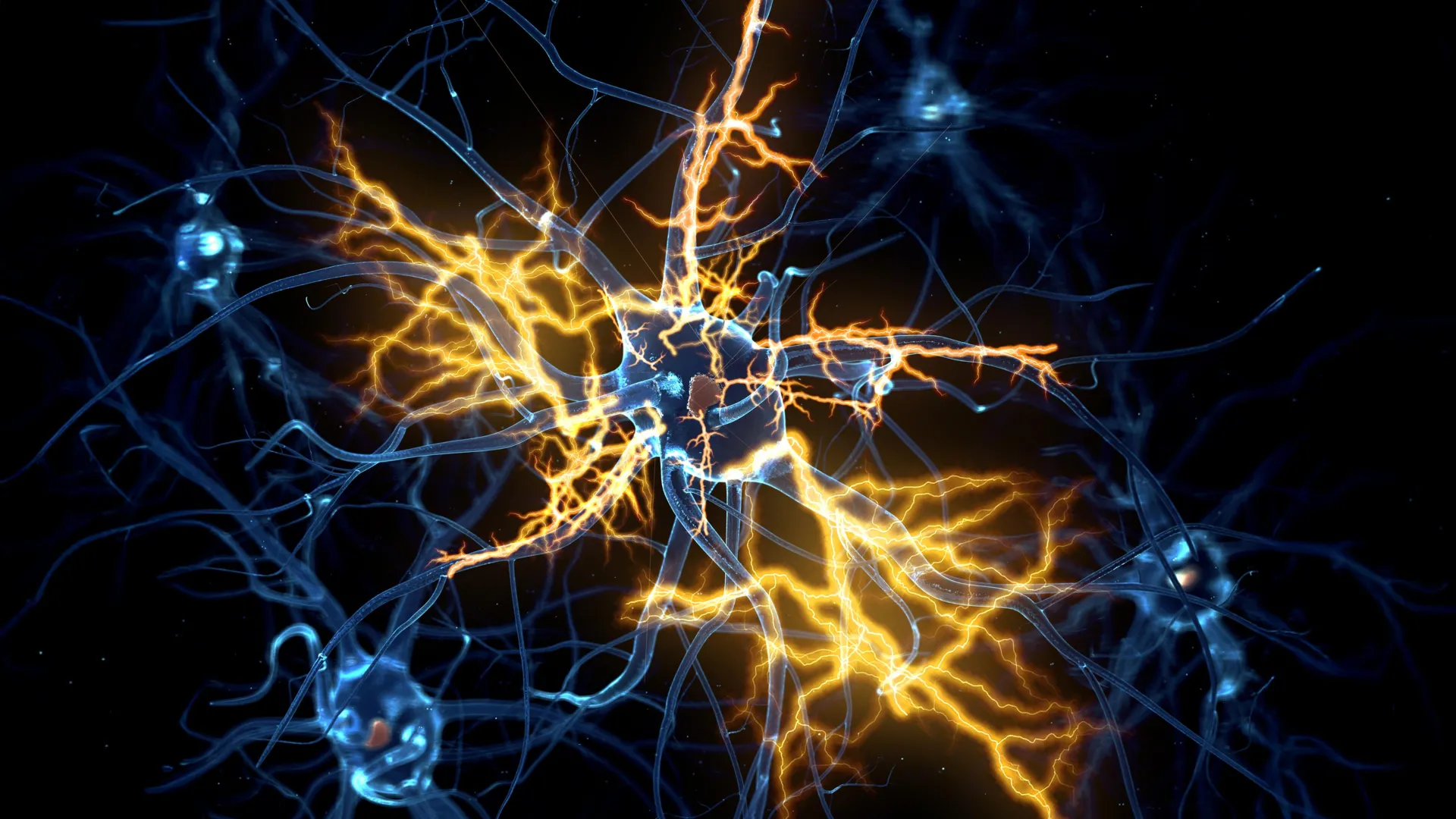
Axons, the long, slender extensions of nerve cells (neurons), are the communication highways of our nervous system. They transmit electrical and chemical signals, enabling everything from voluntary movement to sensory perception, and are fundamental to the intricate network that constitutes both the central nervous system (CNS), comprising the brain and spinal cord, and the peripheral nervous system (PNS), which extends throughout the body. When these vital conduits are damaged or severed, the body’s capacity for repair hinges critically on the neuron’s ability to sprout new growth and re-establish lost connections.
However, in adult mammals, this regenerative capacity is remarkably limited. Unlike in embryonic development when nerve cells exhibit robust regrowth, mature neurons face significant hurdles when attempting to repair themselves after injury. This intrinsic limitation is a primary reason why injuries to the spinal cord or peripheral nerves often result in profound and sometimes permanent deficits in motor function, sensation, and autonomic control. For decades, unraveling the molecular underpinnings of this regenerative block has been a central challenge in neuroscience, with implications for millions worldwide affected by neurological trauma.
AHR: The Unexpected Brake on Regeneration
The new research from Mount Sinai offers a compelling explanation for this regenerative deficit. The study highlights the aryl hydrocarbon receptor (AHR) as a crucial regulator that actively hinders axon regrowth in response to injury.
"When neurons sustain damage, they are in a state of immense stress. They must simultaneously cope with this trauma while also attempting the energetically demanding process of axonal regeneration," explained Hongyan Zou, MD, PhD, Professor of Neurosurgery and Neuroscience at the Icahn School of Medicine at Mount Sinai and the senior author of the study. "Our findings reveal that AHR acts much like a molecular brake, effectively shifting the neuron’s focus away from rebuilding damaged connections and towards managing the immediate crisis."
The research team meticulously demonstrated this effect through a series of experiments. They observed that when AHR signaling was active within neurons, it actively suppressed the growth of axons. Conversely, when AHR was either genetically removed from neurons or its activity was inhibited using pharmacological agents, damaged axonal fibers exhibited significantly improved regeneration. This effect was not merely confined to cell cultures; in preclinical models, specifically mouse models simulating peripheral nerve damage and spinal cord injury, suppressing AHR activity led to a noticeable improvement in the recovery of motor and sensory functions. This suggests a direct correlation between AHR inhibition and functional restoration.
The Tradeoff: Survival Versus Repair
Further investigations delved into the precise mechanisms by which AHR exerts its inhibitory influence. The researchers discovered that following an injury, AHR plays a role in orchestrating a protective cellular response. Specifically, it supports the maintenance of proteostasis – the critical process of protein quality control within cells. This system is vital for helping injured neurons survive the acute cellular stress by ensuring that damaged or misfolded proteins are cleared or repaired. However, this same protective mechanism, while promoting survival, inadvertently limits the production of the new proteins essential for the complex process of axon rebuilding.
In essence, the presence of active AHR signaling prioritizes immediate survival over long-term repair. When AHR activity is reduced, neurons appear to recalibrate their cellular priorities. They initiate a shift towards increased protein synthesis and activate specific biological pathways known to be associated with growth and axon regeneration. The researchers identified another key factor, HIF-1α (Hypoxia-inducible factor 1-alpha), as playing a crucial role in this AHR-independent regenerative response. HIF-1α is a transcription factor known to regulate genes involved in cellular metabolism and tissue repair, and its activation in the absence of AHR seems to be a critical component of the pro-regenerative state.
"This discovery illuminates a fundamental biological tradeoff that neurons face after injury," Dr. Zou elaborated. "They must balance the imperative of immediate survival with the challenging prospect of regeneration. By effectively releasing this molecular brake imposed by AHR, we can potentially nudge neurons into a cellular state that more strongly favors repair and regrowth."
An Unexpected Role for a Toxin Sensor
The identification of AHR in this context is particularly intriguing given its evolutionary history. AHR was initially discovered for its role as a sensor for environmental toxins and pollutants, broadly categorized as xenobiotics. Its known function involved mediating cellular responses to these external threats. The current findings, however, reveal a previously unrecognized and significant role for AHR within the nervous system, extending its influence beyond environmental sensing to encompass intrinsic cellular processes that govern neuronal repair.
In neurons, AHR appears to act as an internal bridge, linking signals from the surrounding cellular environment – potentially including inflammatory mediators or metabolic shifts post-injury – with the internal cellular machinery that dictates the fate of damaged axons. This suggests a sophisticated integration of external cues and internal cellular states in determining regenerative potential.
Therapeutic Horizons: Repurposing and Developing AHR Inhibitors
The implications of this research for future therapeutic development are substantial and potentially rapid. A significant advantage lies in the fact that several pharmaceutical agents designed to inhibit AHR are already in various stages of clinical trials for other medical conditions, such as certain autoimmune diseases and cancers. This existing pipeline of AHR-inhibiting drugs offers a tantalizing prospect: the possibility of repurposing these compounds or developing similar ones specifically for treating nerve injuries.
"The fact that AHR inhibitors are already being investigated in human clinical trials significantly accelerates the potential translation of our findings into therapeutic applications," noted a spokesperson for the research team. "It means we are not starting from scratch in terms of drug discovery and safety profiling."
Navigating the Path to Clinical Application
Despite the immense promise, the researchers and the broader scientific community emphasize that this work is still in its early stages. Extensive further research and rigorous testing will be indispensable before AHR-targeting therapies can be considered for patients with nerve injuries. Future studies will need to comprehensively assess the efficacy of AHR inhibitors across a spectrum of neural injury types, including different severities and locations of damage. Crucially, determining the optimal timing and dosage for these interventions will be paramount, as the regenerative process is highly dynamic. Furthermore, researchers must carefully examine the broader effects of suppressing AHR on other cell types that are integral to the complex cascade of the injury response, ensuring that therapeutic benefits outweigh any potential adverse consequences.
The Mount Sinai team is actively pursuing several avenues for future investigation. This includes evaluating the effectiveness of existing AHR-blocking drugs and exploring novel gene-therapy approaches designed to specifically reduce AHR activity within neurons. The ultimate goal is to determine if these targeted strategies can substantially enhance axon regeneration and lead to improved functional recovery following devastating injuries such as spinal cord damage, stroke, or other neurological diseases where axonal damage is a common feature. The journey from bench to bedside is long, but this discovery has illuminated a critical target, offering a renewed sense of optimism for individuals living with the consequences of nerve damage.