Rice, a fundamental cornerstone of global sustenance, nourishes over half the world’s population, yet its intricate nutritional composition remains a subject of ongoing scientific exploration. While the dominant macronutrient in rice is starch, accounting for approximately 85% of its edible mass, the grain also contains a significant portion of protein, around 10%, and a smaller but metabolically relevant fraction of fat, roughly 2%. Historically, the low lipid content has relegated these fats to the periphery of nutritional research, overshadowed by the more abundant carbohydrates. However, emerging scientific understanding underscores the profound influence that these often-overlooked lipids exert on a grain’s nutritional value, its characteristic flavor profiles, and its overall quality. This paradigm shift in perspective has spurred dedicated research efforts, with scientists at Hokkaido University embarking on a comprehensive investigation into the hidden fats within japonica rice, a short- to medium-grain variety celebrated for its tender, slightly sticky texture when cooked and its widespread popularity, particularly in Japanese cuisine, representing approximately 15% of global rice consumption.
The Genesis of a Deeper Dive: Acknowledging the Underappreciated
The impetus for this in-depth study by Hokkaido University researchers stemmed from a growing recognition within the scientific community that the minimal lipid fraction of rice, despite its seemingly modest proportion, plays a disproportionately significant role in its overall health-promoting properties. Associate Professor Siddabasave Gowda, the lead author of the study published in the esteemed journal Food Research International, articulated this sentiment, stating, "Although lipids make up only a small proportion of rice, they are critical in determining its nutritional value. They help maintain cell membrane integrity, store energy, and support essential signaling processes in the body." This foundational understanding, coupled with the advent of sophisticated analytical technologies, created a fertile ground for a more granular examination of rice lipids.
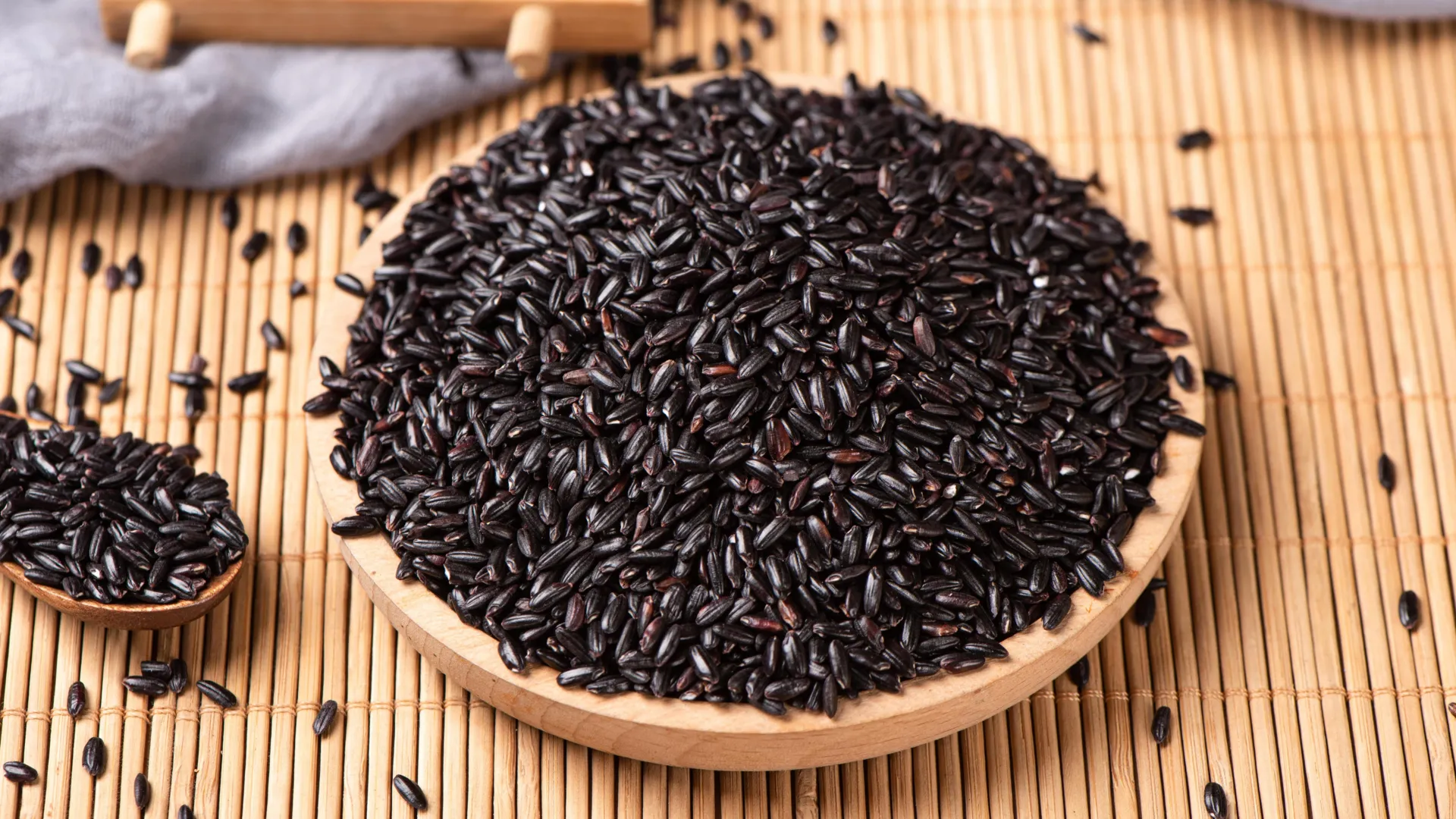
The research team meticulously collected and analyzed 56 distinct japonica rice cultivars sourced from various regions across Japan. This diverse collection encompassed not only the familiar white varieties but also a spectrum of pigmented rice, including brown, red, green, and black rice. This broad sampling strategy was crucial for capturing the full spectrum of lipid variations present within the japonica rice varietal group.
Technological Advancements Pave the Way for Discovery
The ability to conduct such detailed lipid profiling has been significantly enhanced by modern analytical methodologies. The Hokkaido University team leveraged cutting-edge techniques, including liquid chromatography and mass spectrometry, to dissect and identify the complex array of lipid molecules present in the selected rice samples. These advanced tools allowed for an unprecedented level of detail in quantifying and characterizing the fatty acid composition, identifying not just major lipid classes but also more nuanced and less abundant lipid species.
Through this comprehensive analytical approach, the researchers successfully identified a remarkable 196 distinct lipid molecules. These molecules were further categorized into five major lipid groups, providing a detailed molecular map of the fats present in japonica rice. This level of molecular resolution was previously unattainable, underscoring the transformative impact of technological innovation on food science research.
Pigmented Varieties Emerge as Nutritional Powerhouses
A particularly compelling outcome of the Hokkaido University study was the revelation of significant nutritional disparities among the various rice cultivars. The research employed a "health-promotion index" to quantitatively assess the potential health benefits of the different rice varieties based on their lipid profiles. In this evaluation, pigmented Japanese rice, with a special emphasis on black and green rice, consistently scored higher. This elevated score was directly attributed to their unique and more complex lipid compositions.
These vibrant rice varieties were found to contain a rich array of potentially beneficial lipids, including compounds that had not been previously identified in rice. Among these were FAHMFAs (fatty acid esters of hydroxy medium-chain fatty acids) and LNAPEs (N-acyl-lysophosphatidylethanolamines). Pre-existing research in other biological systems has linked these types of lipids to significant health-promoting activities, including potent anti-inflammatory effects and improvements in metabolic health. The detection of FAHMFAs in rice, in particular, represents a novel finding, opening new avenues for understanding the nutritional contributions of these specific lipids.
Deciphering the Impact on Glycemic Response: A Laboratory Simulation
Beyond the identification of novel lipid compounds, the Hokkaido University researchers also delved into the functional implications of these findings, specifically investigating how different rice varieties might influence post-prandial blood sugar levels. Recognizing the ethical and practical limitations of direct human trials at this stage, the team ingeniously devised a laboratory-based simulation of human digestion.
Selected rice samples underwent a controlled cooking process, followed by incubation with digestive enzymes designed to mimic the enzymatic activity in the human digestive system. The rate at which the starch within each sample was broken down was then meticulously measured. This enzymatic breakdown rate serves as a crucial indicator of how quickly a particular rice variety is likely to elevate blood glucose levels after consumption.
The results of these simulations yielded significant insights. Black and green japonica rice demonstrated a demonstrably slower rate of starch digestion compared to conventional white rice. This slower breakdown translates to a more gradual release of glucose into the bloodstream, a characteristic highly desirable for managing blood sugar levels. This finding suggests that the unique lipid composition and potentially other structural differences in pigmented rice contribute to a more favorable glycemic response.
Implications for Chronic Disease Management and Functional Foods
The implications of these findings extend far beyond academic curiosity, offering tangible pathways for developing healthier food options. The observed slower glycemic response associated with black and green japonica rice positions these varieties as valuable candidates for incorporation into foods designed to support cardiovascular health, enhance blood sugar management, and potentially mitigate the risk of developing lifestyle-related chronic conditions, such as type 2 diabetes.
The research aligns with a broader global trend in nutrition science focused on identifying and harnessing the power of bioactive compounds found in natural food sources. The Hokkaido University team’s ongoing work is part of a wider initiative dedicated to uncovering previously unknown bioactive lipids using advanced analytical techniques. This strategic research direction has already yielded discoveries of novel bioactive lipids in other Japanese dietary staples, including various types of fish, herbal teas, and seaweeds. As Associate Professor Gowda noted, "Our research group has discovered novel bioactive lipids in Japanese dietary fish, herbal teas, and seaweeds, helping to shed light on Japan’s underexplored lipid-rich food resources."
A Future Informed by Nutritional Nuance
The insights gleaned from this study hold the potential to profoundly impact consumer choices and the food industry’s innovation landscape. By illuminating the nutritional distinctions between different pigmented rice varieties, the research empowers consumers to make more informed decisions about their dietary intake, selecting rice types that best align with their individual health goals and needs.
"People may be interested in learning about the health benefits of different pigmented rice varieties and, based on this knowledge, choosing the type that best suits their needs," stated Gowda. Furthermore, the findings are expected to catalyze the development of novel "functional" rice products. These are foods engineered to provide specific health benefits beyond basic nutrition, such as improved diabetes management and a reduced risk of other lifestyle-related diseases. The scientific community anticipates that this research will serve as a foundational step in unlocking the full nutritional potential of rice, transforming a staple food into a more potent tool for proactive health management. The ongoing exploration of rice’s lipidome promises a future where our understanding of this ancient grain is as nuanced and sophisticated as its complex molecular structure.