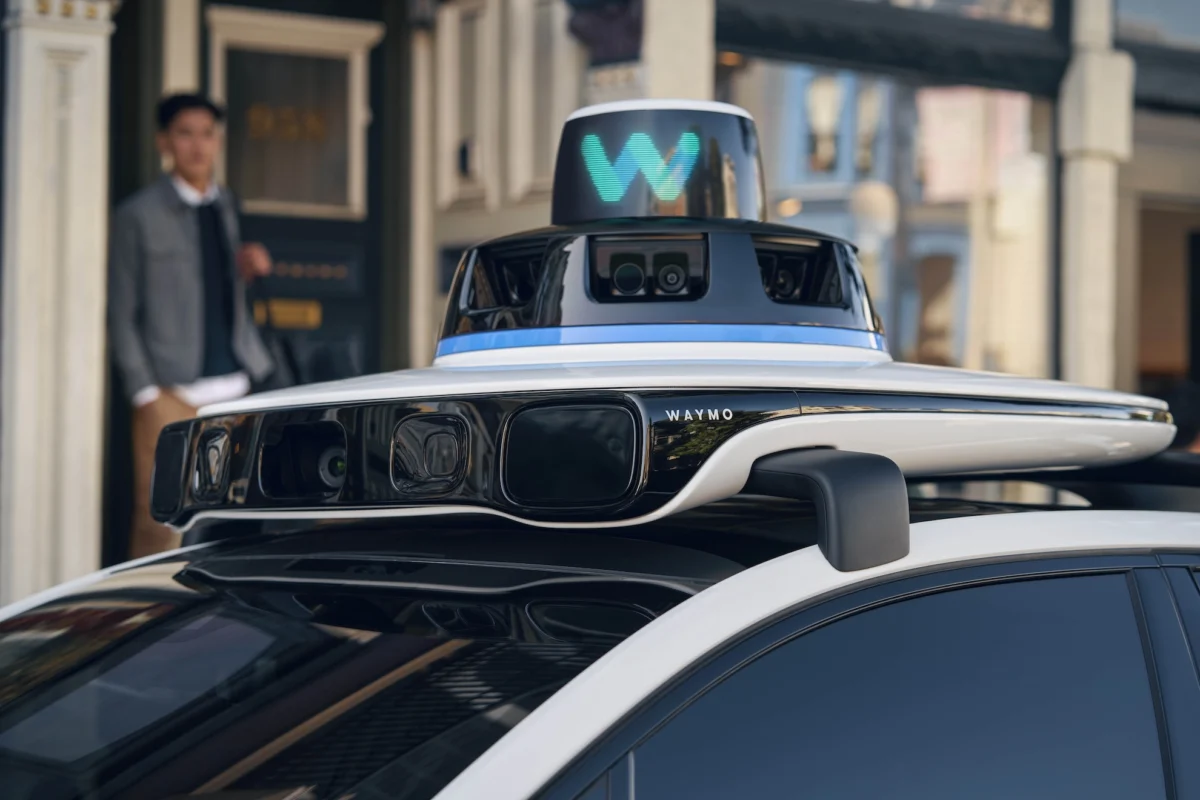
Waymo, the autonomous car maker owned by Alphabet, has officially removed the waitlist for its robotaxi service in Dallas, Texas, opening immediate access to all residents and visitors. This pivotal move signifies a significant acceleration in the Alphabet-owned company’s ambitious strategy to scale its advanced self-driving technology across key urban centers in the United States, with a broader vision encompassing potential expansion into Europe and the United Kingdom. The announcement, made on Tuesday, empowers anyone within the Dallas service area to download the Waymo One app and instantly hail an autonomous vehicle, marking a substantial step forward in the commercialization of fully driverless transportation.
The Dallas Expansion: A Strategic Move
The decision to transition from a waitlist model to open access in Dallas follows a well-established "robotaxi playbook" that Waymo has successfully implemented in its other operational markets, including Phoenix, Los Angeles, and San Francisco. This phased approach typically begins with internal testing, progresses to an early rider program or limited public access via a waitlist, and culminates in a full public launch. The rapid progression in Dallas underscores Waymo’s increasing confidence in the maturity and reliability of its Waymo Driver technology within complex urban environments.
Dallas, as one of the largest and fastest-growing metropolitan areas in the U.S., represents a strategic location for Waymo. Its sprawling infrastructure, diverse road networks, and significant population density offer a robust testbed for the Waymo Driver and a substantial potential customer base. The market’s size and demographic profile make it an ideal candidate for demonstrating the scalability and economic viability of autonomous ride-hailing services. Waymo’s entry into the Dallas market was first announced last year, with initial plans to launch public service by 2026. However, the company began testing its technology on public streets well ahead of that schedule, indicating an accelerated development and deployment timeline fueled by operational successes and technological advancements.
During the waitlist period, which commenced in February, Waymo reported that approximately 150,000 riders engaged with the Waymo app. This substantial engagement figure highlights strong public interest and demand for autonomous mobility solutions in Dallas. The data collected from these early riders—including route preferences, pickup/drop-off patterns, and overall user experience—has been invaluable in refining the service and optimizing the operational parameters for full public availability.
Navigating Challenges and Ensuring Safety
While the full public launch is a significant milestone, Waymo’s journey in Dallas has not been without its early challenges. In May, the company temporarily paused its service not only in Dallas but also in Houston and San Antonio, Texas, as well as Atlanta, Georgia. This pause was a direct response to issues encountered by its robotaxis in navigating severe weather conditions, specifically heavy rain and flooded roads. Autonomous vehicles, despite their advanced sensor suites, still face complex perception and prediction challenges in extreme environmental conditions that can obscure sensors, alter road dynamics, and introduce unpredictable variables.
Following the temporary pause, Waymo has since resumed services in these cities. However, the company has publicly stated its commitment to prioritizing safety and may adjust or temporarily suspend operations in the future based on severe weather forecasts, flood warnings, and real-time environmental conditions. A Waymo spokesperson confirmed that riders can monitor the operational status of the service via the Waymo app, ensuring transparency and enabling users to make informed decisions. This proactive approach to weather-related operational adjustments reflects the industry’s cautious stance on ensuring safety as a paramount concern in autonomous vehicle deployment. The incident also highlighted the ongoing need for robust testing and refinement of AV systems to handle the full spectrum of real-world driving conditions, which include not just dry, sunny days but also adverse weather events that are common in many regions.
Technological Backbone of Waymo Driver
At the heart of Waymo’s operations is the Waymo Driver, the company’s proprietary autonomous driving technology. This sophisticated system integrates an array of cutting-edge sensors, including lidar, radar, and high-resolution cameras, which collectively provide a comprehensive 360-degree view of the vehicle’s surroundings. Lidar (Light Detection and Ranging) systems create detailed 3D maps of the environment, while radar excels at detecting object speed and distance, especially in challenging weather. Cameras, meanwhile, provide rich visual information, crucial for identifying traffic lights, signs, and nuanced aspects of human behavior.
These sensor inputs are processed by advanced artificial intelligence (AI) and machine learning algorithms that interpret the data, predict the behavior of other road users, and make instantaneous driving decisions. The Waymo Driver is constantly learning and evolving through millions of miles of real-world driving data and billions of miles simulated. This continuous learning process allows the system to improve its understanding of complex scenarios, refine its decision-making logic, and enhance its overall safety performance.
The vehicles currently deployed in Waymo’s Dallas fleet are all-electric Jaguar I-Pace SUVs, customized with the Waymo Driver hardware and software suite. The choice of an electric platform aligns with Waymo’s commitment to sustainable urban mobility and contributes to reducing carbon emissions in the cities where it operates. To manage this growing fleet, Waymo has partnered with Avis Budget Group, a leading global provider of mobility solutions. Avis is responsible for general depot operations, which include crucial tasks such as charging the electric vehicles, performing routine maintenance, and ensuring the fleet is clean and ready for service. This partnership allows Waymo to focus its resources on developing and deploying its core autonomous technology, leveraging Avis’s extensive expertise in fleet management and logistics.
Broader Implications for Urban Mobility and Beyond
The expansion of Waymo’s robotaxi service in Dallas carries significant implications for the future of urban mobility, local economies, and the broader autonomous vehicle industry.
Transforming Urban Transportation: The availability of driverless robotaxis offers a new dimension to urban transportation networks. For residents and visitors, it provides an additional, often more convenient and potentially safer, on-demand mobility option. Over time, as autonomous fleets scale, they have the potential to reduce traffic congestion by optimizing routes, minimizing empty vehicle miles, and encouraging shared rides. This could lead to a more efficient use of road space and a reduction in the need for private vehicle ownership, particularly in dense urban cores.
Economic Impact and Job Market Dynamics: The introduction of autonomous ride-hailing services like Waymo One can stimulate local economies by creating new job opportunities in areas such as fleet maintenance, charging infrastructure management, remote assistance operations, and software development. The partnership with Avis Budget Group is a prime example of how traditional service industries can adapt and integrate into the burgeoning AV ecosystem. However, it is also important to acknowledge the potential long-term impact on traditional human-driven taxi and rideshare services. While Waymo’s current scale is relatively small compared to the overall transportation market, widespread adoption of robotaxis could eventually lead to shifts in the labor market for professional drivers, necessitating workforce retraining and adaptation strategies.
Enhanced Accessibility: Autonomous vehicles hold immense promise for improving accessibility for individuals who currently face barriers to transportation, such as the elderly, people with disabilities, or those who cannot drive for various reasons. By offering a reliable, on-demand, and potentially more affordable mode of transport, robotaxis can enhance independence and mobility for underserved populations, fostering greater social inclusion.
Regulatory Landscape and Public Acceptance: Waymo’s continued expansion underscores the evolving regulatory environment for autonomous vehicles across different jurisdictions. Each city and state presents a unique set of challenges and opportunities in terms of permitting, operational guidelines, and public engagement. Waymo’s success in securing approvals and operating in diverse cities like Phoenix, Los Angeles, San Francisco, and now Dallas, demonstrates a growing acceptance among regulators and the public, albeit with ongoing scrutiny regarding safety and operational performance. Public trust and acceptance remain critical for the widespread adoption of autonomous technology, and incidents like the temporary service pause due to weather highlight the need for continuous transparency and communication from AV developers.
Future Outlook and Global Ambitions
Waymo’s aggressive expansion into markets like Dallas is a clear indicator of its long-term vision: to build the world’s most experienced driver and make fully autonomous mobility a ubiquitous reality. The company continues to invest heavily in research and development, refining its Waymo Driver to handle even more complex scenarios, diverse geographies, and challenging weather conditions. The data gathered from extensive real-world operations in Dallas and other cities will be instrumental in this ongoing iterative improvement process.
Beyond the U.S., Waymo has publicly articulated its aspirations for international expansion, specifically mentioning Europe and the United Kingdom. These markets, while offering significant opportunities, also present unique regulatory frameworks, cultural driving nuances, and infrastructure complexities that Waymo will need to address. The lessons learned from deploying and scaling services in various U.S. cities will undoubtedly inform its global strategy.
The autonomous vehicle industry is at a critical juncture, moving from nascent experimentation to commercial deployment. Companies like Waymo are leading the charge, demonstrating the tangible benefits and overcoming the significant technical and operational hurdles involved. The elimination of the waitlist in Dallas is more than just a convenience for local residents; it is a testament to the maturation of autonomous technology and a significant step towards a future where driverless cars are an integral part of our daily lives, reshaping how we move, work, and interact with our urban environments. As the technology continues to evolve, the impact of these advancements on society, economy, and individual freedom of movement will only become more profound.