


The landscape of global endurance racing reached a significant milestone recently when Jamie Chadwick, a three-time W Series champion and rising star in the Indy NXT circuit, became the first woman to pilot a top-tier Hypercar during the official Le Mans rookie test. Driving the Porsche 963, a sophisticated hybrid prototype designed for outright victory, Chadwick’s presence in the cockpit of a front-running machine represented more than just a career achievement; it served as a powerful rebuttal to a historical period during which women were systematically excluded from the world’s most prestigious endurance race. For decades, the 24 Hours of Le Mans operated under a set of unofficial and official mandates that effectively barred female competitors, citing safety concerns that modern analysis reveals were deeply rooted in the gender biases of the mid-20th century.
While Chadwick’s debut in the Hypercar class marks a new chapter, it also highlights a peculiar statistical anomaly: the highest finish by a female driver at Le Mans was achieved nearly a century ago. In 1932, Odette Siko finished fourth overall, a record that remains unsurpassed despite the technological advancements and increased participation of women in the modern era. To understand why this record has stood for so long, one must examine the era of exclusion that began in the 1950s and the institutional hurdles that stifled the progress of female racers for over twenty years.
The Golden Era of Early Participation
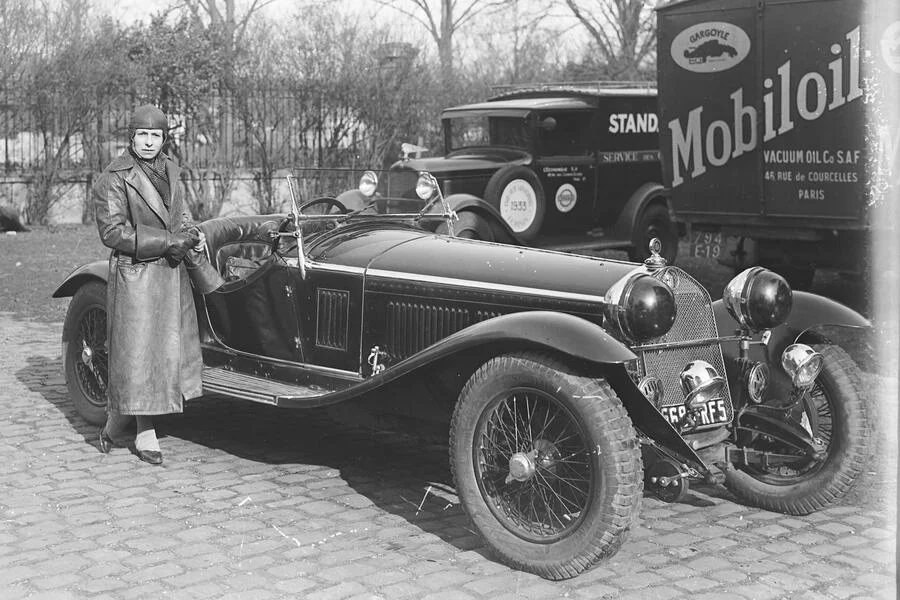
In the early years of the 24 Hours of Le Mans, which first ran in 1923, the race was a testing ground for automotive reliability and human endurance. During the 1930s, the event was surprisingly inclusive compared to the decades that would follow. In 1930, Marguerite Mareuse and Odette Siko became the first women to compete, finishing a remarkable seventh overall in a Bugatti Type 40.
The pinnacle of this early era occurred in 1932 when Siko, sharing a Bugatti with Louis Charavel (racing under the pseudonym "Sabipa"), secured fourth place overall and won the 2.0-liter class. This performance proved that women were not only capable of finishing the grueling event but could do so at a competitive pace against the best male drivers of the age. Between 1930 and 1954, a total of 28 female entries were recorded at Le Mans, featuring names like Anne-Cécile Rose-Itier and Germaine Rouault. However, this momentum was abruptly halted by a combination of tragedy and a shift in social attitudes toward women in high-risk sports.
The 1955 Disaster and the Policy of Exclusion
The turning point for women at Le Mans came in the wake of the 1955 disaster, the most catastrophic accident in motorsport history. During the race, a collision sent Pierre Levegh’s Mercedes-Benz 300 SLR into the spectator stands, resulting in the deaths of 83 spectators and the driver himself. The tragedy led to a global re-evaluation of racing safety, with several countries temporarily banning motorsport altogether.
In the aftermath, the Automobile Club de l’Ouest (ACO), the organizing body of Le Mans, faced immense pressure to make the race "safer." One of the casualties of this reactionary period was the participation of women. Although there was no specific technical reason to suggest that female drivers were more prone to accidents, the ACO leadership adopted an unwritten policy that effectively barred women from entering the race. The prevailing sentiment among organizers was that the 24-hour circuit had become "too dangerous" for women, a paternalistic view that reflected the broader societal retreat toward traditional gender roles in the post-war era.
This "soft ban" lasted from the mid-1950s until 1971. For 16 years, the entry lists for Le Mans were exclusively male. The exclusion was not based on lap times or physical fitness but on a perceived need to protect women from the inherent violence of racing—a protection that many female drivers of the time neither asked for nor required.
Breaking the Silence: The 1970s Resurgence
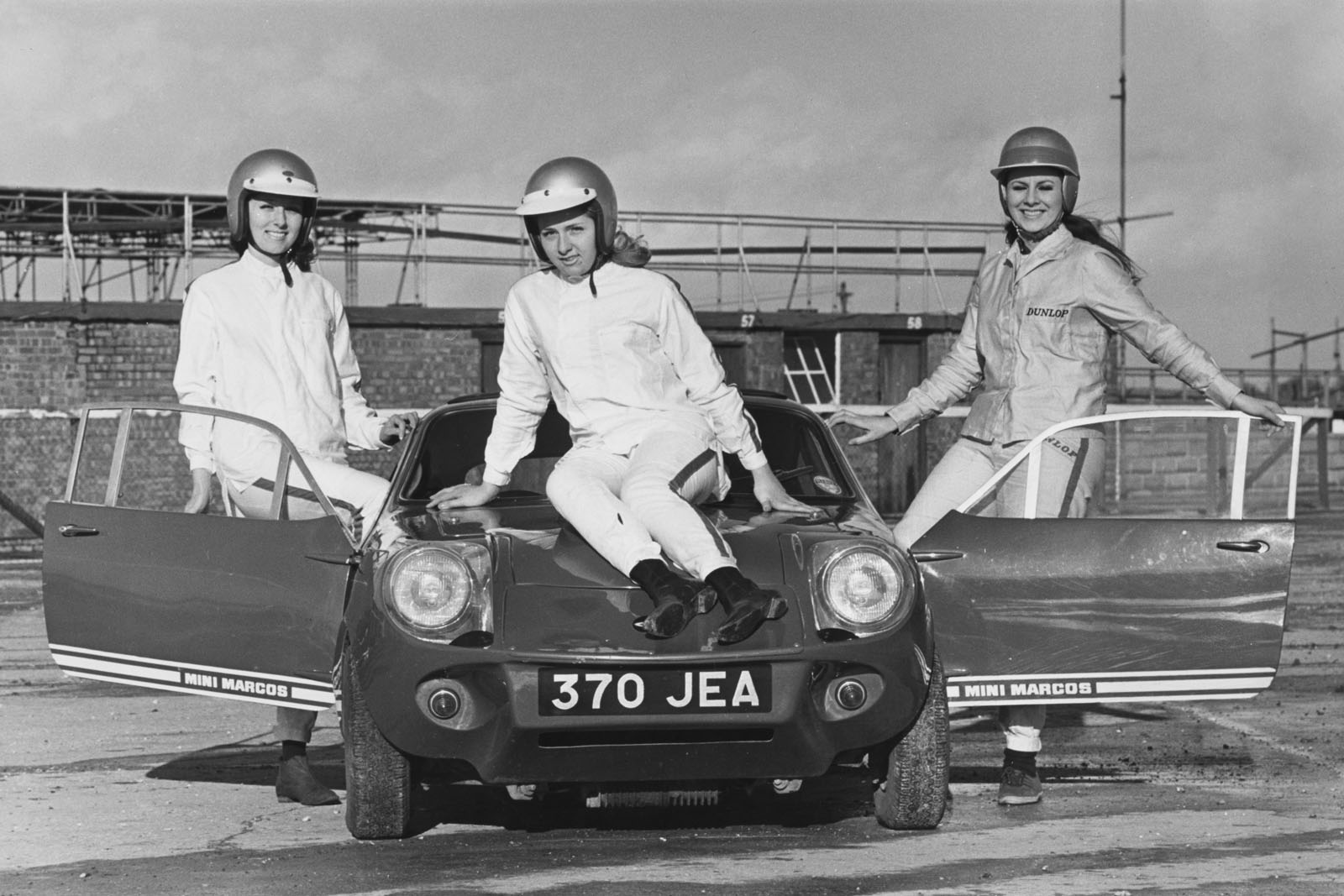
The barrier was finally broken in 1971 when Marie-Claude Beaumont was granted an entry, driving a Chevrolet Corvette. Her return marked the end of the exclusionary era, but the damage to the pipeline of female talent had already been done. By the time women were allowed back, the gap between the top-tier prototype machinery and the amateur classes had widened significantly.
The 1970s and 1980s saw a slow trickle of female participants. In 1975, an all-female team consisting of Michèle Mouton, Christine Dacremont, and Marianne Hoepfner won the 2.0-liter prototype class in a Moynet LM75, finishing 21st overall. Mouton would later go on to become a legend in the World Rally Championship, proving that female drivers possessed the elite car control necessary for world-class competition.
Despite these breakthroughs, the number of women on the grid remained low. Between 1971 and 2000, female participation averaged less than two drivers per year. The institutional memory of the ban, combined with a lack of sponsorship and development programs for young girls in karting, meant that women were often relegated to lower classes or "novelty" entries rather than being integrated into factory-backed programs.
Chronology of Key Milestones for Women at Le Mans
To understand the trajectory of progress, a look at the key chronological milestones reveals the long gaps in participation:
- 1930: Marguerite Mareuse and Odette Siko become the first women to compete (7th overall).
- 1932: Odette Siko sets the record for the highest female finish (4th overall).
- 1935: A record ten women start the race, a figure that would not be matched for 84 years.
- 1954: The last year of female participation before the unofficial ban begins.
- 1955–1970: The era of exclusion; no women are permitted to enter.
- 1971: Marie-Claude Beaumont breaks the ban, competing in a Chevrolet Corvette.
- 1975: Michèle Mouton and her teammates win the 2.0-liter class.
- 1991: Lyn St. James, a future Indy 500 Rookie of the Year, competes in a Spice SE90P.
- 2010: For the first time since 1991, an all-female crew (Cyndie Allemann, Natacha Gachnang, and Rahel Frey) enters the race.
- 2019: The "Iron Dames" project is launched, aimed at supporting women in endurance racing.
- 2023: The Iron Dames (Sarah Bovy, Michelle Gatting, and Rahel Frey) become the first all-female crew to win a class (LMGTE Am) at Le Mans.
- 2024: Jamie Chadwick tests the Porsche 963 Hypercar, signaling a move toward the top category.
Supporting Data: Participation Trends and Performance
Statistical analysis of Le Mans entries shows a stark "U-shaped" curve in female participation. The high participation rates of the 1930s were followed by a total vacuum in the 1960s, with a slow, agonizing recovery starting in the late 1990s.
According to data compiled from ACO archives, the 21st century has seen a concerted effort to rectify these historical imbalances. The creation of the FIA Women in Motorsport Commission in 2009, led by Michèle Mouton, provided the structural support necessary to move beyond tokenism. In 2020, Richard Mille Racing entered an all-female LMP2 crew, and the Iron Dames project has consistently placed female drivers on the podium in the GT categories.
However, the "Hypercar gap" remained the final frontier. Until Jamie Chadwick’s recent test, the top category of Le Mans—previously known as LMP1 and now Hypercar—had been almost exclusively male. The physical demands of these cars, which generate massive downforce and require immense neck and core strength, were often cited by skeptics as a barrier. Chadwick’s successful test, during which she logged competitive lap times and provided sophisticated technical feedback, has effectively dismantled the remaining physical arguments for exclusion.
Official Responses and the Path to Inclusivity
The ACO has publicly shifted its stance over the last decade, moving from a position of passive acceptance to active promotion. Pierre Fillon, President of the ACO, has stated that the goal is no longer just to have women in the race, but to see a woman on the top step of the overall podium.
"The success of the Iron Dames and drivers like Jamie Chadwick proves that talent has no gender," an ACO representative noted following the 2023 class win. "Our regulations are designed to be inclusive, and we are working with teams to ensure that the driver development pipeline is open to everyone."
Industry experts suggest that the previous "safety-based" arguments for banning women were a product of the "Great Man" theory of racing, which viewed the sport as a test of masculine bravado rather than technical skill and physiological endurance. Modern sports science has shown that while men and women have different physiological profiles, the specific requirements of endurance racing—cardiovascular efficiency, mental focus under fatigue, and precise motor skills—are areas where female athletes often excel.
Broader Impact and Future Implications
The implications of Jamie Chadwick’s Hypercar test and the historical context of the Le Mans ban extend far beyond the paddock. As motorsport moves toward a more corporate and sponsorship-driven model, the "diversity dividend" has become a tangible factor. Brands are increasingly looking to support inclusive teams, and the massive fan following of the Iron Dames has proven that there is a significant market for female-led racing narratives.
Furthermore, the integration of women into the Hypercar class represents the final step in normalizing female participation at the highest level of the sport. When Odette Siko finished fourth in 1932, she was racing against a field of 26 cars, many of which were essentially modified road cars. Today, a driver in the Hypercar class is managing energy recovery systems, complex aerodynamics, and multi-layered tire strategies while navigating a field of over 60 cars at speeds exceeding 200 mph.
The eventual goal for the modern generation of female drivers is to break Siko’s 92-year-old record. With the Hypercar class expanding to include manufacturers like Ferrari, BMW, Lamborghini, and Alpine, the opportunities for elite drivers like Chadwick, Doriane Pin, and Lilou Wadoux are greater than ever before.
The era when women were blocked from Le Mans is now a dark chapter in the race’s storied history—a reminder of how institutional bias can stall progress for decades. However, as the 24 Hours of Le Mans moves toward its second century, the focus has finally shifted from the "danger" of women racing to the undeniable reality of their speed. The path paved by Odette Siko in 1932, though left untraveled for too long, is now being expanded into a multi-lane highway for the next generation of female champions.