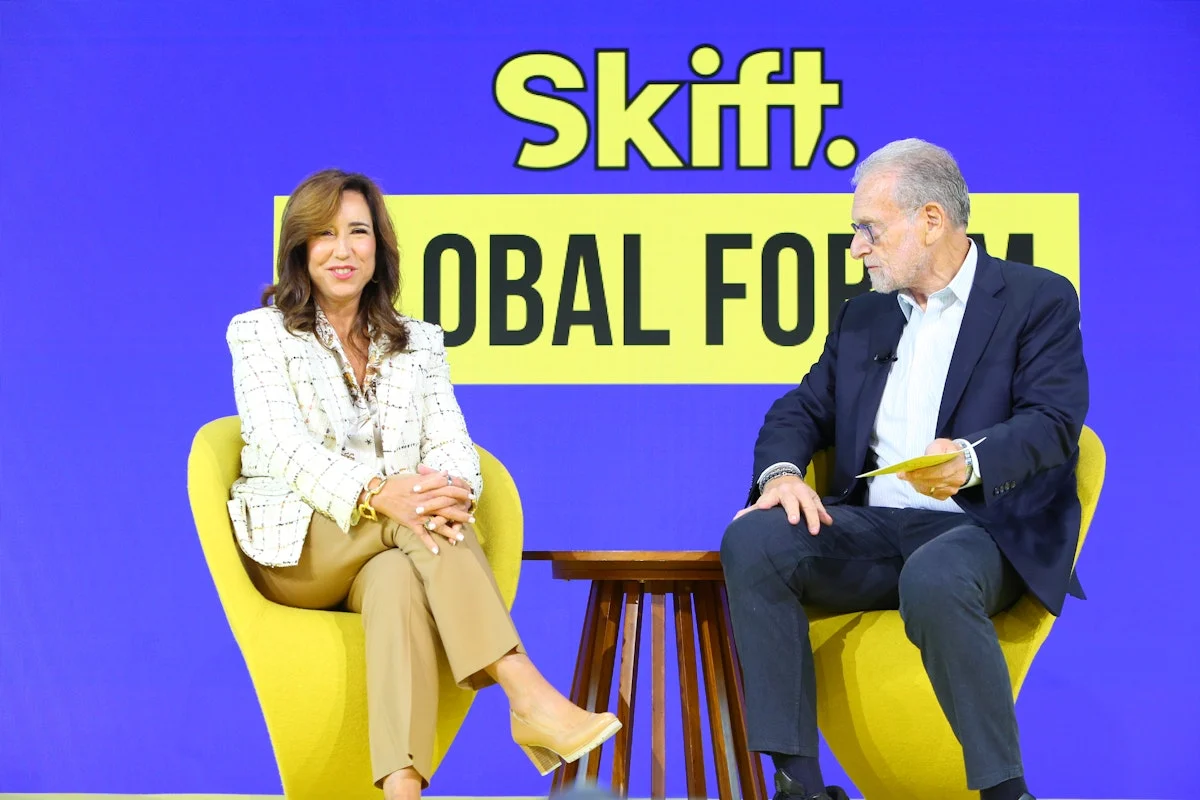
The global cruise industry is witnessing a fundamental transformation in passenger expectations, characterized by a move away from traditional, structured luxury toward efficiency and flexibility. During a featured session at the Skift Global Forum, Christine Duffy, President of Carnival Cruise Line, detailed how the company is navigating a profound shift in consumer habits that has emerged since the resumption of global travel. In a conversation moderated by Peter Greenberg, CBS News Travel Editor, Duffy revealed that post-pandemic travelers are increasingly prioritizing time management and early-evening activities, a trend that has forced the world’s most popular cruise line to overhaul its long-standing dining protocols and service delivery models.
The Evolution of the Guest Experience: From Late-Night Luxury to Early-Evening Efficiency
For decades, the hallmark of a high-seas vacation was the formal, multi-course dinner, typically served in two sittings: an early seating around 6:00 p.m. and a fashionable late seating at 8:15 p.m. However, Duffy noted that the late-seating tradition is rapidly becoming a relic of the past. According to internal data and direct observation across the Carnival fleet, the demand for 8:00 p.m. dining has plummeted, replaced by an unprecedented surge in guests seeking service as early as 5:00 p.m.
This behavioral shift is not merely a preference for an earlier meal but reflects a broader change in how travelers view their vacation time. Duffy emphasized that the modern guest "absolutely does not want" the traditional 90-minute formal dining experience. In an era of instant gratification and high-density entertainment options, the opportunity cost of a two-hour dinner is seen as too high. Passengers now prefer to spend that time at high-energy deck parties, comedy shows, or theatrical performances rather than being confined to a dining room chair.
To address this, Carnival has pioneered "express dining" formats designed to deliver a full-service experience in under an hour. By streamlining kitchen workflows and optimizing menu structures, the cruise line is attempting to balance the desire for a sit-down meal with the demand for speed. This evolution represents a departure from the "slow food" movement that once dominated the premium travel sector, signaling a pivot toward "efficiency-driven hospitality."
The Chronology of Change: Post-Pandemic Recovery and the New Normal
The shift in behavior described by Duffy is the culmination of several years of industry-wide disruption and adaptation. The timeline of this transformation can be traced back to the industry’s restart in mid-2021.
- The Restart Phase (2021-2022): As ships returned to service with reduced capacities and stringent health protocols, guests were initially grateful simply to be at sea. During this period, cruise lines introduced digital apps to manage crowds and schedule dining, inadvertently training guests to use technology for time management.
- The Revenge Travel Surge (2022-2023): As capacity returned to 100%, cruise lines noticed a change in demographic. A younger, more diverse audience began booking cruises, bringing with them a preference for casual, "anytime" dining over traditional schedules.
- The Efficiency Era (2024-Present): Data collected throughout 2023 and early 2024 confirmed that the shift toward early and fast dining was not a temporary anomaly but a permanent change in consumer behavior. Carnival responded by formalizing flexible-time formats and expanding "Your Time Dining" across its fleet of 27 ships.
Duffy’s observations at the Skift Global Forum serve as an official acknowledgment that the "old way" of cruising is no longer compatible with the lifestyle of the modern traveler.
Supporting Data: The Economic and Operational Reality
The move toward earlier, faster dining is supported by broader trends in the hospitality and travel sectors. According to recent data from the Cruise Lines International Association (CLIA), the average age of a cruise passenger has dropped to 46 years old, with Millennials and Gen X now making up a significant portion of the market. These demographics are historically more likely to favor flexible scheduling over rigid traditions.
Operationally, the shift to 5:00 p.m. dining presents a logistical challenge for shipboard operations. A typical Carnival "Excel-class" ship, such as the Mardi Gras or the Carnival Celebration, carries upwards of 6,000 passengers. If a significant majority of these guests attempt to dine simultaneously at 5:00 p.m., it creates immense pressure on galley staff and front-of-house service.
To mitigate this, Carnival has invested heavily in its "HUB App," which allows guests to check in for dining virtually. This technology-first approach has become the backbone of the Carnival experience, allowing the company to manage flow-through without physical queues. By analyzing app data, Carnival can predict peak dining times and adjust staffing levels in real-time, an operational necessity in the "New Normal."

Official Responses and Industry Reactions
While Duffy’s comments focused on Carnival Cruise Line, the implications resonate across the entire Carnival Corporation & plc portfolio and the wider industry. Competitors such as Royal Caribbean International and Norwegian Cruise Line have also experimented with "freestyle" or "my time" dining concepts, but Carnival’s move to "express" service marks a specific commitment to speed that is unique in the contemporary market.
Industry analysts suggest that this shift is a strategic response to the "short-form" nature of modern life. Just as social media has moved toward shorter video content, the travel industry is seeing a demand for shorter, more impactful experiences. Peter Greenberg, during the moderation, noted that this trend is also visible in land-based resorts and urban restaurants, where the "early bird" dinner is no longer reserved for senior citizens but is a choice made by professionals and families who value their evening hours.
Travel agents and cruise consultants have reacted to these changes by emphasizing the need for guests to be more proactive in their planning. "The days of just showing up to the dining room whenever you feel like it and expecting a table for ten are over," noted one veteran cruise planner. "Carnival is being honest about the fact that they are catering to a guest who wants to do more in less time."
Broader Impact and Strategic Implications for Hospitality
The shift identified by Christine Duffy has implications that extend far beyond the dining room. It suggests a fundamental change in the psychology of the vacationer. In the pre-pandemic era, a vacation was often seen as a time to "slow down." In the post-pandemic era, it appears vacations are seen as a time to "maximize."
1. The Value of Time
For the modern traveler, time is the ultimate currency. By offering express dining, Carnival is essentially giving guests back 30 to 45 minutes of their night. Multiplied over a seven-day cruise, this is a significant "time dividend" that can be spent at revenue-generating venues like casinos, bars, or specialty boutiques.
2. Technological Dependency
The reliance on flexible-time formats necessitates a high level of digital literacy. This push toward app-based dining management allows cruise lines to collect massive amounts of data on guest preferences, which can be used to further personalize the experience and optimize supply chains.
3. Staffing and Labor Models
The move to earlier dining hours requires a shift in crew work schedules. Historically, dining room staff had a break between lunch and the 6:00 p.m. dinner service. With guests lining up at 5:00 p.m., the "prep and rest" window is shrinking, requiring more efficient kitchen operations and potentially different staffing levels to prevent burnout.
4. Demographic Alignment
By moving away from 90-minute formal dinners, Carnival is aligning itself with the expectations of families with young children and younger travelers who are accustomed to fast-casual and on-demand service models. This ensures the brand remains relevant to the next generation of cruisers.
Conclusion: Navigating the Future of the "Fun Ships"
As Carnival Cruise Line continues to evolve, the insights shared by Christine Duffy at the Skift Global Forum provide a roadmap for the future of the brand. The company is no longer just competing with other cruise lines; it is competing with all forms of high-efficiency entertainment. By embracing the shift toward earlier, faster, and more flexible dining, Carnival is positioning itself to meet the demands of a consumer base that is increasingly time-conscious and digitally driven.
The "Verdict" from the Skift Global Forum is clear: the guest of 2024 and beyond is not the same guest who sailed in 2019. The successful travel companies of the future will be those that, like Carnival, are willing to dismantle long-held traditions in favor of models that respect the traveler’s desire for control over their most precious resource: their time. As Duffy concluded, the behavioral shift is real, measurable, and permanent, and the hospitality industry must adapt or risk becoming a relic of a slower, less efficient past.