

A groundbreaking clinical trial has unveiled a potential new weapon in the fight against persistent high blood pressure, a condition affecting millions worldwide. Researchers at Queen Mary University of London have demonstrated that a small, non-invasive device delivering gentle electrical pulses to nerves in the ear is safe, well-tolerated, and practical for at-home use. While the initial trial did not achieve statistically significant blood pressure reductions across all participants when compared to a placebo, it yielded encouraging results in individuals with more severe forms of hypertension, suggesting a targeted therapeutic avenue for those whose blood pressure remains stubbornly elevated despite medication.
The findings, published in the esteemed journal Hypertension, a publication of the American Heart Association, stem from the SCRATCH-HTN trial. This study represents a significant early step in exploring transcutaneous autonomic neuromodulation (tAN) as a viable treatment for resistant hypertension. tAN is a technique designed to influence the autonomic nervous system, the intricate network of nerves that automatically regulates critical bodily functions such as heart rate, digestion, and, crucially, blood pressure. By applying mild electrical signals to specific nerves within the ear, the research team aims to harness the body’s inherent regulatory mechanisms to lower blood pressure without the need for invasive surgical procedures.
The Technology Behind Ear Nerve Stimulation
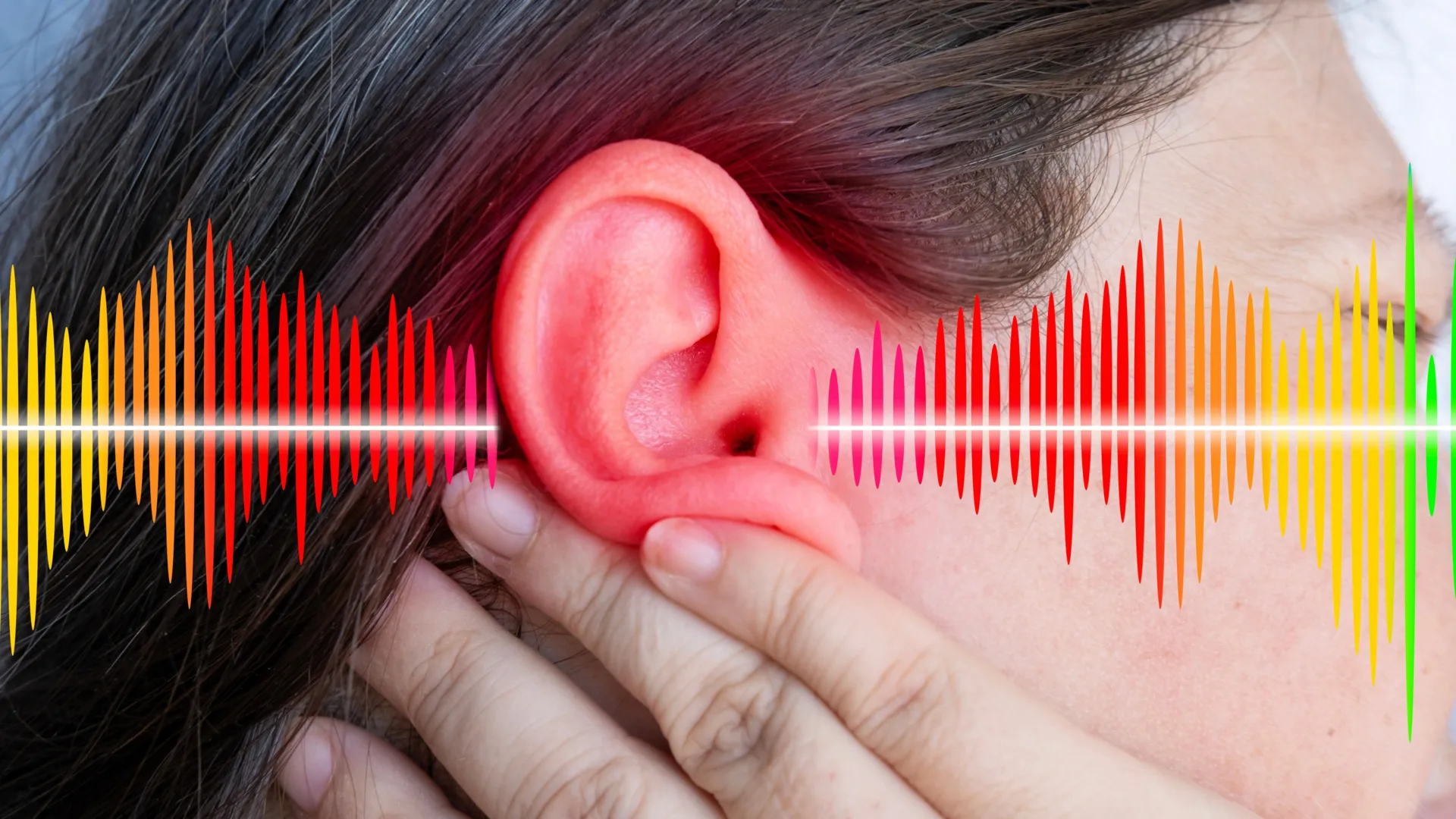
The experimental device, developed by Afferent Medical Solutions, is a compact, handheld unit designed for patient self-administration. It features two small clips that are precisely positioned on the tragus, a small cartilaginous flap located just in front of the ear canal. These clips deliver controlled, gentle electrical stimulation. The non-invasive nature and ease of use are key aspects, potentially making the technology accessible and convenient for widespread patient adoption. The principle behind tAN is to modulate the activity of the vagus nerve and other cranial nerves that have branches extending to the ear and play a role in autonomic control. Stimulation of these auricular branches is theorized to influence the sympathetic and parasympathetic nervous system balance, leading to a reduction in blood pressure.
SCRATCH-HTN Trial: A Rigorous Evaluation
The SCRATCH-HTN trial, funded by the National Institute for Health and Care Research (NIHR), enrolled 63 participants diagnosed with uncontrolled hypertension. All individuals in the study were already receiving at least one prescription medication aimed at lowering their blood pressure, yet their readings consistently exceeded recommended targets. This cohort was specifically chosen to represent a population with a significant unmet medical need, where existing treatments were proving insufficient.
Participants were meticulously divided into two groups through a randomized, double-blind process. One group received active electrical stimulation from the tAN device, while the other group was given a sham device. The sham device was designed to mimic the sensory experience of the active device, including mild sensations, but without delivering any therapeutic electrical current. This blind design is crucial in clinical trials to prevent bias and to accurately assess whether any observed benefits are attributable to the actual stimulation rather than the placebo effect or the act of participating in a treatment regimen.
The treatment protocol involved participants using their assigned devices for 30 minutes daily during the initial two weeks of the study. Following this intensive period, the frequency of use was reduced to once per week for the subsequent 10 weeks, reflecting a practical approach to long-term adherence. Throughout the trial, researchers closely monitored the safety and tolerability of the device. The results indicated that the treatment was indeed safe, with no significant adverse events reported. Furthermore, the majority of participants found the device comfortable to use and adhered to the prescribed usage schedule, underscoring the potential practicality of this technology for regular home-based management of hypertension.
Unpacking the Results: Overall Efficacy and Subgroup Findings
Despite the positive indicators of safety and usability, a comprehensive analysis comparing blood pressure changes across the entire study population revealed no statistically significant difference between the active stimulation group and the sham device group. This outcome, while potentially disappointing at first glance, is not uncommon in early-phase clinical trials, particularly for complex conditions like hypertension where individual responses can vary widely.
However, a critical and potentially game-changing finding emerged when researchers conducted a prespecified subgroup analysis. This analysis had been planned before the data was unblinded, lending significant weight to its conclusions. It focused on participants who entered the trial with more severe hypertension. Within this specific subgroup, those who received active nerve stimulation demonstrated a noticeably greater reduction in blood pressure compared to those who used the sham device. This observation strongly suggests that ear nerve stimulation may be a more effective approach for individuals who have particularly difficult-to-control blood pressure, even when on multiple medications.
Expert Commentary and Future Directions
Dr. Ajay Gupta, Chief Investigator for the SCRATCH-HTN trial, a Clinical Reader at Queen Mary University of London, and a Consultant Physician at Barts Health NHS Trust, expressed optimism about the findings. "This is an exciting, highly patient-acceptable technology that could ultimately provide a cheap, scalable solution for millions," Dr. Gupta stated. "Although the trial did not achieve significance across the broad unselected group, those with more severe hypertension exhibited a clear blood pressure reduction in the active group compared to sham."
He further elaborated on the significance of the study, noting, "As the first and most thorough study of its kind, this points towards important new research directions that could help us understand whether non-invasive neuromodulation can benefit particular groups of patients with uncontrolled hypertension." This highlights the nuanced nature of the results and emphasizes the need for further investigation into patient stratification and personalized treatment approaches.
The Broader Impact on Hypertension Management
High blood pressure, medically termed hypertension, is a pervasive global health issue. It is a primary risk factor for a multitude of cardiovascular diseases, including heart attacks and strokes, and significantly elevates the likelihood of developing kidney disease and other organ damage. The constant strain placed on the heart and blood vessels by elevated pressure can lead to serious, irreversible harm over time.
While pharmacological interventions have revolutionized hypertension management and are effective for a large proportion of patients, a substantial segment of the population continues to struggle with uncontrolled blood pressure. This persistent challenge underscores the urgent need for innovative therapeutic strategies that can complement existing treatments. Ear nerve stimulation, with its non-invasive nature, compact design, and potential for home use, presents itself as a promising candidate to address this unmet need. If future, larger-scale studies can reliably confirm its efficacy in specific patient groups, it could offer a convenient and accessible additional option for managing resistant hypertension.
Moving Forward: The Need for Larger Clinical Trials
The results from the SCRATCH-HTN trial, while encouraging, represent an early stage in the development of this novel treatment. They are considered a vital stepping stone rather than definitive proof of efficacy. The researchers are clear that larger, more extensive clinical trials are indispensable. These future studies will be crucial for confirming the promising observations made in patients with severe hypertension and for precisely identifying which patient populations are most likely to benefit from this form of neuromodulation.
The scientific community will be keenly awaiting further research to elucidate the precise mechanisms by which ear nerve stimulation exerts its effects and to establish optimal treatment parameters. Understanding the genetic and physiological factors that might predict a positive response will also be a key area of focus. Ultimately, the goal is to translate these early findings into a safe, effective, and widely accessible treatment that can significantly improve the lives of individuals living with the burden of uncontrolled high blood pressure. The journey from promising pilot study to widespread clinical adoption is often long and complex, but the SCRATCH-HTN trial has undoubtedly opened an exciting new chapter in the quest for better hypertension management.