

Hearings are set to commence at Australia’s highest judicial body, the High Court, on Tuesday, marking a pivotal moment in the constitutional challenge against the nation’s groundbreaking ban on social media access for children under 16. This two-day legal proceeding represents a significant test for a policy that has positioned Australia at the forefront of global efforts to regulate online platforms and safeguard minors, yet simultaneously sparked intense debate over digital rights and practical implementation.
Background to a World-Leading Policy
The contentious ban, officially introduced last December, forms a central pillar of a broader, ambitious legislative agenda spearheaded by the Australian government to enhance online safety. This initiative reflects a growing international concern over the potential negative impacts of social media on young people’s mental health, development, and exposure to harmful content. Australia, through its proactive eSafety Commissioner, has long been a trailblazer in online safety regulation, and this latest measure underscores a firm commitment to addressing what policymakers perceive as a critical public health issue.
The government’s rationale behind the ban is rooted in the belief that children require greater protection from the unregulated digital environment. Proponents of the legislation argue that it provides a necessary shield against cyberbullying, exposure to explicit or violent material, exploitation, and the psychological pressures associated with constant online engagement. Numerous studies, both domestically and internationally, have highlighted correlations between excessive social media use and increased rates of anxiety, depression, and poor self-esteem among adolescents. For instance, reports from organisations like the Australian Institute of Health and Welfare often point to a rising trend in mental health challenges among young Australians, with screen time and social media frequently cited as contributing factors in qualitative research. The government views the ban as a decisive intervention to mitigate these risks.
However, the policy has not been without its detractors. Critics contend that the ban is an overly blunt instrument, potentially infringing upon children’s rights to freedom of expression and access to information. They argue that a blanket prohibition fails to differentiate between beneficial and harmful online experiences and may stifle opportunities for learning, social connection, and civic engagement that digital platforms can offer. Instead, these groups advocate for more nuanced approaches focusing on improved digital literacy, robust age-appropriate content moderation, and enhanced parental control tools, rather than outright exclusion.
The Constitutional Challenge: Digital Freedom Project and Reddit
The constitutional challenge reaching the High Court was formally lodged by the Digital Freedom Project, an advocacy group led by New South Wales parliamentarian John Ruddick. This legal action was initiated merely weeks before the ban officially came into effect on 10 December last year. The core argument advanced by the Digital Freedom Project centres on the assertion that the ban for under-16s unjustly deprives children of their fundamental right to free communication, a principle often considered implicit within Australia’s democratic framework and international human rights conventions. They posit that while the intent to protect children is laudable, the method employed is disproportionate and constitutionally problematic.
Adding further weight to the legal contest, a separate but related challenge has been launched by the social media giant Reddit. This challenge, which will be jointly heard by the High Court, broadens the scope of the legal debate to include concerns over privacy and political rights. Reddit, like many other platforms, relies on user data and free expression for its operational model. The company has articulated that while it shares Australia’s overarching goal of protecting young people online, it believes there are "better and more effective ways" to achieve this objective than a sweeping age ban.
Adam Collins, Reddit’s chief communications officer, affirmed the company’s commitment to complying with the law while simultaneously pursuing its legal challenge. "As we challenge this law in court, we’ll continue to comply with it and advocate for more effective youth safety measures," Collins stated, highlighting the delicate balance platforms must strike between regulatory compliance and defending their operational models and user base. The company’s argument likely delves into the practical difficulties and potential privacy infringements associated with stringent age verification mechanisms, as well as the implications for open discourse if a significant demographic is excluded from online public forums.
The Plaintiffs and Their Evolving Role
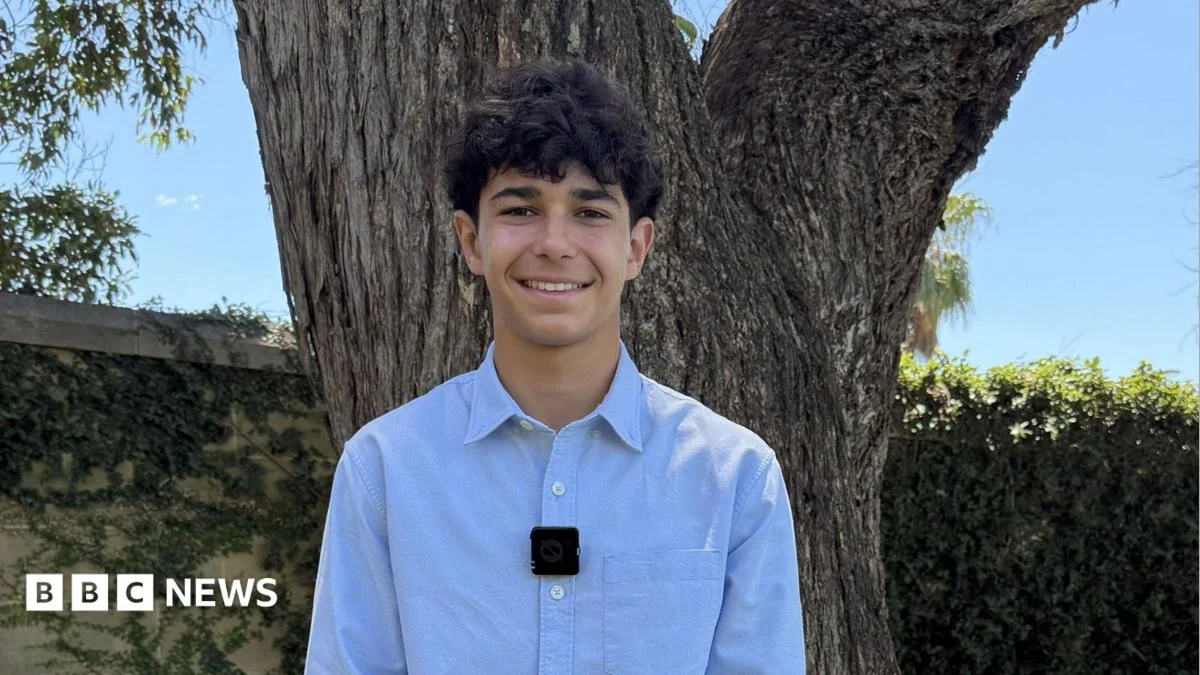
The genesis of the legal challenge saw two teenagers, Noah Jones and Macy Neyland, originally spearheading the case as plaintiffs. Their involvement underscored the argument that young people themselves felt disenfranchised by the ban. However, both Jones and Neyland have since withdrawn as formal plaintiffs from the Digital Freedom Project’s case. Despite this withdrawal, Noah Jones is still expected to attend Tuesday’s hearing, indicating his continued personal investment and belief in the cause.
Speaking about the legal challenge last November, Jones articulated his perspective to the BBC, acknowledging the presence of "bad things online" but firmly asserting that a "blanket ban for under-16s was not the right answer." His concerns focused on the misdirection of resources, stating, "We shouldn’t be using the resources and money of these social media platforms to try to avoid fines from our government. They should be using this money and resources to try to get rid of the predators and harmful content out there." This statement encapsulates a critical argument from critics: that the focus should be on content moderation and enforcement against malicious actors, rather than restricting access for all minors.
Government’s Unwavering Stance
In response to the mounting legal pressure and criticism, the Australian government has maintained an unyielding position. Communications Minister Anika Wells, speaking last year, firmly declared the government’s resolve, stating it would not be "intimidated by legal threats." Her pronouncements have consistently reinforced the government’s commitment to the policy, framing it as a necessary measure to protect Australian children. "We will not be intimidated by big tech. On behalf of Australian parents, we will stand firm," Minister Wells asserted last November, signalling a clear intention to defend the legislation vigorously in court. This strong stance reflects the political capital invested in the online safety agenda and the perceived public support from parents concerned about their children’s digital wellbeing.
Mechanics of the Ban and Potential Penalties
Under the provisions of the ban, a list of ten prominent social media platforms has been specifically identified as subject to the new regulations. These include global giants such as Facebook, Instagram, TikTok, YouTube, Reddit, Snapchat, X (formerly Twitter), Kick, Threads, and Twitch. The legislation mandates that these platforms must take "reasonable steps" to ensure that no individual under the age of 16 can gain access to their respective sites. The phrase "reasonable steps" is crucial, as its interpretation and enforcement will likely be a key point of contention and legal scrutiny. It implies a degree of flexibility but also a clear expectation of proactive measures.
The stakes for non-compliance are substantial. Platforms found in serious or repeated breach of the ban face hefty fines, potentially reaching up to A$99 million (approximately US$70 million or £52 million). This significant penalty underscores the government’s seriousness in enforcing the legislation and aims to serve as a powerful deterrent. Despite the ban having been in effect since December, no company has yet been publicly fined for non-compliance, suggesting either a period of initial adjustment by platforms or a strategic approach by the eSafety Commissioner in monitoring and enforcement before imposing penalties. The "reasonable steps" clause could also be affording platforms a grace period to implement robust age verification technologies.
Global Context and Precedent-Setting Implications
Australia’s social media ban for under-16s is not an isolated phenomenon but rather part of a broader global trend of increased regulatory scrutiny on tech companies. Nations worldwide are grappling with how to balance innovation and digital freedom with public safety, particularly for vulnerable populations like children.
The European Union, for instance, has introduced the Digital Services Act (DSA), which imposes stringent obligations on online platforms regarding content moderation, transparency, and protection of minors. The UK’s Online Safety Act similarly aims to make platforms more accountable for harmful content, with specific duties of care towards children. In the United States, several states have either passed or are considering legislation to restrict minors’ access to social media or impose age verification requirements, though these often face constitutional challenges related to free speech.
What distinguishes Australia’s ban is its direct prohibition based on age, enforced with significant penalties, making it one of the most assertive measures globally. If upheld by the High Court, it could set a powerful precedent, emboldening other nations to adopt similar, more direct legislative interventions. Conversely, if the challenge succeeds, it could force a re-evaluation of regulatory approaches, shifting focus back to content-based restrictions or enhanced digital literacy programs rather than outright age-based bans. The decision in Australia will be closely watched by governments, tech companies, and digital rights advocates worldwide.
Challenges of Age Verification and Enforcement
One of the most significant practical hurdles for the mandated platforms is the implementation of effective and privacy-preserving age verification systems. Accurately determining a user’s age online without collecting excessive personal data or creating barriers to legitimate access is a complex technical and ethical challenge. Current methods, such as self-declaration, are easily circumvented. More robust methods, like ID scanning or facial recognition, raise significant privacy concerns and potential for data breaches.
Platforms like TikTok have experimented with various age verification tools, but none have proven foolproof. The "reasonable steps" clause will likely be interpreted in light of the technological feasibility and industry best practices. Compliance costs for platforms are also considerable, as they must invest heavily in developing and deploying these new systems, potentially leading to a fragmentation of the global internet experience. Furthermore, the ban presents an enforcement dilemma: how will the eSafety Commissioner monitor millions of users across ten global platforms to identify breaches effectively? This logistical challenge underscores the difficulty of regulating the vast and borderless digital realm with national legislation.
Broader Impact and Future Outlook
The High Court’s decision will have far-reaching implications. For children and their families, it will either solidify a new era of online protection or reinforce the need for alternative safety measures. For digital rights advocates, the case is a critical test of freedom of expression in the digital age, particularly for minors. For social media companies, the outcome will shape their operational models, compliance strategies, and potentially influence their presence in the Australian market and beyond.
Beyond the immediate legal outcome, this case highlights the ongoing tension between government intervention for public welfare and the principles of individual autonomy and digital freedom. It underscores the evolving nature of internet governance and the increasing role of national courts in shaping global digital policy. Regardless of the High Court’s verdict, Australia’s bold move has undeniably sparked an essential global conversation about the responsibilities of platforms, the rights of young people, and the appropriate role of government in shaping the digital future. The coming days in the High Court will not just determine the fate of a specific law but could contribute significantly to the jurisprudential landscape of the digital world.