
The hospitality landscape across the Gulf Cooperation Council (GCC) is grappling with a notable deceleration as it enters its traditional peak season, with performance metrics trailing significantly behind the previous year’s record-breaking figures. Industry analysts and hotel operators report that leisure travelers are increasingly adopting a "wait-and-see" approach, delaying bookings until the conclusion of the upcoming U.S. elections. This hesitation, fueled by a combination of geopolitical volatility and high travel costs, has led to a cooling of what was initially expected to be a robust fourth quarter for the region’s tourism hubs, particularly in the United Arab Emirates.
While the final months of the year typically represent the most lucrative period for Gulf hotels due to favorable weather and a high volume of international events, the current climate is defined by caution. Operators indicate that the anticipated surge in reservations for October and November has been tempered by a complex web of external factors, ranging from security concerns regarding regional tensions to the economic pressures of sustained inflation in airfare pricing.
The Intersection of Global Politics and Regional Tourism
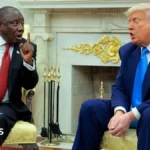
The primary driver of the current market stagnation is the perceived instability surrounding the U.S. electoral cycle and its subsequent impact on Middle Eastern foreign policy. U.S. President Donald Trump has publicly stated that he would not seek to escalate military tensions or launch an offensive against Iran prior to the November 3 vote. This rhetoric has created a temporary window of relative calm, yet it has also inadvertently signaled to the international travel market that the post-election period could bring a shift in regional dynamics.
Security remains a paramount concern for leisure travelers, who are particularly sensitive to headlines regarding regional conflict. Although Iran has not directed any military action toward the UAE since May, the memory of the drone and missile strikes that occurred in March remains fresh in the minds of prospective visitors. The UAE, despite its reputation as a safe haven and a global tourism powerhouse, bore the brunt of those earlier escalations, leading to a lingering fear among international tourists that a new round of hostilities could materialize once the political constraints of the U.S. election are removed.
Saurabh Tiwari, Vice President for the Middle East, Maldives, and Sri Lanka at the Indian Hotels Company Limited (IHCL), which operates the luxury Taj brand, confirmed that the market has not met the optimistic projections set earlier in the year. "Is Q4 as good as what we thought in August? No, it’s not," Tiwari stated. He noted that leisure travelers are meticulously monitoring the political situation, waiting for the results of the U.S. elections before committing to travel plans. This hesitation is compounded by the financial burden of high airfares, which has forced many families and high-net-worth individuals to reconsider their itineraries.
A Chronology of Regional Tensions and Market Sentiment
To understand the current downturn, it is essential to trace the timeline of events that have shaped traveler sentiment over the course of the year. The beginning of the year saw a strong recovery in tourism, with the UAE reporting record-high occupancy rates in January and February. However, the trajectory shifted in March when a series of missile and drone strikes targeted regional infrastructure, causing a sharp, albeit temporary, decline in forward bookings.
By May, a period of relative de-escalation began, and the UAE government intensified its diplomatic efforts to project an image of stability and openness. Throughout the summer months, hotel groups like IHCL and consultancy firms like Cavendish Maxwell remained bullish, forecasting a record-breaking Q4. However, as the U.S. election drew closer, the narrative shifted. The rhetoric emerging from Washington and Tehran became a central focus for travel risk departments in Europe and North America, leading to the current state of paralysis in the leisure segment.
The "election effect" on tourism is a documented phenomenon, but its impact is particularly pronounced in the Middle East due to the region’s geopolitical sensitivity. Historically, periods leading up to major U.S. policy shifts have seen a dip in long-haul travel to the Gulf, as tourists wait to gauge the future of sanctions, military alliances, and travel advisories.
Economic Headwinds: The Role of Airfares and Operating Costs
While geopolitics dominates the headlines, the economic reality of global aviation is a secondary, yet equally potent, factor in the booking slowdown. Airfares to the Gulf have remained stubbornly high, driven by increased fuel costs, limited capacity on certain long-haul routes, and the ongoing supply chain issues affecting aircraft maintenance and delivery.
For a family of four traveling from London or New York to Dubai, the cost of air travel alone can now account for a significant portion of the total vacation budget. When combined with the high Average Daily Rates (ADR) maintained by luxury hotels in the region, the total cost of a Gulf holiday has reached a threshold that is causing even affluent travelers to pause.
Ali Siddiqui, a research manager at the consultancy firm Cavendish Maxwell, has been closely monitoring visitor numbers in Dubai. While the city remains a top-tier destination, the pace of growth is no longer matching the aggressive targets set by the Department of Economy and Tourism (DET). The luxury segment, in particular, is feeling the pinch as travelers opt for shorter stays or pivot toward destinations perceived as having lower geopolitical risk and more competitive pricing.
Diversification and the Shift Toward Rural Tourism
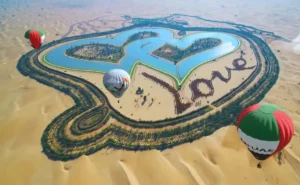
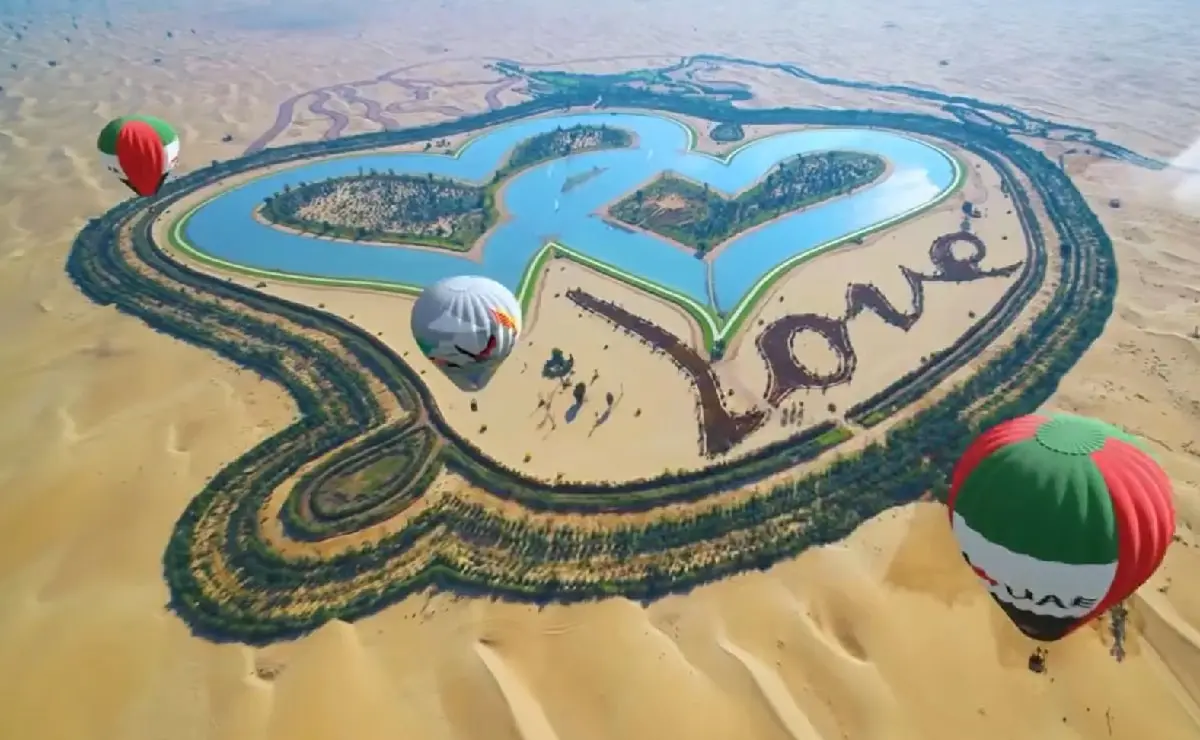
In response to the fluctuations in traditional urban tourism, the UAE has been aggressively promoting its "Rural Tourism" initiatives. This strategy aims to showcase the country’s natural landscapes, such as the Al Qudra Love Lake and the mountainous regions of Hatta, to provide a more diverse and resilient tourism product. By moving beyond the glitz and glamour of skyscrapers and luxury malls, the UAE hopes to attract a different demographic of traveler—one focused on wellness, nature, and sustainable experiences.
The image of Dubai’s Love Lake in Al Qudra serves as a testament to this shift. These areas offer a tranquil alternative to the bustling city centers and are often seen as "safer" or more "isolated" from the geopolitical tensions that might affect major urban hubs. This diversification is not just a marketing tactic but a structural necessity. By broadening the appeal of the destination, the UAE can mitigate the impact of downturns in any single market segment.
Industry Reactions and the Path to 2025
The reaction from the hospitality sector has been one of pragmatic adjustment. Major hotel chains are revamping their marketing strategies, offering more flexible cancellation policies to encourage hesitant travelers to book. There is also an increased focus on the "staycation" market and regional travel within the GCC, which tends to be less affected by U.S. political cycles than international long-haul tourism.
Analysts suggest that while Q4 2024 may not reach the heights of the previous year, the long-term outlook remains positive. The Gulf remains a central node in global trade and travel, and the infrastructure investments made over the last decade provide a solid foundation for recovery. The consensus among experts like those at Cavendish Maxwell is that once the U.S. election is decided and the immediate geopolitical "unknowns" are addressed, there will likely be a surge in "revenge bookings" for the first quarter of 2025.
However, the current situation serves as a stark reminder of the vulnerability of the tourism sector to external shocks. For hotel operators, the lesson of 2024 is the importance of agility. Whether it is adjusting pricing strategies to account for high airfares or pivoting to new markets in Asia and Eastern Europe to offset a decline in Western visitors, the ability to adapt to a rapidly changing global landscape is now a prerequisite for success in the Gulf hospitality market.
Analysis of Broader Implications
The slowdown in the Gulf’s peak season has broader implications for the region’s economic diversification goals. Countries like the UAE and Saudi Arabia have placed tourism at the heart of their post-oil strategies. Any sustained dip in visitor numbers could impact the timelines for major infrastructure projects and the profitability of state-backed hospitality ventures.
Furthermore, the situation highlights the delicate balance the UAE must maintain between its role as a global business hub and its position in a volatile geographic region. The "wait-and-watch" attitude of travelers is a signal to policymakers that perceived security is just as important as physical security. Maintaining the image of the Gulf as a stable, neutral, and welcoming environment will be crucial for navigating the post-election landscape.
In conclusion, while the Gulf hotels are currently navigating a challenging peak season characterized by lower-than-expected bookings and high traveler anxiety, the region’s fundamental appeal remains intact. The coming months will be a critical period for the industry as it monitors the fallout of the U.S. elections and works to restore confidence among international leisure travelers. Through diversification, strategic pricing, and a continued focus on safety, the Gulf hospitality sector aims to weather the current political storm and emerge stronger in the new year.