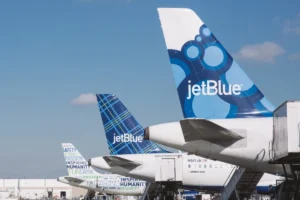


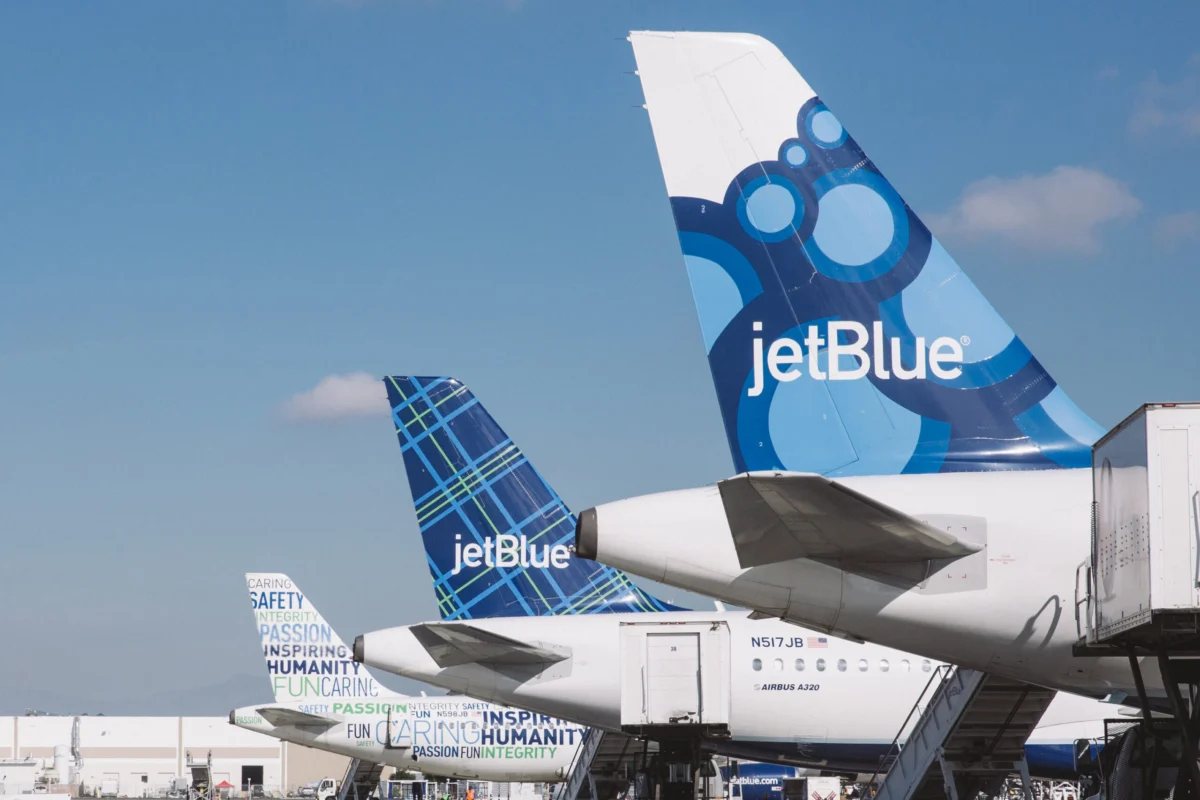
JetBlue Airways has officially announced its second baggage fee increase of 2026, marking a significant shift in the low-cost carrier’s pricing strategy as it grapples with the economic pressures of soaring fuel prices and a volatile global aviation market. Effective immediately for travel booked after the announcement, the New York-based airline has adjusted its fee structure for checked luggage, creating a tiered system that penalizes last-minute check-ins and travel during high-demand periods. This move makes JetBlue the first major U.S. carrier to implement two separate baggage fee hikes within a single calendar year, a decision that industry analysts suggest could signal a broader trend of aggressive ancillary revenue collection across the domestic airline sector.
Under the newly updated pricing schedule, travelers flying in economy class will now pay $50 for their first checked bag if the service is purchased more than 24 hours prior to the scheduled departure time. This represents a $5 increase from the previous rate of $45. For passengers who wait until the 24-hour window before departure to check a bag—typically during the online check-in process or at the airport kiosk—the fee has jumped to $60. The airline has also intensified its "peak period" pricing model. During high-traffic windows, such as holidays and summer travel months, a bag checked more than 24 hours in advance will now cost $55, up from $49. The most expensive tier, covering bags checked within 24 hours of departure during these peak times, has reached a record high of $70 per bag.
The Economic Drivers Behind the Increase
The primary catalyst for this mid-quarter price adjustment is the sustained surge in jet fuel costs. Throughout the latter half of 2026, global oil markets have remained volatile, driven by geopolitical tensions in energy-producing regions and a tighter-than-expected supply of refined aviation kerosene. For an airline like JetBlue, which operates an extensive network across the high-cost Northeast corridor and the Caribbean, fuel remains the largest and most unpredictable operating expense.
Industry data suggests that for every cent increase in the price of a gallon of jet fuel, major airlines face millions of dollars in additional annual expenses. In 2026, the industry has seen the "crack spread"—the difference between the price of crude oil and the refined products produced from it—widen significantly. This has left airlines with little choice but to find alternative revenue streams to offset the erosion of their profit margins. While ticket prices have remained relatively stable due to intense competition on popular routes, "unbundled" fees for services like baggage, seat selection, and priority boarding have become the primary tools for fiscal stabilization.
A Year of Rapid Pricing Shifts: The 2026 Timeline
The November 3rd announcement is the culmination of a year-long effort by JetBlue to recalibrate its financial health. The airline began 2026 with a standard first-bag fee of $35 to $40, which was common across the industry at the end of 2025. However, as the fiscal year progressed, the airline’s leadership team, led by CEO Joanna Geraghty, initiated a series of aggressive cost-cutting and revenue-generating measures known internally as the "JetForward" initiative.
- January 2026: JetBlue, following a trend set by other major carriers, raised its initial checked bag fee to $45 for advanced bookings and $50 for last-minute check-ins.
- June 2026: The airline refined its peak pricing windows, expanding the definition of "peak travel" to include more weekends and shoulder-season dates.
- November 2026: The current hike is implemented, pushing the baseline fee to $50 and the peak last-minute fee to $70.
This rapid succession of increases reflects the urgency within JetBlue’s corporate headquarters to return to consistent profitability. Following the termination of its proposed merger with Spirit Airlines and the dissolution of its Northeast Alliance with American Airlines, JetBlue has been forced to navigate a standalone path that emphasizes premium leisure travel and high-yield routes.

Comparative Analysis of Ancillary Revenue
Ancillary revenue—income generated from non-ticket sources—has become the lifeblood of the modern aviation industry. According to data from the Bureau of Transportation Statistics (BTS), U.S. airlines collected over $7 billion in baggage fees alone in the previous fiscal year. JetBlue’s latest move is expected to contribute significantly to its own ancillary revenue targets, which the company hopes will reach record levels by the end of the 2026-2027 fiscal cycle.
When compared to its peers, JetBlue’s new $50 baseline puts it at the top end of the market. Traditionally, "The Big Three"—American Airlines, Delta Air Lines, and United Airlines—have moved in lockstep regarding fee structures. Earlier in 2026, these carriers also raised their bag fees to the $40-$45 range. JetBlue’s decision to move to $50 creates a price gap that industry observers believe will soon be closed by its competitors.
"Historically, when one major carrier tests the ceiling of what consumers are willing to pay for baggage, the rest of the industry follows within weeks," says aviation economist Marcus Thorne. "JetBlue is acting as the ‘stalking horse’ in this scenario. If they do not see a significant drop in passenger load factors or an overwhelming backlash, American and United will likely match the $50 price point before the winter holiday season begins."
Impact on Passenger Behavior and Airport Operations
The increase in checked bag fees is anticipated to have a secondary effect on airport operations: an increase in carry-on luggage. As passengers seek to avoid the $50 to $70 charges, more travelers are expected to rely on overhead bin space. This shift often leads to slower boarding processes, increased gate-checking of bags (which is currently free on many JetBlue fares if the bins are full), and heightened tensions between passengers and gate agents.
To combat this, JetBlue has been retrofitting its fleet of Airbus A320 and A321 aircraft with "Airspace XL" bins, which allow bags to be stored on their sides, significantly increasing capacity. However, even with larger bins, the incentive to avoid a $70 fee is likely to push the limits of cabin storage. The airline has also been more stringent in enforcing size restrictions for "Blue Basic" fares, which typically do not include a carry-on bag, further nudging passengers toward higher-tier fares that include more amenities.
Official Responses and Strategic Outlook
While JetBlue has not issued a formal press release regarding the specific November 3rd hike, a spokesperson for the airline redirected inquiries to the company’s updated fee schedule on its website. In previous statements regarding price adjustments, the airline has emphasized that increasing fees allows them to keep base fares lower for budget-conscious travelers.
"JetBlue is committed to providing a high-quality travel experience while managing the significant inflationary pressures facing the entire transportation sector," the airline noted in a general statement earlier this year. "By adjusting fees for optional services, we can continue to invest in our award-winning onboard product, including free high-speed Wi-Fi and seatback entertainment, while maintaining a competitive fare structure."

Consumer advocacy groups have been quick to criticize the move. The National Passengers Rights Association issued a brief statement noting that "The doubling of fee increases in a single year represents a concerning trend of price gouging under the guise of fuel volatility. Travelers are being asked to pay more for less, while the transparency of the total cost of a flight continues to diminish."
The Broader Implications for the Travel Industry
The JetBlue fee hike serves as a bellwether for the travel industry at large. As airlines face the dual challenges of decarbonization—requiring massive investments in Sustainable Aviation Fuel (SAF) and new aircraft technology—and immediate operational cost increases, the era of "ultra-low-cost" travel appears to be evolving.
Furthermore, this move highlights the growing importance of airline credit cards and loyalty programs. JetBlue, like many of its competitors, waives the first checked bag fee for holders of its co-branded credit cards and for members with "Mosaic" elite status. By raising the "sticker price" of a checked bag to $50 or $60, the airline increases the perceived value of its loyalty program, encouraging more travelers to sign up for high-interest credit products to avoid the fees.
As the industry moves into the busy 2026 holiday season, all eyes will be on the Department of Transportation (DOT). Under current regulations, airlines are required to be transparent about fees at the time of booking, but there are ongoing legislative discussions regarding the "junk fee" crackdown initiated by the federal government. Whether baggage fees fall under the definition of "junk fees" or are considered a legitimate service charge remains a point of contention between the airline lobby and consumer protection agencies.
For now, travelers flying JetBlue must prepare for a more expensive journey. The $50 baseline for a checked bag is the new reality, a figure that reflects the complex intersection of global energy markets, corporate restructuring, and the evolving economics of flight in the mid-2020s. Whether this move helps JetBlue achieve the financial stability it seeks, or drives passengers toward competitors with more traditional pricing models, will be the defining story of the airline’s 2027 fiscal performance.