

On September 17, a routine transatlantic crossing operated by KLM Royal Dutch Airlines was transformed into an emergency situation when a portable power bank caught fire in the cabin, forcing the wide-body aircraft to abandon its route to the Caribbean and return to Amsterdam. The incident, involving a Boeing 777-200ER, has since garnered international attention not only for the immediate danger it posed to the flight but also due to reports linking the device to a prominent former executive of the airline. As the Dutch Safety Board (OVV) launches a formal investigation into the matter, the event serves as a stark reminder of the volatile nature of lithium-ion batteries and the significant operational disruptions that a single pocket-sized device can trigger in the high-stakes environment of commercial aviation.
The Mid-Atlantic Emergency
KLM Flight 735 departed from Amsterdam Airport Schiphol (AMS) on the afternoon of September 17, scheduled for a nearly ten-hour journey to Hato International Airport (CUR) in Curaçao. The aircraft was carrying hundreds of passengers and a full crew complement. While the initial stages of the flight proceeded without incident, the situation changed rapidly as the jet reached the Atlantic airspace.
Cabin crew were alerted to smoke and flames emanating from a passenger’s portable charger, commonly known as a power bank. In the confined environment of a pressurized cabin, even a small fire presents an immediate and existential threat. The crew acted according to established safety protocols, utilizing specialized fire extinguishing equipment designed to manage lithium-ion battery fires. While the flames were successfully suppressed, the decision-making process for the flight deck became paramount.
Given the potential for "thermal runaway"—a phenomenon where a battery cell enters an uncontrollable, self-heating state that can lead to re-ignition—the captain elected to abort the mission to Curaçao. Following standard emergency procedures for on-board fires that are extinguished but remain a potential risk, the aircraft performed a U-turn over the Atlantic Ocean and headed back to the Netherlands.
The High-Profile Connection: Camiel Eurlings
In the days following the emergency landing, the incident took an unexpected turn when Dutch media outlets, including the prominent news organization De Telegraaf, reported that the device responsible for the fire allegedly belonged to Camiel Eurlings. Eurlings is a well-known figure in Dutch public life, having served as the Netherlands’ Minister of Transport, Public Works, and Water Management before becoming the CEO of KLM from 2013 to 2014.
The involvement of a former chief executive added a layer of irony and public interest to the story. KLM has maintained a strict policy regarding passenger privacy, declining to confirm or deny the identity of the individual involved. Similarly, Eurlings has not provided a public statement regarding the allegations. Regardless of the owner’s identity, the focus of aviation safety experts remains on the technical and procedural failures that allowed a hazardous device to threaten the safety of a long-haul flight.
Chronology of Flight 735 and Its Aftermath
The timeline of the incident illustrates the rapid escalation and the long-tail consequences of an in-flight fire.
- September 17, Afternoon: KLM Flight 735 departs Amsterdam Schiphol for Curaçao.
- September 17, Mid-Flight: A portable charger catches fire in the passenger cabin. Crew members deploy extinguishers and contain the device. One individual sustains minor injuries during the incident.
- September 17, Evening: The Boeing 777 lands safely back at Schiphol. Emergency services meet the aircraft on the tarmac. Passengers are deplaned, and the aircraft is grounded for a thorough safety inspection.
- September 18: KLM is forced to cancel the rescheduled flight and manage the logistics of accommodating hundreds of stranded passengers. Overnight hotel stays and rebooking efforts are initiated.
- September 20: Following a comprehensive inspection and cleaning of the cabin to remove chemical residues from the fire extinguishers, the aircraft is cleared to return to commercial service.
- November 4: The Dutch Safety Board (Onderzoeksraad voor Veiligheid) officially opens an independent investigation into the fire to determine the root cause and evaluate the effectiveness of the response.
The Science of Thermal Runaway in Aviation
To understand why a small charger can turn around a 300-ton aircraft, one must look at the chemistry of lithium-ion batteries. These batteries power nearly every modern portable electronic device (PED), from smartphones to laptops. However, they contain a flammable liquid electrolyte.
Thermal runaway occurs when a battery cell is damaged, overcharged, or suffers from a manufacturing defect. This leads to an internal short circuit that generates heat. This heat, in turn, triggers adjacent cells to fail, creating a domino effect that releases toxic smoke and intense heat that can exceed 1,000 degrees Fahrenheit (538 degrees Celsius).
In the case of Flight 735, the crew’s ability to extinguish the initial flames was critical. However, aviation protocols often dictate a return to land because lithium fires are notoriously difficult to fully "kill." Even after the visible fire is out, the battery can continue to off-gas or re-ignite minutes or even hours later if the internal temperature is not sufficiently lowered.
Statistical Context: A Rising Trend in Battery Incidents
The KLM incident is not an isolated occurrence but rather part of a documented increase in battery-related safety events in the aviation industry. Data from the Federal Aviation Administration (FAA) in the United States highlights the scale of the problem. As of late 2023, the FAA has recorded over 500 verified incidents of lithium battery smoke, fire, or extreme heat on aircraft since 2006.
In 2023 alone, the frequency of these incidents has averaged more than one per week globally. The rise is directly correlated with the proliferation of high-capacity power banks. Many of these devices are manufactured with low-quality components or lack the sophisticated Battery Management Systems (BMS) found in premium smartphones, making them more susceptible to failure.
Furthermore, the design of modern business class and economy seats creates a specific hazard: "crushed battery" incidents. If a phone or power bank slips into the mechanism of a reclining seat, the powerful motors can crush the device, instantly triggering thermal runaway.
Aviation Safety Protocols and Crew Response
The safe conclusion of KLM Flight 735 is a testament to the rigorous training of cabin crews. International Civil Aviation Organization (ICAO) standards require flight attendants to be trained specifically in the handling of PED fires.
Current protocols involve:
- Extinguishing: Using water or a non-flammable liquid to cool the battery and stop the thermal runaway. (Contrary to common belief, water is effective for cooling these specific fires, though Halon extinguishers are used for the initial knock-down of flames).
- Containment: Once cooled, the device is often placed in a "Lithium-Ion Battery Fire Containment Bag." These bags are made of high-temperature-resistant materials designed to withstand an explosion and contain toxic fumes.
- Communication: Immediate notification of the flight deck to assess the need for an emergency diversion or return to base.
In the KLM case, the crew’s adherence to these steps prevented the fire from spreading to the aircraft’s upholstery or structural components, which could have had catastrophic results.
Operational Impact and Financial Consequences
The financial repercussions of a mid-Atlantic turn-back are substantial. For an airline, an incident like Flight 735 involves several layers of cost:
- Fuel Burn: Dumping or burning off fuel to reach a safe landing weight, combined with the cost of the aborted flight hours.
- Passenger Care: Under European regulation EC 261/2004, airlines are responsible for the care of passengers, including meals and hotel accommodations, even if the cause is a third-party device, though the "extraordinary circumstances" clause may limit direct compensation claims.
- Opportunity Cost: The Boeing 777 was out of service for three days. In the highly optimized world of airline scheduling, the loss of a wide-body jet for 72 hours causes a ripple effect of cancellations across the network.
- Maintenance: The cost of inspecting the aircraft for heat damage and the deep cleaning required to remove fire-suppressant chemicals.
Estimates for such diversions often range from $100,000 to $500,000 depending on the aircraft type and the duration of the grounding.
The Dutch Safety Board Investigation
The Dutch Safety Board’s decision to open an investigation on November 4 indicates that the authorities view this as more than a routine passenger mishap. The OVV typically investigates incidents that provide an opportunity to improve systemic safety.
The investigation is expected to look into:
- The specific make and model of the power bank to check for known manufacturing defects or recalls.
- Whether the device was being used or charged at the time of the fire.
- The effectiveness of the cabin crew’s response and the equipment available on board.
- The decision-making process that led to the return to Amsterdam rather than a diversion to a closer airport (such as in the Azores or Ireland).
The findings of this report will likely be shared with international aviation bodies to help refine future safety recommendations.
Industry Implications and Future Preventative Measures
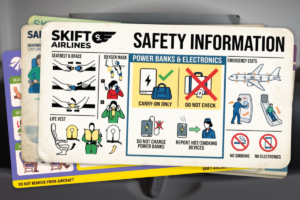
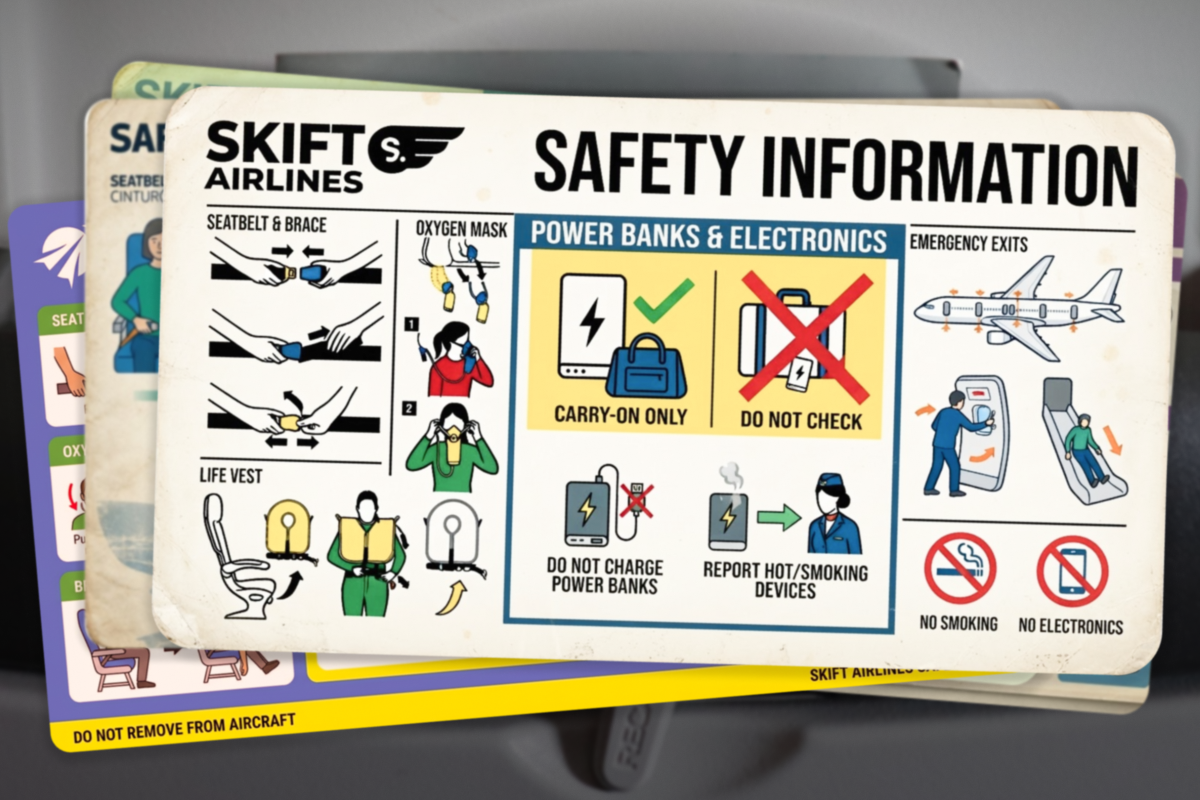
The KLM incident underscores a growing debate within the aviation industry regarding the carriage of large lithium-ion batteries. While current regulations allow power banks in carry-on luggage (where they can be accessed if they catch fire) but ban them in checked luggage (where a fire would be undetected), some safety advocates are calling for stricter limits on the capacity (Wh) of batteries allowed on board.
Airlines are also increasingly investing in advanced containment solutions. Some carriers have begun equipping every aircraft in their fleet with specialized fire bags at every seat row. Additionally, there is a push for better passenger education, reminding travelers to notify crew immediately if a device becomes unusually hot or if it falls into a seat mechanism.
As the investigation into KLM Flight 735 continues, the aviation world remains watchful. The incident serves as a definitive case study in how a minor consumer electronic item can challenge the safety of one of the world’s most sophisticated transport machines. The primary takeaway remains clear: in the modern cabin, the greatest fire risk is no longer in the engines or the galley, but in the pockets and bags of the passengers themselves.