

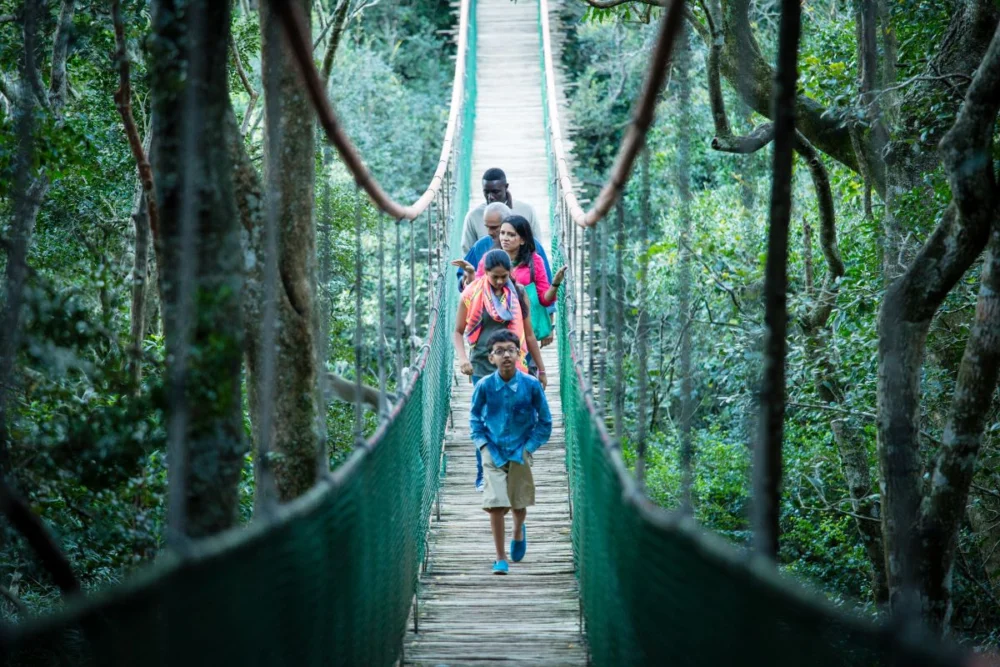
South African Tourism has officially set an ambitious target to welcome 100,000 Indian visitors by the end of the current calendar year, marking a concerted effort to return to the arrival figures recorded prior to the global disruptions of the COVID-19 pandemic. This strategic objective comes at a critical juncture for the national tourism board, as recent data indicates a cooling period in what was previously a rapidly recovering market. In 2023, Indian arrivals to South Africa reached approximately 79,000, signaling a strong upward trajectory; however, this momentum stalled in 2024, with figures slipping to 69,700. The current push to bridge the 30,000-visitor gap represents not only a marketing challenge but a broader structural initiative to address connectivity, geopolitical sensitivities, and the evolving preferences of the Indian outbound traveler.
The dip in performance observed over the last twelve months has been attributed to a complex interplay of global and regional factors. Mitalee Karmarkar, Marketing and Communications Manager for South African Tourism, acknowledged the recent decline while expressing optimism for a medium-term recovery. Speaking on the current state of the market, Karmarkar noted that while the organization is striving to better its previous performance in the immediate term, the year 2026 is being eyed as the definitive period for a full-scale resurgence. The organization identifies global uncertainty—driven by geopolitical instability, the rising cost of aviation fuel leading to more expensive airfares, and historical regional tensions—as the primary catalysts for the recent slowdown in travel demand from the Indian subcontinent.
Historical Context and the Post-Pandemic Recovery Timeline
To understand the significance of the 100,000-visitor target, it is essential to examine the historical relationship between South Africa and the Indian travel market. India has long been a top-tier source market for South Africa, fueled by deep-rooted cultural ties, a significant Indian diaspora within South Africa, and a mutual membership in the BRICS economic bloc.
Prior to 2020, South Africa enjoyed consistent growth from India, with travelers drawn to the country’s unique blend of adventure tourism, wildlife experiences, and luxury lifestyle offerings. When the pandemic hit in early 2020, international travel ground to a halt. The recovery phase began in earnest in late 2021 and throughout 2022, as South Africa removed remaining health restrictions. By 2023, the market showed remarkable resilience, climbing to 79,000 arrivals. The subsequent drop to 69,700 in 2024 served as a wake-up call for tourism officials, highlighting that the "revenge travel" wave had subsided and was being replaced by a more cautious, price-sensitive consumer environment.
The timeline for recovery is now being restructured. While 2024 is a year of stabilization and targeted interventions, 2025 is expected to serve as the launchpad for the 2026 goal of surpassing pre-pandemic peaks. This timeline aligns with South Africa’s broader "Tourism Sector Recovery Plan," which emphasizes diversifying source markets and strengthening bilateral tourism ties with high-growth economies like India.
Addressing the Connectivity Gap: The Australian Precedent
One of the most significant hurdles facing South African Tourism is the lack of direct air connectivity between major Indian hubs, such as Delhi and Mumbai, and South African gateways like Johannesburg and Cape Town. Currently, most travelers from India must transit through Middle Eastern hubs—such as Dubai, Doha, or Abu Dhabi—or via Addis Ababa. While these carriers offer world-class service, the lack of a non-stop flight adds significant travel time and can increase costs, making South Africa less competitive compared to destinations with direct access.
South African Tourism is looking closely at the success of other long-haul destinations to justify the push for direct flights. Australia serves as a primary case study in this regard. In early 2024, Australia saw a temporary dip in Indian arrivals due to similar global economic pressures. However, following the introduction and expansion of direct flight paths by carriers like Air India and Qantas, the market saw an immediate and sustained surge.
"Australia was down on its arrivals in 2024. In 2025, they got a direct airline and they moved," Karmarkar explained, highlighting the direct correlation between ease of access and arrival volume. South African officials are reportedly in ongoing discussions with both South African Airways (SAA) and various Indian carriers to explore the feasibility of reinstating direct routes that were suspended years ago. The return of a direct flight is viewed as the "silver bullet" that could instantly unlock the 100,000-visitor milestone by catering to the lucrative corporate MICE (Meetings, Incentives, Conferences, and Exhibitions) segment and high-net-worth leisure travelers who prioritize time-efficiency.
Strategic Pillars for Market Growth
To achieve its 2024 and 2026 targets, South African Tourism has identified three key areas for immediate improvement and investment. Beyond air connectivity, the organization is focusing on visa facilitation and targeted niche marketing.
1. Streamlining Visa Processes
For several years, the Indian travel trade has expressed concerns regarding the efficiency of the South African visa application process. While the introduction of the e-visa system was intended to simplify entry, technical hurdles and processing delays have occasionally deterred potential tourists. South African Tourism is working closely with the Department of Home Affairs to ensure that the e-visa platform is robust, user-friendly, and capable of handling high volumes during peak Indian travel seasons, such as the summer holidays in May and the Diwali period in October/November.
2. Diversifying the Product Offering
The Indian traveler is no longer a monolithic entity seeking only standard sightseeing tours. There is a growing demand for "experiential travel." South African Tourism is pivoting its marketing strategy to highlight niche segments:
- The Adventure Enthusiast: Promoting world-class bungee jumping, shark cage diving, and trekking.
- The Luxury Seeker: Showcasing high-end safari lodges in the Kruger National Park and the luxury rail experiences of the Blue Train.
- The MICE Segment: Positioning Cape Town and Johannesburg as premier destinations for Indian corporate retreats and large-scale incentive groups.
- Wedding Tourism: Capitalizing on the trend of "destination weddings" by promoting the scenic vineyards of the Western Cape.
3. Strengthening Trade Partnerships
Recognizing that a significant portion of Indian outbound travel is still booked through traditional travel agents and tour operators, South African Tourism has intensified its "Learn South Africa" training programs. By educating thousands of Indian travel agents on the safety, diversity, and value-for-money aspects of the destination, the board aims to ensure that South Africa remains a top-of-mind recommendation for frontline sellers.
Economic Implications and the Global Landscape
The push for 100,000 Indian visitors is not merely a matter of prestige; it is an economic necessity. The tourism sector is a vital pillar of the South African economy, contributing significantly to GDP and job creation. Indian tourists are particularly valued because they tend to be "high-value" visitors—staying longer and spending more per capita than travelers from many other regions. Their preference for multi-city itineraries means that their economic impact is distributed across various provinces, from the urban landscape of Gauteng to the coastal beauty of KwaZulu-Natal.
However, South Africa faces stiff competition. Other destinations, including Thailand, Vietnam, and several Eastern European nations, have introduced visa-free entry or highly aggressive marketing campaigns targeting Indian travelers. Furthermore, the volatility of the South African Rand against the Indian Rupee plays a role in consumer decision-making. While the Rand has remained relatively competitive, making South Africa an affordable luxury destination, any significant fluctuation can impact the "value for money" perception that currently attracts middle-class Indian families.
Geopolitical Headwinds and Market Resilience
The mention of geopolitical issues by tourism officials underscores the sensitivity of the global travel market to external shocks. The ongoing conflicts in Europe and the Middle East have not only affected flight paths and fuel prices but have also created a general sense of caution among international travelers. Specifically, the mention of historical tensions between India and Pakistan as a factor in travel slowdowns highlights how regional stability in South Asia can unexpectedly influence outbound tourism patterns to distant continents.
Despite these challenges, the resilience of the Indian market remains a point of confidence for South African officials. The burgeoning Indian middle class, with its increasing discretionary income and a growing "passport culture," represents a demographic goldmine. As global conditions stabilize, the inherent appeal of South Africa—its "Rainbow Nation" heritage, shared history involving figures like Mahatma Gandhi, and its status as a premier wildlife destination—is expected to reassert itself.
Conclusion: The Road to 2026
The road to 100,000 visitors is paved with both logistical hurdles and significant opportunities. South African Tourism’s admission of the recent dip in arrivals reflects a transparent and data-driven approach to destination management. By identifying direct air connectivity as the primary lever for growth and benchmarking their strategy against successful models like Australia, the organization is moving beyond traditional marketing toward structural advocacy.
As 2024 progresses, the industry will be watching closely to see if the proposed interventions in visa processing and airline negotiations bear fruit. While the 100,000-visitor goal for this year is ambitious, it serves as a vital stepping stone toward the 2026 objective of total market recovery. For South Africa, the Indian traveler is not just a statistic; they are a key partner in the country’s post-pandemic economic narrative, representing a bridge between two nations with a shared past and a mutually beneficial future in the global tourism economy.