

Iran expresses confidence in restoring the critical Strait of Hormuz to its prewar operational status within a month of a potential peace agreement with the United States. This optimistic outlook, relayed via Iranian state television, stands in stark contrast to the guarded skepticism observed in prediction markets, where traders assign a significantly lower probability to such a rapid return to normalcy. On the Kalshi platform, a mere 38% chance is attributed to traffic flows through the Strait reverting to predefined normal levels by July 1, 2026. This market sentiment underscores the deep-seated uncertainty surrounding U.S.-Iran relations and the practical complexities of de-escalating maritime tensions in one of the world’s most vital energy chokepoints.
The Strategic Imperative of the Strait of Hormuz
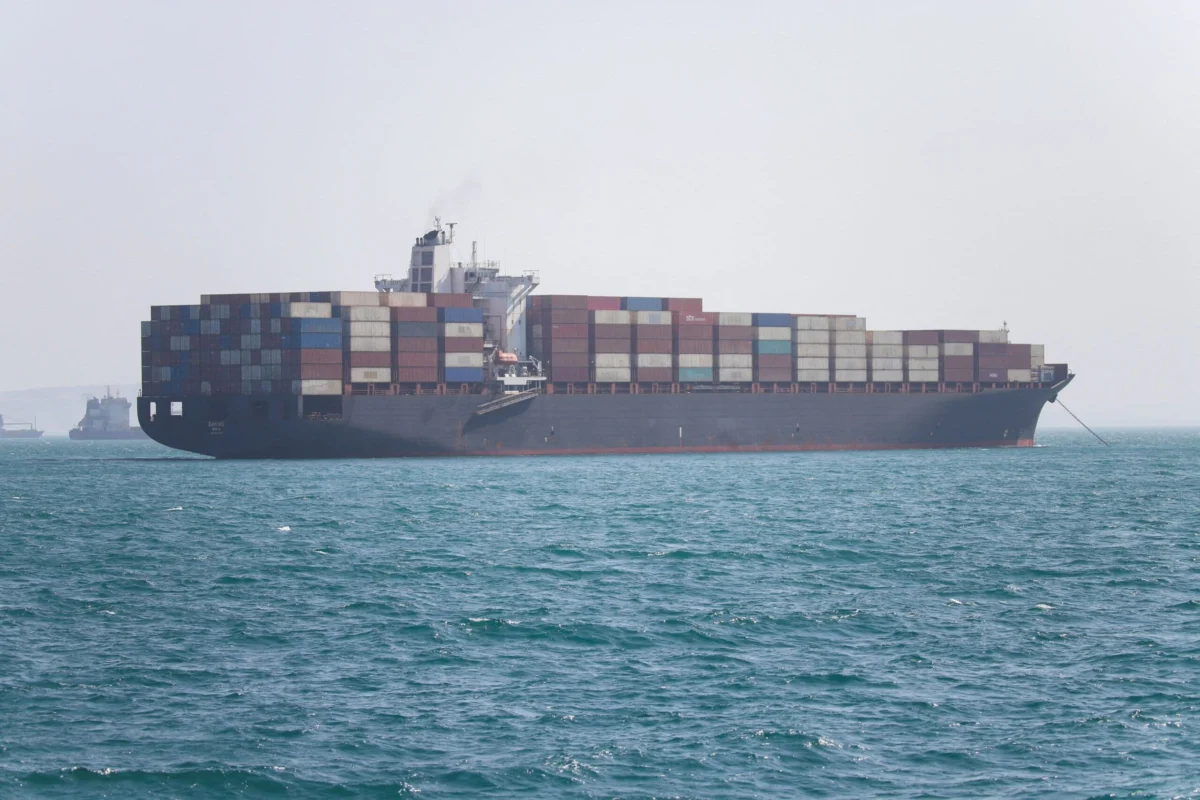
The Strait of Hormuz, a narrow waterway connecting the Persian Gulf to the open ocean, is undeniably one of the most critical maritime passages globally. Approximately one-fifth of the world’s total petroleum consumption, and roughly a third of all seaborne traded oil, traverses this 39-kilometer-wide passage daily. This includes crude oil, refined petroleum products, and liquefied natural gas (LNG) from major producers like Saudi Arabia, Iran, the UAE, Kuwait, and Iraq, destined for markets across Asia, Europe, and North America. Any disruption, however minor, sends immediate ripples through global energy markets, leading to price spikes, increased shipping insurance premiums, and widespread economic anxiety. The concept of "prewar status" implies a period of significant operational disruption, heightened security risks, or even direct conflict that has impacted the free flow of commerce, making the prospect of its rapid restoration a matter of intense international interest.
Defining "Normal Flows": The IMF PortWatch Metric
The prediction market contract on Kalshi specifically defines "normal flows" as the seven-day moving average of transit through the Strait crossing a threshold of 60, based on data provided by IMF PortWatch. IMF PortWatch is an initiative by the International Monetary Fund that tracks maritime traffic data, offering insights into global trade flows and potential disruptions. While the exact methodology and units for the "60" threshold are proprietary to the platform’s interpretation of IMF data, it generally correlates with a specific volume or frequency of vessel transits indicative of unimpeded commercial activity. A decline below this threshold would signify reduced shipping, likely due to increased security concerns, rerouting efforts, or actual blockades, reflecting a state of "war" or severe tension. The market’s skepticism suggests that even with a peace deal, traders anticipate lingering logistical challenges, security apprehensions, or a gradual re-establishment of trust before such a benchmark is consistently met.
Iranian Assertions and White House Denials
The current surge in market activity and the shifting probabilities follow reports from Iranian state television, which claimed the existence of a draft framework for a memorandum of understanding (MOU) with the United States. According to these reports, the draft MOU explicitly detailed the expectation of a one-month timeline for the Strait of Hormuz to return to its prewar status following a peace deal. This claim, if true, would represent a significant diplomatic breakthrough and a tangible step towards de-escalation. However, the White House swiftly and emphatically denied the existence of any such framework agreement with Iran, casting a shadow of doubt over the Iranian reports and highlighting the persistent chasm between the two nations’ diplomatic narratives. The conflicting statements underscore the fragility of any perceived progress and the deep mistrust that characterizes U.S.-Iran relations, contributing directly to the market’s cautious stance.
A Chronology of Heightened Tensions and Disruptions
The backdrop to these recent developments is a protracted period of escalating tensions between the United States and Iran, punctuated by numerous incidents in and around the Strait of Hormuz.
- 2018: The U.S. withdrew from the Joint Comprehensive Plan of Action (JCPOA), the multilateral nuclear agreement with Iran, and reimposed crippling sanctions, significantly ratcheting up economic pressure on Tehran.
- 2019: A series of attacks on oil tankers in the Gulf of Oman and near the Strait of Hormuz, widely attributed to Iran, prompted international alarm and heightened maritime security alerts. Iran also seized several foreign-flagged vessels. These events demonstrated Iran’s capability and willingness to disrupt shipping as a response to sanctions.
- 2020-2025: While no open "war" was declared, the period saw intermittent clashes, naval confrontations, cyberattacks, and continued proxy conflicts across the Middle East, maintaining a state of extreme alert in the Strait. Increased military presence from both regional and international navies became commonplace, and shipping companies frequently rerouted vessels or paid exorbitant insurance premiums, signaling a deviation from "prewar status." This sustained period of friction defines the "war" or heightened tension implied in the current discussion.
The "prewar status" refers to the relatively unhindered and secure maritime environment that existed prior to this period of intense geopolitical friction, where the threat of disruption was significantly lower.
Prediction Markets: Gauging Sentiment and Risk
Prediction markets like Kalshi offer a unique lens through which to observe collective sentiment and risk assessment. Unlike traditional polls or expert forecasts, these platforms allow individuals to trade contracts based on the outcome of future events, effectively putting a price on probabilities. The aggregated "odds" reflect the market’s dynamic, real-time assessment of various factors, including geopolitical developments, official statements, and underlying economic conditions.
Before the new reports emerged on Wednesday, traders on Kalshi had estimated only a 32% chance that normal traffic flows would be restored by July 1. The Iranian state television’s announcement, despite the White House denial, provided a temporary boost to market optimism, pushing this probability up to 38%. However, this still falls significantly short of a majority confidence, indicating that the market views Iran’s one-month timeline as overly ambitious given the deep-seated complexities.
For a slightly longer horizon, market confidence improves, but remains cautious. Traders now place 60% odds on flows returning to normal by August 1, an increase from the 50-50 chance they perceived prior to the latest news cycle. This suggests that while a resolution by mid-summer is considered more plausible, it is far from a certainty, implying that even a successful peace deal might entail a phased return to full normalcy.
Fluctuating Market Confidence: A Rollercoaster of Diplomacy
The market’s probabilities have not been static; they have fluctuated wildly in response to perceived diplomatic shifts. Just over the preceding weekend, market sentiment was considerably more optimistic, with odds for a return to normal traffic by July 1 soaring as high as 50%. This surge in confidence was spurred by widespread speculation of a "potential imminent announcement" of a deal between the U.S. and Iran, possibly driven by back-channel discussions or leaked information. The subsequent lack of such an announcement, combined with the White House’s outright denial of any framework, evidently dampened this enthusiasm, causing the probabilities to recede significantly. This rapid recalibration of odds highlights the extreme sensitivity of global markets to any hint of progress or setback in U.S.-Iran negotiations, especially concerning the stability of the Strait of Hormuz.
Broader Economic and Geopolitical Implications
The implications of a prolonged disruption or a slow return to normal in the Strait of Hormuz extend far beyond just oil prices.
- Global Energy Security: Continued uncertainty would compel nations to diversify supply routes and seek alternative energy sources, potentially accelerating the transition away from fossil fuels or increasing reliance on strategic reserves.
- Shipping Industry: Increased insurance costs, longer transit times due to rerouting (e.g., around the Cape of Good Hope), and heightened security measures would significantly impact global supply chains, increasing consumer prices and slowing international trade. Major shipping lines have consistently voiced concerns about the unpredictability of the region.
- Regional Stability: The ongoing tensions fuel an arms race in the Middle East, exacerbate proxy conflicts, and deter foreign investment, hindering economic development in Gulf nations. A genuine peace deal, even if its effects on shipping are gradual, would be a monumental step towards regional de-escalation.
- International Diplomacy: The U.S.-Iran relationship remains a critical fault line in international relations. A successful peace agreement would not only stabilize the Strait but also potentially unlock broader diplomatic engagement on issues ranging from nuclear non-proliferation to regional security, offering a template for resolving other intractable conflicts. Conversely, a failure to reach an agreement, or a prolonged period of uncertainty, would reinforce the perception of an intractable stalemate, with significant consequences for global power dynamics.
Experts from institutions like the International Energy Agency (IEA) and OPEC have consistently underscored the Strait’s role as a cornerstone of global energy supply. Any threat to its integrity is viewed as a threat to global economic stability. The IEA has often highlighted the need for robust contingency plans, including strategic petroleum reserves, to mitigate the impact of potential disruptions. Similarly, OPEC member states, many of whom rely heavily on the Strait for their exports, have a vested interest in its security and stability, making diplomatic efforts to secure peace a high priority for the cartel.
In conclusion, while Iran projects a swift return to normalcy for the Strait of Hormuz following a hypothetical peace deal, the measured response from prediction markets reflects a more pragmatic and cautious assessment of the complex geopolitical realities. The gap between diplomatic rhetoric and market sentiment underscores the deep-seated challenges in U.S.-Iran relations, the operational hurdles of de-escalation, and the profound economic significance of the Strait of Hormuz to the global economy. The world watches keenly for genuine signs of de-escalation, understanding that the free flow of commerce through this vital chokepoint is inextricably linked to global stability and prosperity.