



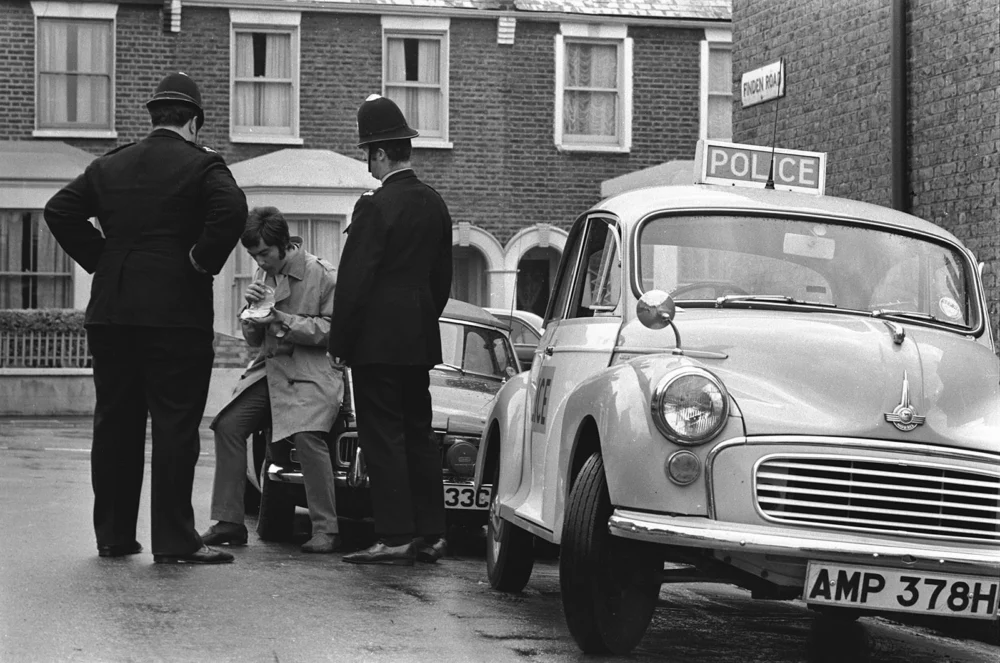
The British government has formally announced its intention to tighten drink-driving regulations, marking a significant shift in road safety policy that aims to bring England and Wales in line with much of Europe and the existing standards in Scotland. Under the proposed changes, the legal blood alcohol concentration (BAC) limit for motorists will be reduced from the long-standing 80mg of alcohol per 100ml of blood to 50mg. Furthermore, a more stringent "zero-tolerance" style limit of 20mg is being considered for newly qualified drivers, acknowledging the higher risk profile associated with inexperienced motorists. This proposed amendment represents the first major overhaul of the national limit since the landmark Road Safety Act of 1967, which established the first scientific threshold for driving under the influence.
The Victorian Origins of Road Sobriety
While the current debate focuses on milligrams and breathalyzer technology, the legal prohibition of operating a vehicle while intoxicated predates the internal combustion engine. The foundational piece of legislation was the Licensing Act of 1872. During an era when the primary modes of transport were equine or steam-powered, the Act stipulated that being "drunk while in charge on any highway or other public place of any carriage, horse, cattle, or steam engine" was a criminal offense. Offenders faced a fine of up to 40 shillings or the prospect of a month’s hard labor.
The transition from horse-drawn carriages to motorized transport necessitated a re-evaluation of these laws. In September 1897, the United Kingdom recorded its first conviction for driving a motorized vehicle while intoxicated. George Smith, a 25-year-old driver of an electric taxi, was apprehended after his vehicle was observed swerving violently across Bond Street in London. According to contemporary reports in the Morning Post, the taxi eventually mounted the footway and collided with a building, causing damage to a water pipe and window beading. Smith pleaded guilty and was fined 20 shillings—an amount roughly equivalent to £114 in modern currency.
Legal Ambiguity in the Early 20th Century
As the popularity of the motor car surged in the early 1900s, the legal system struggled to categorize these new machines within the framework of the 1872 Act. In 1902, a notable case in Liverpool highlighted this legislative gap. A magistrate initially hesitated to convict a driver, arguing that a vehicle without horses might not legally constitute a "carriage." He famously remarked that if every vehicle were a carriage, a person intoxicated while pushing a perambulator (baby carriage) could technically be arrested. To circumvent this logical impasse, the court eventually classified the motor car as a "steam engine" to ensure the conviction stood.
The 1925 Criminal Justice Act provided much-needed clarification. It explicitly made it illegal to be "drunk while in charge of any mechanically propelled vehicle on any highway or other public place." The penalties were significantly increased to reflect the growing danger cars posed to the public: a £50 fine (approximately £2,662 today), up to four months in prison, and a mandatory one-year driving disqualification.
Despite these stricter penalties, the definition of "drunkenness" remained subjective and highly dependent on the testimony of police officers or witnesses. Without a scientific method to measure impairment, many cases resulted in inconsistent verdicts. A 1925 case in Worcestershire demonstrated this fragility; a jury found a defendant guilty of being "incapable of driving" but noted he was "not drunk to the extent which we should call a drunken man." This nuanced verdict was eventually quashed by the Lord Chief Justice, who ruled that such a description was legally synonymous with being sober.
The Technological Breakthrough and the 1967 Act
By the 1960s, the rising number of road fatalities necessitated a move toward objective, scientific testing. The Road Traffic Act of 1962 introduced the concept of using blood and urine samples as evidence in court. However, the Act failed to specify a numerical limit, meaning a "positive" test was still subject to medical interpretation. The government of the time noted that these provisions would only be fully enacted when "circumstances permit"—specifically, when a reliable field-testing device became available.
That breakthrough arrived in 1964 with the introduction of the breathalyzer, a device developed in the United States. Transport journals of the time described it as a "refined, scientific instrument" that allowed for rapid, on-site testing without the need for immediate medical intervention.
In 1967, Transport Minister Barbara Castle introduced the Road Safety Act, which remains the most significant milestone in the history of UK drink-driving law. It established the 80mg/100ml limit, making it a strict liability offense to drive with an alcohol level above that threshold, regardless of whether the driver "felt" impaired. The introduction of the "breath test" at the roadside revolutionized policing and began a decades-long cultural shift in public attitudes toward alcohol and driving.
Comparative Limits and the Scottish Precedent
While the 80mg limit remained the standard for the entire UK for nearly half a century, Scotland took a divergent path in December 2014. Utilizing devolved powers, the Scottish Government reduced the limit to 50mg/100ml. This move was prompted by data suggesting that even small amounts of alcohol significantly increase the risk of a collision.
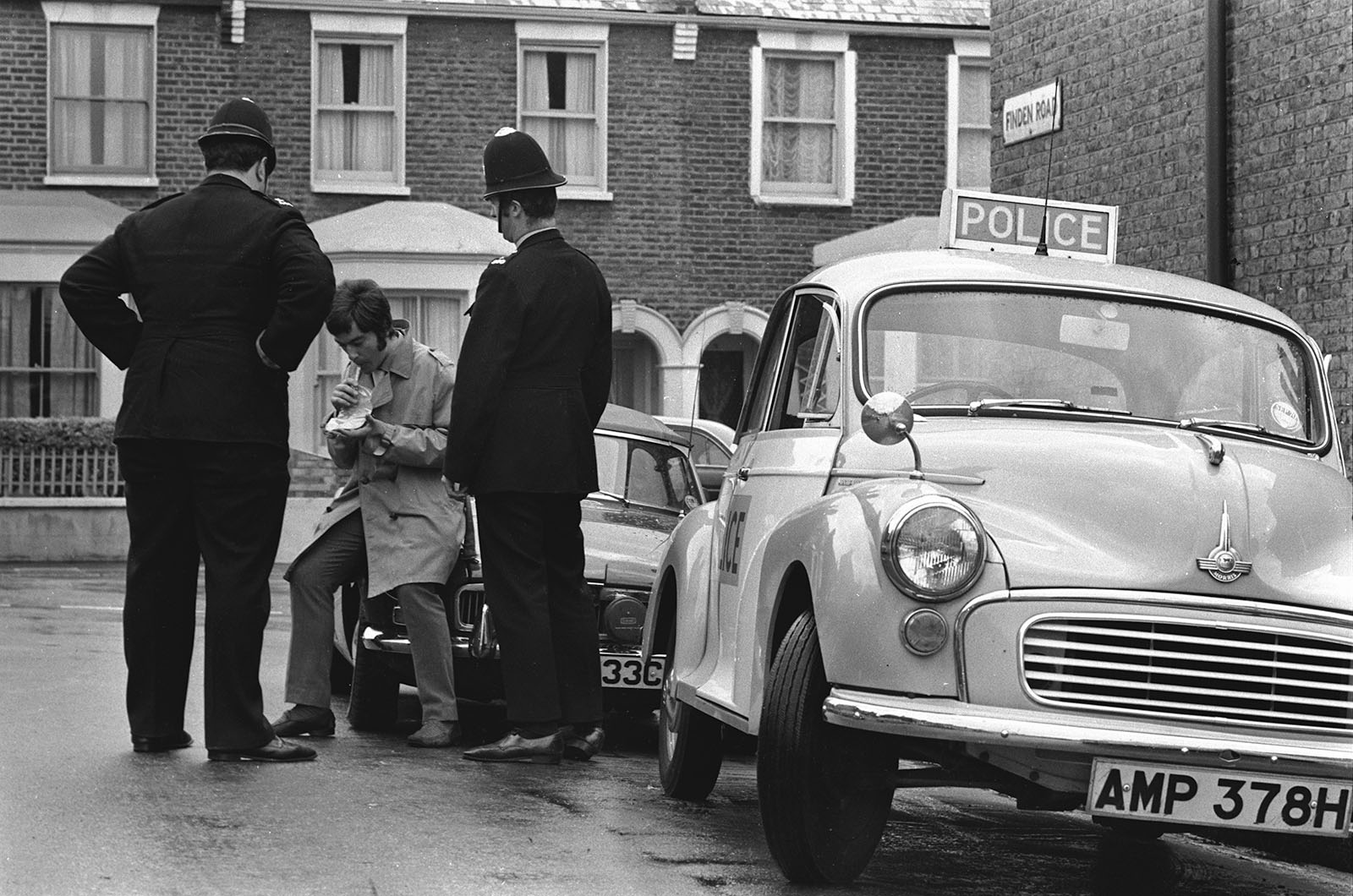
The impact of the Scottish change has been a subject of intense study. Initial reports indicated a decrease in drink-driving offenses, though some academic studies suggested the change in the limit alone did not lead to a sustained reduction in total road accidents without accompanying increases in police enforcement. Nevertheless, the Scottish model has served as the primary catalyst for the current UK government’s proposal to lower the limit in England and Wales.
Currently, the UK (excluding Scotland) has one of the highest drink-drive limits in Europe. Most European nations, including France, Germany, and Italy, operate at a 50mg limit. Several countries, such as the Czech Republic, Hungary, and Romania, maintain a zero-tolerance policy (0mg), while others like Norway and Sweden set their limit at 20mg.
Statistical Rationale for Reform
The push for a 50mg limit is backed by significant road safety data. Research by the Parliamentary Advisory Council for Transport Safety (PACTS) and other road safety charities suggests that a driver with a BAC between 50mg and 80mg is six times more likely to be involved in a fatal crash than a sober driver. At the current 80mg limit, that risk increases to eleven times.
According to Department for Transport (DfT) statistics, alcohol-related road casualties have plateaued in recent years. While the massive campaigns of the 1980s and 90s saw a sharp decline in deaths, the last decade has seen an average of 200 to 250 fatalities per year in Great Britain where at least one driver was over the limit. Advocates for the new law argue that lowering the limit will provide a clearer message to the public: that even one drink may be too many.
Stakeholder Reactions and Economic Implications
The proposal has met with a mixed reception from various sectors. Road safety organizations such as Brake and the Royal Society for the Prevention of Accidents (RoSPA) have welcomed the move, calling it a "long overdue" step that will save lives. They argue that the 20mg limit for new drivers is particularly crucial, as younger drivers are statistically more likely to be involved in accidents due to a combination of lower alcohol tolerance and lack of driving experience.
Conversely, representatives from the hospitality industry and rural communities have expressed concerns. The British Beer and Pub Association has previously highlighted that lower limits could adversely affect rural pubs, which often serve as community hubs and rely on patrons who drive to reach them. They argue that the focus should remain on "hardcore" offenders who significantly exceed the current 80mg limit, rather than those who have a single small drink with a meal.
From a legal perspective, the Police Federation has noted that while they support measures to improve road safety, any change in the law must be accompanied by adequate funding for enforcement. Without a visible police presence and frequent roadside testing, they warn that a lower limit may not achieve its intended deterrent effect.
Broader Implications and Future Outlook
The transition to a 50mg limit in England and Wales would likely trigger a broader cultural re-evaluation of social drinking. For many, the "two-pint rule" (a common but inaccurate rule of thumb for the 80mg limit) would be effectively abolished. Medical experts point out that alcohol metabolism varies wildly based on weight, sex, and metabolism, making any "safe" amount of alcohol impossible to standardize.
Furthermore, the introduction of a 20mg limit for newly qualified drivers could pave the way for future technologies, such as alcohol interlocks (Alcolocks), which prevent a car from starting if the driver fails a breath test. Several EU countries already mandate these devices for commercial vehicles or repeat offenders.
As the government moves toward formalizing this legislation, the focus will shift to the parliamentary process and the inevitable public awareness campaigns required to educate the nation’s 40 million driving license holders. If enacted, this reform will close the chapter on a 57-year era of the 80mg limit, aligning the UK with international safety standards and reflecting a modern understanding of the risks associated with alcohol consumption and road use. The evolution from the 1872 Licensing Act to a 20mg threshold for new drivers represents a 150-year journey toward a zero-fatality vision for British roads.